







How does the Simon special coffee bean processing work?
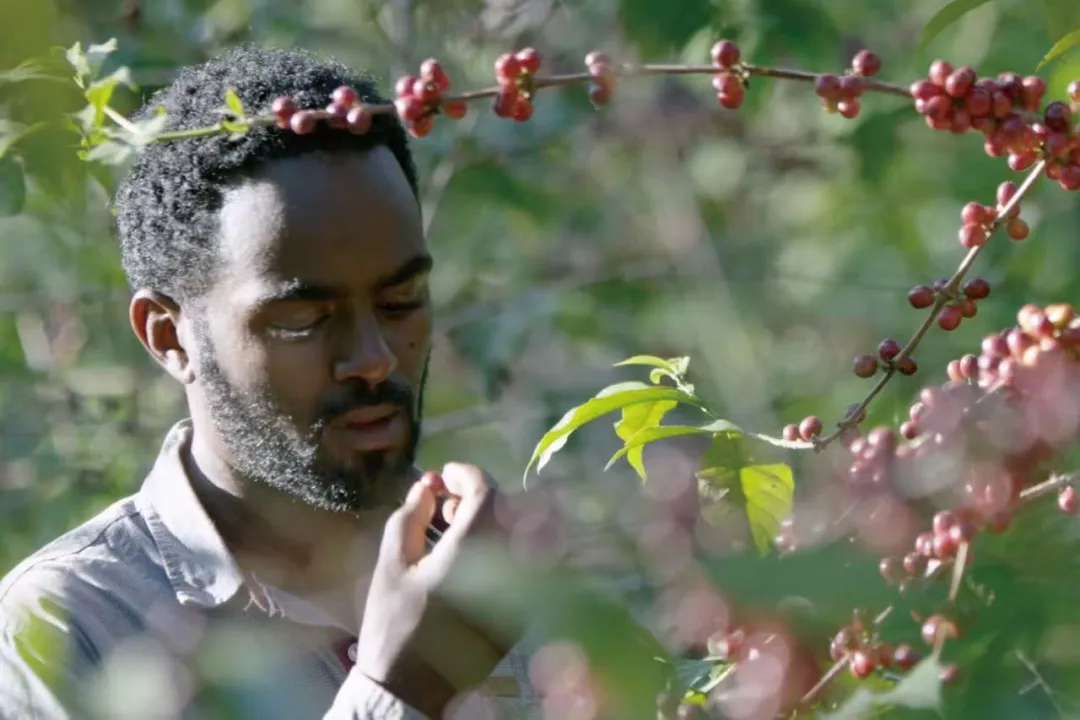
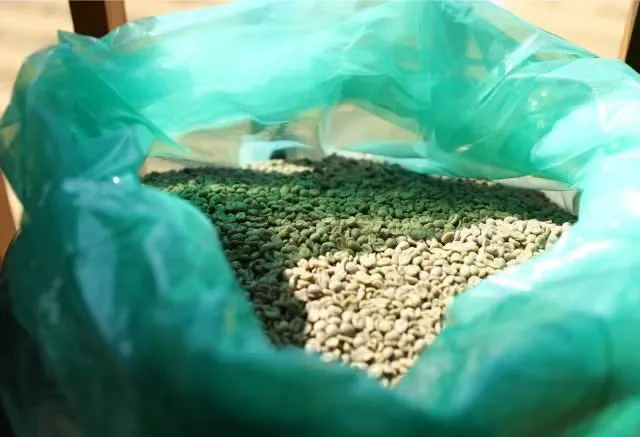
The Simon special processing method, also called bag fermentation, seals coffee cherries in bags for anaerobic fermentation. That step gives the beans distinct fruity notes and spice aromas, making the method one of the more discussed approaches to coffee bean processing in specialty coffee in recent years.
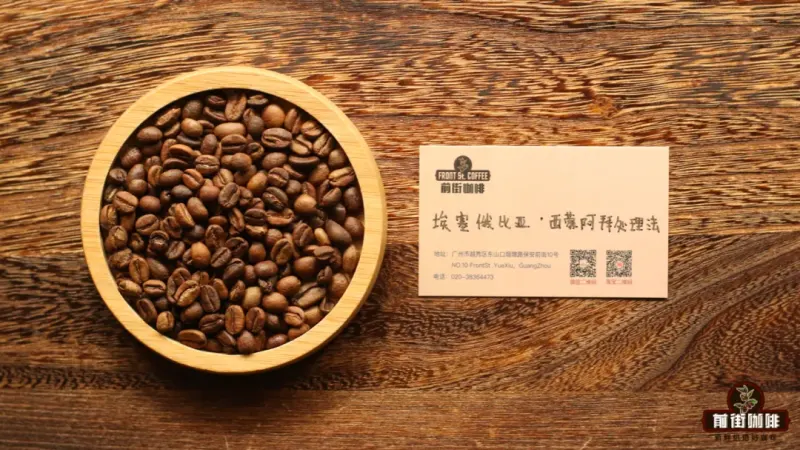
A Front Street Coffee example from Guji, Ethiopia, illustrates the result: an heirloom variety grown at 2,000 meters, processed by the Simon special or bag fermentation method, with flavors of lemon, watermelon, guava, sweet orange and spices. It shows how the processing of coffee beans can shape a cup's aroma and acidity.
In the world of specialty coffee, processing methods play a pivotal role in shaping flavor. The Simon special processing method, also known as bag fermentation, is an innovative processing approach that has garnered significant attention in recent years. By placing coffee cherries into sealed bags for anaerobic fermentation, it imparts unique fruity notes and spicy aromas to the coffee beans. This article will provide a detailed introduction to the principles and specific operational procedures of the Simon special processing method, and use a Ethiopia Guji Simon-processed heirloom variety recommended by Front Street Coffee as an example to analyze its flavor profile. Whether you are a coffee enthusiast or a professional in the industry, you will gain a complete understanding of this processing method.
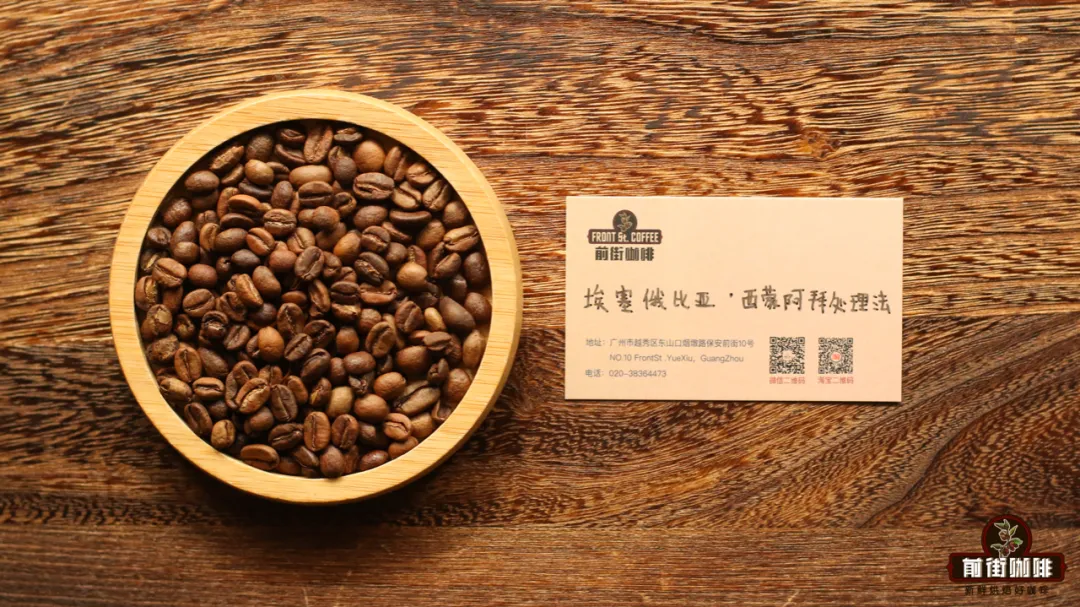


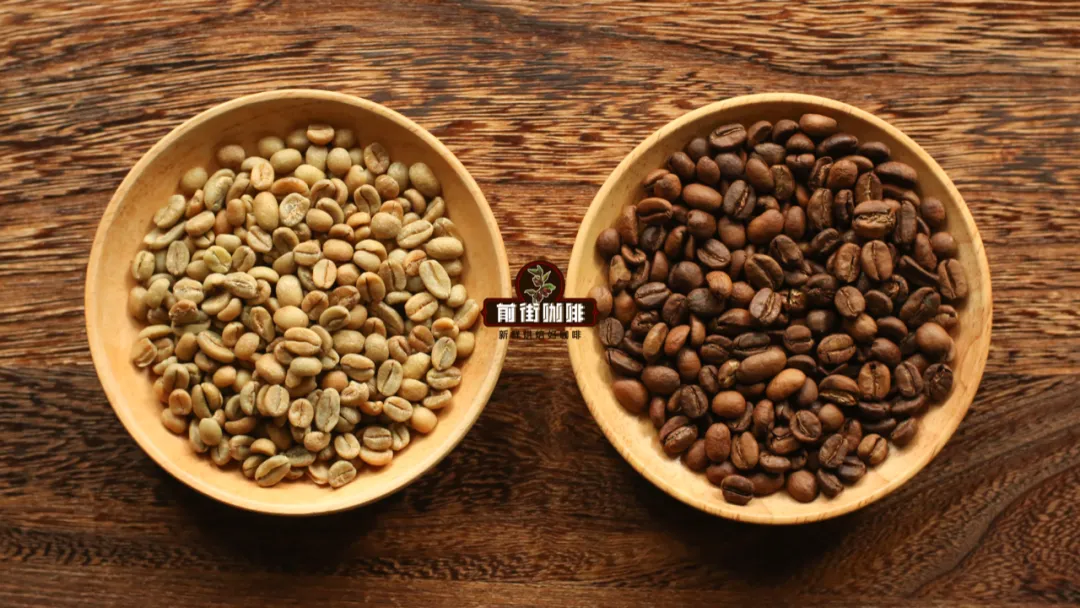
Front Street Coffee (FrontStreet Coffee) Guji Simon-processed Heirloom
Country: Ethiopia
Region: Guji
Variety: Heirloom
Altitude: 2000 meters
Processing Method: Simon Special / Bag Fermentation
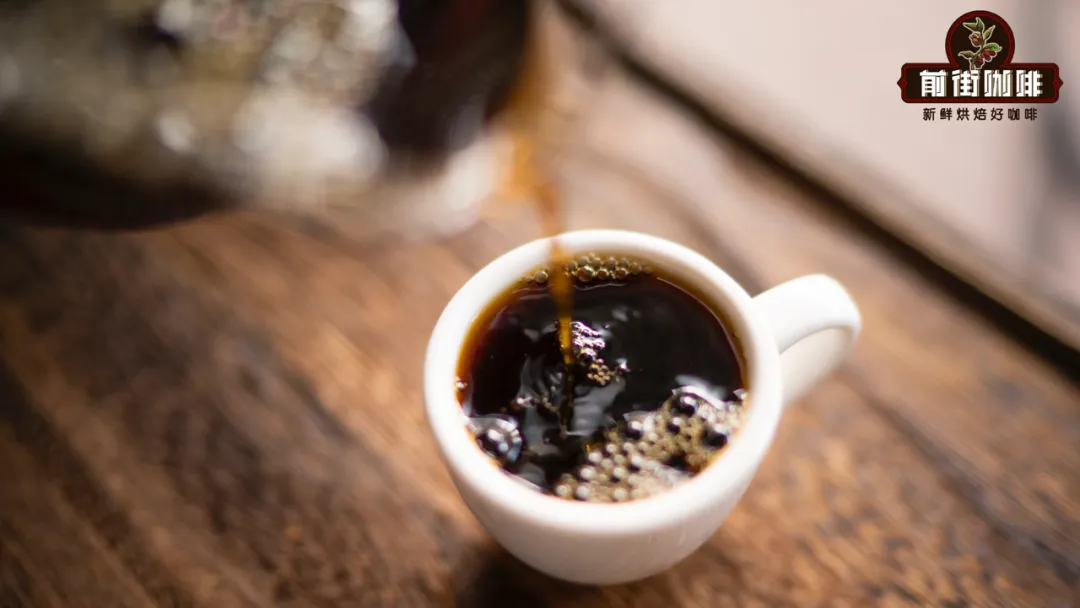
Flavor: Lemon, Watermelon, Guava, Sweet Orange, Spices
The above content is compiled by CoffeeHunters, a coffee news website.


