







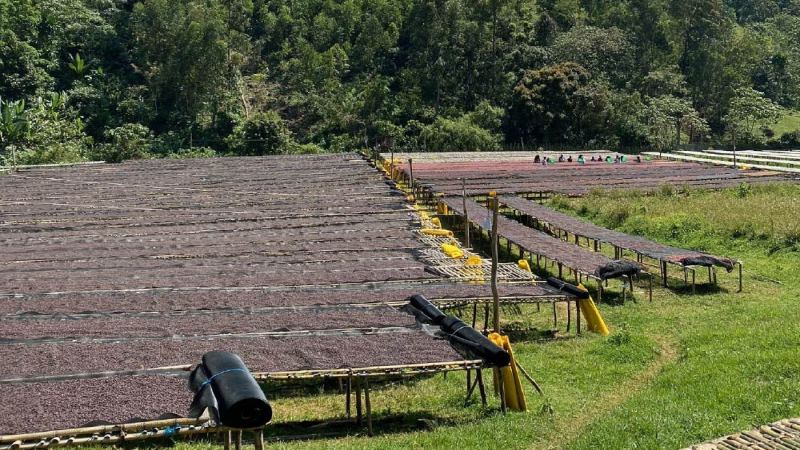
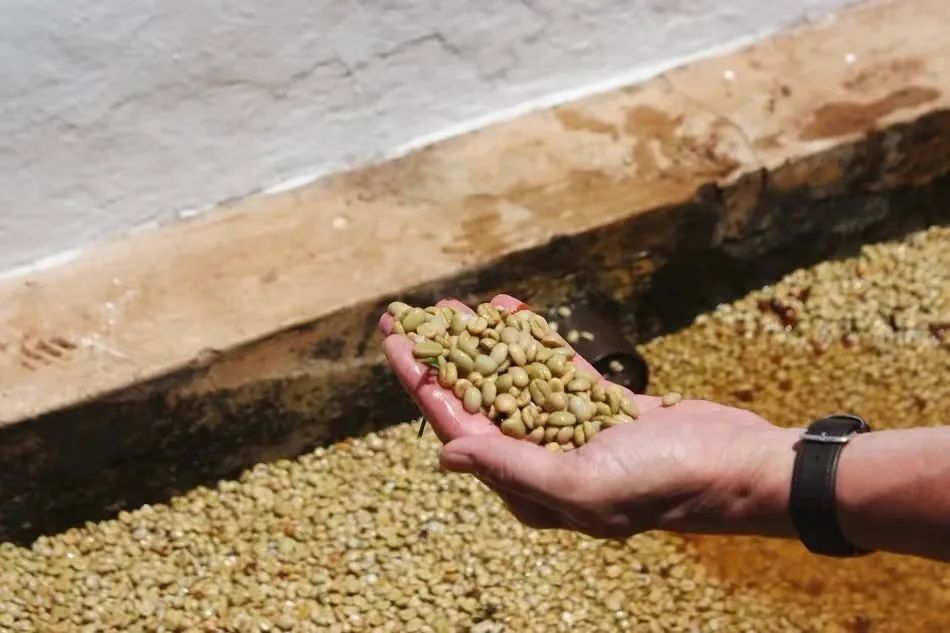
The washed method is currently the most widely used green bean processing method and one of the most traditional coffee processing methods. Typically, washed coffee has higher cleanliness, brighter and more uplifting acidity, and more intense acidity than natural coffee. Popular beans on the Front Street Coffee list such as the Ethiopian Gotiti Cooperative coffee beans, Kenyan Asali coffee beans, Panama Butterfly coffee beans, and Guatemala Flower of God coffee beans all use the natural washed processing method.
Historically, the oldest green coffee bean processing method is traditional natural processing, which simply means placing fresh coffee cherries in a yard or on a rooftop to sun-dry. This method requires almost no cost, and anyone can do it. But problems soon emerged — it all depends on the weather. In regions with unstable weather, mold and rot easily occur, and the high-sugar mucilage is extremely attractive to insects, making the quality of natural coffee impossible to guarantee. Before Ethiopia's coffee system reform, naturally processed coffee beans could only reach Grade G3 at best.
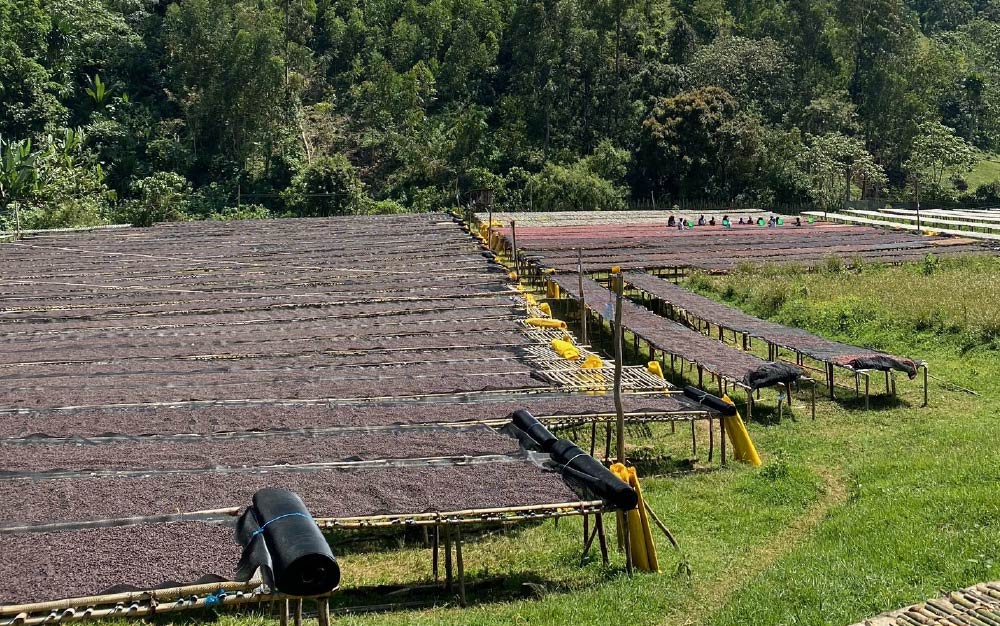
As consumers demand higher and higher coffee quality, while naturally processed coffee quality is relatively low and inconsistent, only standardized production can achieve greater benefits. In 1740, the Dutch, who controlled colonial coffee cultivation and the world coffee trade, began using the washed method to process coffee beans. It was first discovered in the West Indies that soaking depulped coffee beans in water could remove the sticky mucilage layer, which reduced the drying time of the beans and effectively prevented pest, disease, and mold infection. At that time, washed beans were a symbol of high quality.
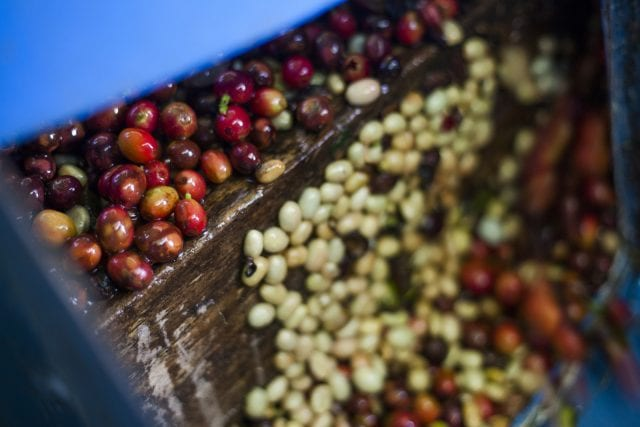
Later, in 1844, the coffee pulper was introduced, which made washing operations more efficient. The cost of washed processing is also very high, requiring large amounts of water — on average, 200 kilograms of green coffee beans consume 10-20 tons of water. A washing station can only be built near a water source. It can be said that the emergence of washed processing was only partly driven by flavor and mouthfeel; the bigger reasons came from considerations of yield rate, production volume, and product standardization. Even today, the washed method remains one of the most common processing methods for coffee beans on the market.
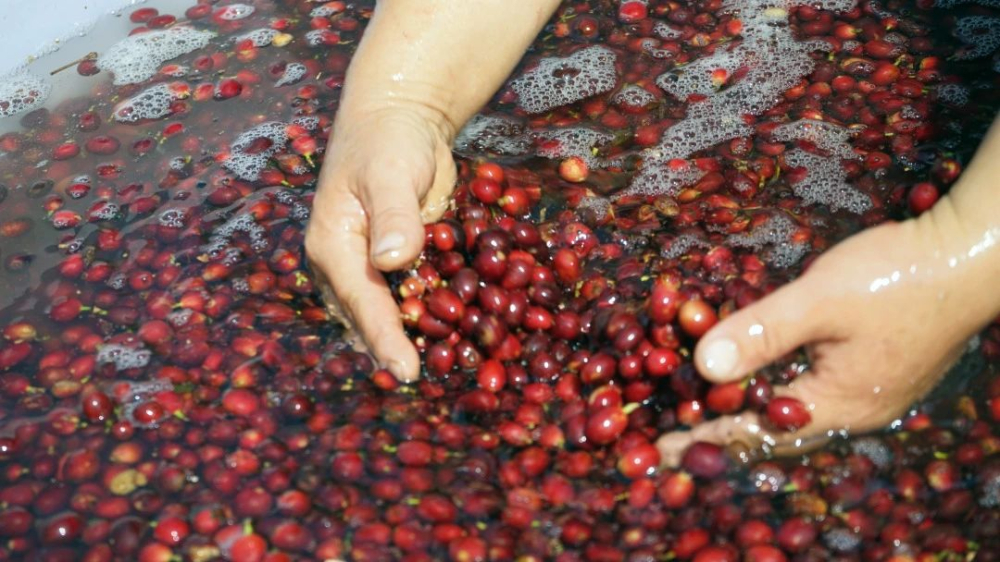
Before washing, the coffee cherries are generally first floated — after fresh picking, they are placed in water, and the buoyancy of the water is used to pick out underripe cherries. Then a pulper removes the skin and mucilage of the berries. At this point the beans are slippery, and workers pour them into fermentation tanks to rest overnight. Mucilage fermentation produces acidic substances that break down the mucilage, causing it to detach from the beans. After fermentation is complete, a small amount of mucilage still sticks to the parchment beans, so they need to be scrubbed with tools for 30-60 minutes, with flowing water helping to completely wash away the mucilage. Specially designed channels combined with water flow can remove low-density, poor-quality beans. The high-quality coffee beans are then drained, spread on raised beds or drying nets to dry, and finally packed and stored once they reach the target moisture content.

Because the multiple steps of washed processing can remove defective beans, the proportion of defects in the coffee is greatly reduced, and quality is more stable. Since there is no mucilage on the outside during drying, the flavor has uplifting acidity and higher cleanliness, highlighting the flavor characteristics of a single origin. So if you want to understand the "terroir" / "regional flavor" of an origin, Front Street Coffee suggests starting with its washed lots. Take the well-known Yirgacheffe, for example — the Ethiopian daily-drinker beans launched by Front Street Coffee are selected from washed Yirgacheffe coffee, roasted at a medium-light level, and when brewed present the fresh acidity of jasmine, citrus, and lemon, along with honey sweetness.
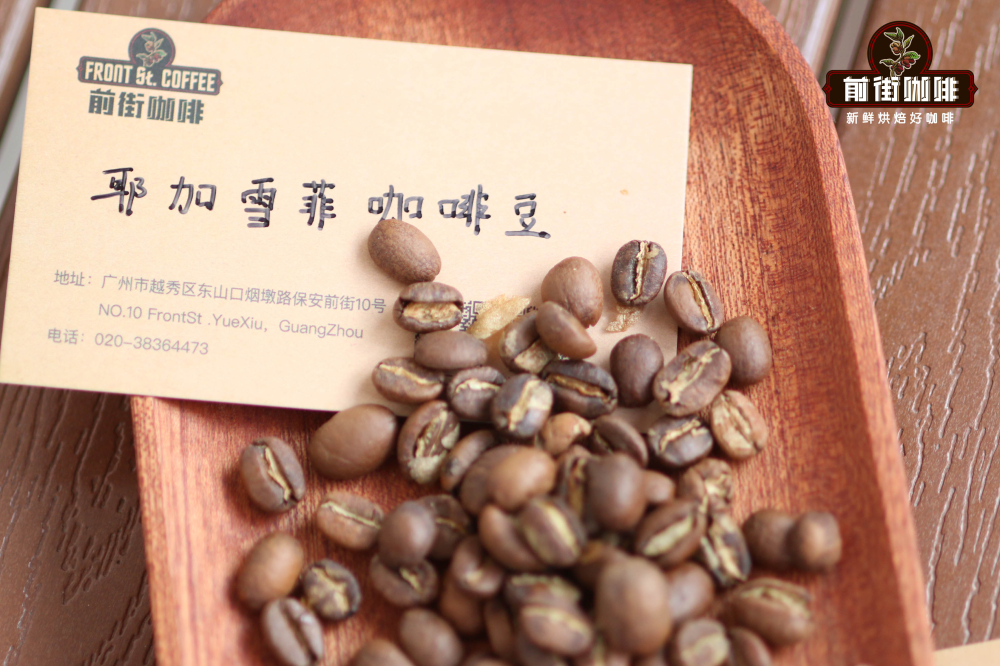
We all know that Ethiopia, located on the African continent, is very scarce in water resources, and traditionally coffee was naturally dried by the sun. Due to rough methods — coffee beans thrown directly on muddy ground or rooftops to dry — the coffee easily absorbs the earthy smell of the ground, or ferments excessively due to uneven heating, ultimately affecting coffee quality. To improve coffee quality, the Ethiopian government introduced more advanced washed processing technology and related equipment from Central and South America in 1972. This allowed Yirgacheffe coffee to present a fresh citrus profile and elegant white floral notes, with an overall bright and delicate flavor. As a result, Yirgacheffe became independent from the Sidamo production region and became the famous region it is today in the coffee world.
When Front Street Coffee produces Yirgacheffe coffee beans, it usually uses the pour-over method. If you are a newcomer just entering the coffee world, Front Street Coffee recommends a washed Yirgacheffe daily-drinker bean, selected from local Ethiopian heirloom coffee beans and roasted at a medium-light level. Front Street Coffee's daily-drinker series allows friends who are just getting into coffee to taste the basic flavors of the region at an affordable price, and the small-package design also avoids waste from not being able to finish a larger bag.
Washed Yirgacheffe Pour-Over Suggestions
Dripper: V60
Water temperature: 92-93°C
Dose: 15g
Coffee-to-water ratio: 1:15
Grind size: caster sugar size (78% passes through a No. 20 sieve)
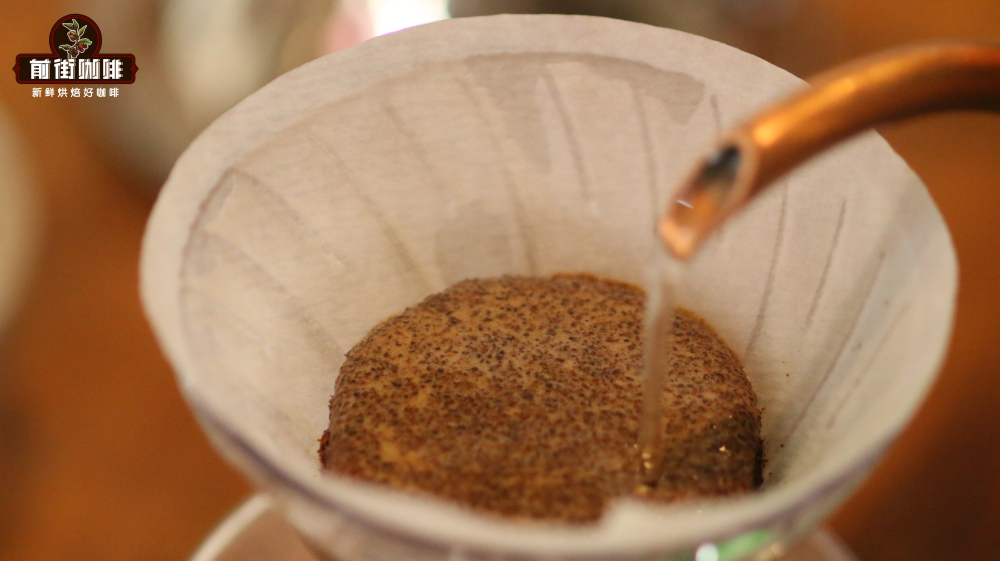
For the first pour, add 30g of water and bloom for 30 seconds, then pour 95g (the scale reads about 125g), finishing the pour in about 1 minute. When the water level drops to 2/3 of the coffee bed, pour the remaining 100g (the scale reads about 225g), finishing the pour in about 1 minute 35 seconds. At 2'10", the drip is complete. Remove the dripper and extraction is finished.
Washed Yirgacheffe coffee flavor: jasmine, lemon, citrus, and green tea on the entry, with berry, cream, and sugarcane in the finish as the temperature changes, a noticeably sweet aftertaste, and a clean, sweet mouthfeel.
For professional coffee knowledge exchange and more coffee bean information, please follow Coffee Workshop (WeChat public account: cafe_style)
For more specialty coffee beans, please add the private WeChat of Front Street Coffee (FrontStreet Coffee), WeChat ID: qjcoffeex
The above content is compiled by CoffeeHunters, a coffee news website.


