







How Does Carbonic Maceration Change the Coffee Beans Process?
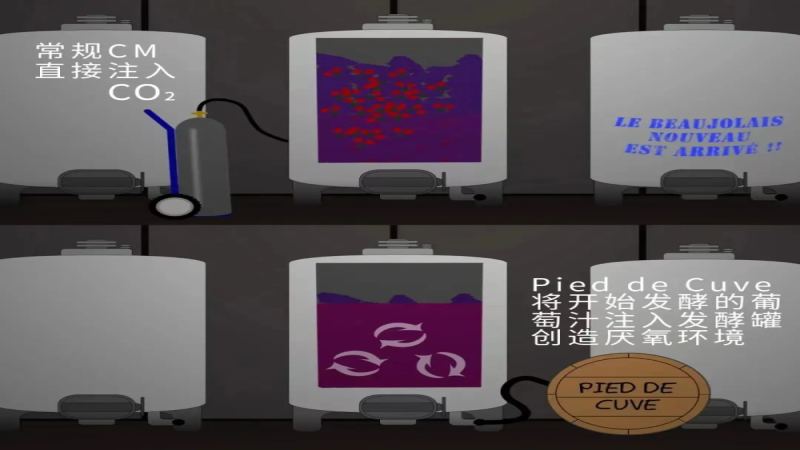
Carbonic maceration, or the CM process, is a coffee beans process borrowed from red wine making. Coffee is sealed in stainless steel tanks injected with carbon dioxide, creating pressure and an oxygen-poor environment. Sasa won the 2015 World Barista Championship using beans processed this way, which brought the technique into wider use. CM falls under the broader anaerobic processing category.
CM has natural and washed versions: the natural form ferments whole cherries, the washed form ferments beans after depulping. In the natural version, washed cherries go into a sealed tank with carbon dioxide, pressure bursts them and releases juice rich in yeast. Anaerobic bacteria such as lactic acid bacteria and yeast then multiply and break sugars into organic acids in coffee, esters and aldehydes, adding acidity and floral-fruity notes. Fermentation typically runs 36 to 48 hours before drying.
Carbon dioxide maceration, also known as the CM process, falls under the category of anaerobic processing. In 2015, Sasa won the World Barista Championship with this type of coffee bean, bringing this innovative technique into the public eye. The method was inspired by red wine making, using carbon dioxide injected into sealed stainless steel tanks to achieve fermentation. The CM process has two versions, natural and washed, differing in the material fermented within the tank. This article provides a detailed analysis of its flavor characteristics, processing flow, and key control parameters, along with related product recommendations from Front Street Coffee.
The carbon dioxide maceration process is also called the CM process, and it belongs to a type of anaerobic processing. In 2015, Sasa used coffee beans processed this way to win the World Barista Championship, and since then this novel processing technique has gained widespread attention.
This processing method was inspired by red wine-making techniques. Specifically, carbon dioxide gas is introduced into a sealed stainless steel tank, so some people also call carbon dioxide maceration the red wine process.
Carbon dioxide maceration also has two forms, natural and washed, and the difference between them lies in the material used during fermentation in the tank: the natural version uses whole coffee cherries, while the washed version uses coffee beans after the skin has been removed.
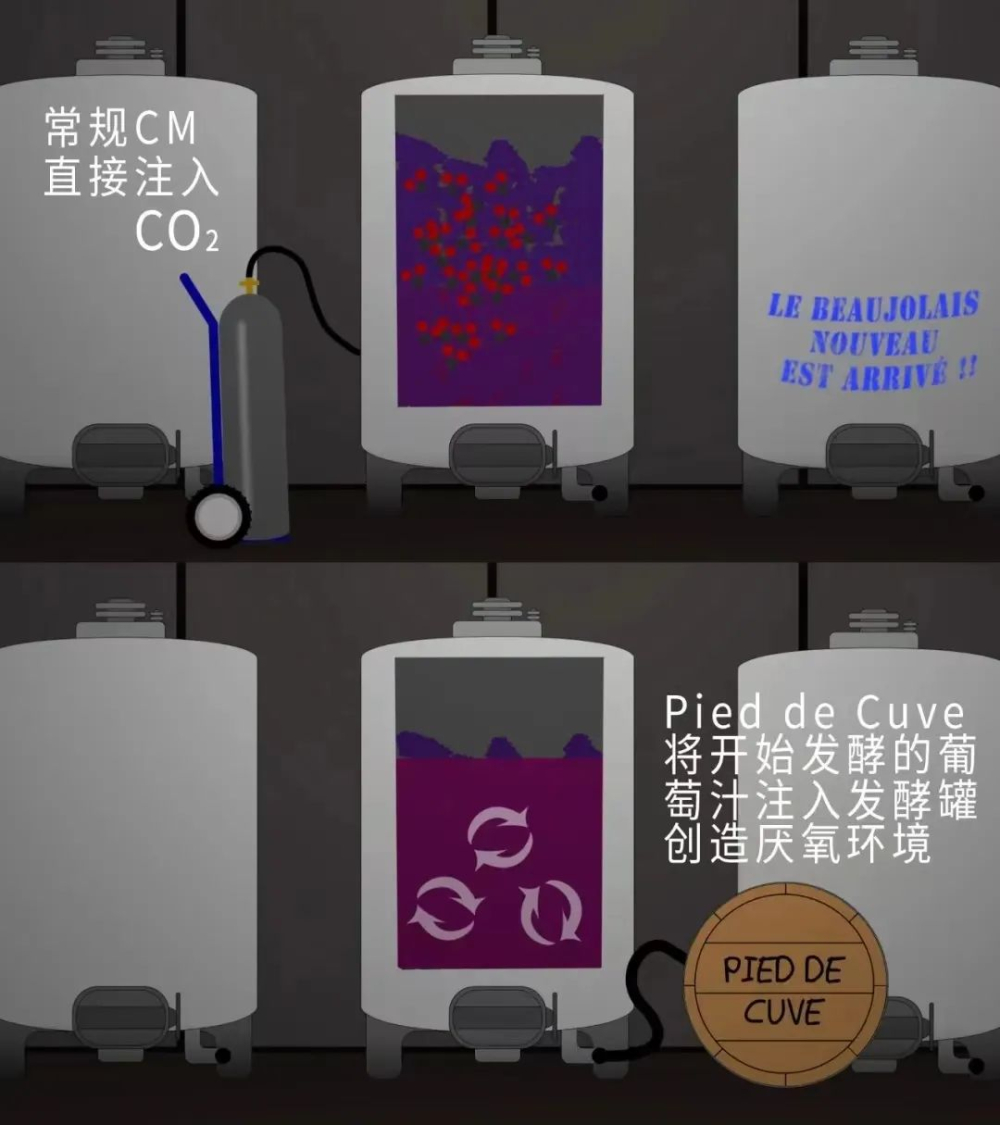
Taking the natural version as an example, freshly picked coffee cherries are first washed clean, then placed into a sealed tank and injected with carbon dioxide. After the gas is injected, a certain pressure forms inside the tank, "bursting" the coffee cherries and releasing juice. This juice is rich in microorganisms such as yeast, which can promote the fermentation of the coffee beans; the high concentration of carbon dioxide can inhibit the growth of aerobic bacteria, while anaerobic bacteria such as lactic acid bacteria and yeast can multiply in large numbers. Under anaerobic conditions, lactic acid bacteria and yeast can break down sugars into compounds such as organic acids, esters, and aldehydes, bringing pronounced acidity and floral and fruity notes.
Usually, after 36 to 48 hours of fermentation in the tank, the subsequent drying stage can begin. Of course, whether the flavor of anaerobically processed coffee is ideal and how the actual fermentation time is determined require reference to parameters such as temperature, pH, pressure, and sugar content during fermentation. Taking temperature as an example, different temperatures will create different flavors.

In the washed version, the skin and pulp of fresh coffee cherries are first removed, then the beans are placed into a sealed stainless steel tank, carbon dioxide gas is introduced, and the tank is rolled to mix the contents evenly. Fermentation also lasts 36 to 48 hours, during which indicators such as pH, pressure, and sugar content inside the tank must be continuously monitored. Once the preset values are reached, the contents are poured out, and a large amount of clean water is used to rinse off the residual pectin layer on the surface of the coffee beans, followed by drying.
The related product information recommended by Front Street Coffee is retained.
The above content is compiled by CoffeeHunters, a coffee news website.


