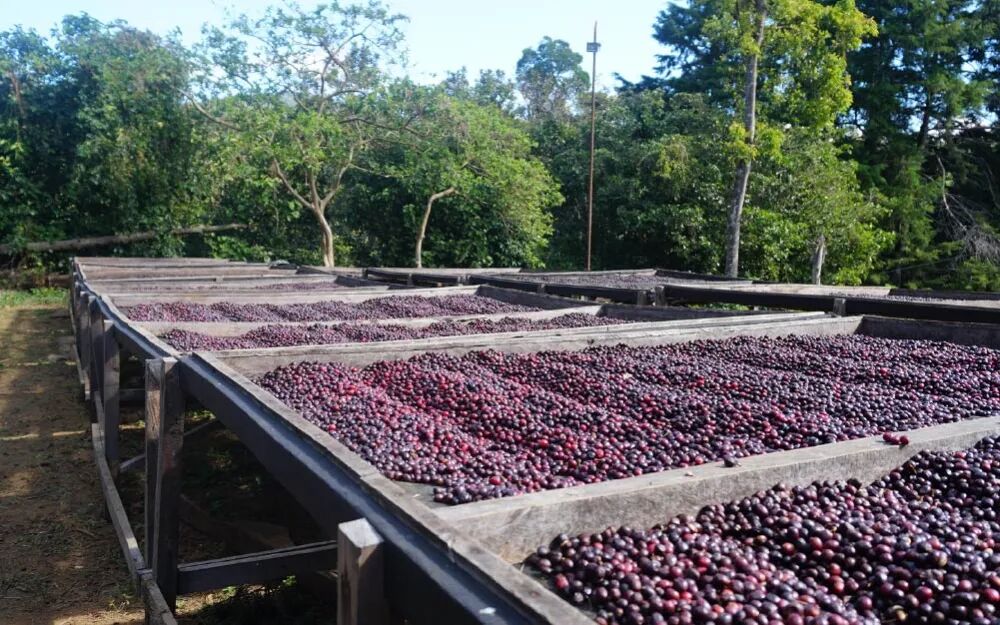
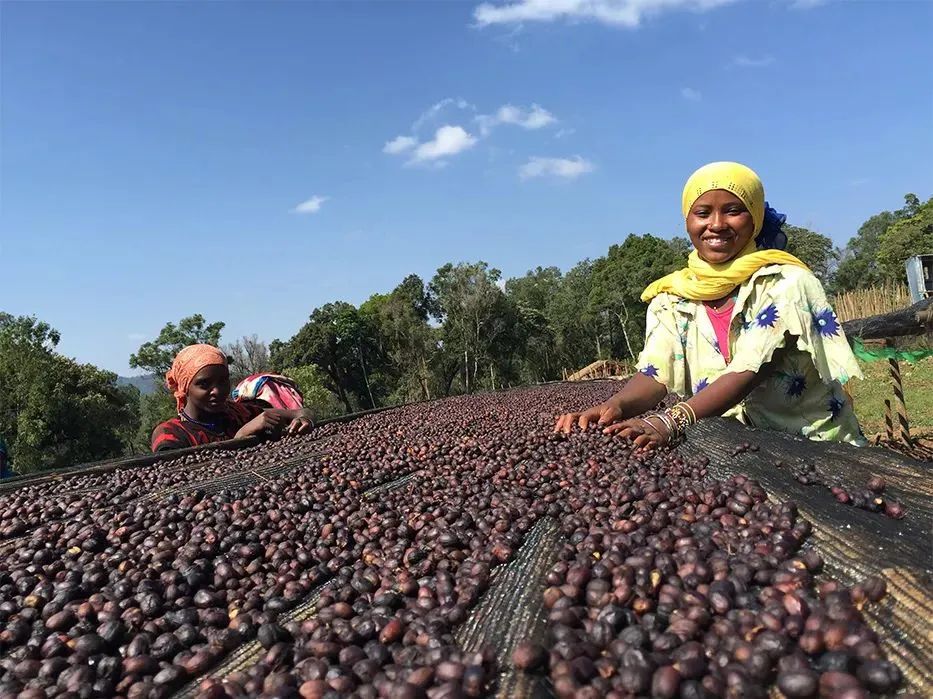
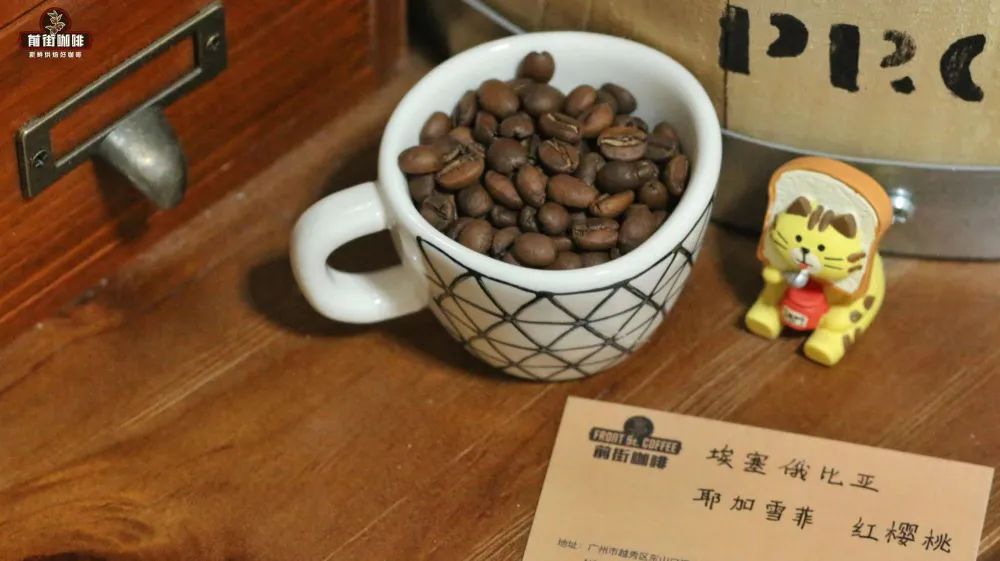
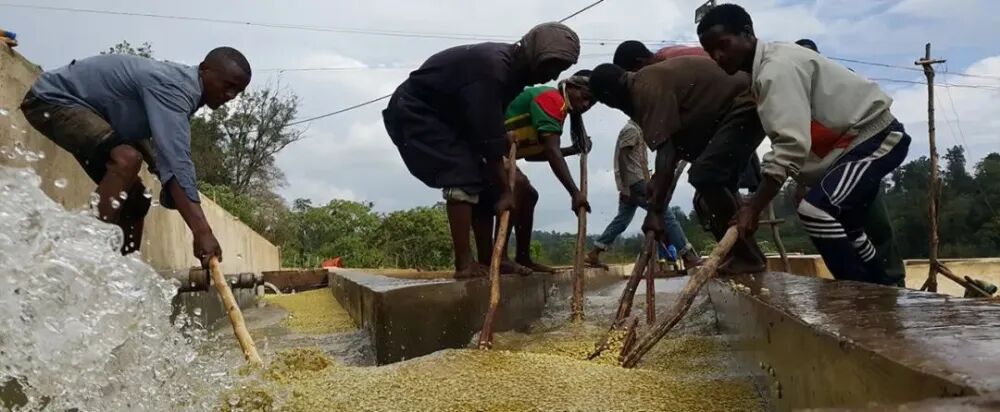
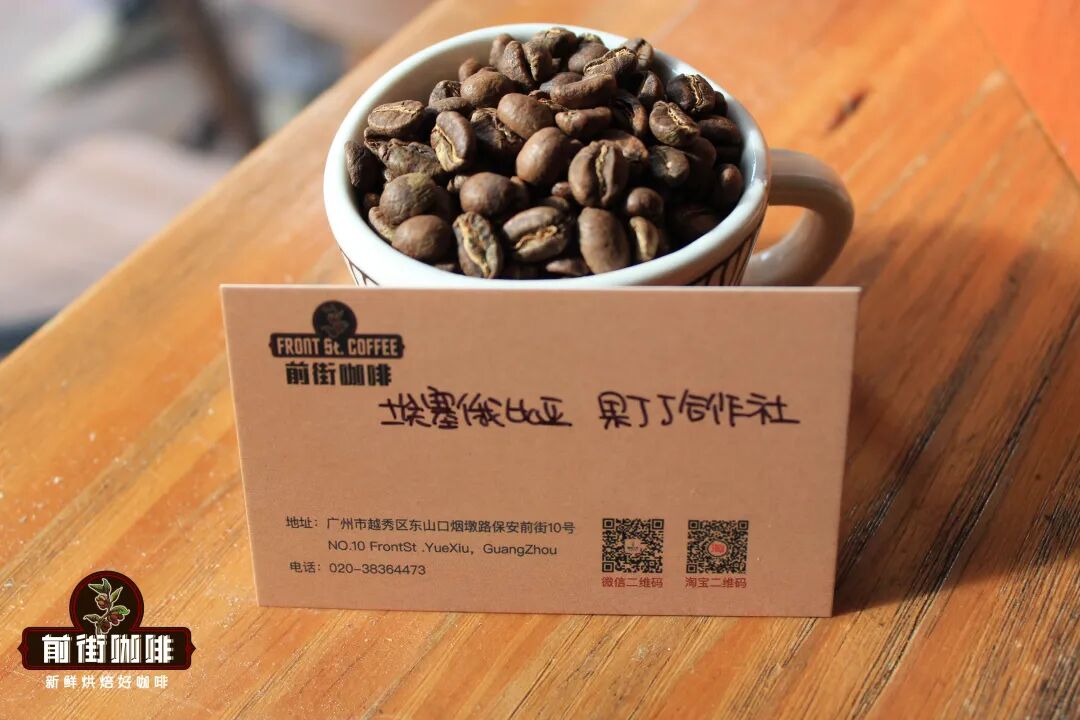
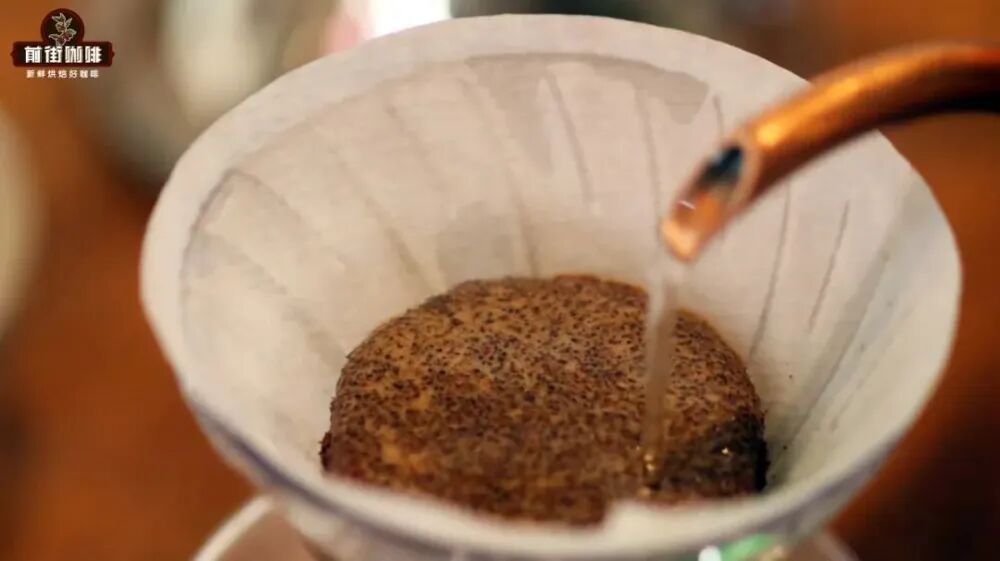
When buying coffee beans, besides paying attention to the origin and flavor, we also select coffee beans that use different processing methods. This is because different processing methods bring out different flavor characteristics in coffee. Even coffee from the same origin, if processed by washed and natural methods respectively, will present different tastes. For example, on Front Street Coffee's bean list, the Ethiopia Yirgacheffe Gutingding Cooperative coffee is a washed batch, while the Red Cherry coffee is natural. Let's take a look at the differences between these two beans.Natural Yirgacheffe CoffeeThe so-called "natural method" is to dry the ripe coffee cherries directly after harvest. During the drying process, the sugars and aromas in the pulp are well preserved and penetrate into the green coffee beans. At the same time, the longer the natural processing time, the more complete the fermentation. Because the natural method allows the coffee fruit to dry naturally, the coffee beans mature inside the fruit without interference from the external environment, so naturally processed coffee beans amplify their own flavors, with obvious tropical fruit flavors, full fermentation feel, and sweetness.Traditionally, Ethiopia's high altitude, low rainfall, and long sunshine hours are very suitable for natural processing of green coffee beans. However, farmers drying coffee beans directly on mud or rooftops makes the fruit very susceptible to absorbing the smell of soil from the ground, or uneven heating leads to over-fermentation, ultimately affecting coffee quality.In order to increase the income of local Ethiopian farmers and improve coffee quality, the Dutch trading company Trabocca BV launched the "Operation Cherry Red Project" in 2007(OPERATION CHERRY RED PROJECT), mainly targeting some high-altitude producing areas such as Ethiopia's Yirgacheffe to improve processing techniques such as washed, semi-washed, and natural, with professional cuppers joining in. During the harvest season, different coffee harvest volumes are set for different microclimate areas, and only 100% ripe red coffee cherries must be harvested, with a yield of about 1500-3000KG.The economic loan support, new hardware equipment, and production knowledge and technology provided by Trabocca have greatly improved the coffee bean quality of the Yirgacheffe producing area, and even the entire country of Ethiopia. Correspondingly, the coffee also has a higher selling price, thereby increasing the income of coffee farmers.Unlike the past, today's natural processing spends more effort on manual selection and ensuring uniform drying. Freshly picked red coffee cherries are manually selected to remove defective beans and those that are overripe or insect-damaged, leaving good beans. Then they are sent to a drying place for drying. Of course, different producing areas use different drying racks, some use tarps, raised beds, etc., and the most common is the African-style drying bed.The drying time generally takes 27-30 days, until the coffee turns dark purple and the moisture content drops to 11% before it is considered complete. Natural Yirgacheffe has a stronger taste and richer layers, with a winey fermented flavor, and the sweetness is also relatively high.Washed Yirgacheffe CoffeeEthiopia's washed technique was introduced from Central and South America in 1972. The washed process is complicated and cumbersome, and requires a large amount of clean water, so the cost is higher than the natural method, and it is also less used in water-scarce African regions.Washed steps: After picking, put the coffee cherries into water and use the buoyancy of the water to pick out underripe fruits. Then use a depulper to first remove the skin/pulp of the berries, and leave them in a fermentation tank for 18-36 hours until the pectin layer decomposes. After fermentation is complete, the parchment beans are washed in channels for 30-60 minutes. Through specially made channels plus water flow, beans with low density and poor quality can be removed, and then the high-quality coffee beans are drained of water and spread on African-style raised beds to dry.Because the pulp is removed before drying, Yirgacheffe's own inherent aroma is clearer and more transparent, presenting citrus and lemon notes and elegant white floral fragrance, with an overall bright and delicate flavor. After launching washed coffee beans, Yirgacheffe leaped to become a representative of the world's specialty coffee producing areas.Flavor Differences in CuppingIn terms of roasting, Front Street Coffee considers that Yirgacheffe should present acidity as the main flavor direction, so it uses medium-light roasting. The washed Yirgacheffe Gutingding Cooperative coffee beans use light roasting to retain more bright acidity and floral aroma, while the natural Yirgacheffe Red Cherry coffee beans use medium-light roasting to present full berry sweetness and acidity. Every time Front Street Coffee launches a coffee bean, it conducts at least one cupping tasting. Under the same standards, cupping allows us to more objectively feel the strengths and weaknesses of the coffee.Cupping flavor of washed Gutingding Cooperative coffee: The dry aroma exudes fresh passion fruit, citrus, and berry acidity. The wet aroma is citrus and berries. On the palate, citrus acidity, berry sweetness, almond, tea-like feel, with a honey sweetness in the aftertaste. Low body, bright acidity, clean and refreshing.Cupping flavor of natural Red Cherry coffee: The dry aroma shows full berry sweetness and acidity. When slurped at different temperatures, soft berry sweetness and acidity, ripe fruit fermentation feel, obvious honey sweetness, and black tea finish, with a smooth mouthfeel.Through comparison, Front Street Coffee tasted that both natural and washed Yirgacheffe have citrus and berry acidity. The washed one has higher acidity and a brighter, more uplifting mouthfeel, with an aftertaste mainly of honey aroma; while the natural one highlights the roundness of tropical fruits, a creamy smooth mouthfeel, and a heavier fermentation note.Pour-over Recommendation SharingMany friends consult Front Street Coffee about related brewing suggestions after buying coffee beans. In fact, every bag of Front Street Coffee beans has brewing references on the label. Here, Front Street Coffee takes the washed Gutingding Cooperative as an example and, according to the store's serving standards, talks about Front Street Coffee's extraction approach.Because Yirgacheffe coffee beans grow at high altitudes and are relatively hard, in order to stimulate more floral and fruity notes in the coffee, Front Street Coffee uses high-temperature hot water at 92°C-93°C for extraction. For grind size, Front Street Coffee recommends a medium-fine grind(78% passing rate on Chinese standard No. 20 sieve). If it is too coarse, rich substances cannot be extracted, and the brewed coffee will appear thin. If it is too fine, it is easy to over-extract at high water temperature, and the brewed coffee is prone to bitterness.During the cupping process, Front Street Coffee noticed that this bean shows different flavors at different temperatures, so the brewing method uses three-stage extraction, allowing different flavor substances to show their best when the coffee bed heats up in stages. In order to highlight the fresh and charming aroma of washed Yirgacheffe, Front Street Coffee uses a V60 dripper for brewing. Compared with other drippers, the conical shape and 60° angle design mean that when brewing with V60, the water flow must flow to the center before dripping into the server, extending the contact area between water and coffee grounds, so that aroma and flavor can be fully extracted. Its iconic single large hole allows the water flow to be unobstructed. The liquid flow rate largely depends on the brewer's flow control ability and is directly reflected in the coffee flavor. If your pouring habit is relatively large or rushed, the delicious substances have not yet been released from the coffee before extraction is already over, then the brewed coffee is very likely to be thin and bland.Not only that, the side wall of the V60 dripper has multiple raised spiral ribs, some long and some short, running through the entire dripper. First, it prevents the filter paper from fitting tightly against the dripper, forming enough space for air circulation and maximizing the coffee particles' water absorption and expansion; second, the spiral ridge design also allows the washing and falling water flow to squeeze the coffee bed, forming a richer layering, while also extending the water flow path and avoiding under-extraction caused by the large hole.In terms of brewing ratio, Front Street Coffee believes 1:15 to 1:16 is acceptable. If you want a richer mouthfeel, use 1:15; if you want to feel the floral sweetness more clearly, use 1:16 to let the flavors spread out more.Dripper: V60 Water temperature: 92-93°C Coffee dose: 15g Coffee-to-water ratio: 1:15 Grind size: fine granulated sugar size (78% passing through No. 20 sieve)Three-stage pouring: Use twice the weight of the coffee grounds in water to wet the coffee bed, forming a dome and blooming for 30s, then pour in a small stream in circles from the inside out until 125g, pause, wait for the coffee bed to drop to half the height of the dripper, continue pouring the third stage with the same fine stream until 225g, until all the coffee liquid has filtered through, remove the dripper, about 2 minutes. After the coffee in the dripper flows into the server, remove the dripper, then shake the coffee liquid in the sharing server evenly, and you can start tasting Yirgacheffe's flavor from high temperature.Pour-over Washed Yirgacheffe Flavor DescriptionAfter grinding washed Yirgacheffe coffee beans into powder, you can smell the fresh fragrance of honey and jasmine. When Front Street Coffee pours in hot water, it begins to give off a hint of berry flavor. The pour-over black coffee enters the mouth with bright lemon, citrus, and green tea, and as the temperature changes, there are berry, cream, and sugarcane in the aftertaste, with obvious sweet aftertaste and a clean, sweet mouthfeel.
 The above content is compiled by CoffeeHunters, a coffee news website.