







Is Americano Bitter or Sweet With Light Roast Espresso?
An Americano made from light-roasted beans tends to taste bright and fruity rather than sharply bitter. A test using three light-roasted Ethiopian coffees, Floral Queen, Gedingding, and Dorothy, pulled as espresso and diluted into Americanos, kept their floral notes and fruit acidity. The same shots in a latte lost much of that character because milk muted the delicate flavors.
Espresso has traditionally used darker roasts, with Italian Roast sitting at an Agtron value of 25, the darkest of eight levels, and often showing surface oil. Many modern espresso beans sit closer to City Roast, around Agtron 55, while light roast and cinnamon roast fall between 85 and 95. For light beans, grind finer and manage pressure and pre-infusion time.
People usually think espresso must use dark-roasted beans, but nowadays many cafés have lowered the roast level to City Roast or even lighter. This time, Front Street used three light-roasted Ethiopian beans—Floral Queen, Gedingding, and Dorothy—to extract espresso and make Americanos and lattes respectively, wanting to see how light-roasted beans actually perform in espresso. The experiment found that light-roasted beans often retain bright fruit acidity and floral notes when made into Americanos, but when made into lattes, the flavors are easily overpowered by milk. If you also want to try using light-roasted beans for espresso, first adjust the grind finer, control pressure and pre-infusion time, and you may harvest an unexpectedly juicy espresso.
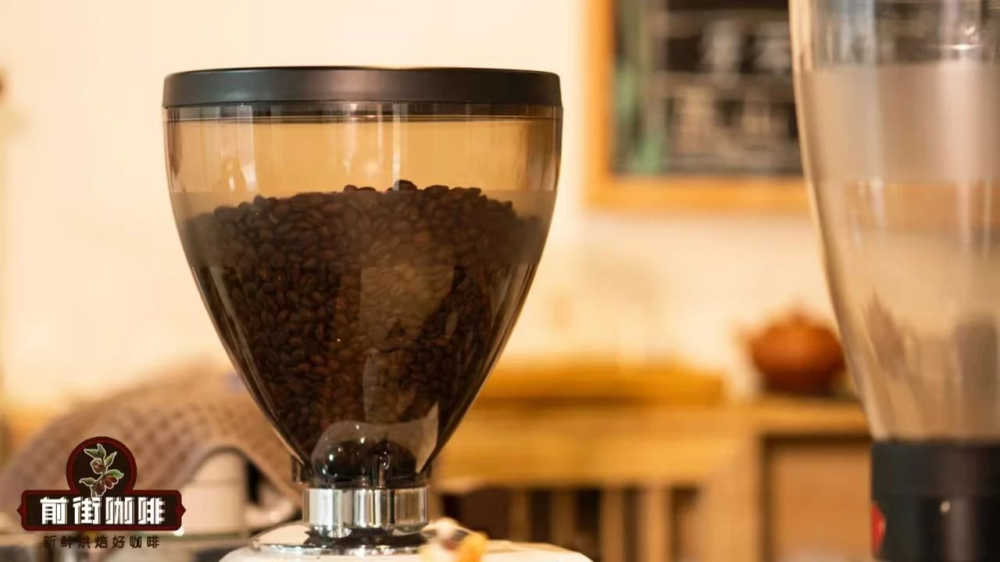
Espresso commonly uses darker-roasted beans—this is almost the default rule in the industry. In the coffee roast level classification, there is a dedicated level called "Italian Roast," with an Agtron color value of 25, the darkest of the eight levels. These beans usually have an oily sheen on their surface.
However, today's espresso beans are no longer that dark. Taking Front Street's espresso bean series as an example, the Agtron color value is generally around 55, corresponding to "City Roast" in the eight-level roast scale.
Today Front Street wants to try extracting espresso with light-roasted coffee beans and see what the flavor will be like. Light roast here refers to "Light Roast" and "Cinnamon Roast" in the eight-level roast scale, with Agtron color values roughly between 85 and 95.
Why didn't Front Street do this "fun little experiment" before? Because previously we used an old-style coffee machine (arguably a founding hero of the shop), with rather limited functions, and the results of extracting light-roasted beans were never ideal. Now we've switched to a new-style coffee machine, with more manually adjustable parts, and finally we can play happily.
Three beans were selected for this test: Front Street Floral Queen (natural), Front Street Gedingding (washed), and Front Street Dorothy (enzyme-washed). Why all Ethiopian beans? Because these all showed bright fruit acidity when brewed as pour-over, making it easier to find their commonalities and differences when made as espresso.
First, test Front Street Floral Queen. If you want to extract espresso with light-roasted beans, remember the first step is to adjust the grind setting finer. Otherwise you'll see the following situation:
At the 7th second of extraction: the flow rate is extremely fast
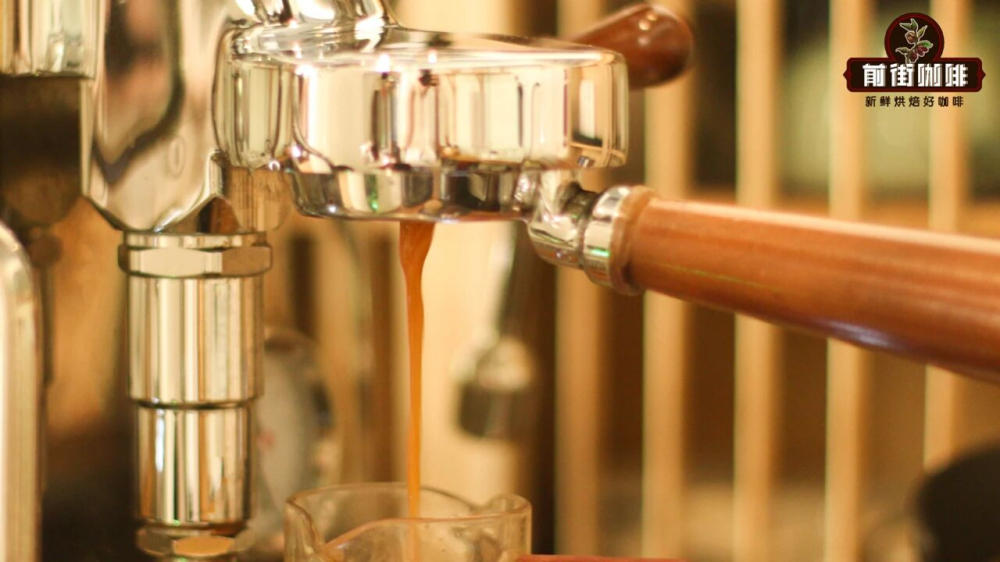
After three parameter adjustments, the extraction recipe for light-roasted Floral Queen was: 20g dose, 8 seconds pre-infusion, extracting 35g of coffee liquid at 6 bar pressure throughout, total time 30 seconds. The espresso gives off a sweet berry aroma, tastes like concentrated fruit juice with a jammy feel, accompanied by some pungency.
Front Street made a hot Americano and a hot latte with Floral Queen respectively. The hot Americano gives off an alluring sweet berry aroma, enters the mouth like raspberry juice, with almost no bitterness, and the finish is the aroma of passion fruit honey.
When made into a hot latte, the performance is rather ordinary—the coffee flavor is basically masked by the milk, instead highlighting the sweet milky flavor (a bit like infant formula).
Next up is the washed Front Street Yirgacheffe Gedingding. With the experience from Floral Queen, this time Front Street adjusted the parameters only once: 20g dose, 6 seconds pre-infusion, extracting 32g of coffee liquid at 5 bar pressure throughout, total time 26 seconds. Hot Americano and hot latte were likewise made for comparison.
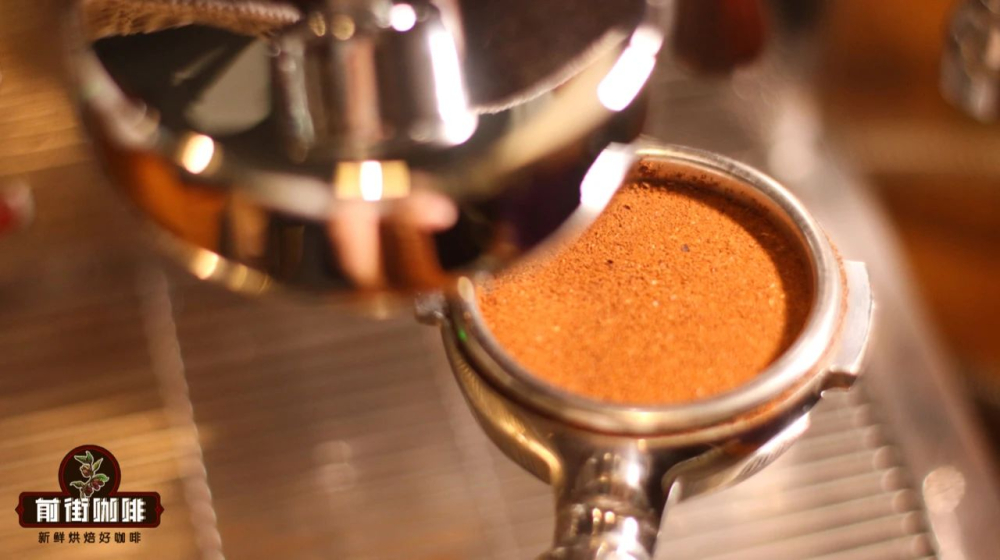
The espresso extracted from washed Gedingding lost its crema very quickly—before hot water was even poured, only a thin layer of crema remained. The hot Americano still performed well, rich in citrus notes, with a smooth and full mouthfeel, and the finish is white floral notes; the only shortcoming is that the finish is somewhat short.
When made into a latte, it's not ideal—the whole cup tastes very weak, and it doesn't bring out the milk's sweetness like Floral Queen did; it feels like the coffee and milk repel each other.
Finally, test Dorothy. Because Dorothy showed a "white peach oolong" flavor when brewed as pour-over, Front Street also calls it "White Peach Oolong." Front Street also adjusted the parameters for this bean: 20g dose, 10 seconds pre-infusion, extracting 35g of coffee liquid at 6 bar pressure throughout, total time 29 to 30 seconds. The resulting espresso gives off an intense peach aroma.
Hot Americano and hot latte were likewise made for comparison. Having learned a lesson from Gedingding, this time Front Street directly extracted the coffee over hot water. The Dorothy hot Americano is considered by Front Street to be the best-tasting of the three beans, with a rich peach flavor, creamy texture, and oolong tea finish, fully on par with pour-over coffee.
When made into a hot latte, it gives an unexpected feeling—the whole cup tastes like light cheese, surprising and interesting.
Judging from the performance of these three light-roasted beans, they all do well as Americanos, able to showcase the beans' original flavors nicely. But after blending with milk to make lattes, the flavors of light-roasted coffee are generally on the lighter side and easily masked by the momentum of the milk.
For friends who want to use light-roasted beans to make espresso, this path is viable, but to extract delicious coffee, a good amount of theoretical knowledge and repeated practice are needed to achieve it.
The above content is compiled by CoffeeHunters, a coffee news website.


