







What Happens Inside an Espresso Machine During a Shot?
Once the portafilter is locked in, espresso moves through three stages: pre-infusion, main extraction and the end of the shot. Pre-infusion releases water without pressure for about 2 to 3 seconds so the grounds degas, main extraction draws sour, sweet and bitter compounds in sequence, and the shot is stopped by time, liquid volume or crema color.
Pre-infusion echoes the blooming step in pour-over and helps prevent channeling; running it at the usual 9 bar can perforate the coffee bed. Older machines without pre-infusion depend more on adequate resting of the beans. This is the logic behind espresso machine how it works, a process that has been refined since the first espresso machine 1822.
A proper espresso is not as simple as pressing the brew button and leaving it to fate. From the moment you lock in the portafilter, the coffee grounds go through three key stages: pre-infusion, flavor extraction, and the end of extraction. How does pre-infusion affect carbon dioxide release and channeling? During the main extraction stage, why do sour, sweet, and bitter compounds appear in sequence? Should you end extraction based on time, liquid volume, or the color of the crema? Using Front Street Coffee's blend beans as an example, this article systematically breaks down the espresso extraction process and the logic of flavor assessment, helping you adjust parameters and avoid risks during operation, and understand the details behind "one-touch extraction" that still require manual settings.
In the past, when Front Street explained espresso making, the focus tended to be on steps before locking in the portafilter, such as distribution and tamping—actions that are highly operational and have a significant impact on the final flavor.
But once the portafilter is locked onto the group head and the brew button is pressed, everything afterward seems to be entirely handed over to the machine. However, we also need to understand exactly what the coffee goes through after pressing the button in order to adjust parameters more precisely.
Stage One: Pre-infusion
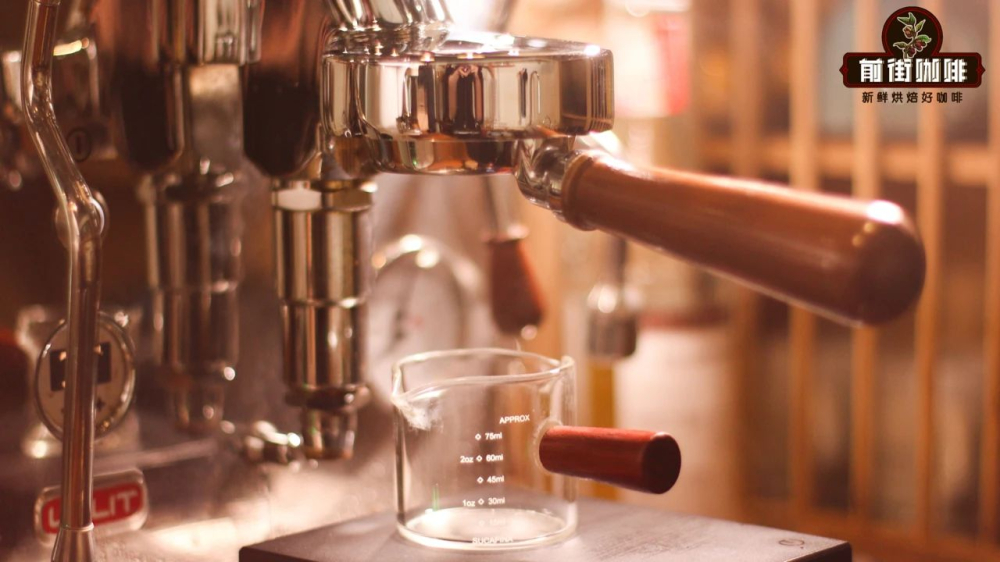
Pre-infusion works similarly to the blooming process in pour-over, using a small amount of hot water to wet the coffee grounds and help them release carbon dioxide. Some older coffee machines do not have a pre-infusion function, which places stricter requirements on the resting period of espresso beans. If the resting time is insufficient, a large amount of carbon dioxide remains in the beans, and the espresso's flavor will taste thin with crema that is rather coarse.
Today most coffee machines are equipped with a pre-infusion function. The standard operation is to release water without pressure for about 2 to 3 seconds after locking in the portafilter, then stop, allowing the coffee grounds to absorb water, expand, and degas, thereby improving the efficiency and stability of the subsequent extraction.
The pre-infusion water delivery stage does not require pressure. If you pre-infuse at the usual 9 bar, you are very likely to break through the surface of the coffee bed and cause perforation—that is, channeling.
The pre-infusion time setting is directly related to bean freshness. The fresher the beans, the longer the pre-infusion time needed to release carbon dioxide. Pre-infusion is usually kept between 5 and 10 seconds, and can be flexibly adjusted according to actual conditions.
Electronic coffee machines are simple to operate—just set the pre-infusion seconds and extraction is completed with one touch. For manual models with a pre-infusion function, you need to manually control the pressure and the flow rate from the group head.
Stage Two: Flavor Extraction
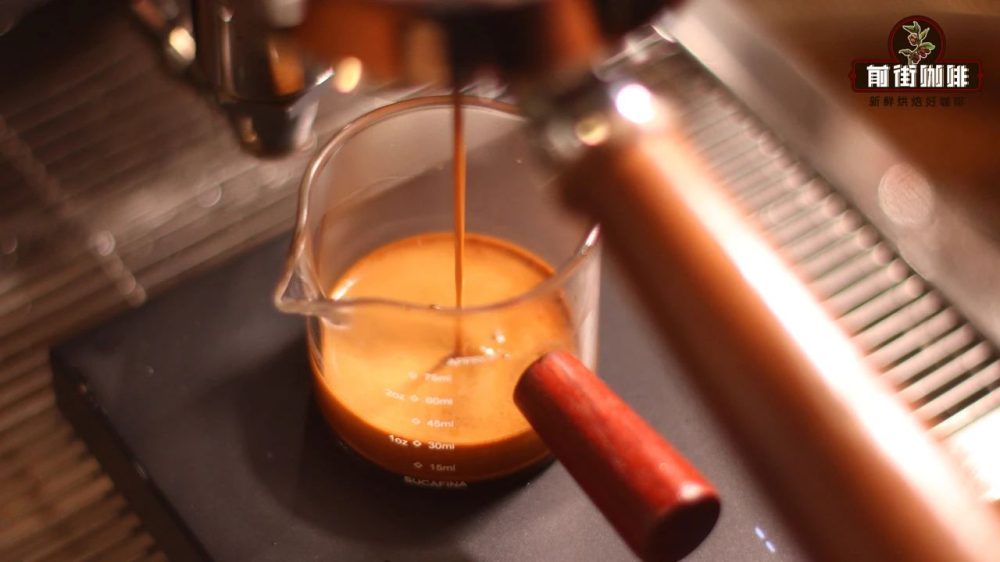
After pre-infusion is complete, the main extraction stage begins. The group head hits the puck at 9 bar, and the already wetted coffee grounds rapidly dissolve out flavor compounds. Under normal conditions, once pre-infusion ends and the gauge reaches 9 bar, the coffee liquid begins to flow.
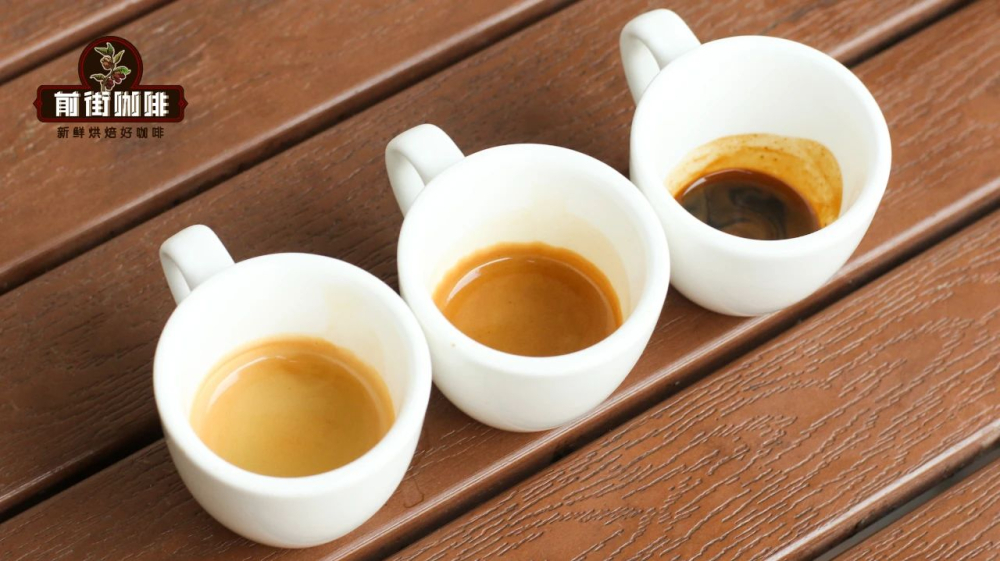
The first compounds extracted are intense sour notes, followed by sweet compounds, and finally bitter compounds. If you use three cups to separately catch the beginning, middle, and end of the espresso, you will find that the beginning has the darkest crema, brown in color and highest in concentration, with a strong sharp acidity on the palate; the middle has slightly lighter crema, golden in color, with better flow and lower concentration than the first cup, and a more balanced taste; the end has thin, pale yellow crema and tastes like a mix of mild bitterness and sweetness, similar to barley tea.
The taste of espresso depends on the coffee beans used. Take medium-dark roasted espresso beans as an example: Front Street Black Cocoa Basic Blend and Front Street Specialty Blend highlight nutty aroma and sweetness; if you choose Front Street Classic Blend and Front Street Commercial Blend, these two recipes designed for milk coffee, the coffee will show low acidity and a mellow, full-bodied character.
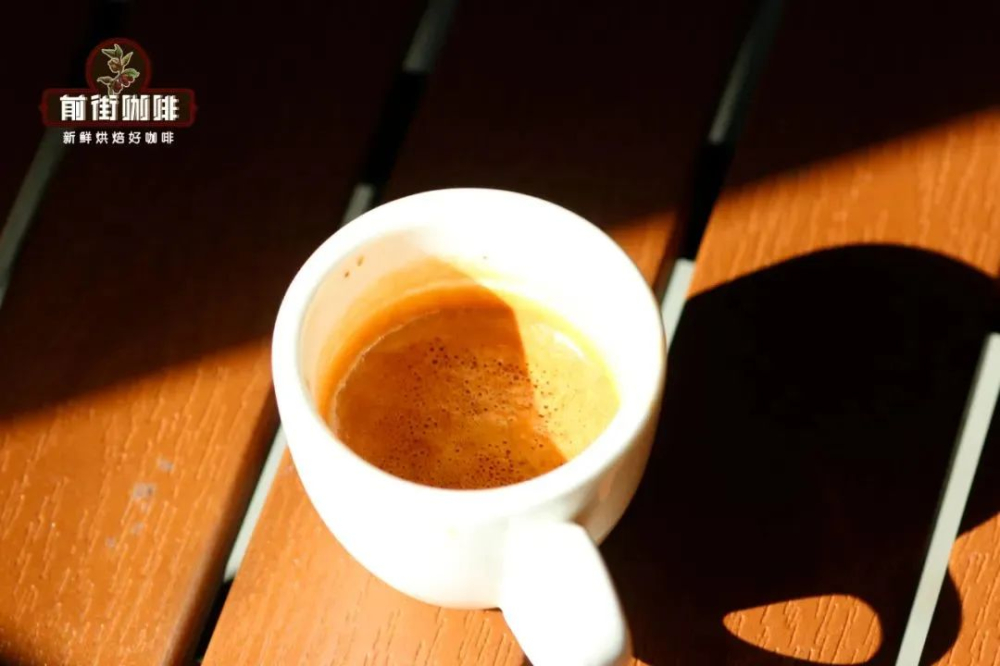
For drinkers who prefer low bitterness and floral-fruity notes, baristas will recommend Front Street Strawberry Candy Espresso Blend. Coffee made with it naturally carries notes of rose, grape, dried blueberry, berries, and almond; an Americano is bright and refreshing with balanced sweetness and acidity, while a latte has a creamy, cookie-like smoothness.
Stage Three: Ending Extraction
When is an espresso considered to have finished extracting? Should you stop based on time, liquid volume, or the moment you observe the crema turning pale?
Front Street believes you should judge by combining all three. The crema turning pale is actually a signal that the good-tasting compounds have already been extracted and you should stop. Many times extraction ends even before the crema turns pale, because paleness means some less pleasant flavors have already been extracted; it is just uncertain whether the amount is enough to affect the flavor, so this risk is usually avoided in advance.
But ending early also has risks—it may cause the espresso to lack a finish, resulting in a taste that is too intense with a short aftertaste. Therefore, time and liquid volume are needed as auxiliary references. Time refers to the commonly cited 20 to 30 seconds, which is not a hard rule but merely a reference standard...
Even for a semi-automatic coffee machine with a one-touch extraction function, in addition to basic operations like distribution and tamping, you must also understand the extraction process behind that one touch—after all, this "one touch" still requires manual settings.
The above content is compiled by CoffeeHunters, a coffee news website.


