







Search Results for: Pour-Over Experiment
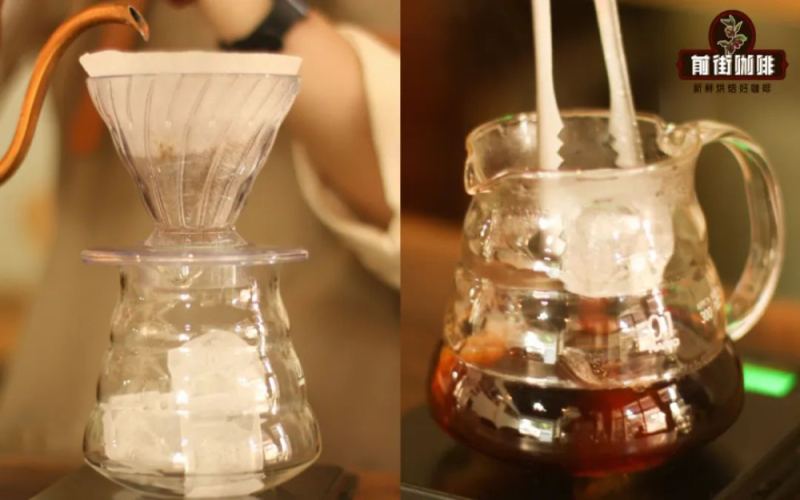
Comparing Ice Timing for Iced Pour-Over Coffee: Ice First or Ice Last? A Detailed Guide to the Differences and Experiment Conclusions
Should you add ice first or ice last when making iced pour-over coffee? This question may seem like a mere difference in procedure, but behind it may lie the preservation and release of coffee flavors. Front Street Coffee once mentioned the Paragon ice ball in an article; its principle is to lock in volatile aromas by rapidly cooling the coffee liquid, allowing the drinker to experience a richer coffee flavor. Inspired by this, we restarted the experiment, using the same Colombian Frontera Estate washed Geisha, to compare the differences between adding ice first and adding ice last in iced pour-over coffee in terms of operation, temperature, aroma, and taste. The experiment strictly controlled the ratios of coffee grounds, water, and ice, and corrected for differences in tasting time. What was the final result? Is there really an obvious difference between the two? This article will reveal the answer for you. [more…]
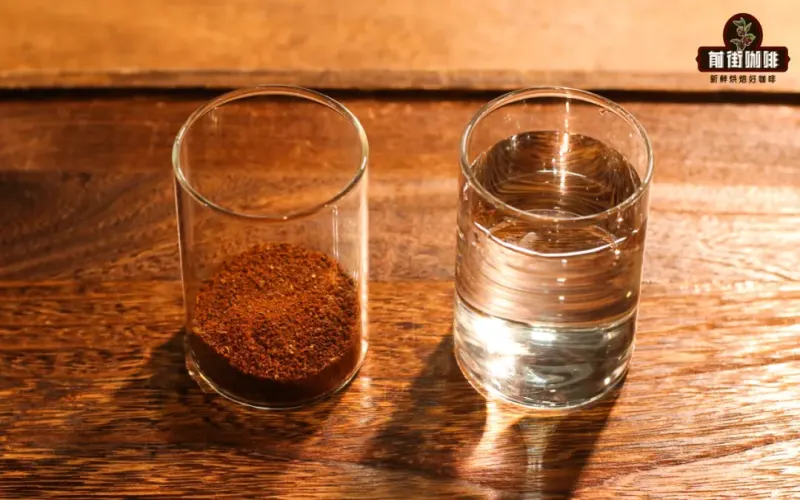
A Complete Guide to Pour-Over Coffee Ratios: How Much Water for 15g of Coffee? A Concentration Experiment Tells You the Answer
How exactly should the coffee-to-water ratio for pour-over coffee be set? How much water is actually needed for 15 grams of coffee grounds? This is a common confusion for many enthusiasts. Starting from a controlled experiment at Front Street, this article visually demonstrates how the coffee-to-water ratio affects coffee strength: with all other conditions unchanged, brewing at three ratios of 1:10, 1:15, and 1:20 yielded measured strengths of 1.93%, 1.35%, and 1.04% respectively. Through this set of data, you will clearly understand the inverse relationship between water volume and strength, and learn to adjust your own brewing plan accordingly. [more…]
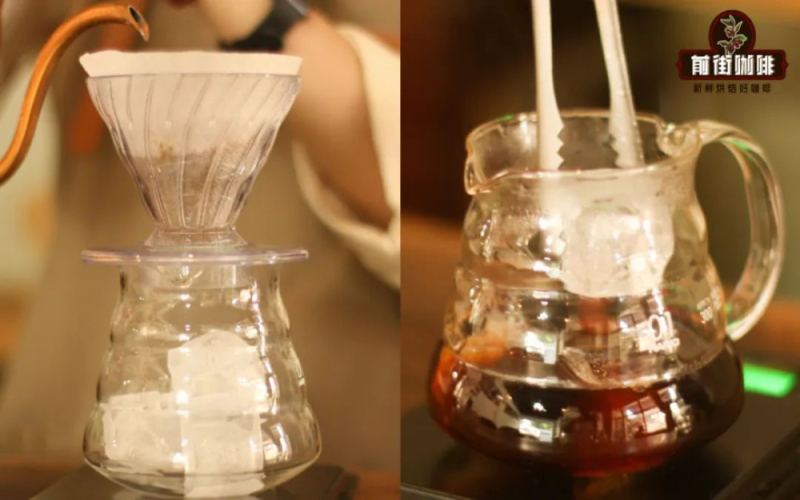
Iced Pour-Over Coffee Ice Timing Comparison Experiment: How Does Adding Ice First vs. Adding Ice Later Affect Flavor and Strength?
In the preparation of iced pour-over coffee, should the ice be placed into the server in advance, or added only after brewing is complete? This question appears to concern only the order of operations, yet it may affect the cooling speed of the coffee liquid, the retention of aroma, and the final concentration. Front Street Coffee used a washed Geisha from Colombia's Finca La Divisa as a sample, and by controlling the coffee-to-water-to-ice ratio, grind size, water temperature, and brewing technique, conducted a comparative tasting of the two methods—"ice first" and "ice after"—while recording temperature and flavor changes at different time points. The experiment attempted to answer: does the order of adding ice truly produce a perceivable difference, or is it merely an illusion caused by the time gap? [more…]
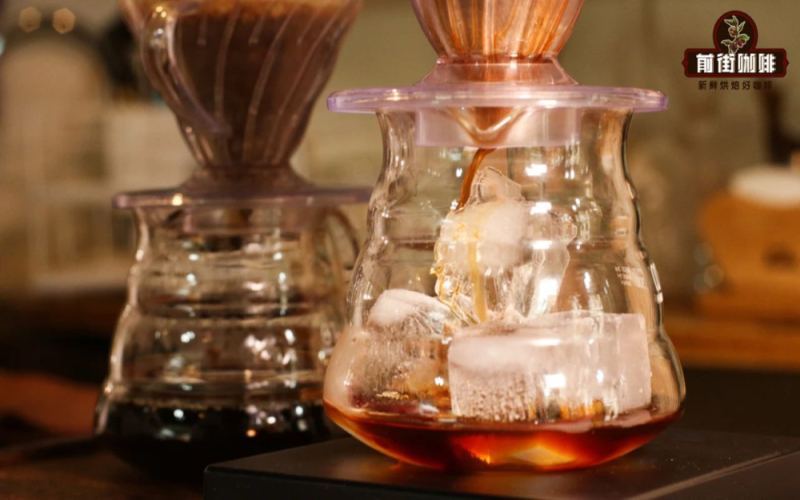
Comparison of Ice Addition Timing for Iced Hand-Brewed Coffee: An Analysis of Front Street's Japanese-Style Iced Hand-Brew Parameters and Sensory Differences
Should ice be added before or after brewing when making iced pour-over coffee? This question puzzles many coffee lovers. Front Street Coffee conducted a controlled experiment using 15 grams of Kaffa Forest coffee beans, a 1:10 coffee-to-water ratio, a water temperature of 90-91°C, and a grind setting of 9 on an EK43s grinder, testing two brewing sequences: ice added first and ice added last. The experiment found that after thorough shaking, the two methods performed quite similarly overall, but the coffee with ice added first tasted cleaner and more refreshing, while the one with ice added last had a more concentrated and intense aroma. The root of the difference lies in how much ice melts. This article will present the complete experimental parameters, step-by-step procedure, and sensory comparison results to help readers understand how the timing of ice addition affects the flavor of iced pour-over coffee. [more…]
How Does Roast Level Affect Coffee Flavor? A Comparative Experiment Between Cold Brew and Pour-Over Extraction Methods
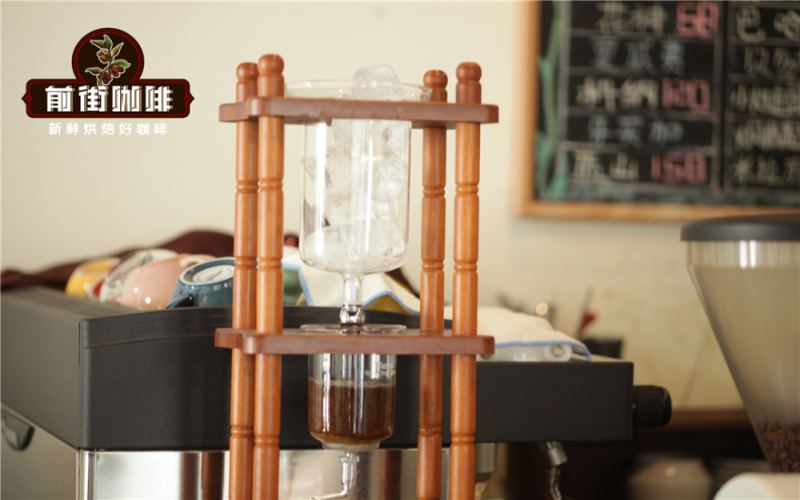
The flavor expression of coffee depends not only on the quality of the green beans, but is also closely related to the degree of roasting and the extraction method. In this experiment, coffee beans at three different roast levels—light, medium, and dark—were selected and extracted using two methods, cold drip and pour-over, to compare their specific differences in aroma, acidity, mouthfeel, and aftertaste. Light roast in cold drip presents fresh notes of citrus, jasmine, and honey, while pour-over shows bright acidity and a clean mouthfeel; medium roast in cold drip brings the sweetness of rose, grape, and blueberry, while pour-over presents the richness of chocolate and caramel; dark roast in cold drip has a pronounced oily body and a smooth mouthfeel, while pour-over is intense with a slight burnt bitterness. The article also recommends representative Front Street Coffee beans for each roast level, providing a reference for coffee lovers when purchasing and brewing. [more…]
How Does Cup Temperature Affect Coffee Flavor? A Comparative Experiment on Preheating vs. Chilling a Pour-Over Coffee Cup
Coffee aroma is volatile, and the higher the temperature, the faster it dissipates, so some have proposed using low-temperature containers to lock in the aroma. Front Street Coffee compared three types of pour-over coffee vessels—a high-temperature cup, a room-temperature cup, and a frozen cup—to test whether cup temperature truly affects coffee aroma and flavor performance. The experiment used Kenya Asaliya coffee beans with uniform brewing parameters, and the results showed that cup temperature mainly changes the temperature of the coffee when it enters the mouth, rather than the amount of aroma, but temperature differences do indeed cause noticeable changes in flavor perception. This article will present the experimental process and conclusions in detail, and offer cup selection suggestions for different weather conditions. [more…]

How Does Water Temperature in Pour-Over Coffee Affect Extraction Flavor? A Comparative Experiment and Selection Guide from 80°C to 96°C
Among the many variables in pour-over coffee, water temperature has a particularly direct impact on the extraction result. It not only determines the speed and sequence with which flavor compounds are released from the coffee, but also ultimately shapes the acidity, sweetness, bitterness, and body of a cup of coffee. In this article, through comparative experiments conducted by Front Street Coffee using washed Yirgacheffe beans, five water temperature groups of 80°C, 86°C, 90°C, 93°C, and 96°C were used for brewing, recording the flavor differences and analyzing the relationship between water temperature and extraction yield and concentration. At the same time, the article also provides the recommended water temperature ranges for light-roasted and dark-roasted coffee beans in daily brewing, helping coffee enthusiasts make more suitable choices for different beans. [more…]
Can an Espresso Machine Make Pour-Over? A Comprehensive Analysis of Pour-Over Coffee Grind Size and Brewing Methods
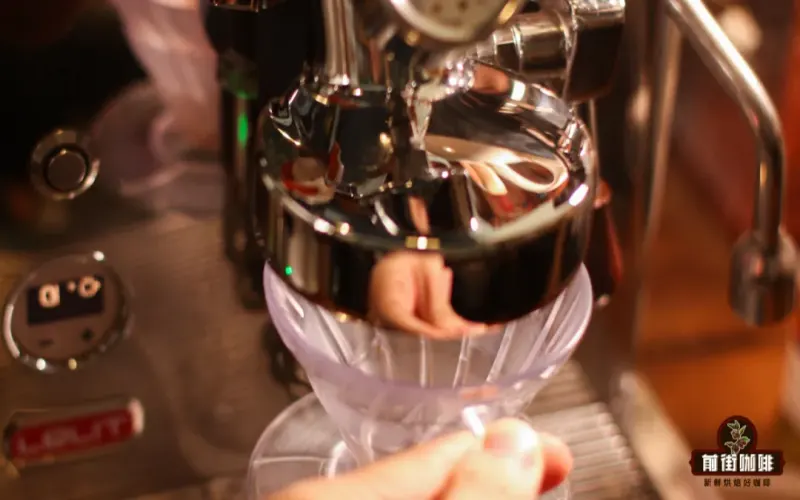
When the size of a pour-over dripper happens to match the brew head of an espresso machine, an interesting question arises: can an espresso machine be used to make pour-over coffee? This article starts with a theoretical analysis, exploring the feasibility and limitations of brewing pour-over with an espresso machine, and then, through a practical brewing experiment using beans from Elida Estate Catuai, combined with specific parameters and operating steps, verifies the final cup quality. If you are interested in the principles of coffee extraction and the cross-use of brewing equipment, why not join Front Street Coffee and see what surprises this experiment can bring. [more…]
Ninety Plus Candle Glow Coffee Flavor Analysis: Roasting Key Points and Brewing Grind Adjustments for Natural Sidamo
Candlelight Coffee is a naturally processed Ethiopian bean from the LevelUp series by Ninety Plus, named for its flavor profile. It comes from the Sidama region, and its name means "the best way" in the local dialect. This article begins with the background of the Ninety Plus brand, then outlines Candlelight's origin characteristics, flavor expression, and roasting approach. It also documents a grind size comparison experiment conducted by Front Street Coffee using the same batch of beans, examining how different grind coarseness affects TDS concentration and the drinking experience. The article also organizes the N2, H2, and W2 labeling logic that Ninety Plus uses to classify flavor directions, helping coffee enthusiasts understand what makes this bean unique and how to adjust their brewing. [more…]
Is Iced Water Pour-Over Coffee Feasible? Bean Selection and Practical Steps, with a Soda Water Brewing Experiment
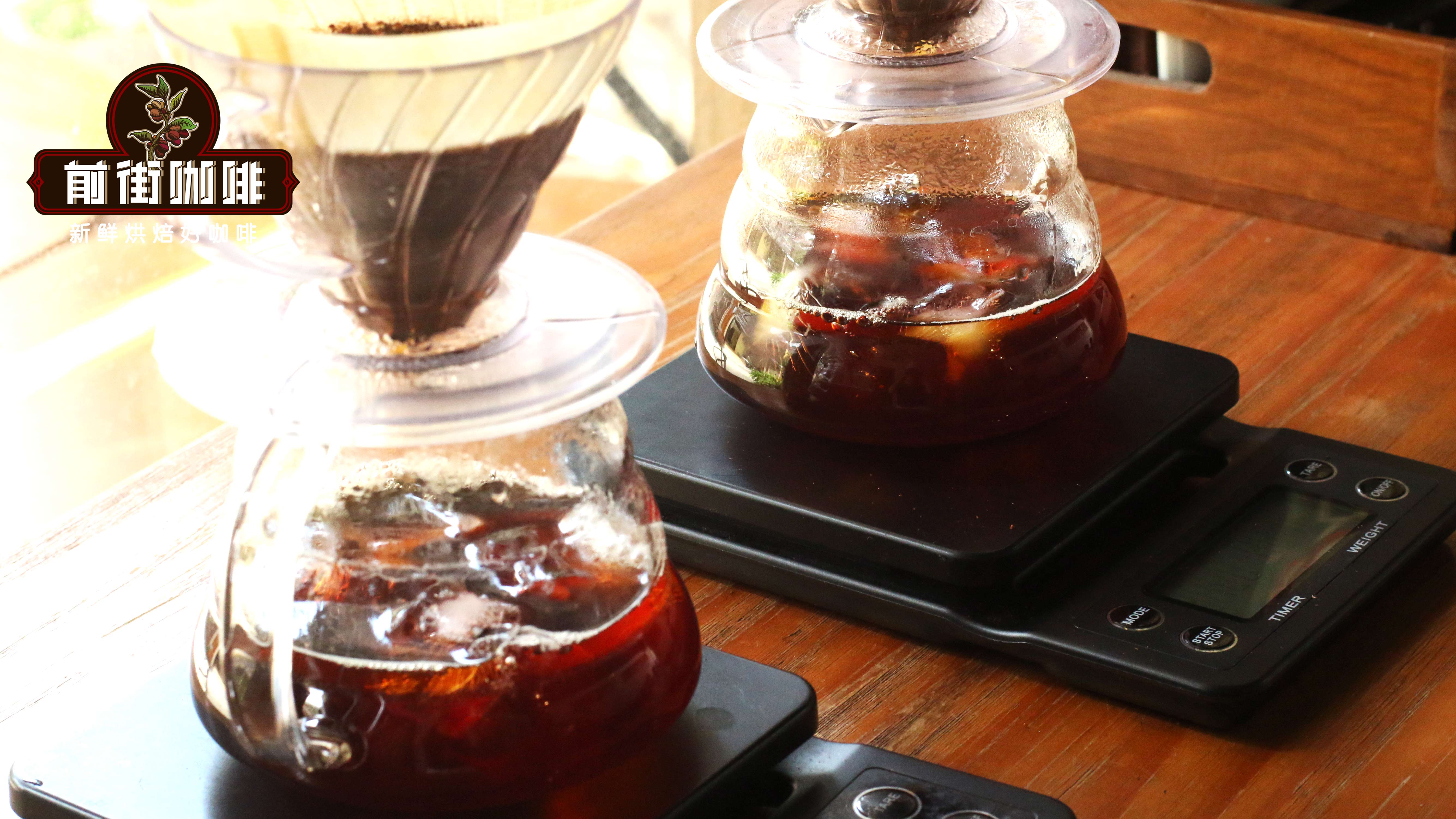
In the past, the iced pour-over recipes we shared mostly involved pouring hot coffee directly over ice to cool it down—a Japanese-style approach. This time, Front Street Coffee wants to try something different—extracting coffee with ice water the whole way through. Ice water is low in temperature and poor at extraction, so it may not seem very reliable, but once you understand the balance between grind size, water temperature, and pouring method, you can actually find a reasonable brewing path. This article will first explain the idea behind brewing coffee with ice water, then use the Costa Rica Strawberry Candy bean as an example to give the dripper choice, grinding parameters, and complete brewing steps, and finally add an extra experiment using soda water instead of ice water to see how the taste changes. [more…]
How can an automatic pour-over coffee machine brew good coffee? Which coffee beans are suitable for American-style fully automatic models?
As technology continues to advance, coffee brewing has entered the era of automation. Automatic milk frothing and automatic latte art have long been commonplace, so can the ritual-rich pour-over coffee also be entrusted to a machine? This article, through a comparative experiment between an automatic brewing coffee machine and manual pour-over, uses the same Front Street Golden Mandheling, comparing grind size, coffee-to-water ratio, water temperature, and brewing technique one by one. The experiment not only tested whether the extraction yield fell within the golden cup range, but also conducted tasting from dimensions such as flavor layering and body thickness. At the same time, the article also provides suggestions for coffee beans suitable for pairing with automatic pour-over coffee machines, covering different roast levels and flavor orientations, helping enthusiasts choose equipment and beans more rationally. [more…]
Should You Wet the Filter Paper for Pour-Over Coffee? An Experiment Reveals the Answer from Three Dimensions: Liquid Volume, Concentration, and Taste
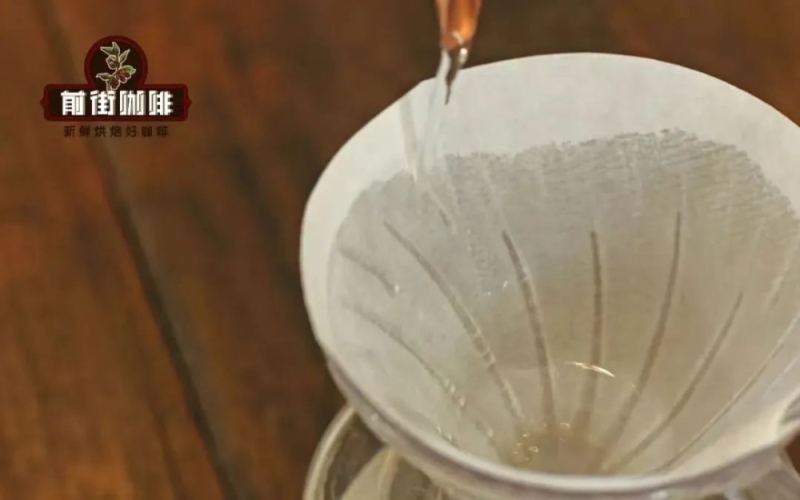
When brewing pour-over coffee, should the paper filter really be pre-wetted? This question seems minor, yet it can affect the final liquid volume, concentration, and flavor expression. This time, Front Street Coffee used two drippers, the V60 and Origami, along with two types of filters, conical and cake, to conduct comparative brews with wetted and non-wetted filters, comparing the differences one by one from liquid weight and refractometer data to actual tasting. At the same time, the article also explains in depth why the blooming stage should use twice the amount of water as the coffee grounds, and why the portion of liquid that first contacts the coffee grounds has a lower concentration. If you have also agonized over this detail, you may as well follow the experimental data and see it clearly. [more…]
Costa Rica Mozart Coffee Beans: A Three-Temperature Pour-Over Experiment—A Full Analysis of the Raisin Honey Process Flavor from Canet Estate
Costa Rican coffee is famous for its honey processing method, and Hacienda Cannet's Musician Series is among the best of the best, especially a raisin honey-processed Mozart coffee bean whose dry and wet aromas are both impressive. To investigate the effect of water temperature on the flavor expression of this bean, Front Street Coffee conducted comparative pour-over experiments at 93°C, 90°C, and 87°C, recording everything from aroma, acidity, and sweetness to the finish. This article will begin with the background of Hacienda Cannet, the origin of the Musician Series names, the green bean information, and the processing characteristics of the raisin honey method, then present in detail the brewing parameters and flavor differences of the three water temperatures, and finally offer brewing recommendations suitable for this Mozart coffee bean. [more…]
Ice Cube Dosage and Coffee-to-Water-to-Ice Ratio Tips for Iced Pour-Over Coffee: Looking at the Difference Between Aged Ice and Young Ice from Front Street Experiments
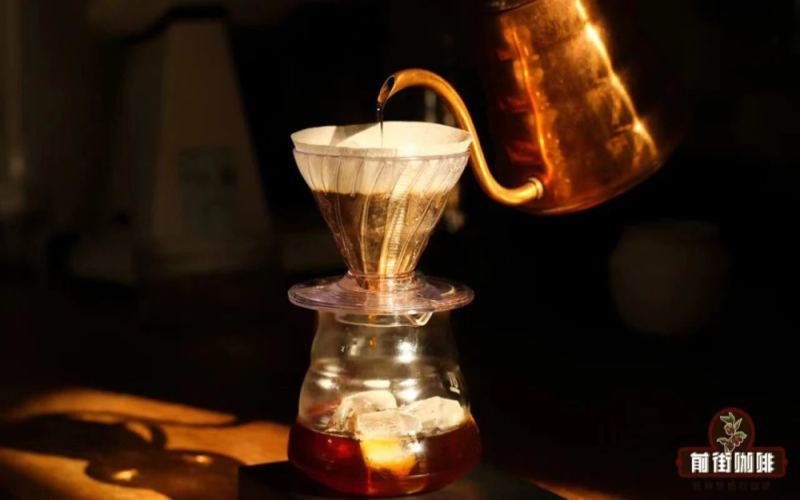
When making iced pour-over coffee in summer, the most agonizing decision is often not which beans to choose, but exactly how much ice to throw in. Too little ice and the coffee turns lukewarm; too much and it becomes thin as water. A slight deviation in ratio and it's easy to mess up. This article focuses on the two core functions of ice in iced pour-over—cooling and dilution—breaks down the reasonable ratio range among coffee grounds, water, and ice, and shares a comparative experiment about old ice versus young ice. The experiment uses 15 grams of Emerald Estate Green Label Geisha with a Hario V60 dripper, revealing through actual testing how freezing time affects ice hardness and melting speed. If you also want to consistently make a cup of iced pour-over at home with moderate strength and lasting chill, the following content is worth reading to the end. [more…]
Moka Pot and Estate Beans: An Espresso-Style Experiment with Niche Varieties
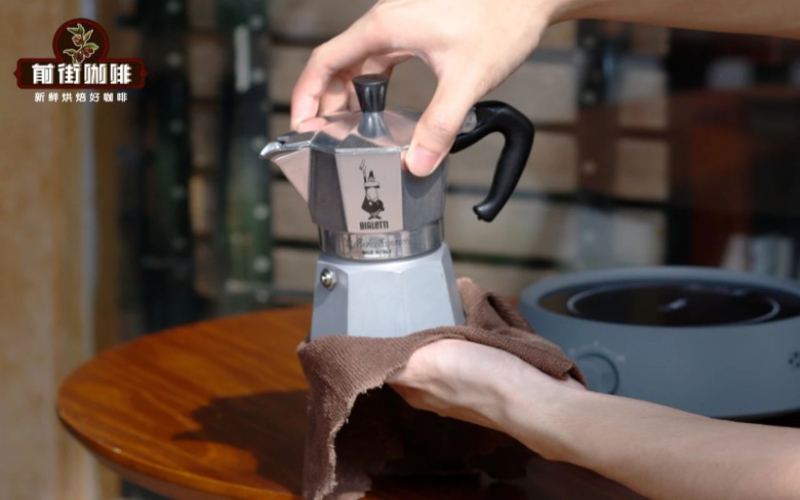
Using a moka pot to brew estate-grade single-origin beans strikes many people as a waste of good coffee: shouldn't good beans be used for pour-over? But if you look at it from another angle, the moka pot is a very low-barrier high-concentration extraction device for home use, and expressing estate beans in a different way often reveals a side you can't see in pour-over. This round of experiments is about taking a few [more…]
How to determine the pouring ratio for the three-stage pour-over method? A practical analysis of water distribution between the second and third pours
The three-pour method is a common pouring technique in pour-over coffee, but many enthusiasts are unclear about how exactly the water should be divided between the two pours after the bloom. This article uses 15 grams of coffee at a 1:15 coffee-to-water ratio, selecting Front Street 2013 Yunnan Arabica Typica for a comparative experiment, setting up three schemes: a larger second pour, two equal pours, and a larger third pour, and analyzes the flavor differences in terms of acidity, body, and aftertaste. The experiment shows that the more water allocated to a given pour, the higher the extraction efficiency of soluble substances during that stage, and that the height of the coffee bed wall and the rate of water level descent are key references for judging the pouring rhythm. [more…]
How do you use a drip coffee maker? What coffee beans are more suitable for a fully automatic model?
As coffee equipment continues to evolve, automatic brewing machines can already complete a series of actions such as pouring water, rotating, and dripping, and even automatic milk frothing and latte art are no longer rare. So, how exactly do you use these American-style drip or fully automatic coffee machines? What coffee beans are they suitable to pair with? How does the flavor they brew differ from manual pour-over? This article uses a comparison experiment at Front Street Coffee as a thread to fully recreate the operating process and parameter settings of automatic brewing, and from the perspectives of extraction concentration and flavor layering, analyzes the respective advantages of machine brewing and manual pour-over, while also giving coffee bean purchasing suggestions for different taste preferences, helping coffee enthusiasts view automated brewing more rationally. [more…]
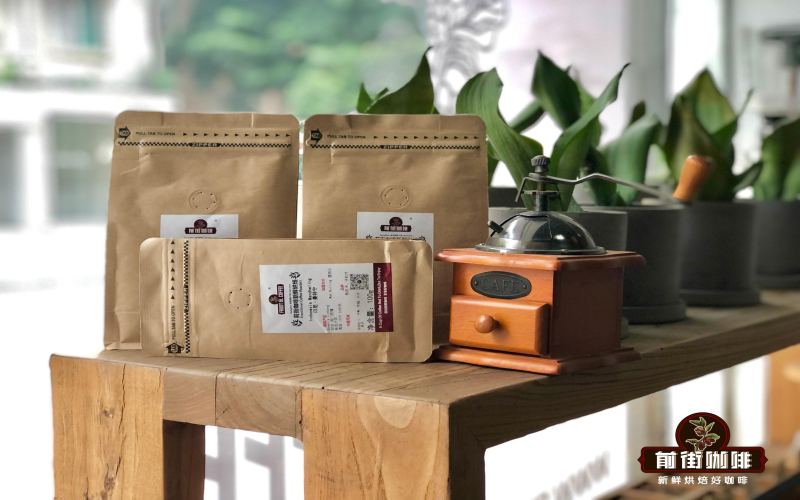
Analysis of Flavor Differences Between Pour-Over Coffee and Espresso Machine Output, with Five Front Street Coffee Everyday Bean Recommendations
Around the question of "Is pour-over coffee really better tasting than coffee from a machine?", Front Street conducted experiments comparing the essential differences between the two in aspects such as pouring method and temperature control. Because pour-over coffee allows flexible adjustment of factors such as water temperature, grind size, and pouring technique, it can customize extraction plans for beans with different roast levels, presenting a fuller and clearer flavor hierarchy; whereas the factory settings of a coffee machine limit this flexibility. The article also introduces brewing parameters corresponding to light roast and medium-dark roast beans, and recommends five classic regional representatives from Front Street's everyday beans series for pour-over enthusiasts to practice and explore. [more…]
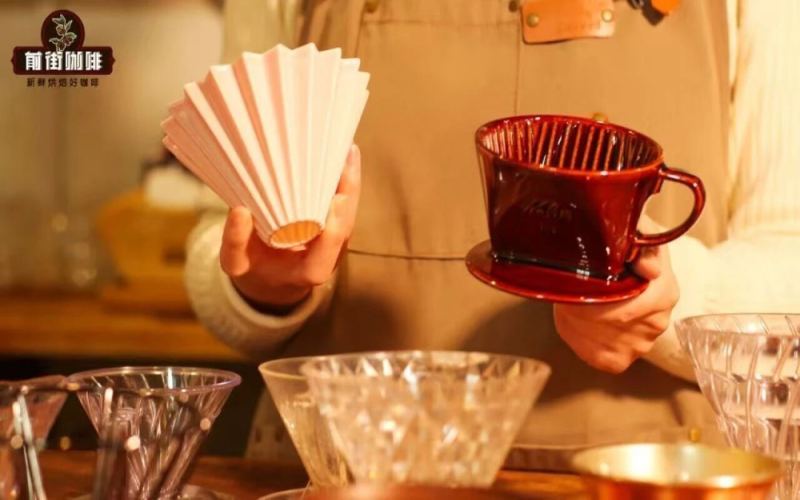
V60 vs YASUKIYO Wooden Dripper Pour-Over Comparison: A Flavor Difference Experiment Using the Same Beans and Method
The shape, drainage holes, and rib design of different drippers directly affect water flow rate and degassing, which in turn lets the same coffee bean present completely different flavor directions. In this session, Front Street Coffee conducted a comparative brew using the V60 and the YASUKIYO wooden dripper, with completely identical parameters and technique, keeping the process as rigorous as possible from blooming to pouring rhythm, aiming to observe the actual impact of the two drippers on extraction results. The experimental bean was Front Street 2013 Yunnan small-batch Typica. By comparing brew time and cupping flavors, we explore which types of coffee suit the flushing characteristics of the V60 and the horizontal rib structure of the YASUKIYO, and offer corresponding Front Street bean pairing suggestions. [more…]

AeroPress Cold Brew Experiment: Iced Coffee Brewing Notes for Yirgacheffe and Nicaragua
If you want a refreshing iced coffee in the summer, the AeroPress is a device worth trying. It combines immersion, paper filtration, and pressure extraction to produce a clean-tasting, high-concentration coffee liquid. This article documents the entire process of an AeroPress iced coffee experiment using Front Street Yirgacheffe washed Gedingding and Nicaraguan beans, including the bean selection approach, specific brewing parameters, and operating steps. By adjusting the grind size, water temperature, and coffee-to-water ratio, then cooling and diluting with ice cubes, the result is a cup of iced coffee with balanced acidity and sweetness and a fresh mouthfeel. The article also shares bean recommendations for different flavor preferences, for coffee lovers' reference. [more…]