








Pour-Over Coffee Ratios Explained: A Concentration Experiment
Understanding the coffee-to-water ratio is key to brewing a balanced cup. This article explains a controlled experiment that tested three ratios: 1:10, 1:15, and 1:20. With 15 grams of coffee, these ratios use 150g, 225g, and 300g of water. The results showed that as water increases, concentration decreases. This knowledge helps you adjust your brewing to suit your taste.
To apply these findings, start with a 1:15 ratio for a standard cup. If you prefer a stronger flavor, use less water, such as a 1:10 ratio. For a lighter taste, try a 1:20 ratio. Remember that other factors like grind size and water temperature also affect the final cup, but the ratio is a fundamental starting point. Experiment and adjust to find your ideal balance.
How exactly should the coffee-to-water ratio for pour-over coffee be set? How much water is actually needed for 15 grams of coffee grounds? This is a common confusion among many enthusiasts. Starting from a controlled experiment at Front Street, this article intuitively demonstrates how the coffee-to-water ratio affects coffee concentration: when other conditions remain unchanged, brewing with three ratios of 1:10, 1:15, and 1:20 yields measured concentrations of 1.93%, 1.35%, and 1.04% respectively. Through this set of data, you will clearly understand the inverse relationship between water amount and concentration, and learn to adjust your own brewing plan accordingly.
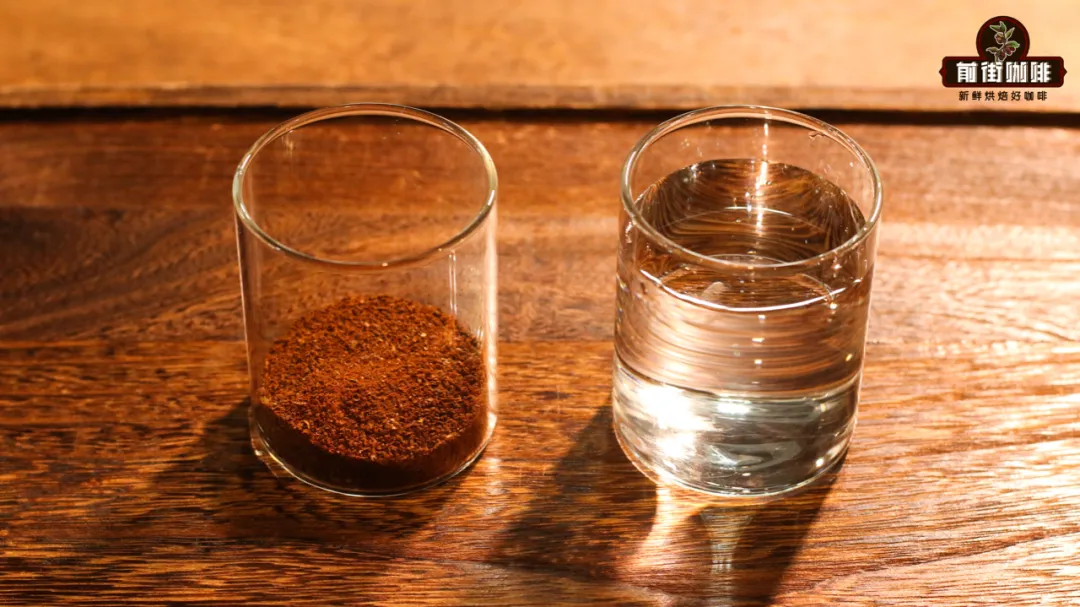
To determine an appropriate coffee-to-water ratio for brewing a good cup of coffee is actually not as complicated as imagined. But before getting started, we need to first understand: what exactly does the coffee-to-water ratio affect?
What effect does the coffee-to-water ratio have on coffee?
In short, what the coffee-to-water ratio most directly affects is the "concentration" of the coffee, something that other brewing variables can hardly replace. Assuming all other conditions remain consistent, a smaller coffee-to-water ratio makes the coffee taste weaker; a larger coffee-to-water ratio causes the concentration to rise accordingly.
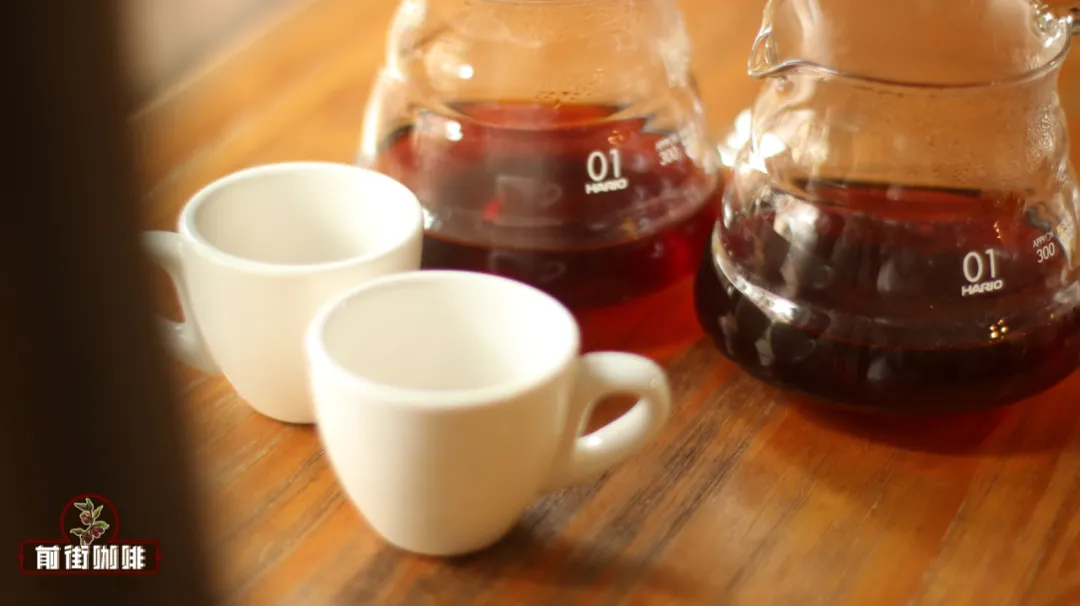
This may sound a bit abstract, so Front Street might as well use a comparative experiment done previously to illustrate: under the premise that all other parameters remain unchanged (including time) , brew one pot of coffee each with the three coffee-to-water ratios of 1:10, 1:15, and 1:20 in sequence. Then measure with a concentration meter, and the concentrations of the three pots are 1.93%, 1.35%, and 1.04% respectively. This set of data clearly shows: the more water poured in, the lower the final coffee concentration.


The above content is compiled by CoffeeHunters, a coffee news website.


