





Do automatic pour-over coffee machines brew good coffee?
An automatic pour-over coffee machine can brew coffee that falls within the golden cup range, but it does not match manual pour-over on flavor layering and mouthfeel. In a side-by-side test using the same Golden Mandheling beans, grind size, coffee-to-water ratio, water temperature and technique were compared one by one, and the machine kept extraction yield inside the accepted range.
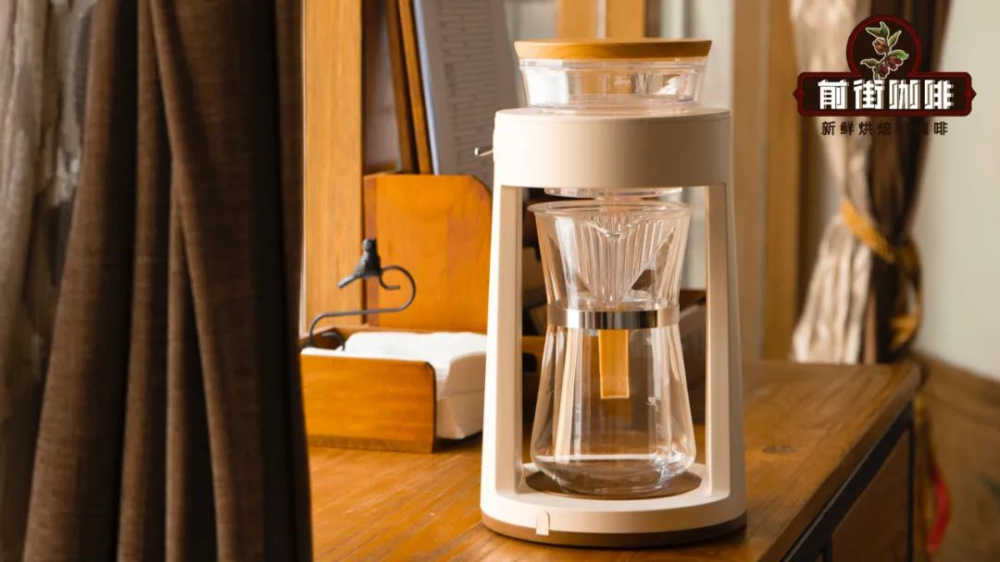
The device used in the test only handles the brewing stage, so water temperature and weighing stay manual, while fully automatic models manage both. The mechanism is the same: a rotating upper pot releases hot water through three bottom holes, producing a column at high pressure that turns into drips as pressure falls near the end of filtration. Bean choice matters, with different roast levels suiting automatic models.
As technology continues to advance, coffee brewing has entered the era of automation. Automatic milk frothing and automatic latte art have long been commonplace, so can the ritual-rich pour-over coffee also be entrusted to a machine? This article uses a comparison experiment between an automatic brewing machine and manual pour-over, using the same Front Street Golden Mandheling, comparing grind size, coffee-to-water ratio, water temperature, and brewing technique one by one. The experiment not only tested whether the extraction yield falls within the golden cup range, but also conducted tasting from dimensions such as flavor layering and mouthfeel thickness. At the same time, the article also provides coffee bean recommendations suitable for automatic pour-over machines, covering different roast levels and flavor orientations, helping enthusiasts choose equipment and beans more rationally.
Today's technology is changing with each passing day, and the coffee field is also gradually moving toward automation. Operations such as automatic milk frothing and automatic latte art have frequently appeared in the public eye in recent years. This raises a question: can a brewing method as ritual-oriented as pour-over coffee also be replaced by machines?
Out of curiosity and exploration, Front Street late at night borrowed an automatic brewing device from a neighbor that did not need to be returned, intending to personally verify how the coffee made by the machine actually tastes and what differences exist between it and manual pour-over.
This automatic brewing machine only handles the brewing stage; water temperature and weighing still need to be controlled manually. Of course, fully automatic brewing models have already appeared on the market, where even water temperature adjustment and weighing can be completed by the machine itself.
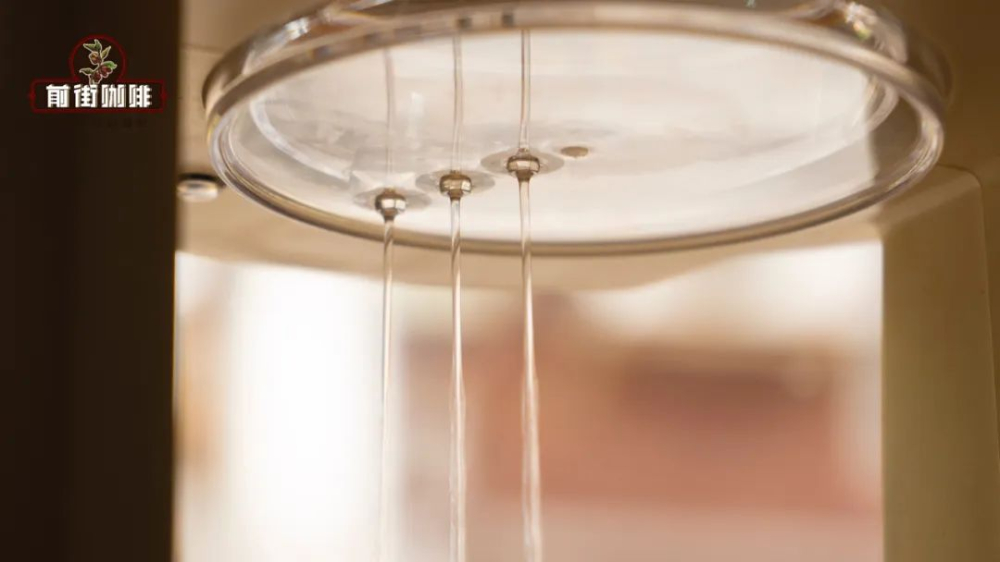
However, the impact is not significant, because their brewing principles are basically the same as this device: after turning the dial switch on the side, the upper pot begins to rotate at a constant speed, and then hot water is injected through three holes at the bottom of the upper pot.
The water output state of these three holes is affected by water pressure. When the water pressure is relatively high, the water flow appears as a column; when drip filtration is nearing the end and the water pressure drops, the water column turns into a slow drip. Without further ado, let us go directly into the experiment preparation stage.
Experiment Preparation
We selected the same coffee beans and brewed once each by machine and by hand. The following are the parameters used in this comparison.
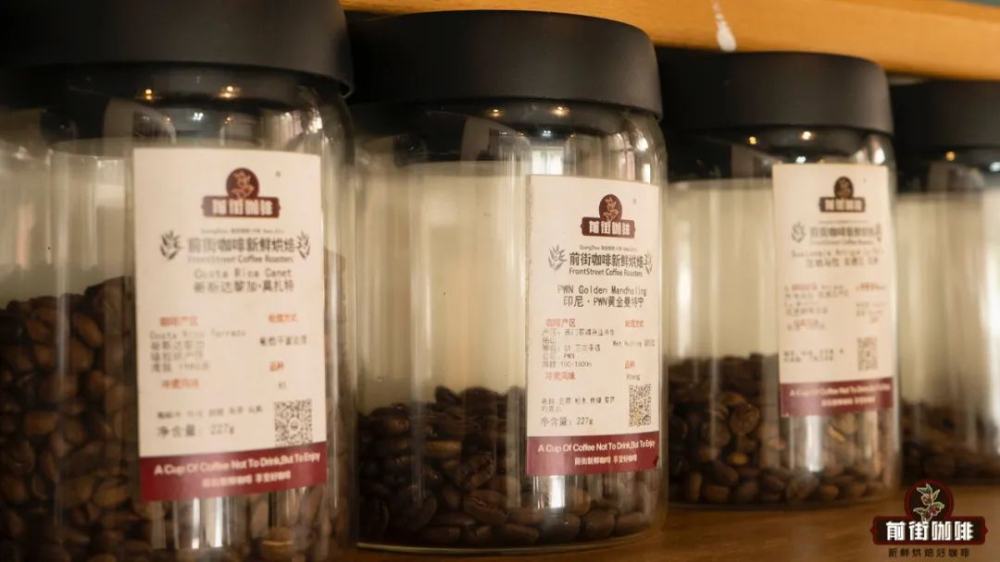
The extraction principle of the automatic coffee machine is quite close to pour-over, as both belong to the drip filtration type. Therefore, when selecting coffee beans, you can directly choose single-origin coffees according to flavor preference: if you usually cannot accept bitterness well, you can choose light-to-medium roasted Front Street Huakui, Front Street Granja Geisha, and Front Street Butterfly;
If you prefer high sweetness, medium-roasted Front Street Strawberry Candy, Front Street Sidra, and Front Street Blackberry are good choices; if you really cannot accept acidity, the barista suggests trying Front Street Mandheling, Front Street Blue Mountain No. 1, and Front Street Queen's Estate.
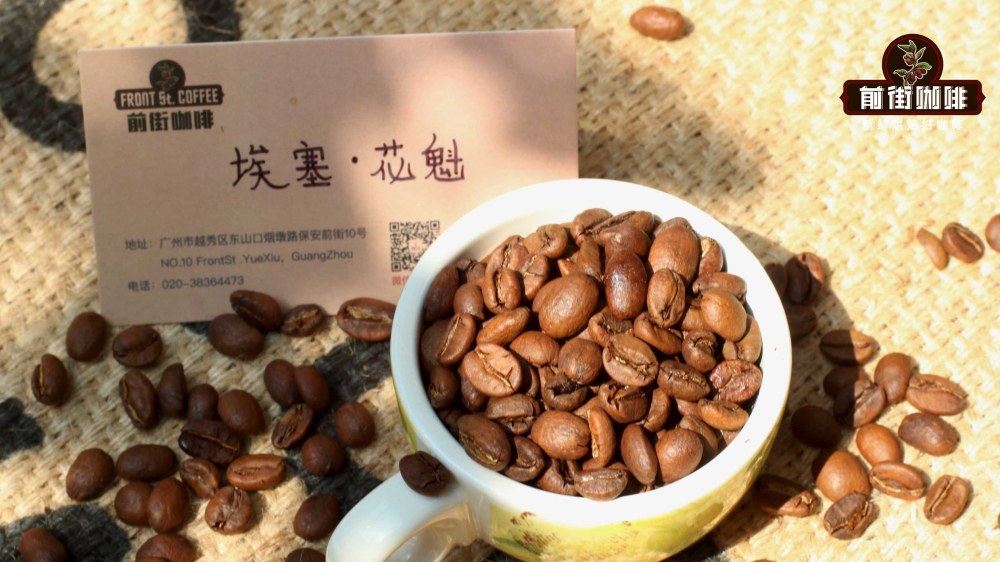
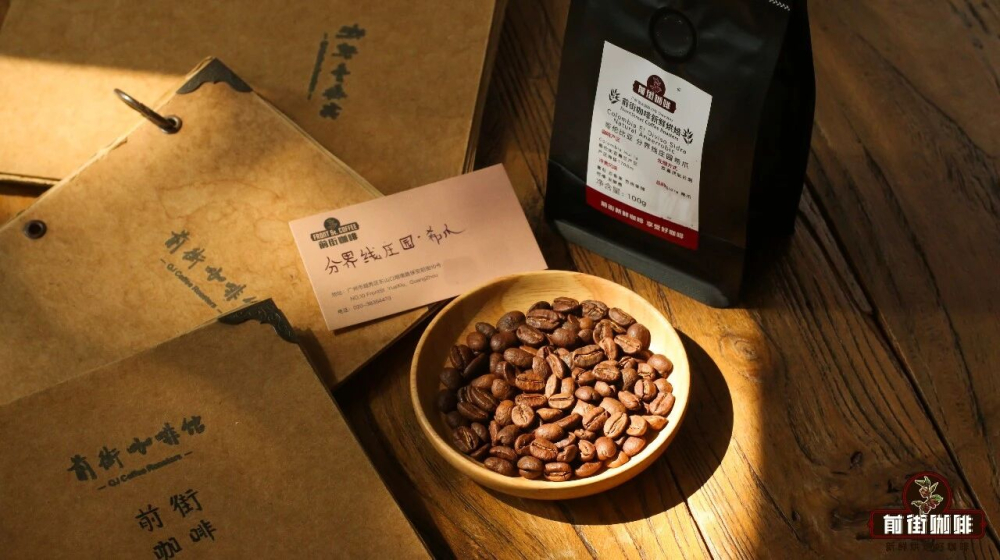
For this brewing, Front Street selected the dark-roasted "Front Street Indonesia · Golden Mandheling."
Grind size: regular grind for hot brewing. The grinder used by Front Street is an EK43, with the setting at 10.5, and a 75% passing rate through a No. 20 sieve.
Coffee-to-water ratio: 1:15 (15g coffee grounds with 225ml hot water)
Water temperature: 88°C for dark-roasted beans.
Brewing method: one-pour method.
Filter cup: the same as the automatic brewing machine, using a fan-shaped filter cup.
Experiment Begins
We have already talked enough about manual brewing normally, so we will not elaborate on it here. The main focus is to show the operation process of automatic brewing.
1. Place and wet the filter paper, then pour in the coffee grounds.
2. Turn on the side switch to make the water vessel begin rotating.
3. Pour in 30ml of hot water and bloom for 30 seconds.
4. Place the lower pot into the frame.
5. After the 30-second bloom is complete, pour the remaining 195ml of water into the upper pot.
6. After drip filtration is complete, shake evenly. Total time is about 2 minutes.
7. Take one spoonful of coffee liquid from each for concentration testing.
The extraction yield calculation formula for a coffee concentration meter (TDS tester) is: coffee liquid concentration × coffee liquid weight ÷ coffee bean/ground weight = extraction yield.
It can be seen that both brews fall within the data range of golden cup extraction. Next, we enter the tasting stage.
Through comparative tasting, it was found that the coffee brewed by machine is not as distinct in layering as manual pour-over, and the mouthfeel is not thick enough either. Overall, it leans more toward balance, but the flavor characteristics of Mandheling are still present, with nutty, pine, and chocolate notes all detectable. The manually brewed coffee, however, clearly has richer layers and also carries a prominent creamy texture.
In fact, when brewing with a machine, whether dark roast or light roast, as long as the parameters are set properly, the core flavors of each bean can be extracted, and under the premise of consistent parameters, the extraction results of each cup of coffee can be roughly the same.
But Front Street believes that the definition of a good pour-over does not necessarily stop at being delicious; more importantly, it lies in the core behind the word—"people." The same bean, because of different people and different personalities, will be brewed in different ways. The height of the water flow and the speed of circling will all make the coffee present different flavor characteristics, rather than monotonous repetition. Being able to make people feel a refreshing warmth—that is the most crucial thing.
Finally, no matter the result, if manual pour-over is changed to machine brewing, then would this cup of coffee be more appropriately called "machine-brewed coffee"?
The above content is compiled by CoffeeHunters, a coffee news website.


