







How do you use a drip coffee maker for consistent results?
Using a drip coffee maker means loading grounds in the basket, filling the reservoir, and letting the machine handle water delivery and dripping. On many automatic models, water temperature and weighing still need manual control, so preheat the water, measure your dose, and let the brew cycle finish without interrupting it. The machine's brew logic is the same across drip and automatic models.
In a comparison at Front Street Coffee, an automatic brewer rotated its upper pot and injected hot water through three bottom holes, with flow shifting from a column to a slow drip as pressure dropped. Flavor differs from manual pour-over mainly in extraction concentration and layering. Medium and medium-dark beans with steady sweetness tend to work well in automatic brewing, while delicate light roasts reward manual control.
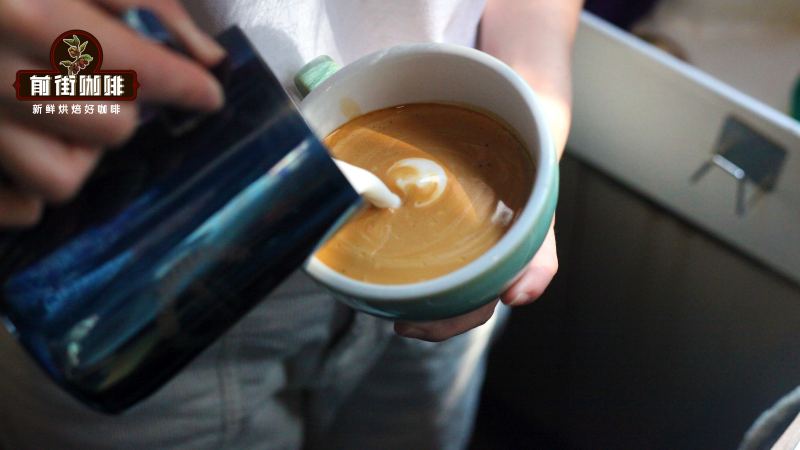
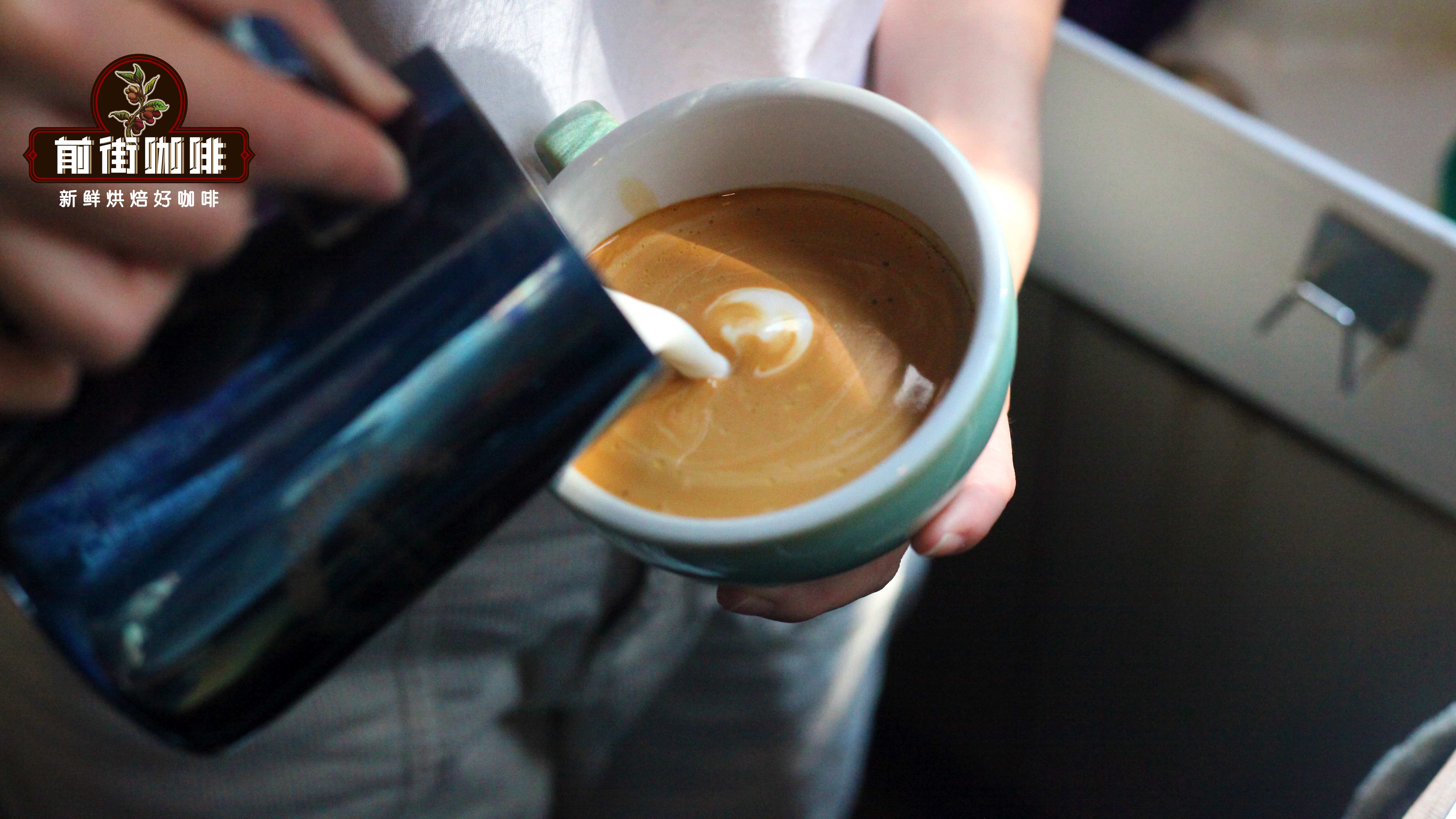
As coffee equipment continues to evolve, automatic brewing machines can already handle a whole series of actions such as pouring water, rotating, and dripping, and even automatic milk frothing and latte art are no longer rare. So how exactly do you use these American-style drip or fully automatic coffee machines? What coffee beans are they suitable for? How does the flavor they brew differ from manual pour-over? This article uses a comparative experiment at Front Street Coffee as a thread to fully reconstruct the operating process and parameter settings of automatic brewing, and from the perspectives of extraction concentration and flavor layering, analyzes the respective advantages of machine brewing and manual pour-over, while also offering coffee bean purchasing suggestions for different taste preferences, helping coffee lovers view automated brewing more rationally.
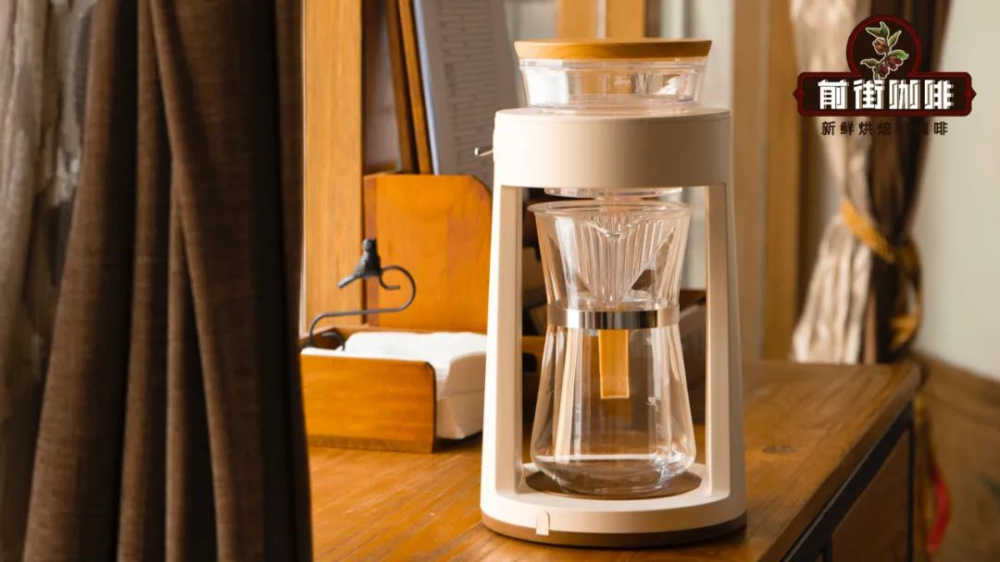
Technology is advancing rapidly, and the coffee industry is gradually entering an automated era. Features such as automatic milk frothing and automatic latte art have frequently appeared in the public eye in recent years. This raises a question: can a brewing method as ceremonial as pour-over coffee really be replaced by machines?
Out of curiosity, Front Street Coffee deliberately borrowed an automatic brewing device from next door late at night—one that did not need to be returned—wanting to personally experience what kind of coffee the machine could make and how big the gap was compared with manual brewing.
This automatic brewing coffee machine only handles the brewing stage; water temperature and weighing still need to be controlled manually. Of course, fully automatic models that can automatically manage water temperature and even weighing have already appeared on the market.
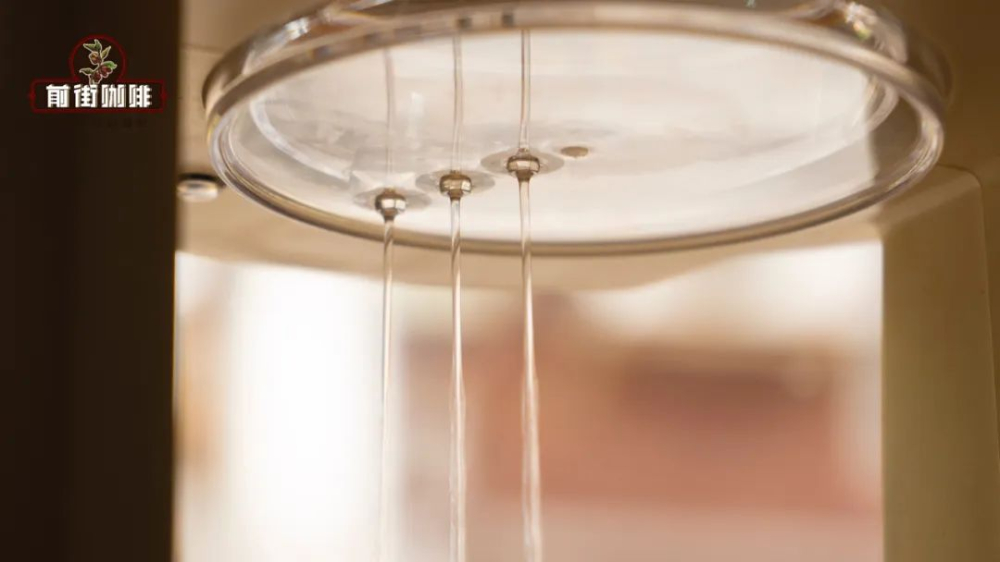
But that does not matter much, because their brewing logic is basically the same as this device: after flipping the rotary switch on the side, the upper pot begins to rotate evenly, and then hot water is injected through three holes at the bottom of the upper pot.
The water output state of these three holes changes with water pressure. When the water pressure is relatively high, the flow appears as a column; when dripping is almost finished and the pressure drops, the water column turns into a slow drip. Without further ado, let us formally enter the experiment.
Experiment preparation
We selected the same bean and brewed it once with the machine and once manually. The following are the parameters used in the comparative experiment.
The extraction principle of a fully automatic coffee machine is quite similar to pour-over, and it is also a drip method, so when choosing beans you can directly choose single origins according to flavor preference: if you usually cannot accept bitterness, you can try light-to-medium roasted Front Street Coffee Huakui, Front Street Coffee Granja Geisha, and Front Street Coffee Butterfly;
if you pursue greater sweetness, you can choose medium-roasted Front Street Coffee Strawberry Candy, Front Street Coffee Xizhua, and Front Street Coffee Blackberry; and for people who absolutely cannot accept acidity, the barista suggests trying Front Street Coffee Mandheling, Front Street Coffee Blue Mountain No. 1, and Front Street Coffee Queen's Estate.
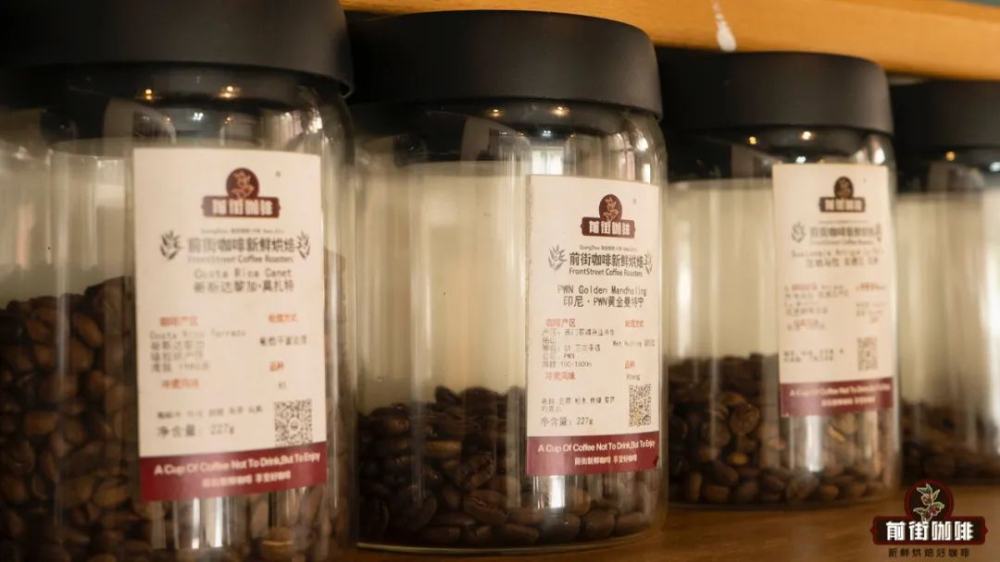
For this brewing, Front Street Coffee chose the dark-roasted "Front Street Coffee Indonesia · Golden Mandheling."
Grind size: following the regular grind for hot brewing, Front Street Coffee used an EK43 grinder with the setting at 10.5, and the passing rate through a No. 20 sieve was 75%.
Coffee-to-water ratio: 1:15 (15 grams of coffee grounds with 225 milliliters of hot water)
Water temperature: 88°C for dark-roasted beans.
Brewing method: one-pour method.
Filter cup: consistent with the automatic brewing machine, using a fan-shaped filter cup.
Experiment begins
The steps of manual brewing have already been discussed many times before, so they will not be repeated here. The focus is on showing the automatic brewing process.
1. Place and wet the filter paper, then pour in the coffee grounds.
2. Turn on the side switch to make the water vessel enter a rotating state.
3. Pour in 30 milliliters of hot water and bloom for 30 seconds.
4. Place the lower pot into the frame.
5. After the full 30-second bloom, pour the remaining 195 milliliters of water into the upper pot.
6. After dripping is complete, gently shake it. The total time is about 2 minutes.
7. Take one spoonful of coffee liquid from each for concentration testing.
The extraction calculation formula for a coffee concentration meter (TDS meter) is: coffee liquid concentration × coffee liquid weight ÷ coffee bean (grounds) weight = extraction yield.
It can be seen that both brews fell within the data range of the golden cup extraction standard. Next comes the tasting stage.
Through comparative tasting, it was found that the machine-brewed coffee was not as clearly layered as the manually brewed coffee, and its body was slightly weaker, leaning overall toward balance, but all the flavor characteristics Mandheling should have were present—nuts, pine wood, and chocolate. The manually brewed coffee, meanwhile, had noticeably richer layers and also carried a prominent creamy texture.
In fact, whether dark roast or light roast, as long as the parameters are set properly, machine brewing can extract the core flavor of each bean, and under the premise of consistent parameters, make the extraction result of each cup roughly the same.
But Front Street Coffee believes that a good cup of pour-over coffee is not defined only by tasting good, but even more by the core of the word—"human." The same bean, because of different people, different personalities, different brewing techniques, and even differences in water flow height and circling speed, can present completely different flavor profiles rather than monotonous repetition. Being able to feel that refreshing warmth is what matters most.
Finally, no matter the result, if pour-over coffee originally made by human labor is changed to machine brewing, then would it be more appropriate to call this cup "machine-brewed coffee"?
The above content is compiled by CoffeeHunters, a coffee news website.


