







How does pour-over coffee differ from a coffee machine?
Pour-over coffee and a coffee machine diverge mainly in control. Pour-over allows water temperature, grind size and pouring technique to be adjusted for each roast level, producing clearer flavor layering. A coffee machine fixes its pour path and temperature at the factory, so variables cannot be adjusted by hand and the final cup heads in a different direction.
A comparison experiment found the gap comes from that fixed versus flexible setup. The article sets out brewing parameters for light-roast and medium-dark-roast beans and lists five classic coffee origins from the everyday beans series for practice. Whether arabica coffee brands or blends, matching the recipe to the roast matters more than the device itself.
Around the question of whether pour-over coffee really tastes better than a coffee machine, Front Street conducted an experiment comparing the two in terms of their fundamental differences in pouring method, temperature control, and other steps. Because pour-over coffee allows flexible adjustment of water temperature, grind size, pouring technique, and other factors, it can tailor an extraction plan to beans of different roast levels, presenting a fuller and clearer flavor layering; the factory settings of a coffee machine, by contrast, limit this flexibility. The article also introduces the brewing parameters corresponding to light-roast and medium-dark-roast beans, and recommends five classic origin representatives from Front Street's everyday beans series for pour-over enthusiasts to practice with and explore.
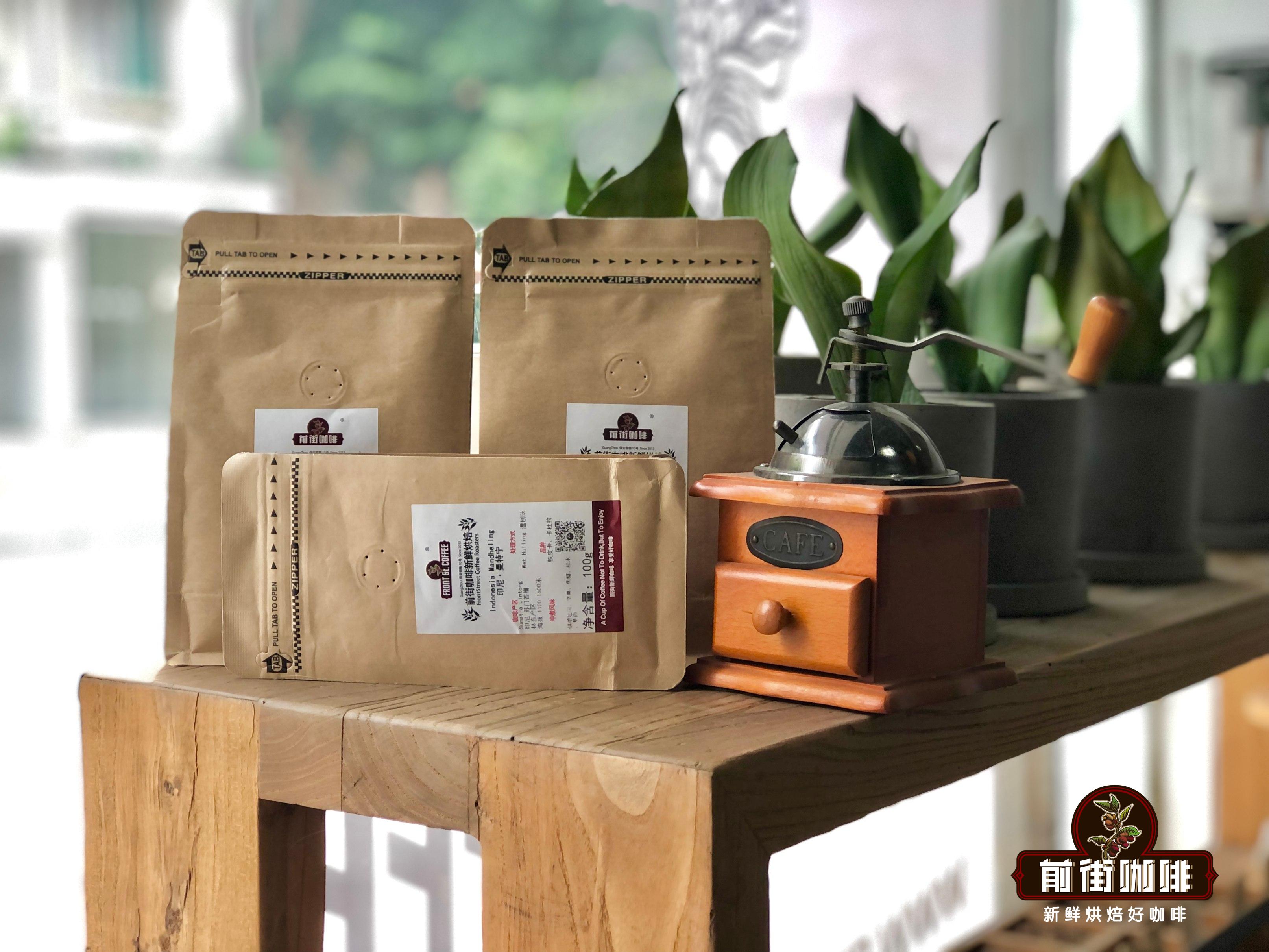
In the past, whenever black coffee was mentioned, many people's first association was none other than Blue Mountain or Americano. But for the younger generation, the image that comes to mind might look more like a chemistry experiment—a drip-style pour-over coffee, or that cup of black coffee made by an American drip machine.
Is pour-over coffee really superior to what a coffee machine produces? To answer this question, Front Street specifically carried out a comparative experiment, and the results showed that a coffee machine's pouring path, temperature, and other parameters are fixed at the factory, with many variables impossible to intervene in manually, so its final flavor expression naturally heads in a different direction from pour-over coffee, which can be flexibly customized.
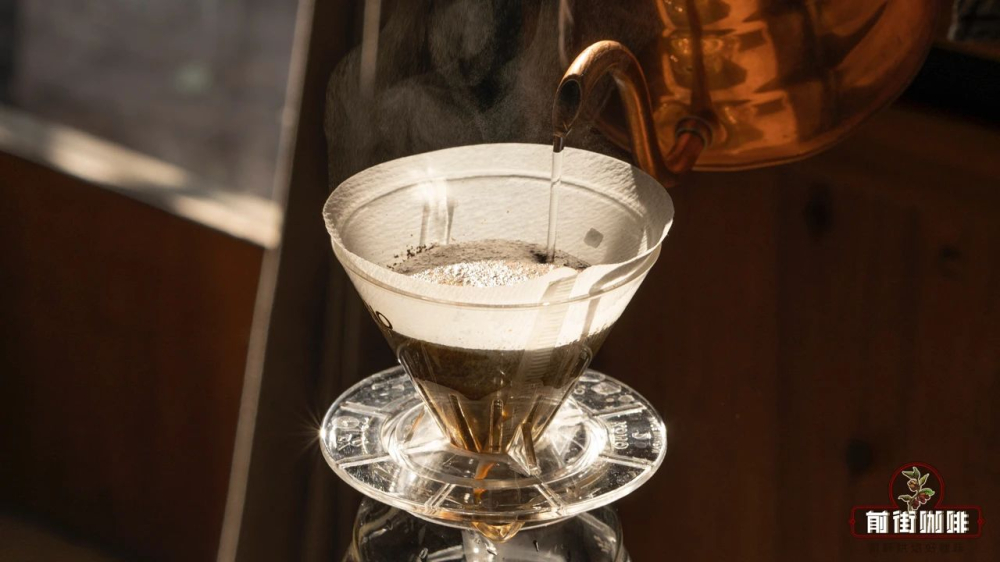
Basic knowledge of pour-over coffee You need to master pour-over coffee temperature and pour-over coffee grind size standards . Comparing learning pour-over to doing a chemistry experiment—Front Street thinks this saying is not an exaggeration. Anyone who has spent some time with pour-over knows clearly that water temperature, grind size, and extraction time each directly affect the result. If you want to be more particular, how many pours to divide the water into and how fast the stream flows also have to be taken into account. Seen this way, pour-over coffee really does seem like a combination of a chemistry experiment and a physics experiment.
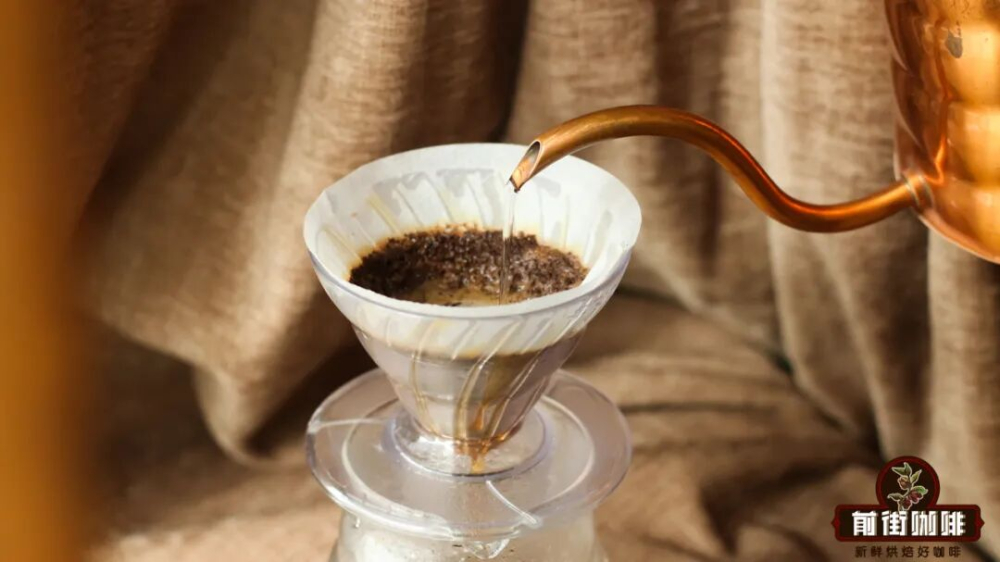
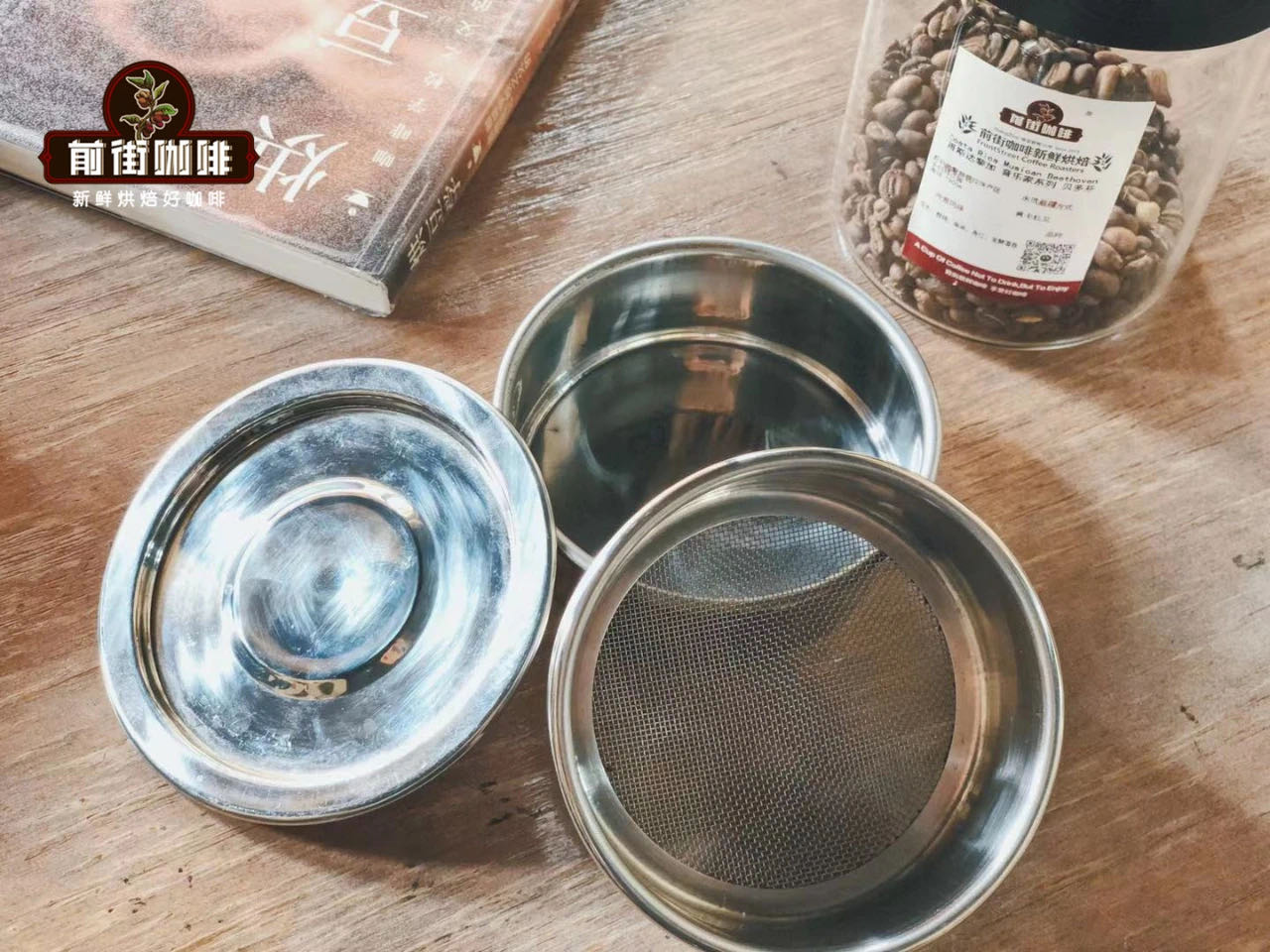
The variables mentioned above, when applied to different beans, will again have different matching schemes. Take the simplest example: light-roast beans, because their flavor compounds are released more slowly, need a higher water temperature (93°C) and a finer grind (80% passing through a Chinese standard No. 20 sieve), but to prevent high temperature from causing over-extraction and bringing out bitterness, they are usually paired with a faster-flow dripper (Front Street commonly uses the Hario V60).
Switch to medium-dark-roast beans and the situation reverses—the compounds dissolve faster, so the water temperature should be lowered (88°C) and the grind should be coarser (70% passing through a Chinese standard No. 20 sieve). However, to get a richer and smoother mouthfeel while avoiding under-extraction caused by low temperature, a slower-flow dripper is more suitable at this point (Front Street recommends the KONO dripper).
As for pouring techniques, Front Street's previous articles have discussed the one-pour method, the three-stage method, the 4-6 method, the Rao spin, and so on. Friends familiar with Front Street's articles or who have visited Front Street's shop should know that Front Street's baristas have always used three-stage pouring to extract coffee grounds.
Compared with the one-pour method, coffee extracted with the three-stage method has a heavier mouthfeel, and its flavor is clearer and more intense, with a more complete overall layering.
Having said all this, some friends in front of the screen may already be eager to try it themselves. Hold on—Front Street will insert a section here on pour-over coffee bean recommendations , so that while practicing, you can also find the origin flavor you prefer.
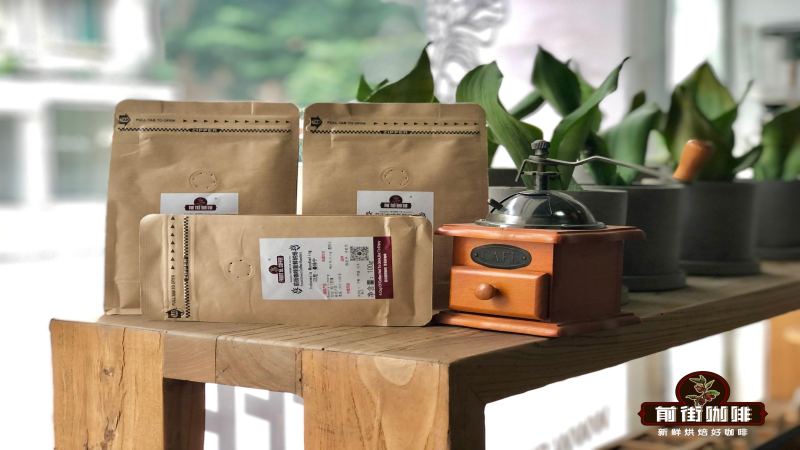
Friends who follow Front Street's coffee bean list will know that Front Street has an everyday beans series. This series covers quite a few classic coffee origins. To let enthusiasts taste the most basic origin flavors, these everyday beans mostly use the washed processing method. Of course, there are exceptions, such as Brazil's semi-washed method and Indonesia's wet-hulled method, which are determined by the traditional processing methods of the local regions. Below, Front Street picks 5 for everyone's reference.
[Ethiopia]
Ethiopia is widely recognized as the birthplace of coffee, which means the coffee varieties within the country are extremely rich. But perhaps out of protection for the genes of local varieties, coffee beans exported from Ethiopia are mostly labeled as "local heirloom varieties." However, this does not affect everyone's love for Ethiopian coffee.
Among Ethiopian coffees, sun-dried Sidamo and washed Yirgacheffe are the most familiar to coffee beginners. Front Street has learned that many friends who have just come into contact with single-origin pour-over had already tried beans from these two origins before visiting Front Street's shop. Front Street's everyday beans series naturally would not leave out Ethiopia, the birthplace of coffee. Front Street chose washed Yirgacheffe as the representative of African beans. Washed Yirgacheffe carries an intense white floral aroma, with a lemon-like bright acidity, and a clean, refreshing mouthfeel.
Pour-over coffee beans—Front Street Washed Yirgacheffe
Origin: Yirgacheffe region, Ethiopia
Altitude: 1800m—2000m
Variety: Local heirloom varieties
Processing method: Washed processing
Brewing flavor: Jasmine, berries, lemon, citrus
[Indonesia]
Sumatra in Indonesia is an important coffee bean producing region. Local rainfall is frequent and sunlight hours are limited, so coffee beans are mostly water-processed. But limited by local economic conditions, a complete washing process for coffee beans is not possible, so a semi-washed method with local characteristics emerged—the wet-hulled method.
What is special about the wet-hulled method is that before entering the second stage of drying, the parchment layer on the outside of the green coffee beans is first removed, leaving the green beans directly exposed to the air to dry. Coffee processed by the wet-hulled method has an intense flavor, even carrying notes of spices and herbs, and its mouthfeel also becomes noticeably viscous and smooth.
Pour-over coffee—Front Street Indonesian Mandheling
Origin: Lintong region, Sumatra, Indonesia
Altitude: 1100m—1600m
Variety: Tim Tim, Ateng
Processing method: Wet-hulled method
Brewing flavor: Toasted bread, nuts, caramel, pine, herbs
[Brazil]
When encountering friends who neither like the acidity of African beans nor accept the bitterness of Mandheling, Front Street's baristas usually bring out Brazilian beans. Brazil's coffee varieties at the end of the nineteenth century were mainly Bourbon, and Bourbon varieties show more prominent sweetness. In addition, Brazilian coffee is mostly grown in sun-exposed environments, and the fruit ripening cycle is short, making Brazilian coffee lower in acidity, smooth in mouthfeel, and balanced overall.
Pour-over coffee—Front Street Brazil Red Bourbon
Origin: Cerrado region, Minas Gerais, Brazil
Altitude: 1000m
Variety: Red Bourbon
Processing method: Semi-washed
Brewing flavor: Peanut, cream, nuts, chocolate, caramel
[China]
In recent years, China's coffee industry has received more and more attention, and Yunnan Province, which is suitable for growing Arabica varieties, has also entered more people's field of view. Yunnan small-bean coffee was originally the Typica variety, but as some international coffee brands entered, in pursuit of yield rather than flavor, the Catimor variety mixed with Robusta genes was vigorously promoted. However, with improvements in planting management levels and green bean post-processing technology, the flavor of Yunnan coffee has already made a qualitative leap.
Pour-over coffee—Front Street Yunnan small-bean coffee
Origin: Baoshan region, Yunnan, China
Altitude: 1200m
Variety: Catimor
Processing method: Washed processing
Brewing flavor: Melon and fruit aroma, sweet melon, brown sugar, plum, black tea note
The above content is compiled by CoffeeHunters, a coffee news website.


