







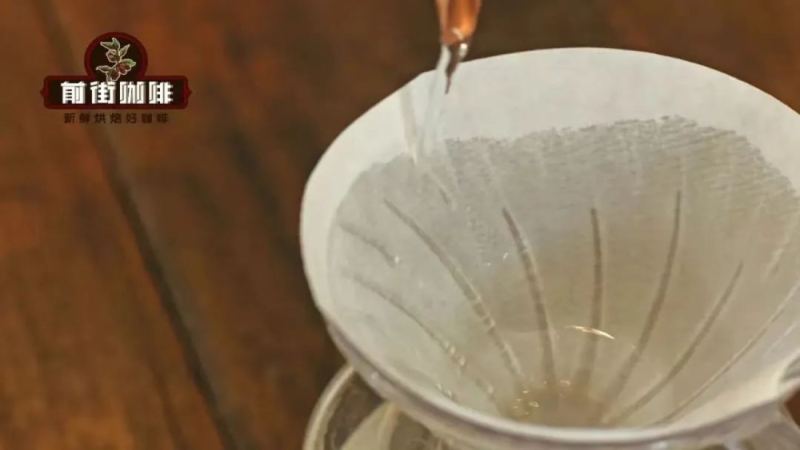
Does Wetting the Filter Paper Change the Coffee Extraction Process?
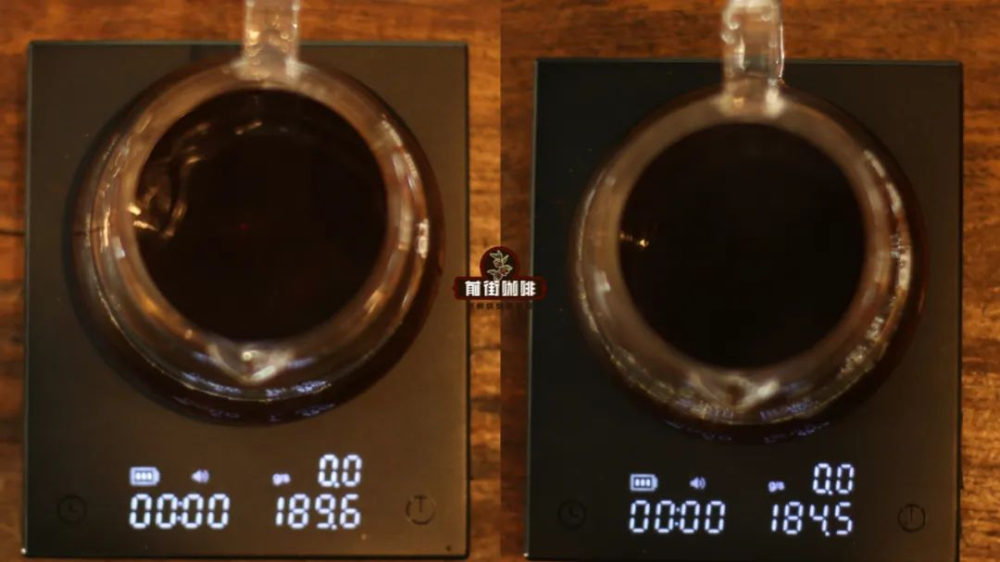
Rinsing the paper filter before brewing does change the cup, but mainly in liquid volume. In controlled tests with a V60 and an Origami dripper, wetted filters produced about 190ml of coffee from 225ml of water, while dry filters yielded about 184ml, roughly a 6ml difference.
The wetted groups also finished more slowly, about 7 seconds later: V60 at 2 minutes 06 seconds and Origami at 2 minutes 12 seconds. Both drippers have flow guide ribs, and the filter papers themselves carried no off odors. Front Street Coffee compared weight, refractometer readings and taste.
When brewing pour-over coffee, should the paper filter really be pre-wet? This question seems minor, but it can affect the final liquid volume, concentration, and flavor performance. This time, Front Street Coffee used two drippers, V60 and Origami, with cone-shaped and cake filters respectively, conducting controlled brews with wet and non-wet filters, comparing differences one by one from liquid weight and refractometer data to actual tasting. At the same time, the article also deeply explains why the blooming stage uses twice the amount of water as the coffee grounds, and why the portion of liquid that first contacts the coffee grounds has a lower concentration. If you've also struggled with this detail, why not follow the experimental data to see it clearly.
Great! Since everyone has sincerely asked, Front Street will personally conduct a round of experiments to provide the answer: this time we prepared two drippers—V60 and Origami, the former paired with cone-shaped filter paper, the latter with cake filter paper, each divided into a group, comparing whether there is any difference in liquid volume, concentration, and taste between coffee brewed with wet filter paper and non-wet filter paper. (The filter paper itself does not have negative issues such as odors)
Brewing Experiment The beans selected for this experiment are Frontera Estate·Big Belly, with cup flavors of blackcurrant, blueberry, and sweet orange; the coffee dose is precisely 15g; the coffee-to-water ratio is 1:15; the water temperature is 92°C; the grind size is Ek43 setting 9.5, equivalent to fine granulated sugar; the brewing method is a three-stage pour. Okay, let's officially start brewing! (The brewing process is skipped)
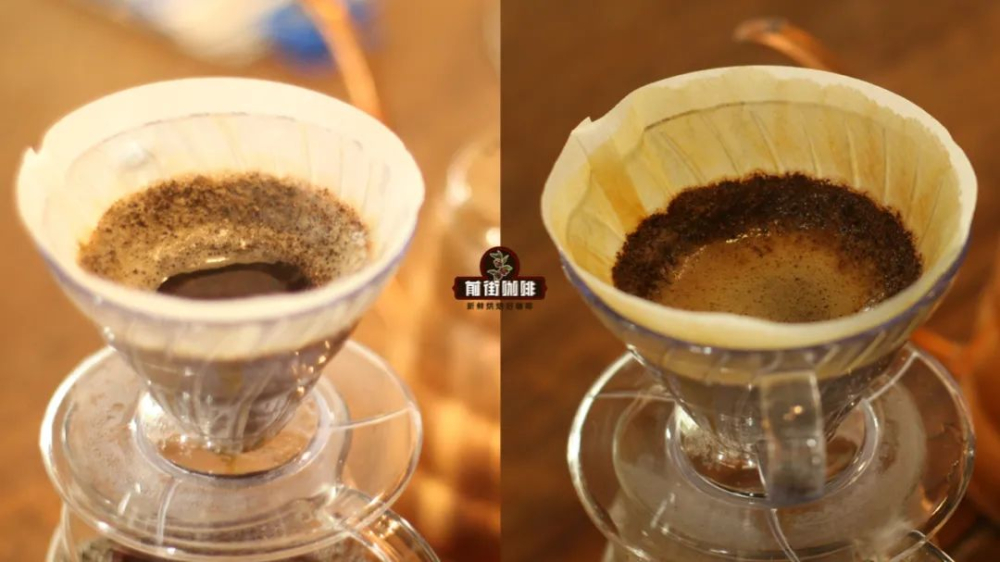
Since both drippers have flow guide ribs, the wet filter paper and non-wet filter paper differ by about 7 seconds in finish time, with the wet filter paper group finishing more slowly (V60 at 2 minutes 06 seconds, Origami at 2 minutes 12 seconds). Next, let's weigh the liquid~ Front Street very precisely poured 225ml of hot water, and in the end, whether it was the V60 with cone-shaped filter paper or the Origami with cake filter paper, the two servings with wet filter paper had coffee liquid of around 190ml, and the two servings without wet filter paper had coffee liquid weight of around 184ml. (V60 group)
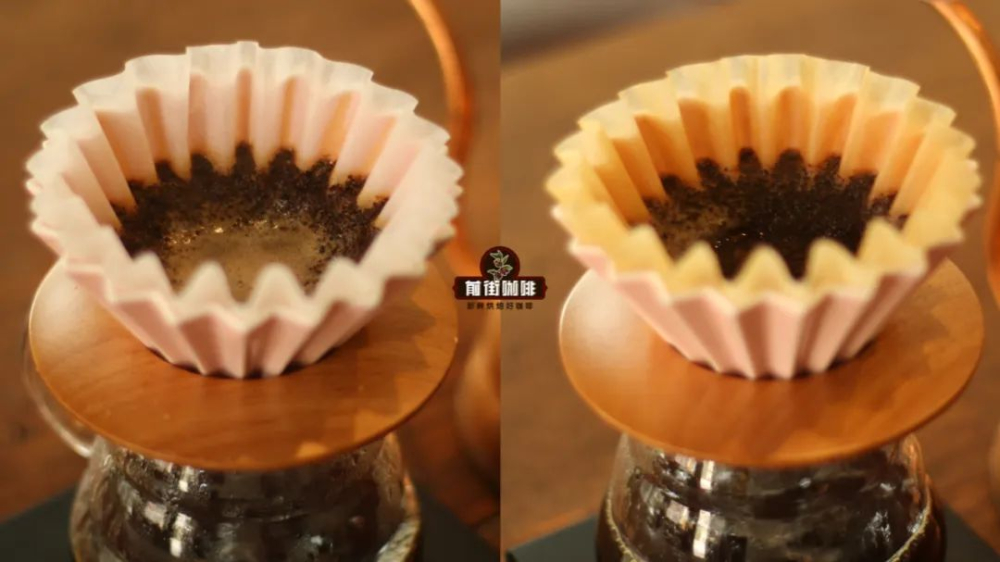
(Origami group)
That is to say, after deducting the 30ml of hot water absorbed by the coffee grounds, the filter paper actually absorbs only about 5ml of coffee liquid. So will this 5ml affect the coffee concentration and taste? Below, please welcome the refractometer and Front Street's tool person to each inspect it! (V60 group)
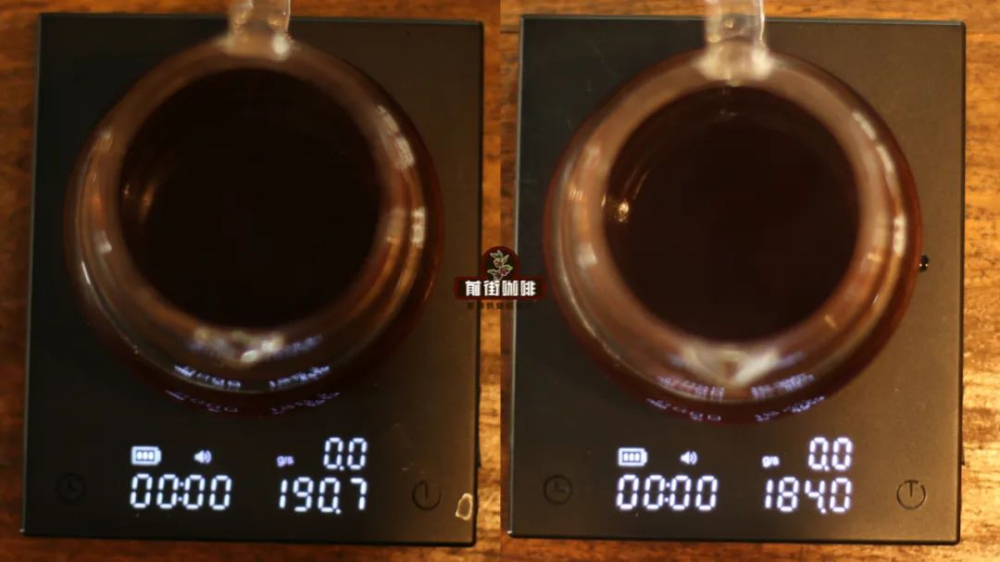
(Origami group)
From the data displayed by the refractometer, excluding errors caused by human technique, there is no significant difference between the two. And our tool person also stated that the taste of the four cups of coffee was almost indistinguishable (limited to comparisons within each group) . Therefore, it can be concluded: the portion of coffee liquid absorbed by the filter paper will not have much impact on the whole cup of coffee. This is actually related to the nature of the liquid adsorbed by the filter paper. Because when the filter paper is not pre-wet, it will first absorb the coffee liquid it first contacts to reach saturation. And this first batch of coffee liquid that flows out often has the lowest concentration, so its impact on the overall flavor is minimal. Why does the first coffee liquid that contacts have the lowest concentration? We know that the purpose of blooming is to release carbon dioxide from the coffee grounds in advance, so that subsequent hot water can better extract aromatic substances. During blooming, the hot water injected contacts coffee grounds that have not yet degassed, so they cannot extract flavor components from the coffee in large amounts like the later hot water. This causes this portion of liquid to fail to reach sufficient coffee concentration, because the extraction rate is not enough.
So we usually try to complete the blooming with the minimum amount of water, reducing the "waste" of hot water. And dry coffee grounds themselves absorb water, so blooming is done with the amount of water that the coffee grounds can absorb (i.e., twice the coffee dose), which maximally avoids "waste," although this portion of hot water will not all be absorbed. And the liquid that the non-wetted filter paper first contacts is precisely this unabsorbed water that passed through incompletely degassed coffee grounds, so it does not carry too much coffee substance. Therefore, even if this portion of coffee liquid is missing, it will not have too much impact on the overall taste (in terms of taste, there is an impact, but it is really not big) ~
As for other effects of wet versus non-wet filter paper, Front Street has already explained them in detail in previous articles, so we will not repeat them here~ - END -
The above content is compiled by CoffeeHunters, a coffee news website.


