







Search Results for: Pour-Over Coffee Bean Selection

Coffee Shop Espresso + Pour-Over Dual-Line Bean Selection Plan
A well-established coffee shop usually needs to manage two product lines simultaneously: the espresso line and the pour-over line. The espresso line handles daily cup volume and revenue, while the pour-over line showcases professionalism and increases the average transaction value. The two lines use different bean strategies, but both require careful configuration. Espresso line: stable output, controlled costs, memorable highlights [more…]
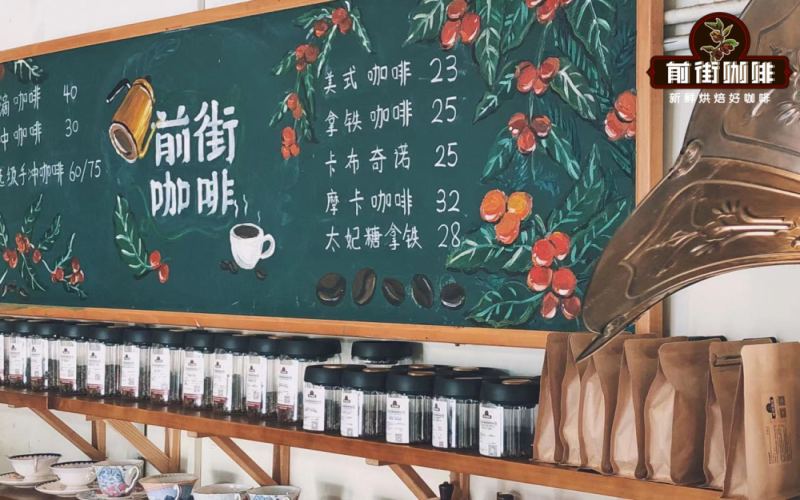
A Full Analysis of the Differences Between Pour-Over Coffee and Americano: Strength, Sweetness, Extraction Principles, and Front Street Coffee Bean Selection Tips
Pour-over and espresso are the two mainstream brewing methods in today's specialty coffee scene, and most coffee beans on the market are developed around these two uses. Pour-over uses atmospheric-pressure drip filtration, giving a clean, refreshing cup akin to brewing tea; espresso relies on high pressure for rapid extraction, producing a rich, full-bodied concentrate. The two differ markedly in bean selection, grinding parameters, and flavor expression. Drawing on Front Street's brewing experience, this article sorts out the core differences between pour-over and Americano, including the equipment required, key points of espresso extraction, the logic behind choosing blend beans versus single-origin beans, and how Front Street's cafés make hot and iced Americanos. Whether you're just starting out or drinking coffee daily, you'll find a brewing approach and bean-selection direction that suits you. [more…]
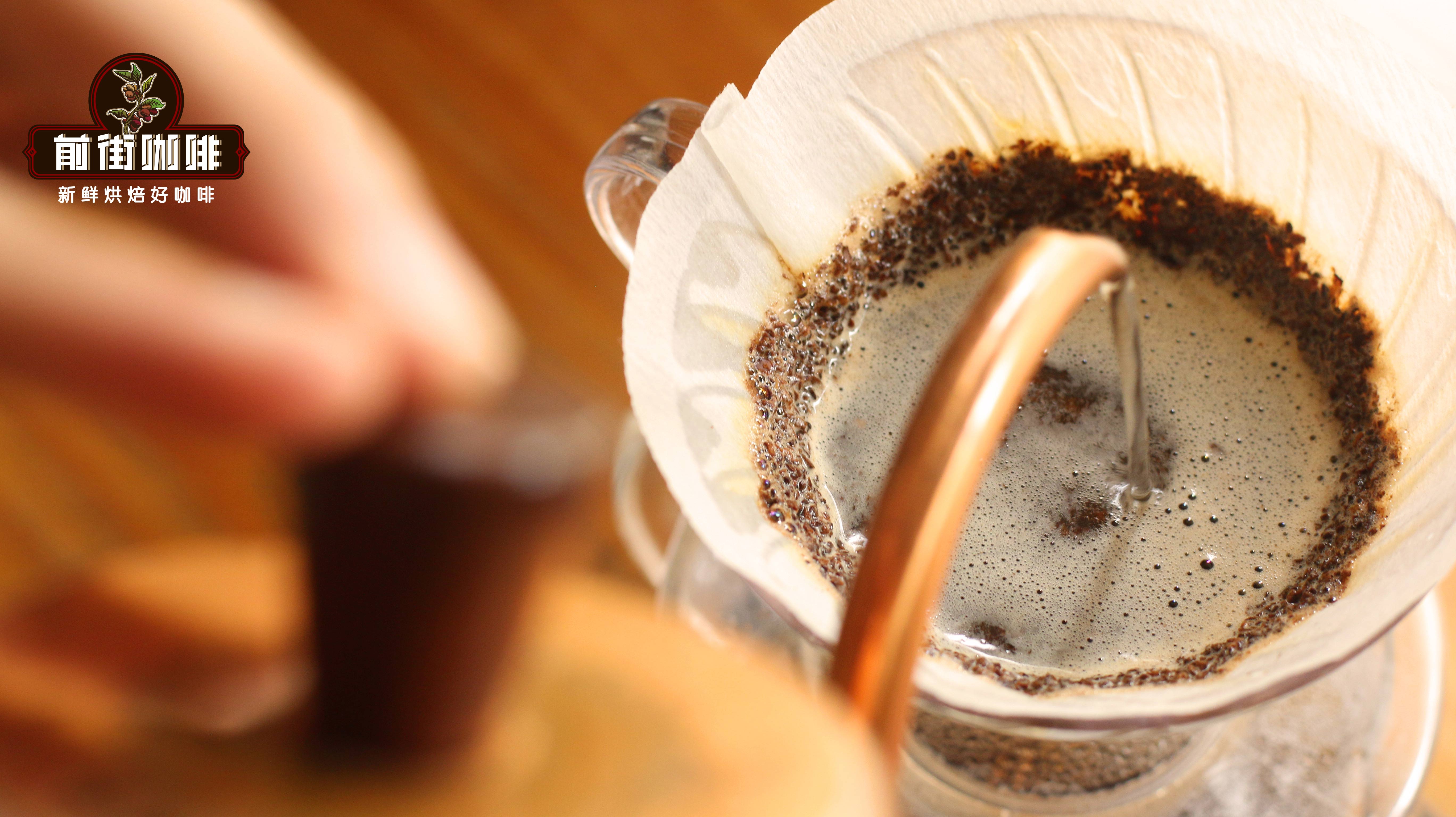
Comprehensive Comparison of Pour-Over and Espresso: A Professional Analysis from Bean Selection and Extraction Pressure to Caffeine Content
Pour-over coffee and espresso are the two dominant brewing methods in today's specialty coffee world, yet many enthusiasts remain unclear about how they differ. This article compares the two across four dimensions—coffee bean selection, preparation method, beverage volume, and caffeine content—to help readers clarify the core differences between these two brewing systems. In terms of bean types, pour-over typically uses single-origin beans with flexible roast levels; Front Street Coffee's Guodingding, Strawberry Candy, and PWN Golden Mandheling each cater to different flavor preferences. Espresso, by contrast, mostly uses dark-roasted blends, with Front Street Coffee's Classic Blend and Black Cocoa Blend each having its own merits. In terms of extraction pressure, pour-over uses just one atmosphere, while espresso reaches as high as nine atmospheres. As for volume, pour-over yields about 150 to 300 milliliters, while espresso yields only 30 to 60 milliliters. Caffeine content depends on the length of extraction time. [more…]
Yirgacheffe Coffee Bean Guide: Origin Characteristics, Roast Level Selection, and Pour-Over Parameters Explained
Yirgacheffe is one of Ethiopia's most representative specialty coffee regions, known for its fresh lemon and citrus acidity and delicate floral aromas. This article analyzes the core characteristics of this bean layer by layer, from its origin background, green bean grading, and roast level selection to pour-over parameters. Yirgacheffe green beans are small in shape and emerald green in color. Washed G2 is the traditional highest grade, and G1 is now also available on the market. In terms of roasting, cinnamon roast or medium roast best preserves its citrus acidity and floral aroma, while a darker roast masks its fresh character. For pour-over, it is recommended to use a high temperature above 90°C and extend the bloom to 20–30 seconds to fully release the flavors. Front Street Coffee recommends interpreting Yirgacheffe through pour-over. Compared with competition-style brewing or a French press, the clarity brought by pour-over better showcases its delicate layers. [more…]
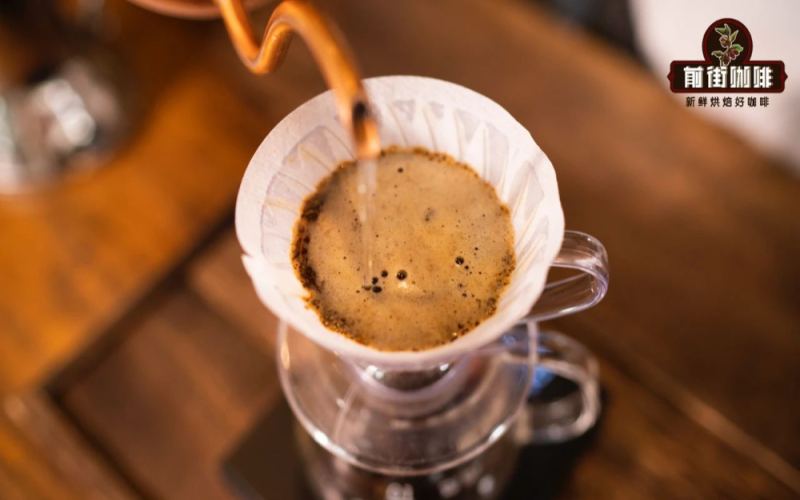
Pour-Over Coffee Bean Selection Guide: A Full Breakdown of Flavor Preferences, Roast Levels, and Front Street Brand Recommendations
With so many types of coffee beans on the market, choosing the right beans for pour-over has become a puzzle for many enthusiasts. Starting from flavor preferences, this article helps you sort out your bean-selection approach: whether you love floral notes, fruity notes, or a rich, full-bodied taste, you can find a corresponding origin and representative bean. At the same time, the article also explains how grinding freshness affects flavor, and introduces Front Street Coffee's strict control over roast dates. In addition, it offers practical advice on the taste differences brought by different roast levels, helping you more precisely find that cup of pour-over coffee you love. [more…]
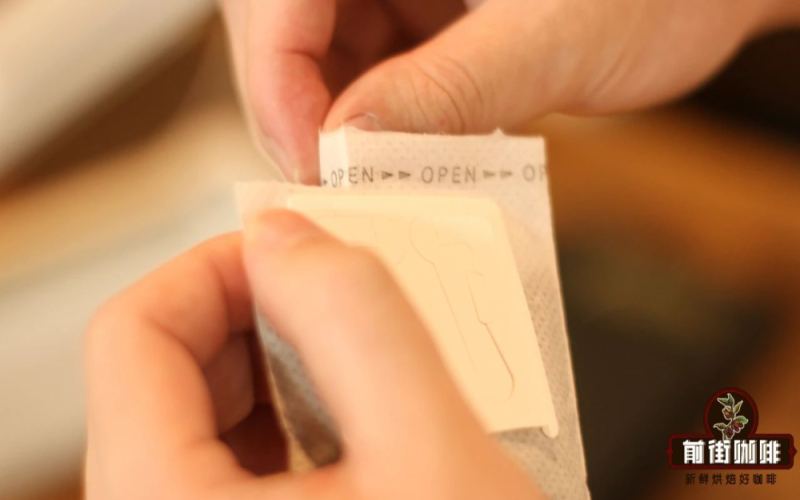
Can Drip Bag Coffee Be Made into a Cold Drink? A Full Guide to Bean Selection and Iced Drip Bag Pour-Over Brewing
Drip bag coffee, with its portability and ease of use, has become the choice for many people's daily coffee. Once the weather heats up, making a cup of iced coffee with a drip bag has become a new pastime for many enthusiasts. However, not all drip bags are suitable for adding ice—the roast level and flavor profile directly affect how the drink tastes over ice. This article covers the bean selection direction for drip bag coffee, the logic behind adjusting parameters for iced pour-over, and the specific steps, and recommends two Front Street Coffee drip bag products suitable for making iced coffee, helping you easily recreate a refreshing iced drip bag coffee at home. [more…]
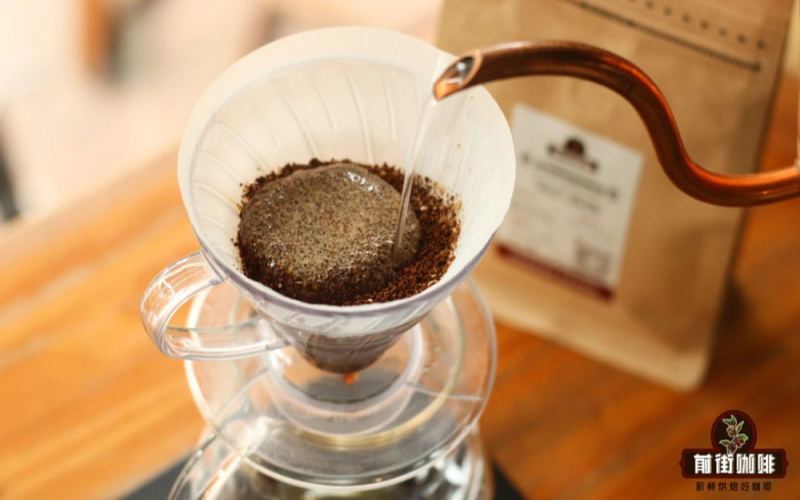
A Beginner's Guide to Pour-Over Coffee: 7 Key Elements from Bean Selection to Extraction and a Step-by-Step Breakdown
For those just getting into specialty coffee, the wide array of equipment and techniques can often feel overwhelming. In reality, pour-over coffee isn't as complicated as it seems—master a few core points and you can get started quickly. This article compiles 7 key elements distilled from Front Street Coffee baristas' years of hands-on experience, covering coffee bean freshness, grind size, water temperature control, water quality requirements, dripper selection, coffee-to-water ratio, and extraction time, and further breaks down the three stages of coffee extraction: wetting, dissolution, and diffusion. Finally, using Front Street Ethiopia Sidamo Natural Hualing 8.0 as an example, it presents a complete practical workflow from parameter setting to brewing technique, helping beginners build a clear pour-over framework. [more…]
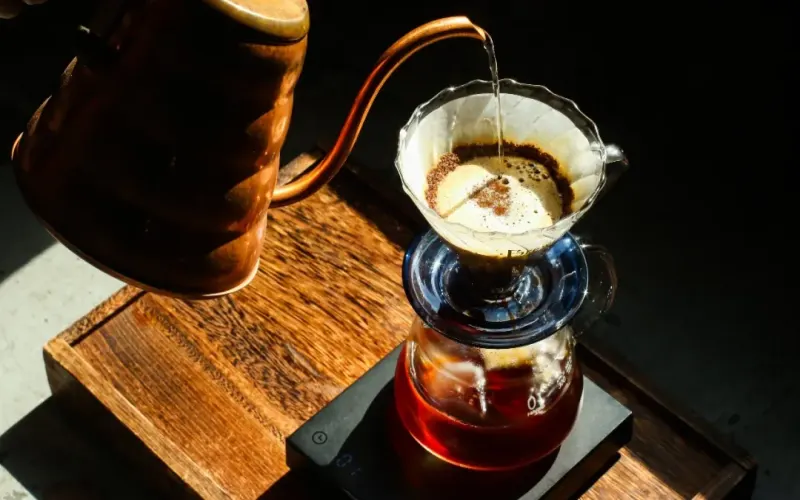
How to Adjust Iced Pour-Over Coffee Parameters? A Full Breakdown of Water Temperature, Ratio, Grind Size, and Bean Selection
Iced pour-over coffee is not simply about pouring hot coffee over ice cubes; it requires targeted adjustments in the coffee-to-water ratio, grind size, water temperature, and pouring method, otherwise it is very easy to end up with a brew that tastes as weak as ice water. Starting from Front Street's hands-on experience, this article first explains the root cause of flavorless iced pour-over—both concentration and extraction yield are too low—and then explains one by one how the parameters change as the water amount is reduced: the coffee-to-water ratio is tightened from 1:15 for hot brewing to 1:10, the grind is made finer by 1–2 settings, the passing rate through a No. 20 sieve increases by about 5%, and staged pouring is used to extend the extraction time to make up for the loss of efficiency caused by the reduced water amount. The article also gives direction on bean selection: natural and anaerobic processing suit rich flavors, while washed processing suits a fresh and clean taste, and it includes Front Street's complete iced pour-over recipe for Ethiopia Hamashu for reference. [more…]
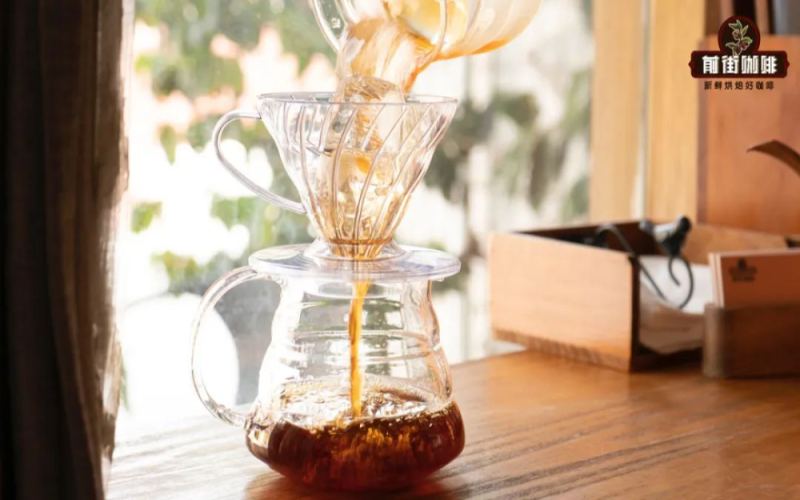
A Complete Guide to Ice Cube Amounts and Coffee-to-Water Ratios for Iced Pour-Over Coffee: A Practical Guide from Bean Selection to Brewing
On a hot summer day, a glass of iced pour-over coffee becomes the favorite of many coffee lovers. But exactly how much ice should be added? And how should the coffee-to-water ratio be adjusted? This article will systematically answer common questions about iced pour-over coffee from multiple angles, including coffee bean selection, the role of ice, specific brewing plans, and the timing of adding ice. Taking 15 grams of coffee, a 1:10 coffee-to-water ratio, and 100 grams of ice as an example, Front Street Coffee breaks down in detail the grind size, actual concentration, and the impact of ice melting on flavor, helping you make a cup of iced pour-over that is both refreshing and not diluted. [more…]
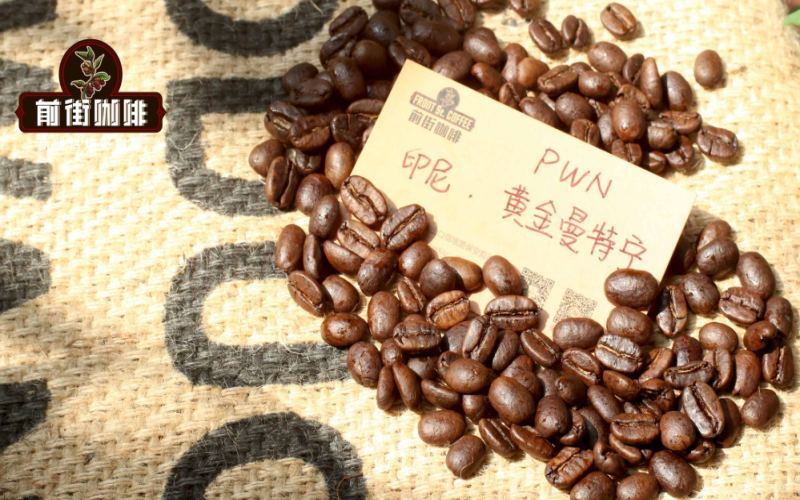
Master the Key to Deep-Roasted Mandheling Pour-Over: A Complete Guide from Bean Selection to Three-Stage Pouring
Mandheling is a classic category that coffee lovers can't avoid, but many people often encounter the problems of burnt bitterness and heavy off-flavors when brewing dark-roasted Mandheling. This article starts with Front Street PWN Golden Mandheling, first recounting the historical origins behind the name Mandheling, then focusing on key steps such as dripper selection, coffee dose, coffee-to-water ratio, grind size, water temperature, and pouring technique, breaking down one by one how to make a cup of dark-roast pour-over coffee that is both rich and clean, with caramel sweetness and chocolate notes. If you also want to rid your Mandheling of bitterness and bring out a high level of sweetness, this tutorial will give you a clear direction for action. [more…]
A Detailed Guide to the Specialty Geisha Pour-Over Method: Complete Parameters and Flavor Analysis from Bean Selection to Extraction
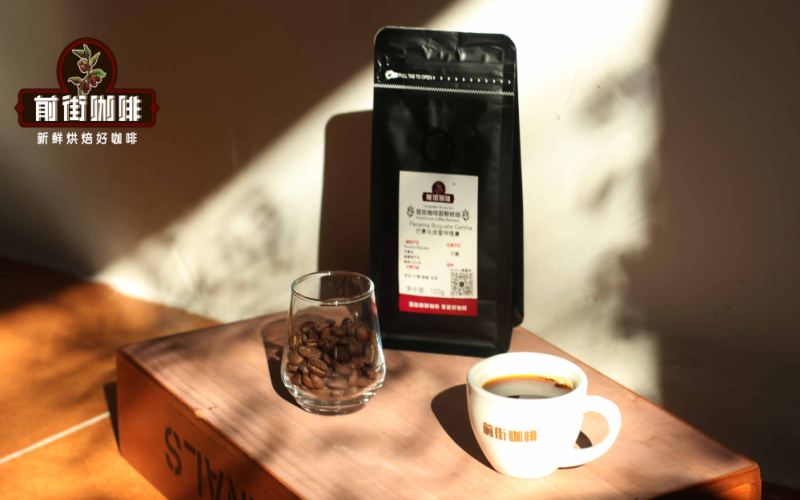
Geisha coffee has long been hailed as the king of the specialty coffee world, with high-end Geisha from Panama being especially sought after. Using the 90+ Panama Geisha Estate's Prospect Geisha as an example, this article systematically walks through the complete pour-over process, from bean selection and resting to three-stage pouring, and provides key parameters such as water temperature, coffee-to-water ratio, and grind size. It also shares the flavor profile of Front Street Coffee's Boquete Geisha, helping lovers of floral and fruity notes find an everyday go-to option, so that every brew comes closer to the ideal of cleanliness and complexity. [more…]
A Complete Guide to Coffee Bean Varieties and Storage Methods: From Beginner Pour-Over to Advanced Single-Origin Selection
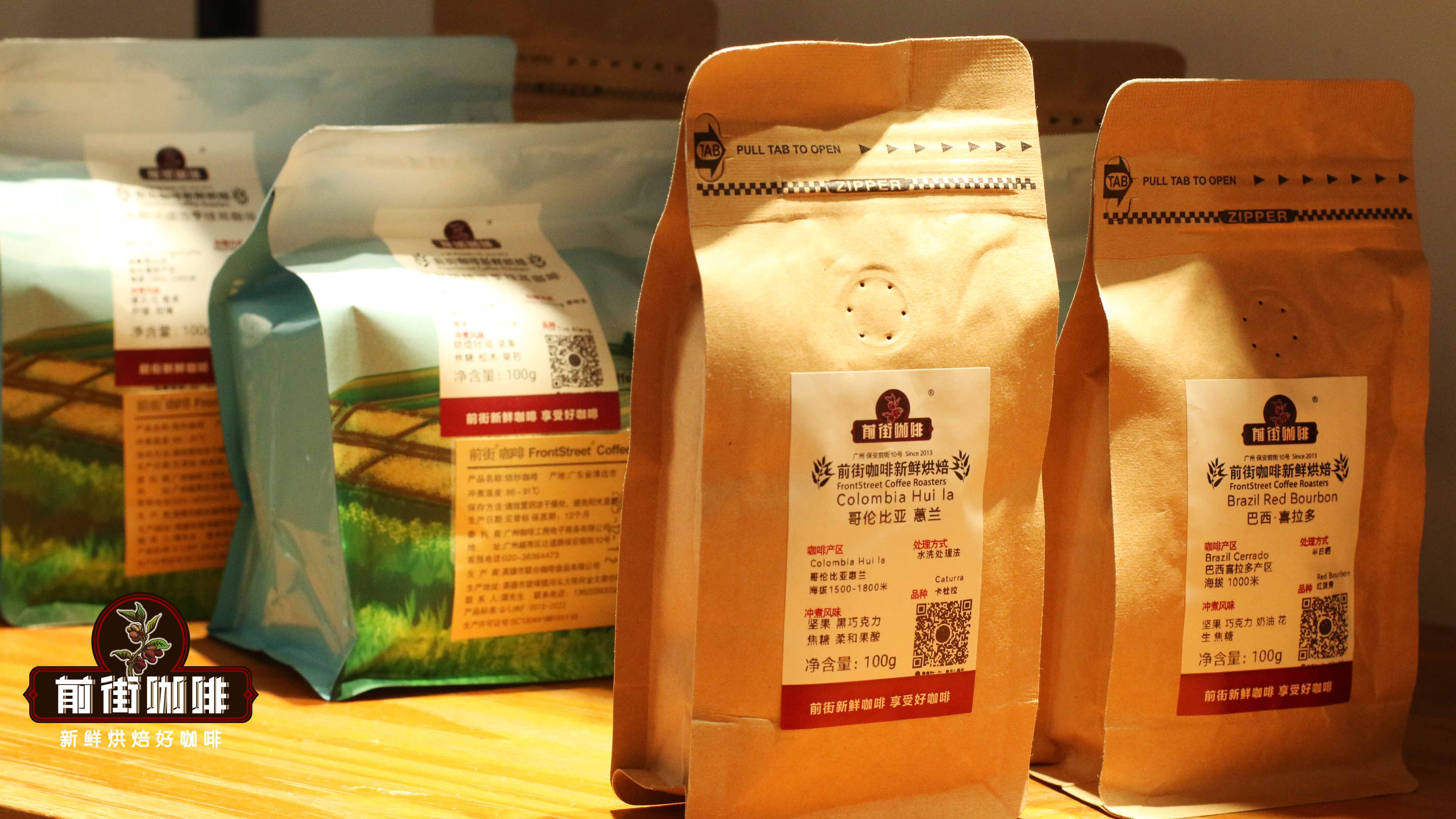
For those just getting into pour-over coffee, choosing the right beans is the first step. The Front Street everyday drinking series is great for daily practice and flavor tasting, while more advanced brewers can try single-origin beans with more distinctive flavors. Beyond bean selection, storing coffee beans is equally crucial—light, temperature, and oxygen are all silent killers of freshness. This article will systematically introduce the characteristics of common pour-over coffee bean types, explain in detail the key points for storing roasted beans and green beans, the pros and cons of different storage containers, and the difference between the peak flavor period and the shelf life, helping you brew consistently great coffee at home. [more…]

Iced Coffee Brewing Guide: A Full Breakdown of Bean Selection, Brewing Parameters, and Operational Details
When the weather is dry, a glass of iced coffee always refreshes you instantly. This article centers on the classic method of iced pour-over, first introducing coffee bean choices for different flavor profiles, including Front Street Strawberry Candy, Front Street Sidra, Front Street 2013 Sun-Dried Typica, Front Street Bird of Paradise, Front Street PWN Golden Mandheling, Front Street Queen's Estate, and more. It then breaks down the universal formula for coffee dose, water volume, ice ratio, and grind size, and uses Front Street Kafa Forest as an example to fully demonstrate the bloom, pouring, and extraction time steps, helping you recreate the flavor of café-style iced pour-over at home. [more…]
The Complete Guide to Summer Iced Pour-Over Coffee: Practical Tips from Bean Selection to Brewing, Plus Brand Recommendations
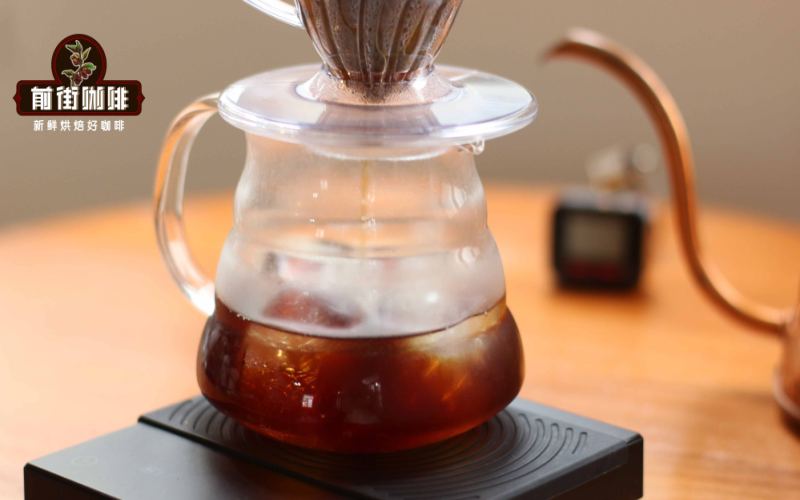
In the height of summer, a refreshing, ice-cold iced pour-over coffee is often more popular than hot coffee. This article will break down the iced pour-over process in detail for coffee lovers, from choosing coffee beans suitable for iced brewing and mixing the coffee-to-ice-to-water ratio, to key steps such as grind setting, blooming time, and staged pouring, gradually presenting a complete set of operating instructions. At the same time, the article also combines several Front Street Coffee beans to give specific recommendations for tea-like notes, juicy notes, and no-acidity preferences, helping you easily make a cup of iced pour-over coffee with clear flavor and a clean mouthfeel at home. [more…]
A Bean Selection Guide for Italian-Style Milk Coffee: How to Choose Between Single-Origin, Blends, and SOE, Plus Key Points for Making a Latte
As the most widely consumed coffee beverage, latte is not only the sales driver for cafés but also the go-to choice for many enthusiasts starting out with espresso. However, when faced with the dazzling array of coffee bean products on the market, should you use single-origin, blend, or SOE to make espresso-based milk coffee? What kind of flavor performance do different roast levels and processing methods bring? This article will start from the definition of latte, sort out the logic for choosing espresso beans versus pour-over beans, analyze the flavor differences between dark-roast blends and light-roast SOE, and, combined with Front Street Coffee's specific bean list cases, provide production suggestions for medium-roast or flavor-oriented single-origin beans, helping readers find the latte bean solution that best suits their own taste. [more…]
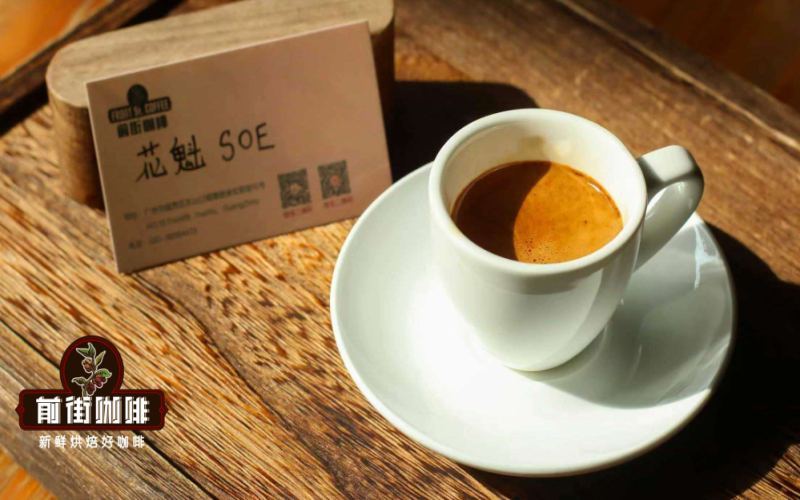
Can Single-Origin Coffee Beans Be Used for SOE? A Full Analysis of Flavor Performance, Pros and Cons, and Bean Selection & Roasting Tips
SOE is a popular category in today's specialty and chain coffee shops, referring to espresso extracted from single-origin coffee beans. It can showcase a region's character at high concentration, but stability and roasting compatibility are often overlooked. This article uses comparative experiments between pour-over and espresso to illustrate flavor differences, sorts out the advantages and shortcomings of SOE, and offers selection guidance: you can use single-origin beans roasted at medium or darker levels, or directly choose beans specifically designed for SOE. The article also combines examples such as Front Street Strawberry Candy, Brazil Queen's Estate, and Granada Geisha to explain the effects of different processing methods and roasting on espresso and milk coffee performance, and emphasizes the importance of freshness for flavor. [more…]
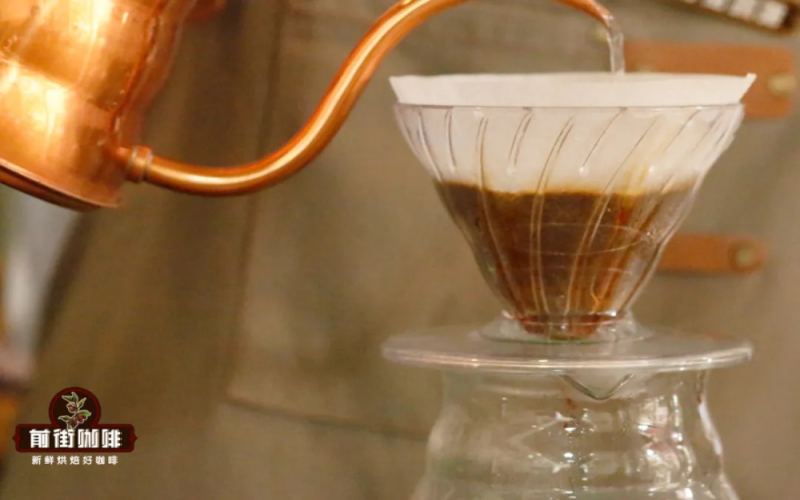
Pour-Over Coffee Bean Selection Guide: Fruit Acidity, Nutty Notes, and Five Major Flavor Type Recommendations
The popularity of pour-over coffee continues to rise, and many people are starting to equip themselves with gear at home and try their hand at brewing. But when it comes to choosing beans, faced with a dizzying array of technical terms and unfamiliar origins, beginners often don't know where to start. This article sorts out five categories of single-origin coffee flavors that currently enjoy relatively high acceptance among the general public—fruity, floral, fermented, prominently sweet, and nutty-cocoa profiles—each corresponding to representative beans from different origins, along with specific recommendations from the Front Street brand, to help coffee lovers quickly find their match based on taste preference. [more…]
Beginner's Guide to Drip Coffee: From Brewing Principles to Taste and Flavor, Front Street Teaches You Bean Selection and Pour-Over Techniques
What exactly is drip coffee? How does it differ from espresso? Starting from the origins and working principles of the drip method, this article provides a detailed analysis of the taste characteristics of drip coffee, its core differences from espresso, the ideal brewing water temperature and roast level selection, and, combined with practical case studies of Front Street Coffee's V60 and KONO brewers, gives specific brewing parameters for bean varieties such as Sidamo Flower Queen and Mandheling. Whether you are a beginner who has just encountered coffee or an enthusiast looking to refine your pour-over technique, you will find brewing ideas and bean selection suggestions that suit you. [more…]
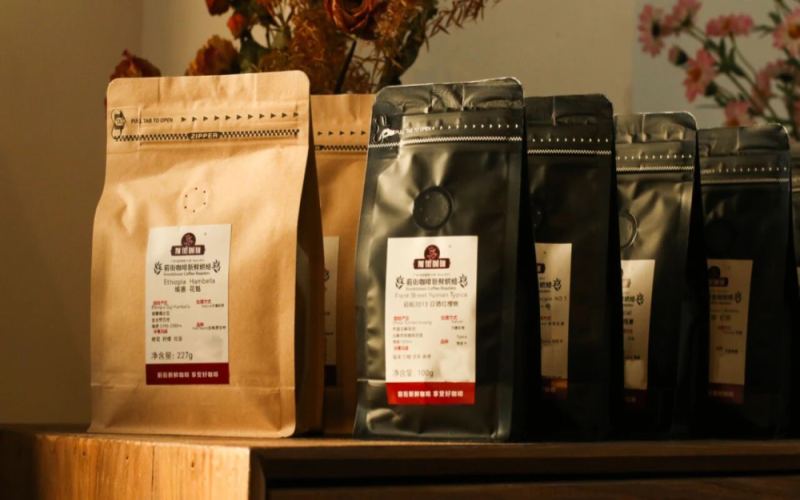
Home Coffee Bean Selection Guide: For Pour-Over, Should You Choose Single-Origin or Blend? A Full Analysis of Freshness and Regional Flavors
Faced with a bewildering array of coffee bean options, many enthusiasts often don't know where to start. This article approaches bean selection from three dimensions—extraction method, roast date, and regional flavor profiles—to help you clarify your thinking: pressurized extraction suits espresso blends, while pour-over extraction is better suited to single-origin beans; when purchasing, be sure to check the roast date and one-way degassing valve packaging; beans from different regions have distinct flavor emphases—African beans offer floral aromas and fruity acidity, Central and South American beans have nutty notes, and Asian beans are rich and full-bodied with low acidity. It also answers the question of whether to buy whole beans or ground coffee, and includes specific product recommendations from Front Street Coffee, so you can easily find the one that suits you. [more…]

How to Add Milk to Pour-Over Coffee Without Ruining It: A Complete Practical Guide from Bean Selection to Milk Temperature
Want to make a delicious milk coffee at home with pour-over equipment, but always end up with too much milk flavor or the coffee losing its sweetness? The problem lies in concentration, beans, grind, water temperature, and milk quantity. Pour-over coffee has a concentration of only about 1.3%, while espresso is as high as around 9%, so adding milk directly tends to let the milk overpower the coffee. Drawing on brewing experience, Front Street Coffee offers practical parameter suggestions step by step—from choosing medium-dark roasted beans, a grinding standard of 75% passing through a No. 20 sieve, a water temperature of 88–90°C, and a coffee-to-water ratio of 1:9–1:11, to adding 80–100 ml of whole milk and heating it to 60–70°C—to help you make a pour-over milk coffee with a balance between coffee and milk. [more…]