







For those new to pour-over coffee, choosing the right beans is the first step. The Front Street daily-drinker series is great for everyday practice and flavor appreciation, while more advanced enthusiasts can try single-origin beans with more distinctive flavor profiles. Beyond bean selection, storing coffee beans is equally important—light, temperature, and oxygen are all invisible enemies of freshness. This article will systematically introduce the characteristics of common pour-over coffee bean types, explain in detail the key points for storing roasted beans and green beans, the pros and cons of different storage containers, and the difference between the peak-flavor period and the shelf life, helping you brew consistently good coffee at home.
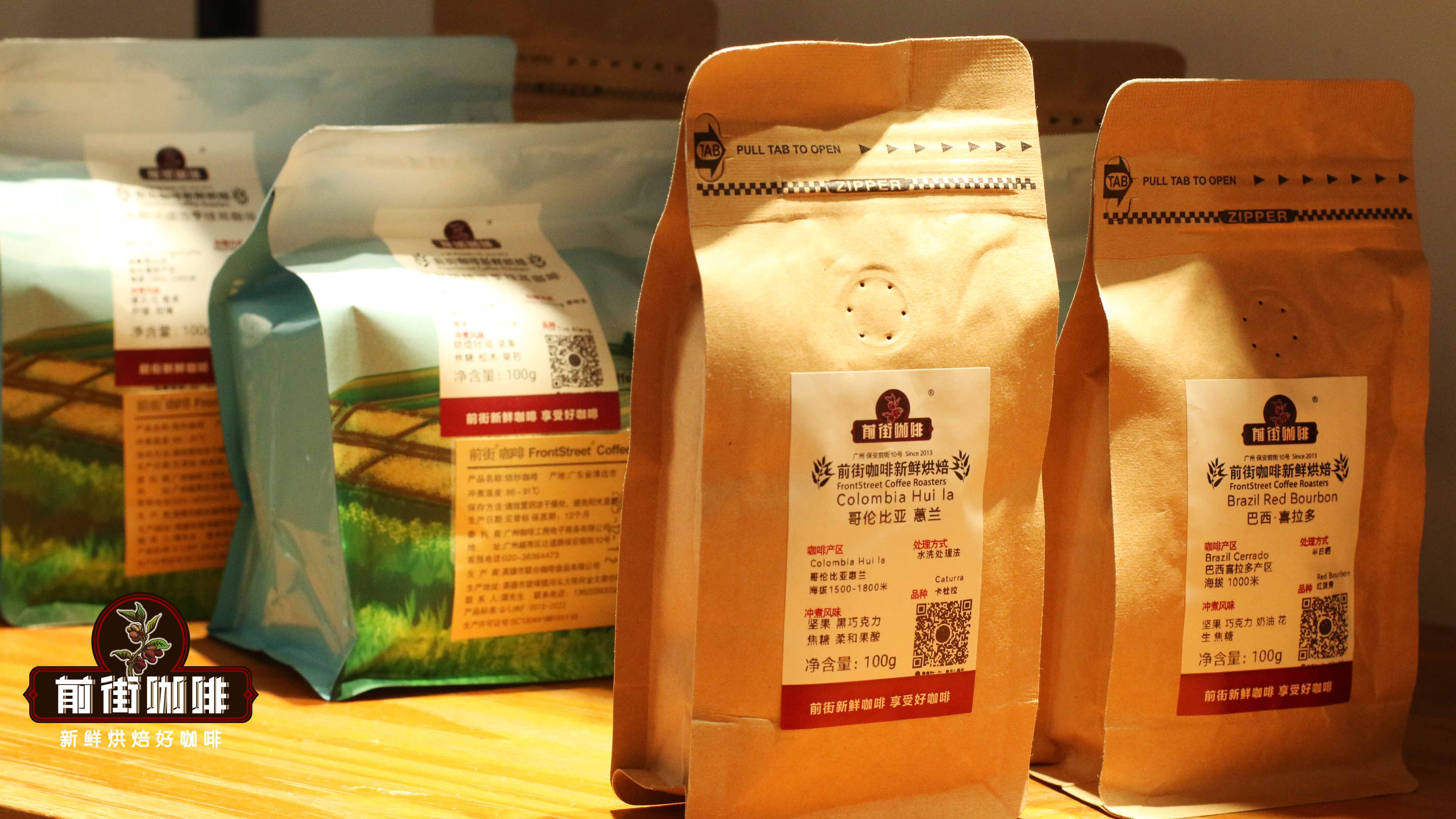
If you want to start learning pour-over, you might begin with Front Street's daily-drinker coffee bean series. This series is suitable both for practicing your pouring technique every day and as an introductory textbook for flavor appreciation.
If you prefer a rich body and spicy notes, choose Front Street Indonesia Mandheling; if you love floral aromas and lemon-like acidity, Front Street Yirgacheffe is worth a try; if you enjoy creamy and nutty aromas, Front Street Brazil Cerrado is a good choice; if you're after dark chocolate flavors, Front Street Colombia Huila will satisfy you; there are also Front Street Yunnan Small-Grain and Front Street Costa Rica Tarrazu with soft acidity and nutty aromas.
If you already have some pour-over experience, you can try single-origin coffees with more distinctive flavors: the boldly floral Front Street Gutingding, the creamy-strawberry Front Street Huakui, the juicy Front Street Little Tomato, the fruit-gummy Front Street Strawberry Candy, the passionfruit-and-grape Front Street Xizhao, and the balanced sweet-sour-bitter Front Street Little Blue Mountain Paradise Bird.
How long can coffee beans be stored? What container is best for storage? Do they need to go in the refrigerator?
The freshness of coffee beans directly determines the flavor direction of a cup of coffee, and whether the storage method is appropriate is the core factor affecting freshness. Front Street would like to clarify one point here: coffee bean storage actually falls into two categories—green beans that have not yet been roasted, and roasted beans that are already done. Green bean storage requires attention to humidity and temperature to prevent mold or insect infestation; roasted beans, in addition to temperature and humidity, must also deal with oxidation, because oxidation accelerates the loss of flavor compounds.
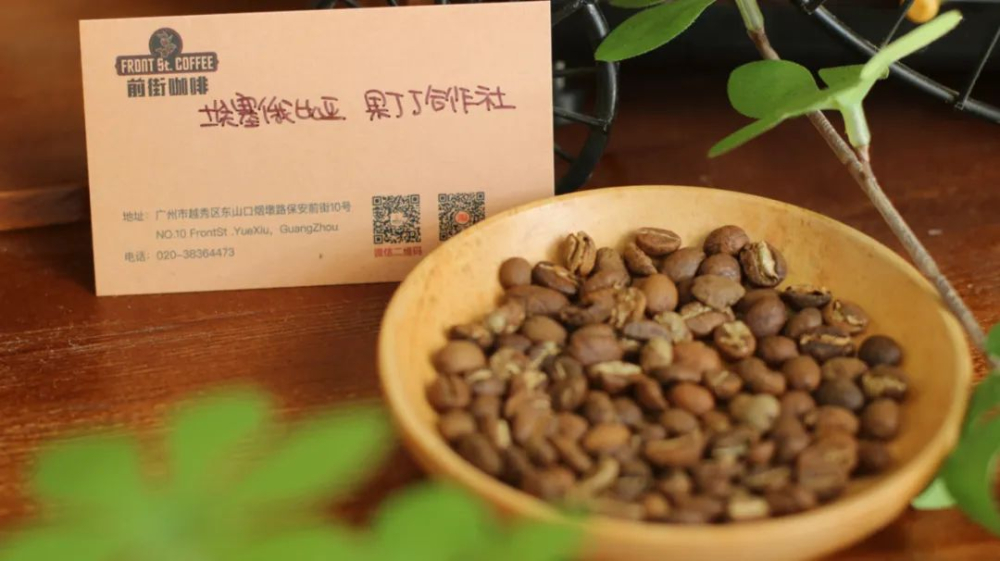
How can roasted coffee beans be kept fresh?
Let's first look at which factors damage coffee bean freshness:
Factor damaging coffee bean freshness ① Light
Factor damaging coffee bean freshness ② Temperature
Factor damaging coffee bean freshness ③ Oxygen
So, what container should be used to store coffee beans?
Ziplock bags with one-way degassing valves. Freshly roasted coffee beans usually come in packaging equipped with a one-way degassing valve. How it works: the beans inside the bag continuously release carbon dioxide, and when the internal pressure rises to a certain level, the gas pushes the valve open and escapes. Since the valve only opens when the pressure inside the bag exceeds the outside pressure, outside air and moisture cannot enter the bag while gas is being released. When you don't have a dedicated airtight container on hand, storing beans directly in their original packaging is a great option—just remember to press the sealing strip tightly closed.
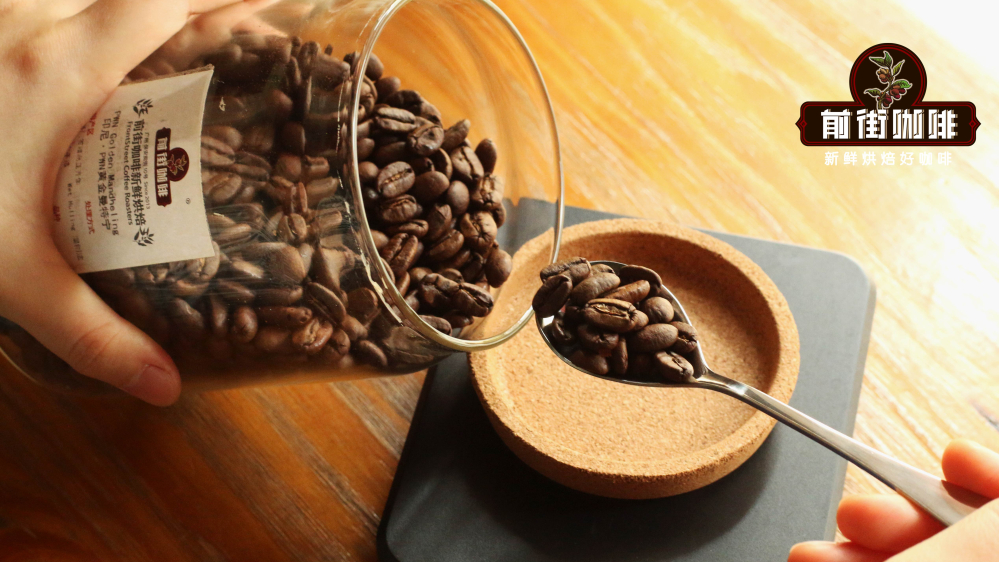
Vacuum-sealed canisters. After putting the lid on this type of canister, you press the exhaust button to pump out the oxygen inside, and it immediately enters a sealed state. At this point, the carbon dioxide released by the coffee beans cannot escape, and under the vacuum pressure, the carbon dioxide wraps around the beans, thereby slowing the rate at which flavor dissipates.
How long exactly can coffee beans be stored?
The coffee bean freshness mentioned earlier actually refers to the peak-flavor period, that is, the time during which the coffee's flavor is at its best. From the 4th day to the 30th day after roasting is typically within the peak-flavor window. Going beyond the peak-flavor period doesn't mean the coffee beans are undrinkable—it just means that even with proper storage, the flavor will gradually diminish. So after 30 days, the coffee may have insufficient aroma and a flat taste. If we set aside flavor considerations and talk only about food safety, the shelf life of roasted coffee beans is 365 days.
The above content is compiled by CoffeeHunters, a coffee news website.


