







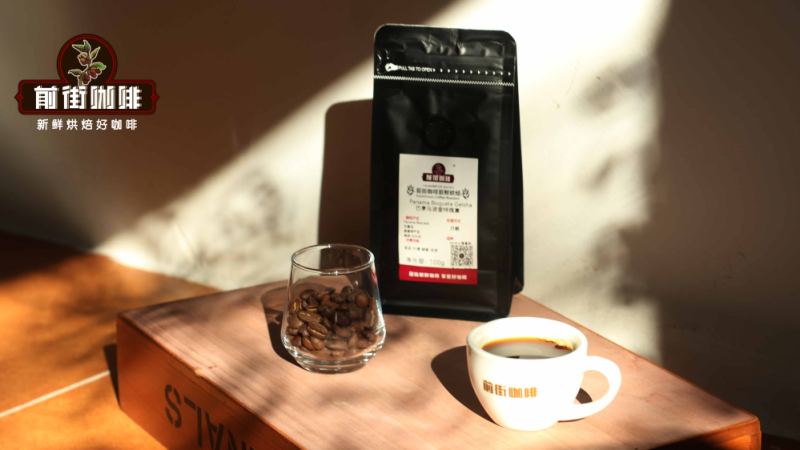
How Should You Brew Panama Geisha Coffee at Home?
Panama Geisha brews well as a pour-over at about 91C with a 1:15 ratio, 15 grams of coffee, and a grind where roughly 80 percent passes a No. 20 sieve. A V60 and a three-stage pour keep the cup clean, so the white floral, bergamot, and melon notes stay distinct instead of muddling together.
Using an Elida Geisha from a 90+ Panama Geisha estate as the example, the process starts with bean selection and resting before the pour. Because results shift with small adjustments, the article treats the numbers as a starting point and recommends recording each brew to repeat the cleanliness and layering.
Geisha coffee is known as the king of the specialty coffee world, and high-end Geisha from Panama is especially sought after. This article uses the Elida Geisha from the 90+ Panama Geisha Estate as an example to systematically outline the complete pour-over process from bean selection and resting to three-stage pouring, and provides key parameters such as water temperature, coffee-to-water ratio, and grind size. It also shares the flavor performance of Front Street Boquete Geisha to help lovers of floral and fruity profiles find a suitable everyday drinking option, making every brew closer to the ideal cleanliness and layering.
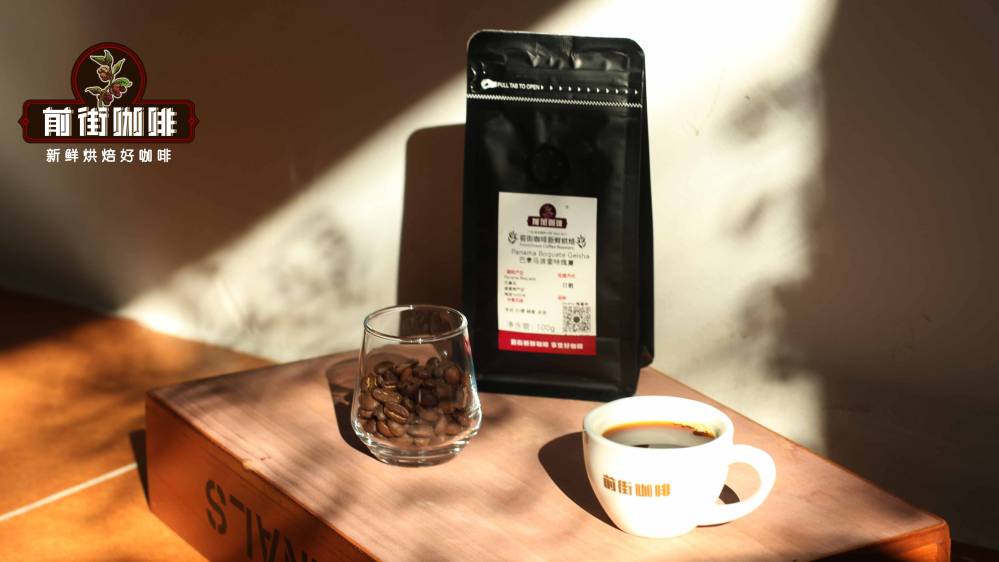
In discussions of specialty coffee, Geisha is always a name that cannot be avoided, and the high-end Geisha produced in Panama is even more highly regarded. If you want to experience that legendary "good stuff," Front Street Boquete Geisha is worth a try. This bean comes from Panama's most representative coffee-producing region, is a pure variety, and has been washed. After brewing, it gives off an elegant white floral aroma, accompanied by notes of bergamot, perfume lemon, and melon. The flavor layers are clear, and the finish leaves a clean tea-like sensation. Because its positioning is tasty but not expensive, it has become a daily staple for many coffee lovers who enjoy floral and fruity profiles.
Front Street 90+ Panama Geisha Estate Pour-Over Sharing
Pour-over may seem to have a low barrier to entry and comes with a sense of ritual, which is why it attracts many coffee lovers. However, truly brewing a delicious cup of pour-over is not easy. Cleanliness, balance, rich layering, and prominent flavors—these pleasant experiences cannot be achieved by a set of standard data alone; they come more from observation and adjustment through repeated brewing. Thus, this notebook column was created. We will try to record the parameters of every coffee bean we brew, and everyone is welcome to exchange and discuss together.
Today we are going to brew a "noble" among Geishas.
[Bean Name] Front Street Coffee 90+ Panama Geisha Estate Elida Geisha
[Origin] 90+ Panama Geisha Estate
[Variety] Geisha
[Processing Method] Special processing method
[Flavor] Guava, pineapple, chocolate, fermented wine aroma
Dripper: V60
Water temperature: 91°C
Dose: 15 grams
Coffee-to-water ratio: 1:15
Grind size: 80% passing through a No. 20 standard sieve
After coffee beans are roasted, they usually need 4 to 7 days to degas and rest before entering their best tasting period. As storage time lengthens, the aroma dissipates faster, and the flavor and mouthfeel also decline noticeably. In order to let customers drink coffee at its best flavor stage, Front Street only ships fresh beans within 5 days after roasting. Fresh coffee beans are also more conducive to extracting the high-quality flavors of Yirgacheffe.
During brewing, Front Street baristas are accustomed to using a three-stage pour:
In the first stage, pour 30 grams of water and bloom for 30 seconds; then pour 95 grams (the electronic scale shows about 125 grams), finishing in about 1 minute; when the water level drops to 2/3 of the coffee bed, pour the remaining 100 grams (the electronic scale shows about 225 grams), finishing in about 1 minute 35 seconds. Dripping is completed at 2 minutes 10 seconds. Remove the dripper, and extraction is finished.
[Tasting Description]: The aroma presents rich tropical fruit notes, such as pineapple and mango; on the palate, chocolate can be felt, followed by strong guava, orange peel, and cranberry flavors. The finish is a lasting honey sweetness, along with lemon-like fruity acidity.
The above content is compiled by CoffeeHunters, a coffee news website.


