







Single-Origin, Blend, or SOE Latte: Which Beans Should You Pick?
A latte, or caffe latte, literally means milk coffee, and in the broad sense any black coffee with milk added counts. That covers espresso-based drinks plus moka pot, French press, pour-over, siphon, or drip bag coffee mixed with milk. Because the standard is loose, bean selection has more room, and the choice between single-origin, blend, and SOE is the main decision.
For an soe latte, a light-roast single-origin espresso coffee bean shows its character, while dark-roast blends suit those who want a more conventional milk drink. Medium-roast or flavor-oriented single-origin beans work well in milk coffee because they hold their own against milk. Since pure black coffee can taste too bitter on entry, milk balances the cup and adds sweetness without a fixed recipe.
As the most widely enjoyed coffee beverage, latte is not only a sales driver for cafés but also the first choice for many enthusiasts entering the world of espresso. Yet when faced with the dazzling array of coffee bean products on the market, should one use single-origin, blend, or SOE to make espresso-based milk coffee? What flavor expressions do different roast levels and processing methods bring? This article starts from the definition of latte, sorts out the logic for choosing espresso beans versus pour-over beans, analyzes the flavor differences between dark-roast blends and light-roast SOE, and combined with specific bean list cases from Front Street Coffee, offers production suggestions using medium-roast or flavor-oriented single-origin beans, helping readers find the latte bean solution that best suits their taste.
Among coffee consumers, latte's reach is arguably second to none. It is both the signature product that many cafés sell the most cups of and often serves as the starting point for enthusiasts encountering espresso. Around latte preparation, Front Street is frequently asked all kinds of questions, and inquiries about "how to choose coffee beans" come up with particular frequency. Today Front Street will focus on this topic and chat with everyone about how to pick beans that hit the spot.
Latte, written in English as caffè latte, literally means milk coffee. Broadly speaking, any way of adding milk to black coffee can be called a "latte." So, besides the industry-specific type of fancy coffee made with espresso plus milk, many newcomers also lump black coffee brewed with a moka pot, French press, pour-over, siphon, or drip bag and then mixed with milk into the "latte" camp.
The root reason this way of drinking is popular is that many people find pure black coffee too bitter on entry and want to use milk to balance the taste, making the coffee easier to drink while adding a touch of sweetness. When making black coffee with milk this way, there is no need to stick to a fixed process, nor to overly fuss over proportions, temperature, milk frothing, and other "particulars"—as long as it tastes good to you, that's enough. Since the standard is so loose, there is naturally more room for bean selection. Friends who prefer this kind of milk coffee and are also struggling with bean choices might want to look back at Front Street's previously written article "How to Make Homemade Pour-Over Milk Coffee Taste Better?"
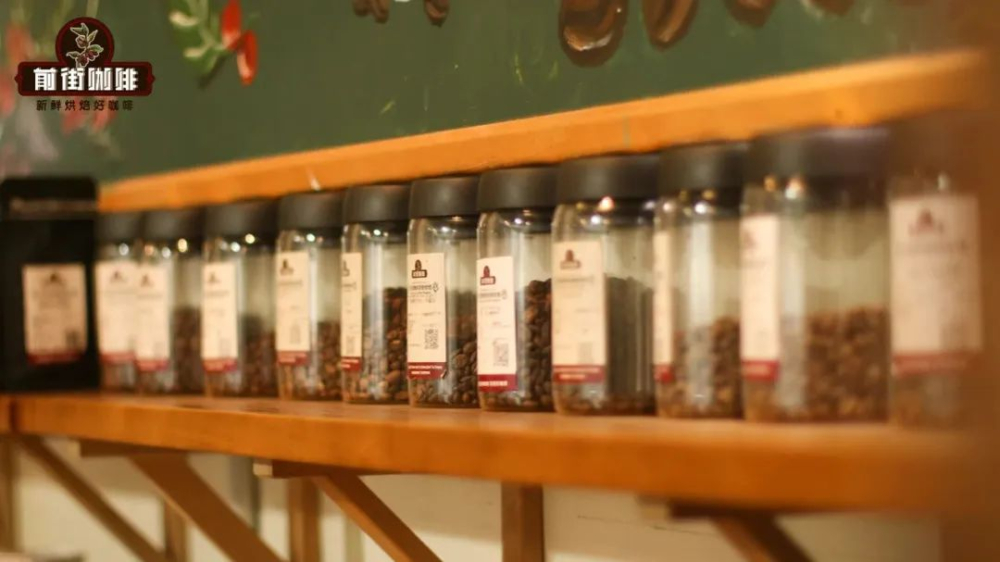
Looking at the coffee bean products currently on the market, they can roughly be grouped into two categories: espresso coffee beans and pour-over coffee beans. The logic is not complicated—espresso and pour-over are precisely the two most mainstream extraction approaches today. So before ordering beans, first figure out which method you plan to use to make your "milk coffee," then filter based on taste preferences.
Take a specific example: on Front Street's Ethiopia bean list there are two Konga coffees, one aimed at drip extraction as represented by pour-over, with the roast level set to light to highlight bright fruit acidity like lemon and citrus; the other is meant to suit pressurized, heated brewing such as espresso machines and French presses, so that the extracted SOE has both fruit acidity and caramelized aromas, and therefore the roast profile was adjusted to medium.
However, as mentioned earlier, most blend beans sold on the market lean dark-roasted, with relatively one-dimensional flavor directions; the espresso they produce is dominated by caramelized aromas, commonly with notes of dark chocolate, cream, and nuts. Meanwhile, the new generation of coffee enthusiasts who grew up influenced by the single-origin coffee concept, rather than pursuing extraction stability and thick crema, want to taste floral notes, fruit acidity, fermentation, and other individualized flavors in their coffee. So they turn their latte bean-selection gaze toward the broad category of pour-over single origins, seeking light-roast beans with more distinct flavors and more prominent aromas—this is what everyone often calls SOE.
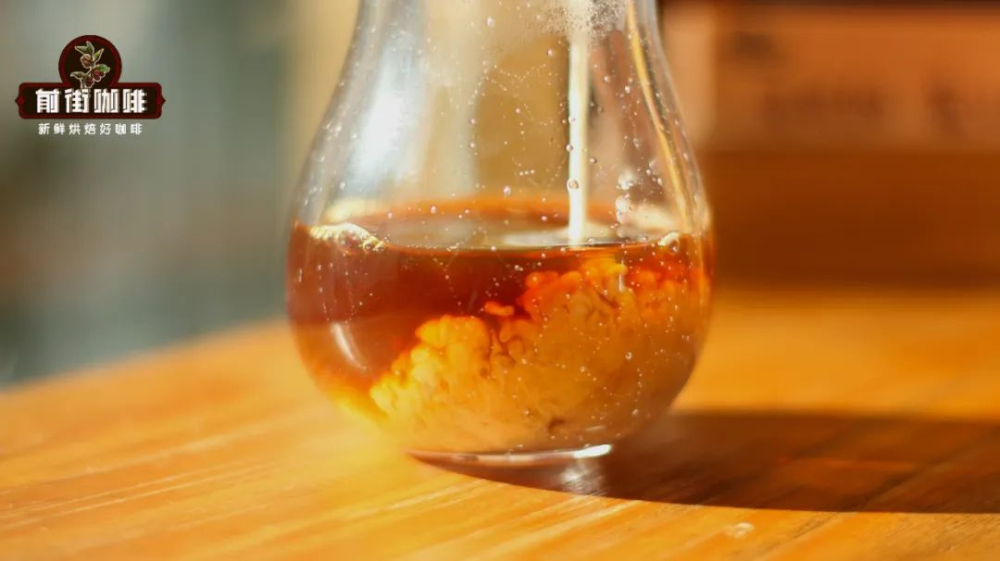
Therefore, if you also prefer SOE lattes, Front Street's suggestion is to choose medium-roast or flavor-oriented (fruity, boozy) single-origin beans for production, which can avoid the harsh mouthfeel brought by too light a roast.
Taking the actual bean list as an example, the SOE milk coffee Front Street extracts using natural-process Huakui reveals notes of passion fruit, honey tangerine, and cream; switching to raisin honey-process Costa Rica Strawberry Candy, the latte clearly shows orange aroma, candied fruit, and rose petal notes; while the SOE latte presented using anaerobic natural Santa Vinyi surprisingly carries flavors of blueberry, dried mango, and fermented fruit aromas.
FrontStreet Coffee
No. 10 Baoqian Street, Yandun Road, Dongshankou, Yuexiu District, Guangzhou, Guangdong Province
The above content is compiled by CoffeeHunters, a coffee news website.


