







Which coffee bean suits an American coffee pot?
For an American drip coffee pot, single-origin beans are the more suitable choice. Drip and filter methods, including pour-over, French press, cold drip, cold brew, siphon and American coffee machines, work better with single-origin beans, which come from one region or estate and taste cleaner with more distinct character. Espresso blends are built for pressurized extraction and aim at a consistent, fuller mouthfeel.
When buying at a coffee store, check the roast date and look for one-way valve packaging to judge freshness. Origin also guides flavor: African beans bring floral aromas and fruity acidity, Central and South American beans lean nutty, and Asian beans are rich and low in acidity. The rule is flexible, since roasters adjust roast style to match a brewing method, and whole beans versus ground coffee is a separate choice.
Faced with a bewildering array of coffee beans, many enthusiasts often don't know where to start. This article approaches bean selection from three angles—extraction method, roast date, and regional flavor—to help you sort out your thinking: pressurized extraction suits espresso blends, while drip extraction is better for single-origin beans; when buying, be sure to check the roast date and one-way valve packaging; beans from different regions have distinct flavor profiles—African beans offer floral aromas and fruity acidity, Central and South American beans have nutty notes, and Asian beans are rich and low in acidity. It also answers the question of whether to buy whole beans or ground coffee, and includes specific product recommendations from Front Street Coffee, making it easy to find the one that suits you.
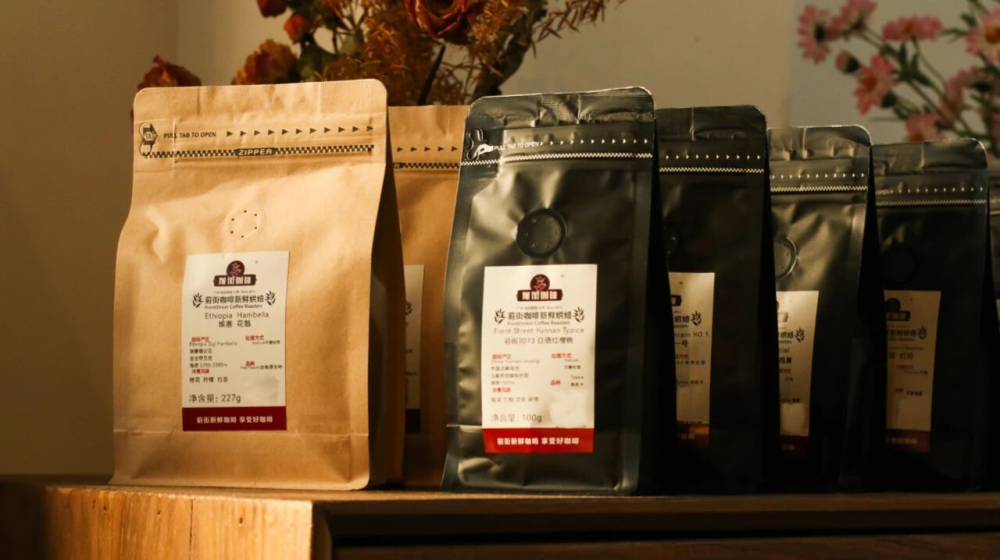
Standing in front of a shelf of coffee beans, have you ever been overwhelmed by a dense list of options? Walking into a roastery, have you ever struggled to choose from a wide variety of beans? Don't worry—master the following key points, and you'll be able to calmly pick out the bean that's right for you.
"First look at the extraction method, then decide on the bean type"
Coffee beans currently on the market generally fall into two categories: single-origin beans and espresso blends. Single-origin beans come from one region or a single estate, and typically taste cleaner with higher distinctiveness. Espresso blends combine beans from multiple regions in specific proportions, aiming to keep the flavor consistent over time, with a fuller, richer mouthfeel.
If you normally use pressurized extraction equipment like a moka pot or espresso machine, prioritize espresso blends; if you prefer drip/filter methods like pour-over, French press, cold drip, cold brew, siphon, or American drip machines, then single-origin beans are more suitable.
Of course, this doesn't mean blends can't be used for pour-over, nor that single-origin beans can't be extracted under pressure. Usually the shop or roaster will adjust the roasting style for different extraction methods, highlighting a particular flavor or mouthfeel to better match a specific brewing method.
When using espresso beans for pressurized extraction, if you prefer coffee with rich crema and a balanced, intense flavor, you can prioritize espresso blends. Take Front Street Specialty Espresso Blend as an example—it combines Colombia Huila and Brazil Cerrado in a 3:7 ratio, with prominent roasted nut and chocolate aromas.
"Look for freshly roasted beans with a one-way exhaust valve"
Front Street Coffee has repeatedly emphasized: the freshness of coffee beans is crucial. Every day after roasting, the beans lose a bit more flavor until it's entirely gone. So if you want coffee with clear layers and distinct aromas, be sure to confirm the roast date when buying.
Generally speaking, single-origin beans are at their best within 15 to 20 days after roasting, and ideally consumed within 30 days. Espresso beans perform best within 30 days after roasting, with the optimal tasting window extending to 45 days.
So does that mean beans just off the roast are the best? Actually, no. Freshly roasted beans hold a large amount of carbon dioxide and carry a smoky, pungent smell, both of which interfere with extraction and taste. So if you buy just-roasted beans, let them rest in a sealed bag with a one-way exhaust valve—the valve releases gas from inside while blocking outside air and moisture—allowing the carbon dioxide to escape naturally and the smoky pungency to fade. This process is commonly called resting the beans. Resting time varies with roast level. Front Street recommends: 3 to 4 days for light-medium to medium roasts, 5 to 6 days for medium-dark roasts, and 7 to 10 days for espresso beans.
"Choose single-origin beans by region, roast level, and flavor description"
Here's a general guideline for choosing beans: if you prefer floral and fruity acidity, choose beans from African regions, usually light-medium roasts; if you like nutty notes, choose Central and South American regions, generally medium roasts; if you don't want any acidity and prefer bitterness, choose Asian regions, mostly medium-dark roasts.
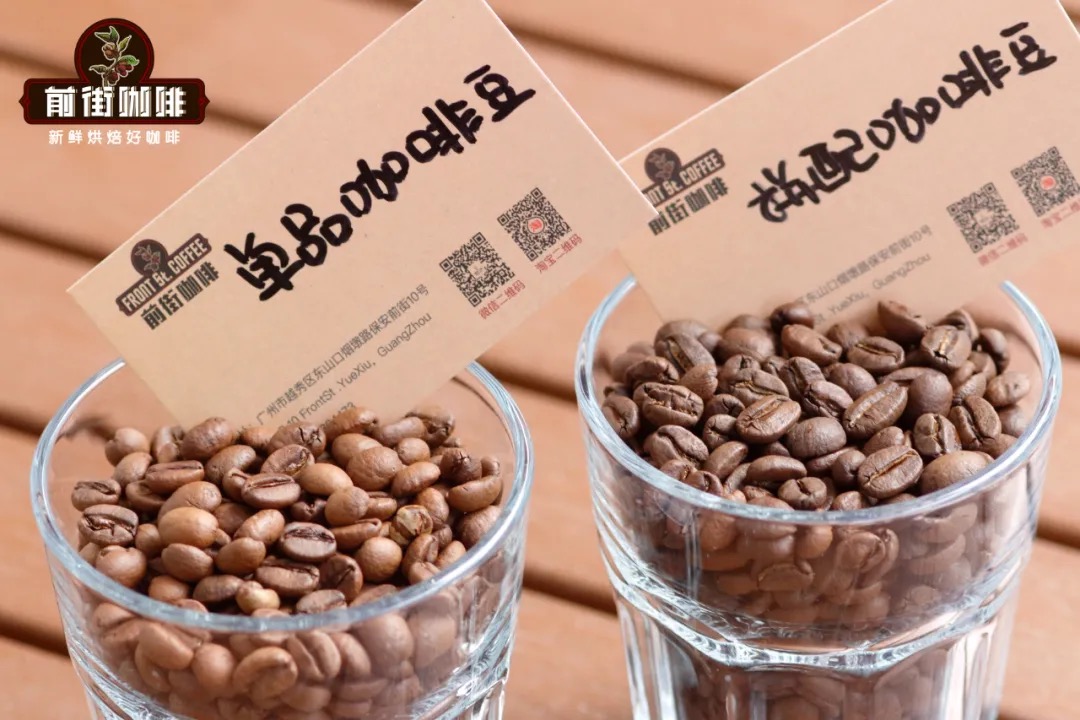
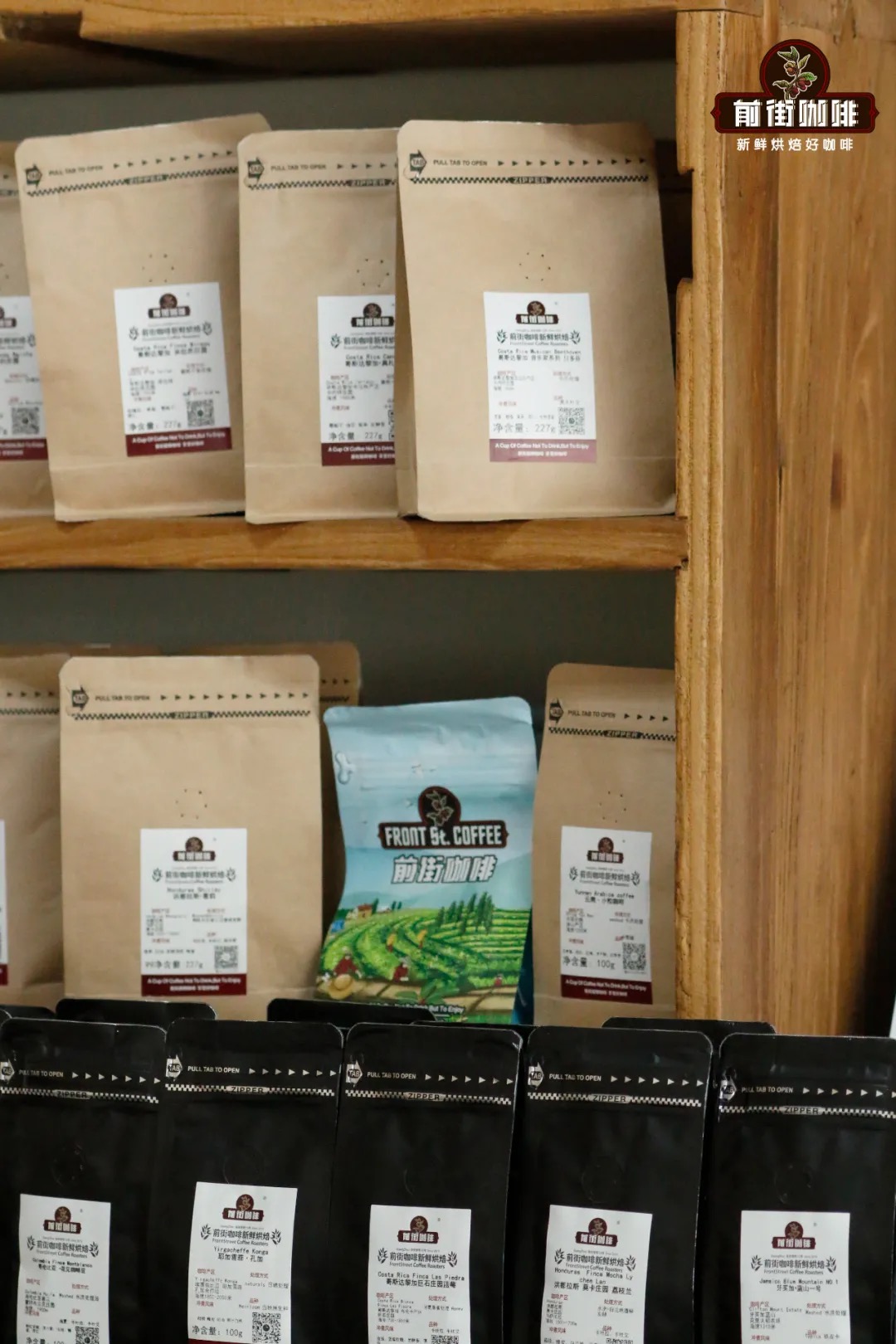
Taking the beans sold at Front Street Coffee as examples, different regions present entirely different flavors due to differences in variety, growing altitude, processing method, and roast level. If you really can't decide on a region, refer to the flavor descriptions provided by the shop to make your decision.
If the flavor description frequently features fresh terms like citrus, berries, floral, or tea-like, it's generally a light-medium to medium roast with more prominent sweet-tart notes. Representative beans include Front Street Yirgacheffe Gutingding Cooperative, Front Street Panama Boquete Geisha, and Front Street Ethiopia Huakui.
If the description commonly features rich notes like nuts, dark chocolate, or cream, it's usually a medium to medium-dark roast with lower acidity and a more substantial, full-bodied mouthfeel. Representative beans include Front Street Brazil Queen's Estate, Front Street Papua New Guinea Bird of Paradise, and Front Street Indonesia Golden Mandheling.
If the description features particularly prominent notes like winey aroma or intense fruity flavors, it's most likely a specially processed bean where a certain aroma or flavor is amplified. Representative beans include Front Street Panama 90+ Eleta, Front Street Costa Rica Mozart, and Front Street Colombia Rose Valley.
"Buy whole beans or ground coffee?"
Many shops offer grinding services for those who enjoy pour-over but don't have a grinder. But whenever possible, Front Street still recommends buying whole beans. Whole beans delay flavor loss more effectively—once ground, the surface area exposed to air increases dramatically, and aromas dissipate faster. So if you drink coffee frequently, consider getting a hand grinder costing over 200 yuan and grind right before brewing. As long as the beans are within their optimal tasting window, freshly ground coffee will always be more aromatic and tastier than pre-ground.
If you really don't want to buy a grinder but still want to enjoy pour-over, Front Street suggests choosing drip bag coffee.
Front Street's drip bag coffee is made by grinding fresh single-origin beans into powder, portioning 10 grams per bag into drip filter bags, and sealing each independently. To brew, simply tear open the outer package and the filter bag seal, pour in about 150 grams of 90°C hot water, and you'll have a cup of aromatic single-origin coffee. Drip bags are best stored for no more than 30 days.
The above content is compiled by CoffeeHunters, a coffee news website.


