







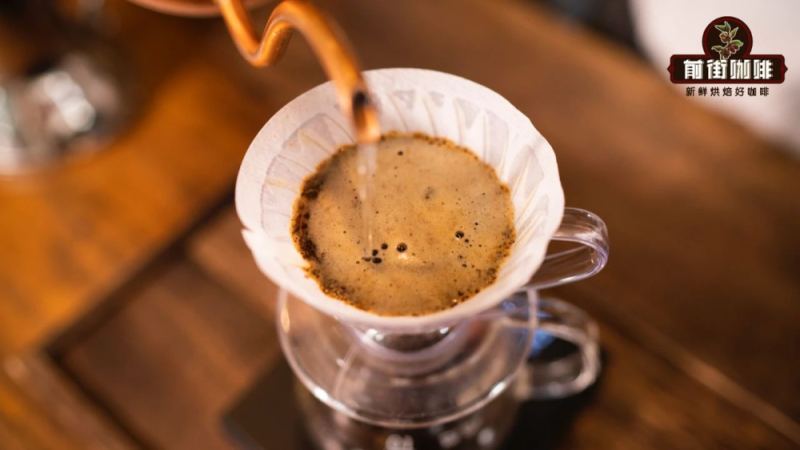
How Do You Choose Pour-Over Coffee Beans by Flavor?
Pour-over places almost no limits on which beans can be used, so the starting point is flavor preference rather than origin. Floral-leaning drinkers can look at washed Yirgacheffe, those who want a heavy body can try Indonesian Mandheling, and anyone after a balanced profile can consider Brazil Cerrado. Roast level then decides how much of that character actually reaches the cup.
Grinding matters as much as bean choice, because ground coffee exposes far more surface area to air and loses aromatics quickly. Grinding right before brewing keeps the peak flavor window intact, and buyers who want a gentler cup may compare peru coffee beans taste against brighter African lots. Brands that ship within five days of roasting give the longest usable window after the bag arrives.
With the wide variety of coffee beans on the market, choosing the right beans for pour-over has become a puzzle for many enthusiasts. This article starts from flavor preferences to help you clarify your bean-selection approach: whether you love floral notes, fruity notes, or a rich, full body, you can find a corresponding origin and representative bean. At the same time, the article also explains how grinding freshness affects flavor and introduces how the Front Street brand strictly controls roast dates. In addition, it offers practical advice on the taste differences brought by different roast levels, helping you more precisely find the cup of pour-over coffee you desire.
There are so many types of coffee beans on the market that if you do not yet have clear preferences, it is easy to feel at a loss when facing a price list. It is advisable to first figure out the type of flavor you prefer—whether it is pronounced floral notes, intense fruitiness, or a light and elegant taste—and then ask the shop for targeted recommendations, so you will not buy blindly.
Siphon pots and moka pots each have coffee beans that suit them, but the biggest difference with pour-over coffee is that it places almost no limits on the beans. Moka pot extraction time is relatively short, and people with less sensitive palates often find it hard to capture the layered changes within; pour-over is different. No matter which country or region the coffee beans come from, it can fully reveal their pure flavor, aroma, and complexity. If you like floral notes, you can try Front Street washed Yirgacheffe; if you prefer a rich, full-bodied taste, Front Street Indonesian Mandheling is a good choice; if you want to experience a balanced flavor profile, Front Street Brazil Cerrado is worth a try...
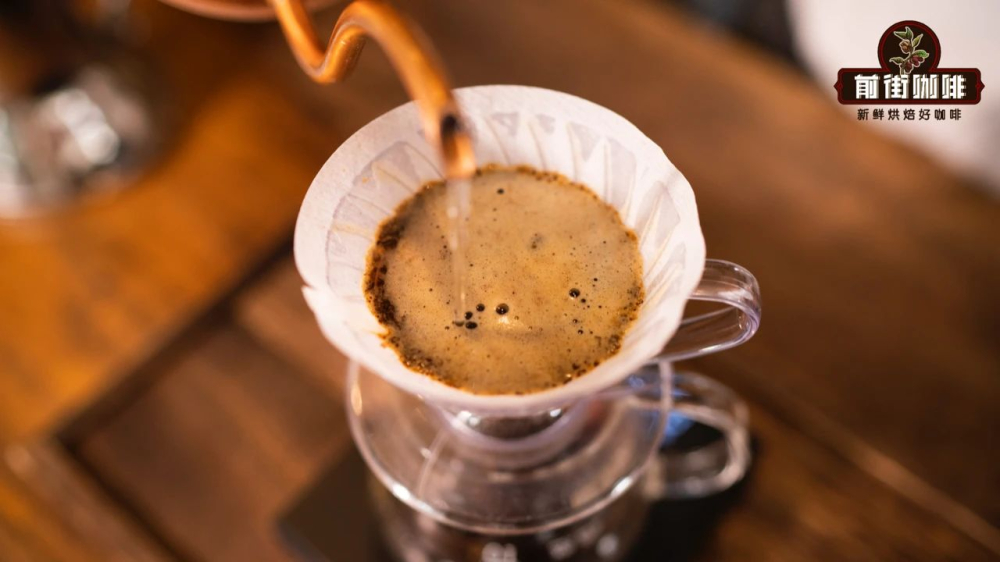
However, there is one point that requires special attention: coffee beans have a peak flavor period. Once they are ground into particles or powder, the surface area exposed to air increases greatly, oxidation speeds up, and aromatic substances are quickly lost. Therefore, unless you are traveling and cannot carry a full set of pour-over equipment, it is best to insist on grinding right before drinking, so you can truly taste the essence of the coffee. Front Street only ships fresh coffee beans within 5 days after roasting, ensuring that consumers still enjoy the longest peak flavor period when they receive them.
Do you emphasize floral notes, or do you emphasize a rich, mellow taste?
That said, how exactly should you choose coffee beans? Are there any principles to follow? Facing coffee varieties from all over the world, few people can avoid getting lost on the coffee map. Front Street's advice is to choose based on personal taste and preference. If you prefer beans with obvious floral notes, you can choose Front Street Ethiopia Huakui or Front Street Panama Geisha coffee. Among them, the Front Street Hacienda La Esmeralda Geisha coffee beans produced in the Baru Volcano area of southwestern Panama carry the aroma of jasmine, rose, and bergamot. Drinking it after it cools allows you to better appreciate the layered changes in acidity, offering a distinctive flavor.
If you like a rich, mellow taste, coffee beans produced by island nations are most suitable. Influenced by climate, these regions are often shrouded in mist, which instead helps coffee beans develop rich complexity and aroma. You can try Front Street Jamaica Blue Mountain. Its moderate acidity blends with a faint vinous note and nutty aroma, and it has long been a favorite of coffee connoisseurs.
As for those who prefer a heavy body, it is recommended to try Front Street PWN Golden Mandheling or Front Street Peru coffee. Indonesian Mandheling is currently the only coffee in the world processed using the traditional wet-hulling method, and the well-known "Golden Mandheling" on the market is precisely a high-quality product resulting from strict Japanese control of every step.
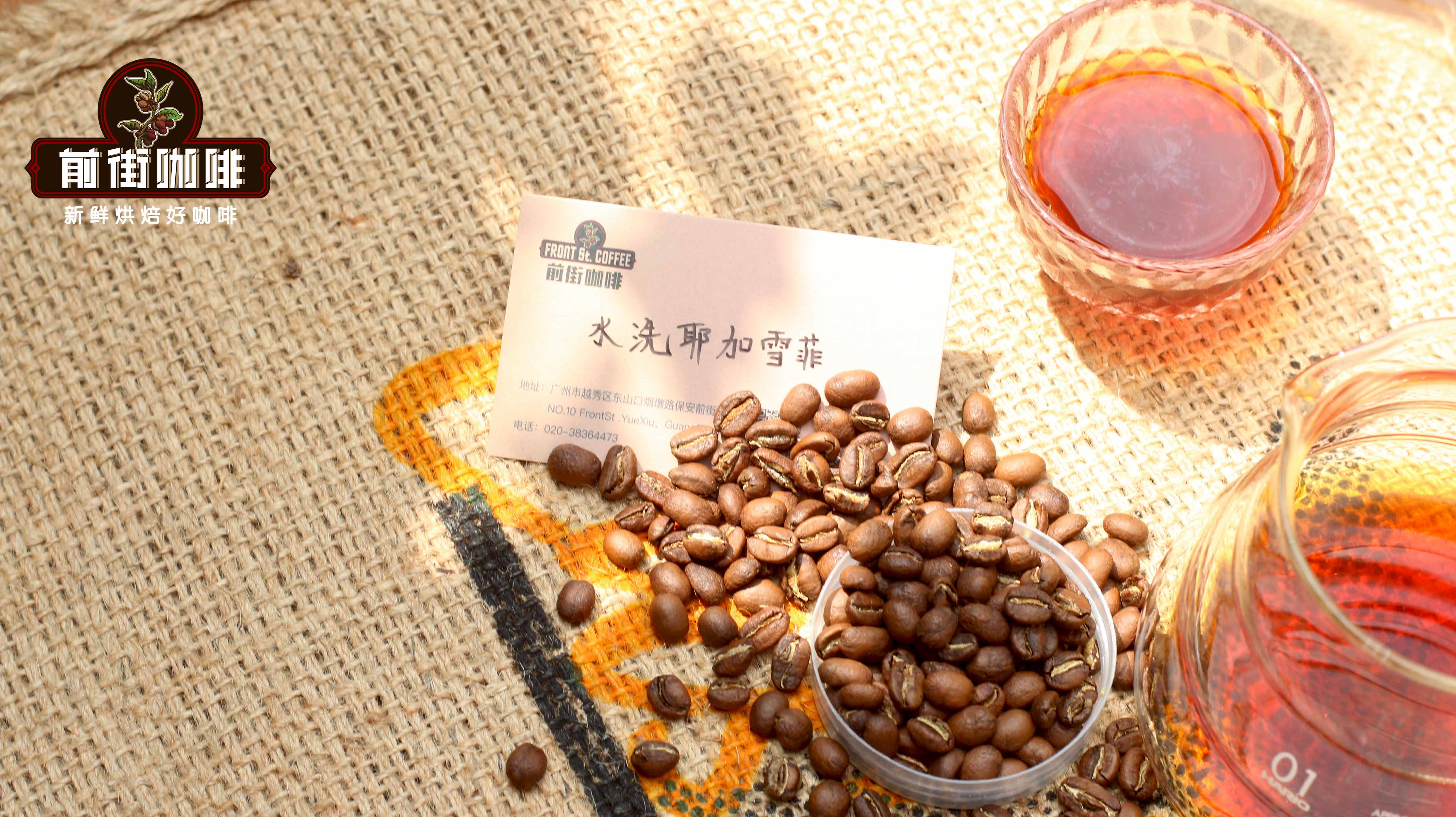
Do you like dark roast, or light roast?
In addition to choosing the coffee variety, roast level is also worth attention. The lighter the roast, the more it preserves the original taste of the fruit, so the fruity acidity is more prominent and the fruity aroma is relatively more obvious. The darker the roast, the stronger the bitterness and intensity; medium roast naturally falls between the two. However, every type of coffee bean has its most suitable roast level. If the bean itself has lemon aroma, a dark roast is very likely to mask this characteristic, so when buying, it is still safer to ask the shop for more guidance.
The above content is compiled by CoffeeHunters, a coffee news website.


