








How does iced pour-over change your coffee brewing routine?
Iced pour-over, sometimes called Japanese-style iced coffee, brews a concentrated hot extract that is then cooled and diluted over ice. The result is crisp and refreshing, with soft acidity, clear sweetness and strong thirst-quenching quality. Any beans work, but fruit-forward lots show more aroma while balanced lots stay smooth.
The working formula is coffee grounds in a fine grind, ten times the weight in hot water, and five times the weight in ice. Bloom first, then pour in stages and watch total extraction time. Lighter and fruitier arabica coffee tends to shine over ice, while heavier lots keep their caramel and nutty notes after chilling.
When the weather is dry, a glass of iced coffee always refreshes you instantly. This article focuses on the classic method of iced pour-over, first introducing the selection of coffee beans for different flavor profiles, including Front Street Strawberry Candy, Front Street Sidra, Front Street 2013 Sun-Dried Typica, Front Street Bird of Paradise, Front Street PWN Golden Mandheling, Front Street Queen's Estate, etc. Then it breaks down the coffee dose, water amount, ice ratio, and grind size using a universal formula, and takes Front Street Kafa Forest as an example to fully demonstrate the steps of blooming, pouring, and extraction time, helping you recreate the iced pour-over flavor from the café at home.

In golden October, the air is dry. After running around outside for a while and stepping into a café, many people still reach for a glass of iced coffee. One glass after another, that penetrating refreshment is truly hard to replace.
So how exactly is iced coffee made? Here we can't avoid the topic of iced pour-over.
Iced pour-over, often also called Japanese-style iced pour-over, works by first using hot water to extract a higher-concentration coffee liquid, then cooling and diluting it with ice to finally obtain a refreshing cold drink. It tastes crisp on the palate, with soft acidity, clear sweetness, and with the added ice, its thirst-quenching effect is especially outstanding, making it an ideal drink for hot or dry seasons.
In fact, any coffee beans can be used for iced pour-over; the key lies in personal preference: if you want to highlight fruity notes, you can choose Front Street Strawberry Candy and Front Street Sidra, where you can sense sweet aromas of passion fruit, grape, apricot, and floral notes;
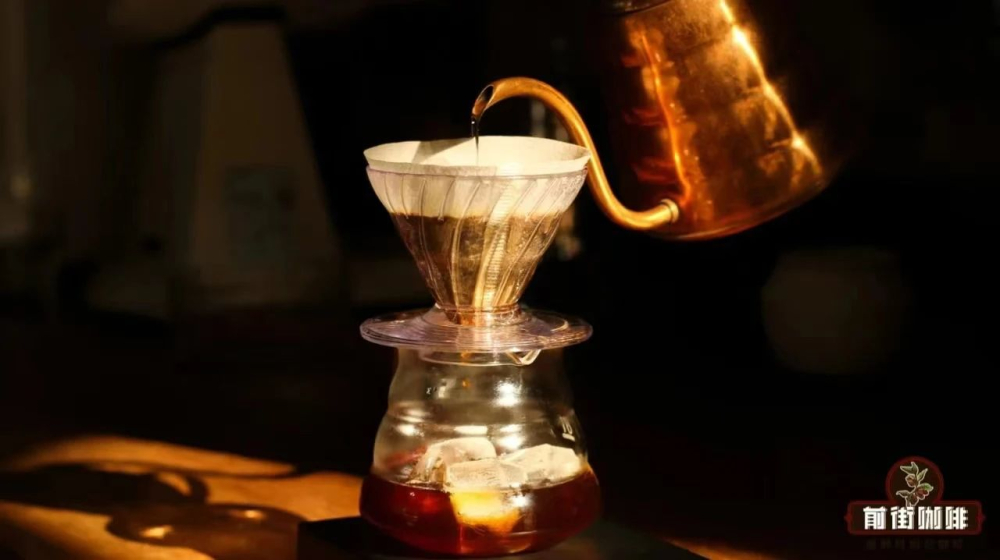
if you prefer a balanced style, Front Street 2013 Sun-Dried Typica and Front Street Bird of Paradise are top choices, with clear nutty aromas after iced brewing and neither acidity nor bitterness being sharp; if you pursue a richer, fuller body, Front Street PWN Golden Mandheling and Front Street Queen's Estate are worth trying, with their rich caramel aroma being memorable.
Even if you have the same beans on hand, you don't have to copy every parameter from the café at home. To recreate the café's iced pour-over, mastering one universal formula is enough:
Iced pour-over = coffee grounds (fine grind) + 10 times hot water + 5 times ice.
When Front Street makes iced pour-over, it uses 15 grams of coffee grounds, with a coffee-to-water ratio of 1:10, meaning 150 grams of hot water for extraction, then adds 100 grams of ice for cooling and dilution. As for whether to put the ice in first or later, that is exactly the step this article will test.
Here, Front Street Kafa Forest is used as a demonstration. Kafa is one of the most densely forested regions in Ethiopia. The primary forest of the Kafa Biosphere is widely recognized as the birthplace of coffee and is also a genetic treasure trove of Arabica coffee. The "Gesha" in the origin story of Geisha is precisely a region in the western part of Kaffa. Besides being representative of its origin, this Front Street Kafa Forest is washed-processed and carries elegant white floral notes, as well as juicy fruity flavors of sweet orange, dried apricot, peach, green grape, and yellow lemon.
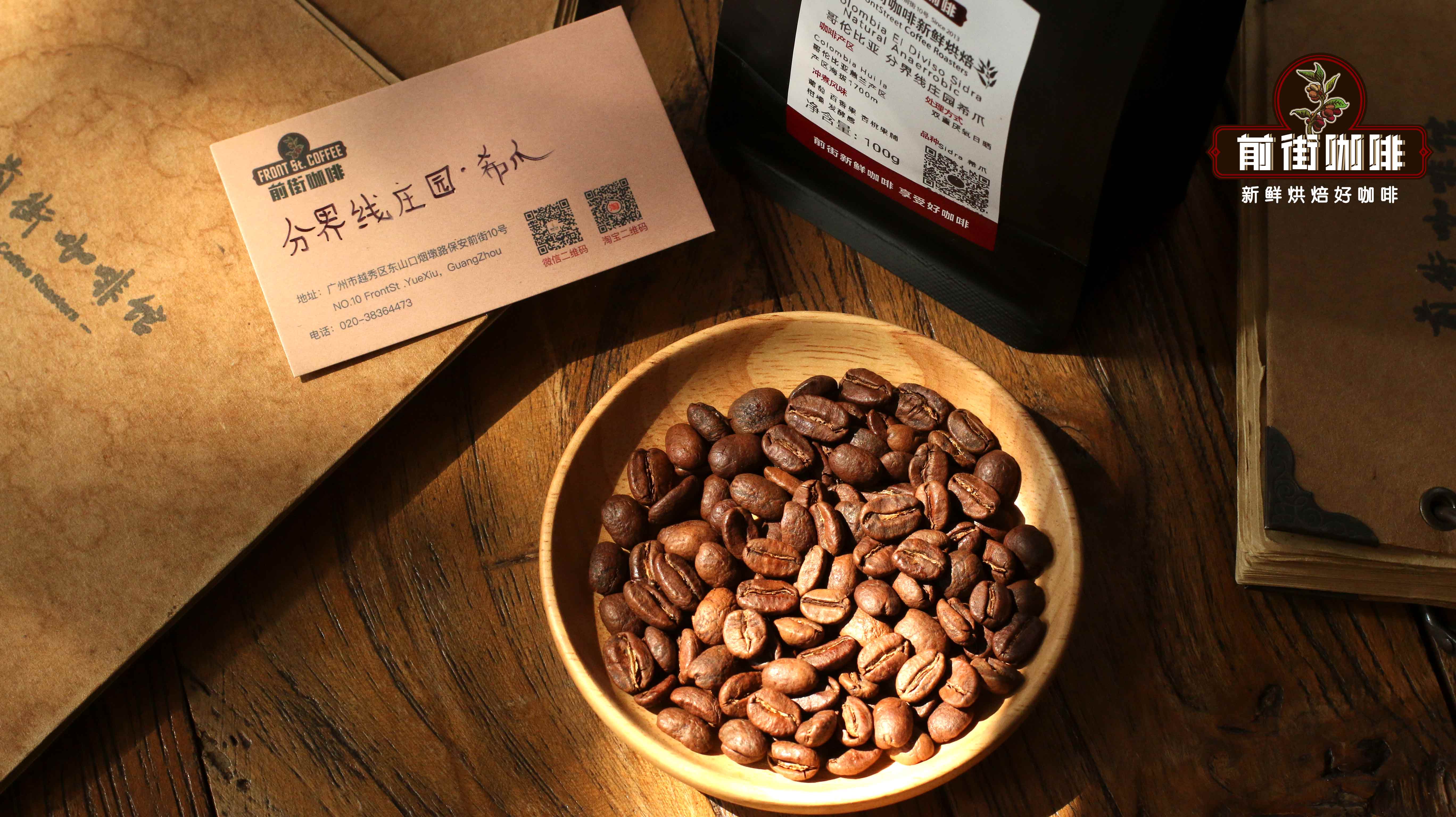
The coffee grounds are ground finer than for hot pour-over. Taking this brewing of Front Street Kafa Forest as an example, when Front Street makes hot pour-over it uses EK43s grinder at 10 setting (80% passing a No. 20 standard sieve), while for iced pour-over it adjusts one step finer to EK43s grinder at 9 setting (85% passing a No. 20 standard sieve). As for water temperature, light-roast coffee is recommended at 90-91°C, and medium-dark roast coffee at 87-89°C.
First place 100 grams of ice into the sharing pot, then set the dripper and filter paper on top, pour in 15 grams of ground coffee, and tare the electronic scale.

Begin pouring and brewing. For the first stage, pour in 30 grams of hot water and bloom for 30 seconds, then pour in 70 grams of hot water in a circular motion from the center outward. Because the grind is slightly finer, the coffee bed will rise quickly, and the water will drain more slowly than in hot pour-over. When the water level drops by half, continue pouring in 50 grams of water. After all the coffee liquid has flowed into the lower pot, remove the dripper. The total extraction time is about 1 minute 40 seconds. Finally, gently swirl the pot to let the coffee liquid cool quickly and mix evenly.
The above content is compiled by CoffeeHunters, a coffee news website.


