







Search Results for: Pour-Over Blend
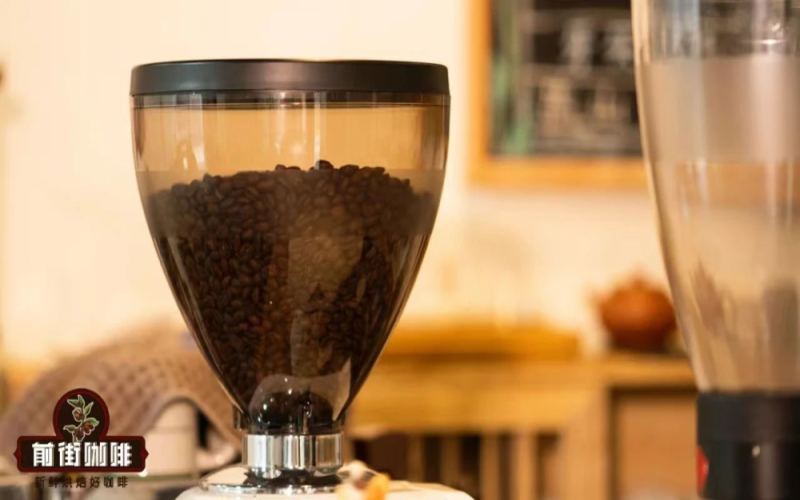
Flavor Characteristics of Pour-Over Blend Coffee Beans | Can Blend Coffee Beans Be Used to Brew Pour-Over Black Coffee? How to Choose Pour-Over Blend Coffee Beans?
For more specialty coffee knowledge, please follow our WeChat official account: FrontStreet Coffee. Blended coffee beans are commonly found in espresso, but are rarely seen in pour-over coffee. So, will blended coffee beans taste good when brewed as pour-over? - Understanding blended coffee beans [more…]
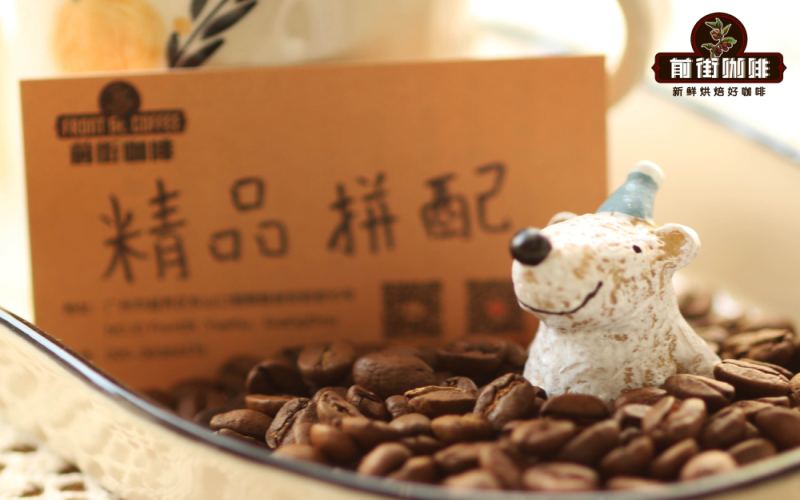
Can Espresso Blend Beans Be Used for Pour-Over? A Comprehensive Analysis of the Differences Between Espresso Beans and Single-Origin Beans and Brewing Recommendations
In an era where espresso and pour-over coffee coexist, many enthusiasts wonder: what happens if you use espresso blend beans for pour-over? From the perspective of Front Street Coffee, this article sorts out the essential differences between espresso blend beans and single-origin beans, explores the feasibility and flavor performance of using espresso beans for pour-over, and provides specific pour-over parameter references. At the same time, the article also introduces the flavor characteristics and prices of several Front Street espresso blend coffee beans, helping readers make choices according to their needs. Whether you want to try a new approach or want to understand the art of blending, you can gain practical information from it. [more…]
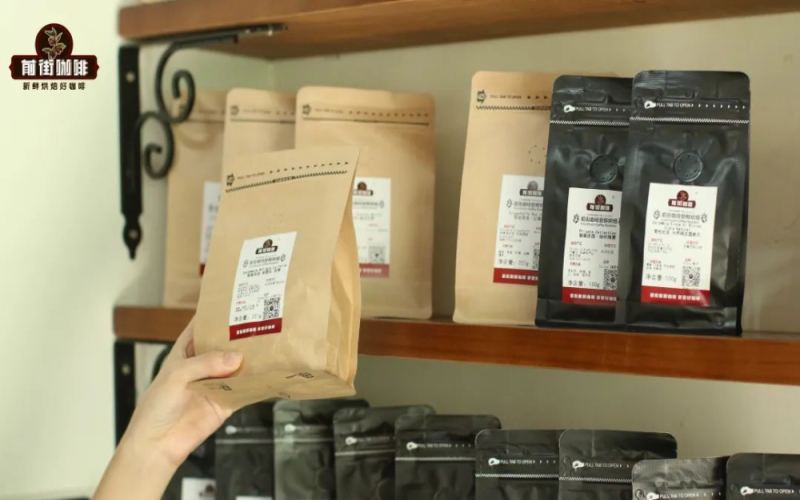
Can Espresso Blend Beans Handle Pour-Over? An In-Depth Analysis of the Price Difference Between Espresso Beans and Pour-Over Beans and Brewing Practice
When selecting coffee beans, we often face two choices: single-origin beans and espresso blends. The former is suitable for a variety of extraction methods, while the latter is designed specifically for espresso machines. But can espresso beans be used for pour-over? Why are pour-over beans more expensive? This article will start from the characteristics and blending logic of espresso beans, explore their feasibility for pour-over, and use Front Street Strawberry Candy espresso blend as an example to share practical brewing experience and flavor performance. Whether you are a beginner or a seasoned enthusiast, you will find useful references here. [more…]
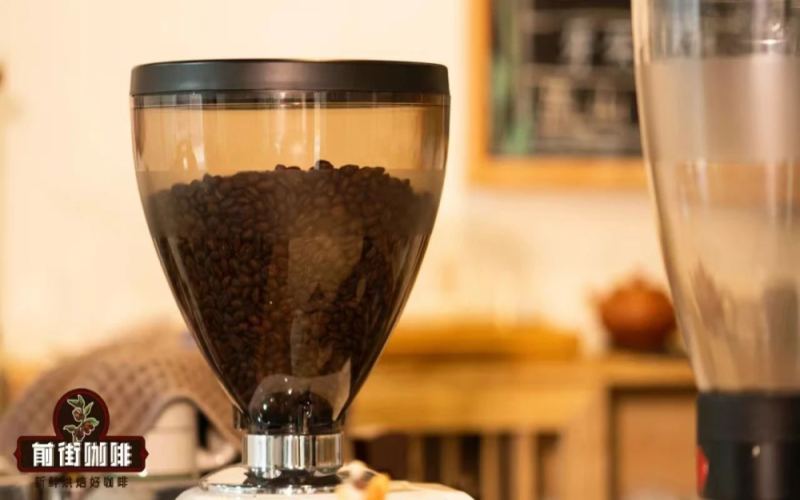
How to Choose Beans for Pour-Over Blend Coffee? A Full Analysis of Three Great-Tasting Recipes and Their Flavor Characteristics
Blended coffee beans commonly appear in espresso, but are rarely seen in pour-over. So, are blended beans actually tasty when extracted by pour-over? Starting from the concept of blended coffee beans, this article clarifies the relationships between espresso beans and pour-over beans, and between blends and single origins, explaining that a blend is not synonymous with low quality—the key lies in the blender's purpose and recipe design. The article also shares the experience of Front Street Coffee's own roasted Sunflower Warm Sun blend, and provides three pour-over-friendly blend recipes—Mamba Blend, Deep Affection, and Floral-Fruity Harmony—describing each one's flavor performance to help coffee lovers understand how to choose and combine beans to make a delicious pour-over blend. [more…]
Can Espresso Blend Beans Be Used for Pour-Over? A Full Breakdown of the R&D Process for a Yunnan Typica Autumn Pour-Over Blend
Many people assume that blended coffee beans can only be used for espresso, but Front Street Coffee has proven through actual research and development that pour-over can also handle blended beans. This article provides a complete record of Front Street's process in developing an autumn pour-over blend: from determining Yunnan Typica as the base bean, to pairing it with Yirgacheffe Kochere and Gesha Village Red Label Natural Geisha, and then to the repeated adjustments of the raw blend roasting curve and cupping verification. You will see the blending approach, the logic behind selecting the base and companion beans, the trade-offs between raw blending and roasted blending, the details of the roasting parameters, and the final flavor expression of black tea, cocoa, caramel, and jackfruit. [more…]
Hand-Brewed Espresso Blend Beans | Can Espresso Blend Beans Be Used for Pour-Over Coffee? Specialty Espresso Blend Coffee Beans Recommended for Gourmet Lattes
Whether it's espresso beans or espresso blends, as the name suggests, they are ingredients used for extraction in espresso machines, which is also the origin of espresso. So what are the characteristics of this kind of coffee? Besides making espresso, can it also be used to make pour-over coffee? Front Street Coffee (FrontStreet Coffee [more…]
Can espresso blend beans handle pour-over? Exploring the autumn flavors of Front Street Yunnan blend and sharing the recipe
Pour-over coffee has always pursued the goal of showcasing the terroir of a single origin, while espresso blends are mostly designed for espresso. Can the two collide to create new possibilities? Front Street Coffee, inspired by autumn, tried using Yunnan Typica as the base, supplemented by Yirgacheffe and Gesha Village natural beans, to explore a blend recipe suitable for pour-over. From the logic of bean selection, the trade-offs between pre-roast blending and post-roast blending, to the step-by-step adjustment of the roasting curve, and then to multiple rounds of cupping and ratio optimization, the entire process not only sorts out the principles of blending but also includes specific reference parameters and flavor records, opening up new ideas for coffee enthusiasts in pour-over blending. [more…]
Espresso Blend Bean Flavor Recommendations | What's the Difference Between Espresso Blend Beans and Pour-Over Single-Origin Beans? What Happens If You Use Espresso Beans for Pour-Over Coffee?
With the growing specialty coffee market, many people have begun to explore espresso and pour-over coffee. Coffee enthusiasts who regularly drink espresso know that the coffee beans used for espresso are blended coffee beans, while those used for pour-over coffee are single-origin coffee beans. So what is the difference between the two? Can espresso beans be used to make [more…]
American Coffee Bean Recommendations | Which Coffee Beans Make American Black Coffee Not Sour? Should Pour-Over Coffee and American Coffee Be Drunk Hot or Cold?
This article is a Americano brewing tutorial from Front Street Coffee (FrontStreet Coffee). Before the article begins, let me first explain what espresso is, what Americano is, what pour-over is, and what black coffee is. Espresso refers to the concentrated liquid extracted by an espresso machine, most [more…]
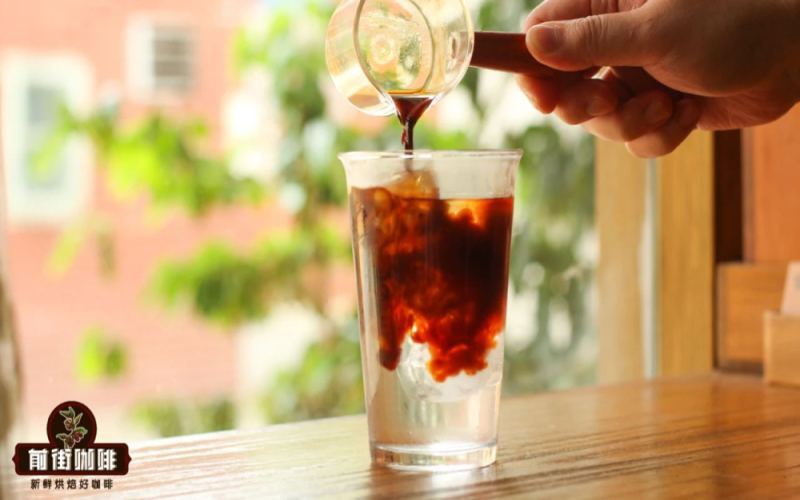
How to Choose Americano Coffee Beans That Aren't Sour? A Full Analysis of Hot vs. Cold Differences and Pour-Over Comparison
When many people drink Americano, their biggest concern is whether it is sour or bitter, and this is actually closely related to the choice of coffee beans, the extraction method, and the drinking temperature. Starting from Front Street Coffee's brewing experience, this article systematically sorts out the relationship between espresso and Americano, explains in detail the differences in flavor expression between hot Americano and iced Americano, analyzes the common reasons why Americano tastes bitter, and compares pour-over and SOE Americano made separately from the same Costa Rica Mozart coffee beans. Finally, according to different needs, it introduces the characteristics of several Front Street espresso blend coffee beans to help you find the Americano beans that suit your taste. [more…]
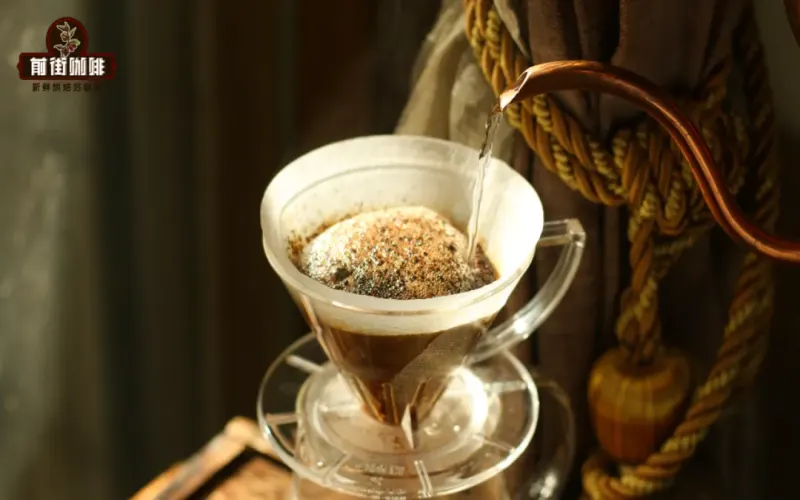
Can Pour-Over Handle Blend Beans? Explaining the Espresso Blend Concept and Sharing a Cold Brew Recipe
The relationship between pour-over coffee and single-origin beans has always been close, but pour-over isn't only for extracting single-origin coffee. Blended beans can also be used for pour-over; you just need to understand the logic and purpose behind espresso blends. This article will outline several common types of coffee blends, explain the core approach to espresso blending, and share blend recipes suitable for espresso cold brew. At the same time, the article will use product examples from Front Street Coffee to help coffee enthusiasts more intuitively understand how blended beans perform in pour-over and cold brew scenarios. [more…]
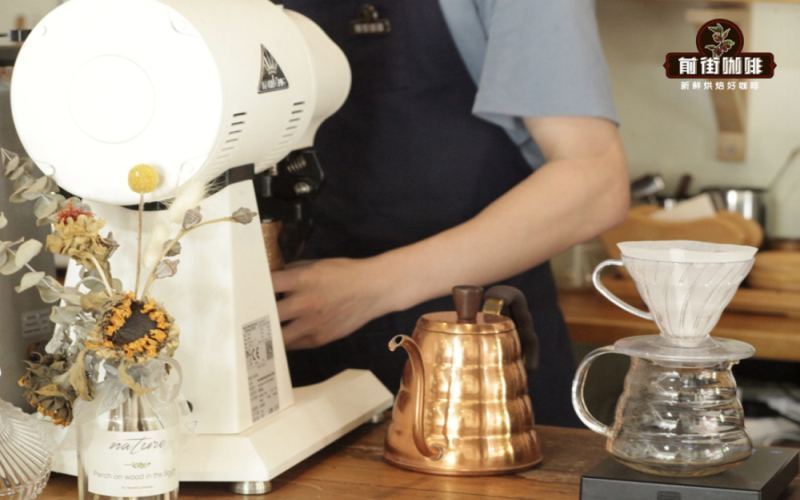
Front Street Sunflower Autumn Blend: The R&D Journey and Flavor Analysis of a Pour-Over Blend
Autumn has arrived, and Front Street Coffee has launched a blend designed specifically for pour-over—Sunflower Autumn Blend. This coffee is based on Yunnan Typica as the main component, paired with washed Yirgacheffe Kochere and Gesha Village sun-dried Geisha. After multiple raw blend experiments and roasting adjustments, it ultimately presents a soft and varied acidity, medium-high sweetness, and a lasting sweet finish. In terms of flavor, it has aromas of black tea, cocoa, caramel, jackfruit, orange, and nuts, with a clean and transparent mouthfeel, medium body, and a slight effervescence. This article will document in detail the development approach, bean composition process, roasting curve, and brewing performance of this autumn blend, making it a useful reference for coffee enthusiasts who enjoy pour-over blends. [more…]
Can Espresso Blend Beans Be Used for Pour-Over? Key Tips and Parameters for Making Lattes with Single-Origin SOE
Coffee has long become part of daily life, an invigorating drink many people can't do without. From espresso to the seemingly refined pour-over, there are all sorts of ways to make it. Front Street often uses the Sunflower Warm Sun blend beans when producing espresso, and is often asked: can espresso blend beans be used for pour-over? How should you drink a latte made with a single-origin SOE? This article will start with the difference between single-origin beans and blend beans, explain why SOE can amplify the flavors of a growing region to the extreme, and also explain why espresso favors blends, along with the specific parameters and brewing steps for Front Street's Warm Sun blend pour-over, helping you both understand the principles and get hands-on. [more…]
Can Espresso Blend Beans Be Used for Pour-Over? From SOE and Blending Concepts to a Detailed Guide on Front Street Coffee's Warm Sun Brewing Parameters
Coffee has long become part of daily life, with espresso and pour-over each having their own followers. Many who have tried Front Street Coffee's latte or Americano are curious: where does that rich boozy aroma come from, and is it made with a Sherry SOE? In fact, the espresso served at Front Street locations uses the Sunflower Warm Sun blend rather than a single-origin bean. This article begins with how single-origin beans and SOEs magnify flavors, explains why espresso favors blends, and further answers a common question: can espresso blend beans be used for pour-over? The answer is of course they can. The article also provides Front Street's suggested pour-over parameters for the Sunflower Warm Sun blend, along with key points on resting and blooming, to help you capture this medium-dark roast blend's vanilla cream and berry dark chocolate notes. [more…]
Can Espresso Blend Beans Handle Pour-Over? An In-Depth Analysis of Suitability and Flavor Performance, Plus a Front Street Coffee Hands-On Comparison
Many coffee enthusiasts wonder: can the blended beans typically used for espresso also be used for pour-over? The answer is yes, but doing so will lose the pure flavor of single-origin beans, and the overall taste will be more complex. Espresso blends and pour-over blends differ significantly in purpose, principles, and roast level—the former seeks flavor complementarity, while the latter emphasizes flavor enhancement. This article provides a detailed breakdown of the similarities and differences between the two, their blending principles, and uses Front Street Coffee's Ethiopian natural Red Cherry blended with Honduran Sherry as an example, extracting with both an espresso machine and a V60 pour-over for comparison, covering everything from parameters to flavor. [more…]
How to Choose Espresso Beans for Home Coffee Machines? Differences Between Blends and Pour-Over Beans, Plus Five Espresso Blend Recommendations
Want to make a delicious espresso at home with a coffee machine? Choosing the right coffee beans is the first step. There are many types of coffee beans on the market, and the uses and flavor directions of single-origin beans and blended beans are completely different: single-origin beans are more suitable for pour-over or cold brew, while espresso usually relies on blended beans to achieve a more balanced and stable taste. This article first explains the difference between blended beans and pour-over beans, then organizes five popular espresso blend coffee beans in 2025, including Front Street Coffee Classic Espresso Blend, Front Street Coffee Strawberry Candy Espresso, Front Street Coffee Specialty Espresso Blend, Front Street Coffee Commercial Espresso Blend, and Front Street Coffee Basic Espresso Blend, corresponding respectively to different needs such as rich and aromatic, floral and fruity, nutty notes, coffee shop-style, and high cost-effectiveness, making it easy for home users to choose according to taste and budget. [more…]
Pour-Over Blends Are a Thing Too: Front Street Coffee Autumn Blend Recipe, Roasting Parameters, and Flavor Profile Analysis
When it comes to blended beans, most people only think of espresso, but hand-brewed coffee can use them just as well. This article fully reconstructs the entire process behind Front Street Coffee's development of the "Autumn Hand-Brew Blend": why Yunnan 2013 Typica was chosen as the lead bean, how Yirgacheffe Kochere and Gesha Village sun-dried Geisha filled in the supporting roles, how raw blending and roasted blending were weighed against each other, what cup-testing iterations the 6:3:1 ratio went through, and two complete roasting curve data sets. The finished cup has soft acidity, clear sweetness, and layers of black tea, caramel, orange, and floral-fruity aromas unfolding one after another, offering a detailed reference for enthusiasts who want to try hand-brew blending. [more…]
What Is an Espresso Blend? Can You Use It for Pour-Over? A Complete Guide to the Difference Between Blended Coffee and SOE
Espresso blend beans are one of the most common types of coffee beans in cafés, but there are plenty of questions surrounding them: What exactly is the difference between them and SOE? Can blend beans only be used for espresso? Can they be used for pour-over? Starting from the definition of Espresso, this article sorts out the commercial logic and flavor pursuits behind coffee blends, clarifies the conceptual boundaries between SOE and blend beans, and uses actual brewing cases to illustrate how espresso blend beans perform when brewed as pour-over, helping you gain a clearer understanding of this coffee system. [more…]

Hand-brewed Blend Coffee Beans | Can Espresso Beans Be Used for Hand-brewed Coffee? How to Blend Single-Origin Beans for Hand-brewing? Hand-brewed Blend Bean Roasting Parameters and Flavor Introduction?
As autumn turns to winter and the weather gradually cools, Front Street Coffee created the Front Street Sunflower Warm Sun espresso blend, suited to espresso, quite some time ago. Following this line of thinking, Front Street also wanted to make a blended coffee bean suitable for autumn drinking and usable for pour-over coffee. Front Street Coffee (FrontStreet C [more…]
Can espresso blend beans be used for pour-over? Analysis of dark roast coffee flavor characteristics and Front Street Warm Sun blend
Many coffee enthusiasts encounter a question when selecting beans: Are coffee beans labeled as espresso blends and dark roast actually suitable for pour-over? To answer this question, we need to start with the classification of coffee roast levels. What exactly do terms like French roast, Italian roast, and City roast represent? What flavor characteristics correspond to different roast levels? From the perspective of Front Street Coffee, this article systematically sorts out the Agtron color values and drop timing for each roasting stage, and shares the development ideas, roasting curves, and espresso extraction plans for Front Street Sunflower Warm Sun Blend, helping you understand the differences in performance of dark-roasted beans in both pour-over and espresso scenarios. [more…]