







For more coffee origin information and coffee knowledge, please followCoffeeHuntersToutiao account
Blended coffee beans are commonly found in espresso, but are very rarely used for pour-over coffee. So, will blended coffee beans taste good when made as pour-over?
- Understanding the concept of blended coffee beans
First, you need to clearly understand these concepts. Espresso coffee beans refer to coffee beans suitable for use in espresso machines, and their roast level is generally on the darker side (the key point is the roast level). Espresso blends are the opposite of SOE (single-origin espresso beans) and are one of the branches of espresso coffee beans.
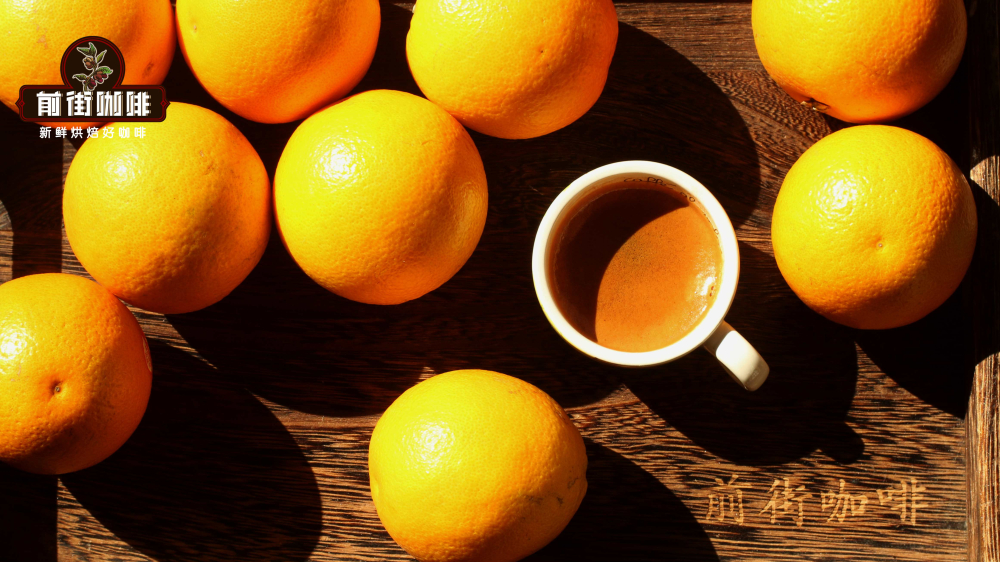
Pour-over coffee beans refer to coffee beans used mainly for pour-over, a drip-style coffee brewing method. The biggest difference from espresso coffee beans is the roast level; the roast levels for pour-over coffee include light, medium, and dark roasts, with light roast being the main focus. At present, pour-over beans are mostly single-origin coffee beans.
This does not mean that blended coffee beans are suitable for espresso and single-origin coffee beans are suitable for pour-over. This is actually a matter of historical "fateful arrangement." When pour-over coffee rose in popularity, it was exactly when the concept of specialty coffee was spreading widely. What specialty coffee promoted was that only by separating coffee beans from commodity goods and establishing the coffee flavors of individual origins could the quality and flavor of coffee be improved. Taking advantage of this opportunity, the pour-over brewing method could express the regional flavor of coffee well and simply, while high-quality single-origin coffee beans also endorsed pour-over. In this way, the two complemented each other and formed today's trend.

But blended coffee beans are not synonymous with poor quality and low price. In the past, the purpose of blending was often mainly to create a price advantage and seize the mass market. Over time, this created the biased perception that blended coffee is all low-grade stuff, while single-origin coffee is excellent. But all of this will gradually change. Since the second half of 2019, Front Street Coffee has blended its own roasted Front Street Sunflower Warm Sun blend, and it has been used ever since. The beans selected are Front Street Honduras Sherry and Front Street Sun-Dried Red Cherry (Yirgacheffe), and it has received unanimous praise from a wide range of customers! This is undoubtedly gradually clearing the name of blended coffee. Blended coffee itself is neither praise nor blame; the key depends on the blender's purpose.

- Using blended coffee beans for pour-over is not a problem
In summary, whether blended or single-origin, as long as it can express coffee that is recognized by people, it is a good coffee bean. But this also gives rise to a question: Front Street Coffee is not boasting that blending is great. If you blend just for the sake of blending, then it becomes meaningless. Therefore, from the perspective of a merchant/roaster, the blended coffee beans must make up for the shortcomings of single-origin coffee beans. In this regard, Front Street Coffee shares several delicious blended coffee bean recipes.

① Mamba blend
Recipe = 40% Indonesian Mandheling + 60% Brazilian Red Bourbon
The Mamba blend recipe was not originally created by Front Street Coffee, but originated in Japan. Indonesian Mandheling coffee has a deep, heavy flavor, with rich nutty and chocolate notes, and also some herbal flavor that draws mixed reviews. Brazilian Red Bourbon, by comparison, seems thin and tasteless, with strong peanut and nutty notes. When these two are blended in a 4:6 ratio, they can effectively neutralize the herbal and peanut flavors, turning into a clean, mellow feeling like Blue Mountain.

② Deep Affection
Recipe = 70% Yirgacheffe Red Cherry + 30% Costa Rica Tarrazu
Front Street Yirgacheffe Red Cherry shows a very sweet berry flavor, while adding 30% Front Street Costa Rica Tarrazu increases the mouthfeel and honey-like sweetness. This pour-over blend based on Yirgacheffe shows a mellow mouthfeel and extra sweetness in flavor.

③ Harmony of Flowers and Fruit
Recipe = 60% Guatemala Flower God + 30% washed Yirgacheffe + 10% Kenya AA
The common characteristic of these three coffee beans is a light, citrus-lemon note. The dominant Flower God coffee adds jasmine aroma to this blend, while Front Street Yirgacheffe with its green tea finish and Front Street Kenya with its cherry tomato note nicely make up for the shortcomings of Front Street Guatemala Flower God's aftertaste. Used for pour-over, it shows a light mouthfeel with both floral and fruity notes.
The above content is compiled by CoffeeHunters, a coffee news website.


