








With the growing specialty coffee market, many people have started to explore espresso and pour-over coffee.EspressoCoffee enthusiasts who regularly drink espresso know that the coffee beans used for espresso are blended coffee beans, while pour-over coffee uses single-origin coffee beans. So what's the difference between the two? Can espresso beans be used to make pour-over coffee? In this article, Front Street Coffee will explore this with coffee lovers.
What isespresso blend coffee?
As Front Street Coffee mentioned above, blended coffee beans are mainly used to makeespresso, and blended coffee beans are a mix of coffee beans from different origins and different varieties. Typically, a blend of two or three coffee beans is more common. The purpose of blending is obvious — to bring together the flavors of different coffee beans, presenting a brand-new flavor profile to achieve a more balanced result, while also serving as the shop's signature.

For example, if one coffee bean is smooth but lacks aroma, another aromatic bean can be added to enhance strengths and mitigate weaknesses, complementing each other to improve flaws. Another purpose of espresso blend coffee beans is to reduce costs. Traditionally, espresso blend beans included Robusta variety coffee beans because Robusta coffee beans have a rich, mellow flavor. Although their cupping score may not be as high as single-origin coffee, when paired with single-origin coffee, they can provide espresso with richer, thicker crema, and as a base for milk coffee, they can deliver a viscous and smooth mouthfeel.
Moreover, according to Front Street Coffee's understanding, the originalItalian blend coffeeemerged because rich and bittersweet espresso was popular at the time, and single-origin coffee had flavor biases — that is, advantages and disadvantages coexisting. In addition, high-quality single-origin coffee beans were expensive, while blended coffee was more cost-effective, priced lower than single-origin coffee but still offering unique flavors. Therefore, at that time, many Italians chose blended coffee rather than single-origin coffee, and blended coffee developed and became popular ever since.
What is pour-over single-origin coffee?
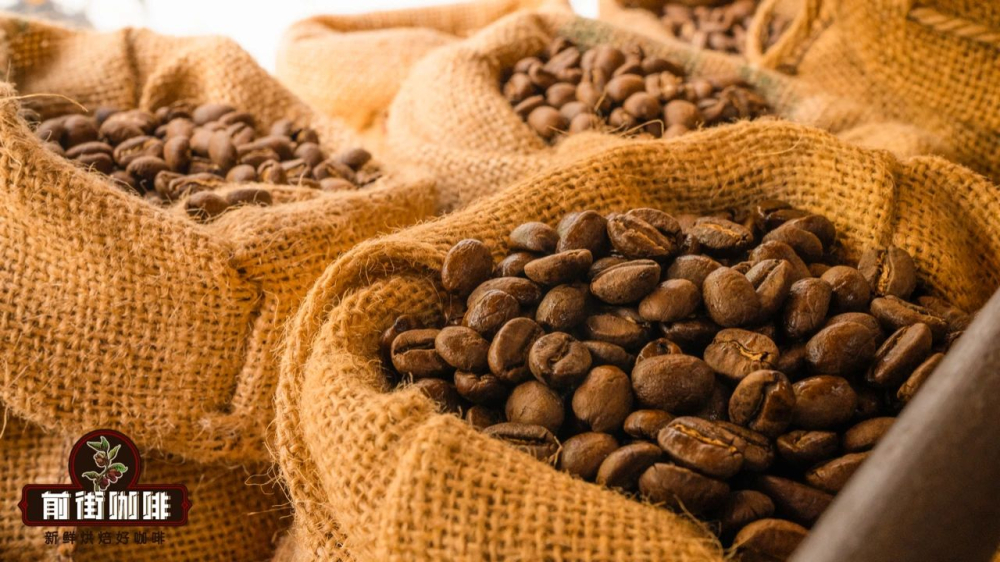
Single-origin coffee beans refer to coffee beans from a single place of origin, brewed and enjoyed as pure coffee without adding milk or sugar. Single-origin coffee has strong characteristics and a distinctive taste — either fresh and mild, or fragrant and smooth. The cost is higher, so the price is relatively expensive.
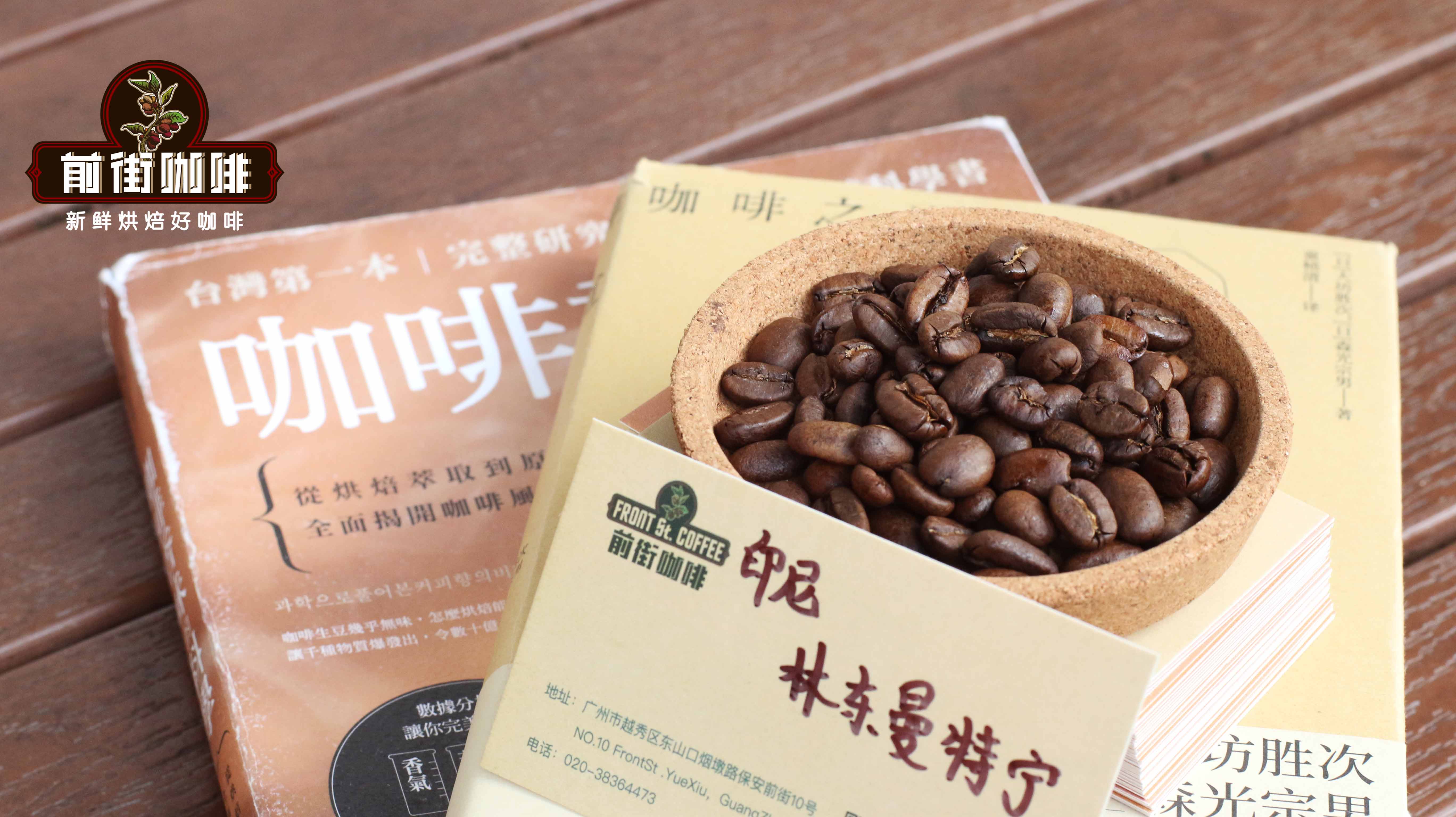
For example, the more famous single-origin coffees at Front Street Coffee include Front Street Jamaica Blue Mountain Coffee, Front Street Ethiopia Yirgacheffe Coffee, and Front Street Indonesia Mandheling Coffee, all named after the origin of the coffee beans. These coffee beans also represent the flavor of their producing regions; secondly, single-origin coffee can be traced back to the estate and story of the producing region, such as the estate's growing conditions, processing standards, and so on — all this information can guarantee the flavor quality of the coffee beans. Therefore, Front Street Coffee also includes some relevant brief information on each bag of coffee beans.
The difference between blended coffee and single-origin coffee
From the above, as stated by Front Street Coffee, blended coffee refers to mixing several single-origin coffees from different regions to form a blend, while single-origin coffee refers to coffee beans from a single region. The reason they are distinguished is that espresso machines have a characteristic of amplifying the bitter flavors of coffee beans. Therefore, Front Street Coffee does not use single-variety coffee beans to make espresso, otherwise the resulting coffee flavor would be very unbalanced and affect the taste. This is also why espresso is made with blended coffee beans.

However, single-origin coffee beans can actually also be used withespressomachines. Coffee beans used in this way are called "SOE coffee," but the parameters need constant adjustment, and the flavor is very unstable. The original intention of Front Street Coffee's shop was to let coffee lovers enjoy the stable flavors of coffee-producing regions, so for now they dare not take the risk of offering SOE coffee.
Can espresso blend coffee beans be used to make pour-over coffee?
Since single-origin coffee beans can be used with espresso machines, similarly, espresso blend coffee beans can also be brewed as pour-over coffee. The only difference is that the brewed flavor will always differ somewhat from that brewed by an espresso machine. Similarly, the grinding and pour-over parameters also need to be adjusted, and the flavor may be rather "unique" — it mainly depends on personal preference. If interested, coffee lovers can give it a try, and Front Street Coffee will provide pour-over data references below.
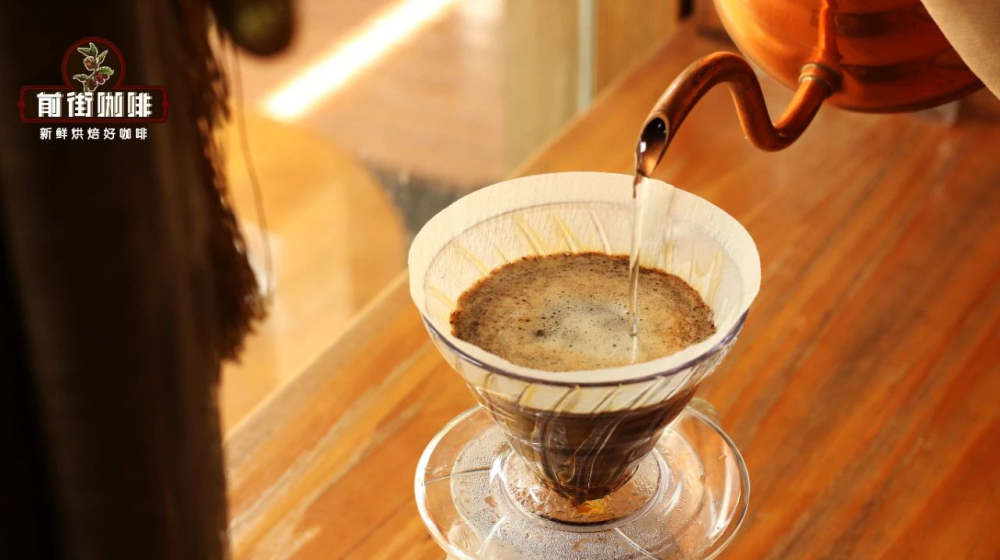
Front Street pour-over coffee parameters:V60 dripper, 15g coffee dose, 90℃ water temperature, 1:15 coffee-to-water ratio, grind size (80% passing through a No. 20 standard sieve, coarser than the grind size for espresso)
Front Street Coffee brewing method:Split-phase extraction: bloom with 30g of water for 30 seconds, then pour in a small stream in a circular motion until reaching 125g for the split; when the water level drops and is about to expose the coffee bed, continue pouring until 225g and stop; when the water level drops and is about to expose the coffee bed, remove the dripper. (Timing starts from the beginning of the bloom) Extraction time is 2'00".

Front Street espresso blend coffee bean recommendations
Furthermore, Front Street Coffee believes that blending coffee beans is an art, because the roaster must understand the different flavor characteristics of coffee from various regions in order to blend an enticing aroma and extract delicious coffee. This not only requires a great deal of coffee experience and inspiration but also precise ratio calculations. Therefore, saying that the process of blending coffee beans is an art is not an exaggeration at all. Next, Front Street will share several blended coffee beans offered by Front Street Coffee, and you can choose according to your needs:

"Front Street Warm Sun Blend Coffee Beans" 79 yuan/227g: Ethiopia natural Red Cherry coffee beans + Honduras coffee beans, with rich wine aroma, vanilla cream, berry sweetness and tartness, and roasted nut flavors.

"Front Street Specialty Blend Coffee Beans" 75 yuan/454g: Colombia washed coffee beans + Brazil semi-washed coffee beans, with nut, dark chocolate, and caramel flavors.
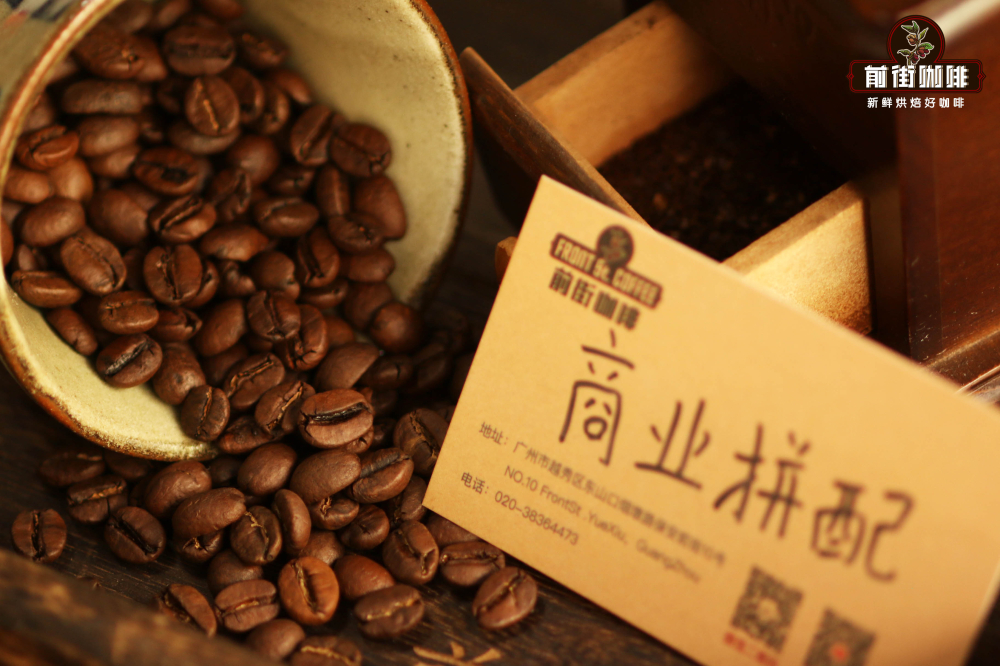
"Front Street Commercial Blend Coffee Beans" 60 yuan/454g: Robusta washed coffee beans + Colombia washed coffee beans + Brazil semi-washed coffee, with nut, cocoa, and caramel flavors.

"Front Street Dark Cocoa Blend Coffee Beans" 50 yuan/454g: Yunnan washed small-bean coffee + Brazil semi-washed coffee beans, with mild fruit acidity, caramel, and nut flavors.
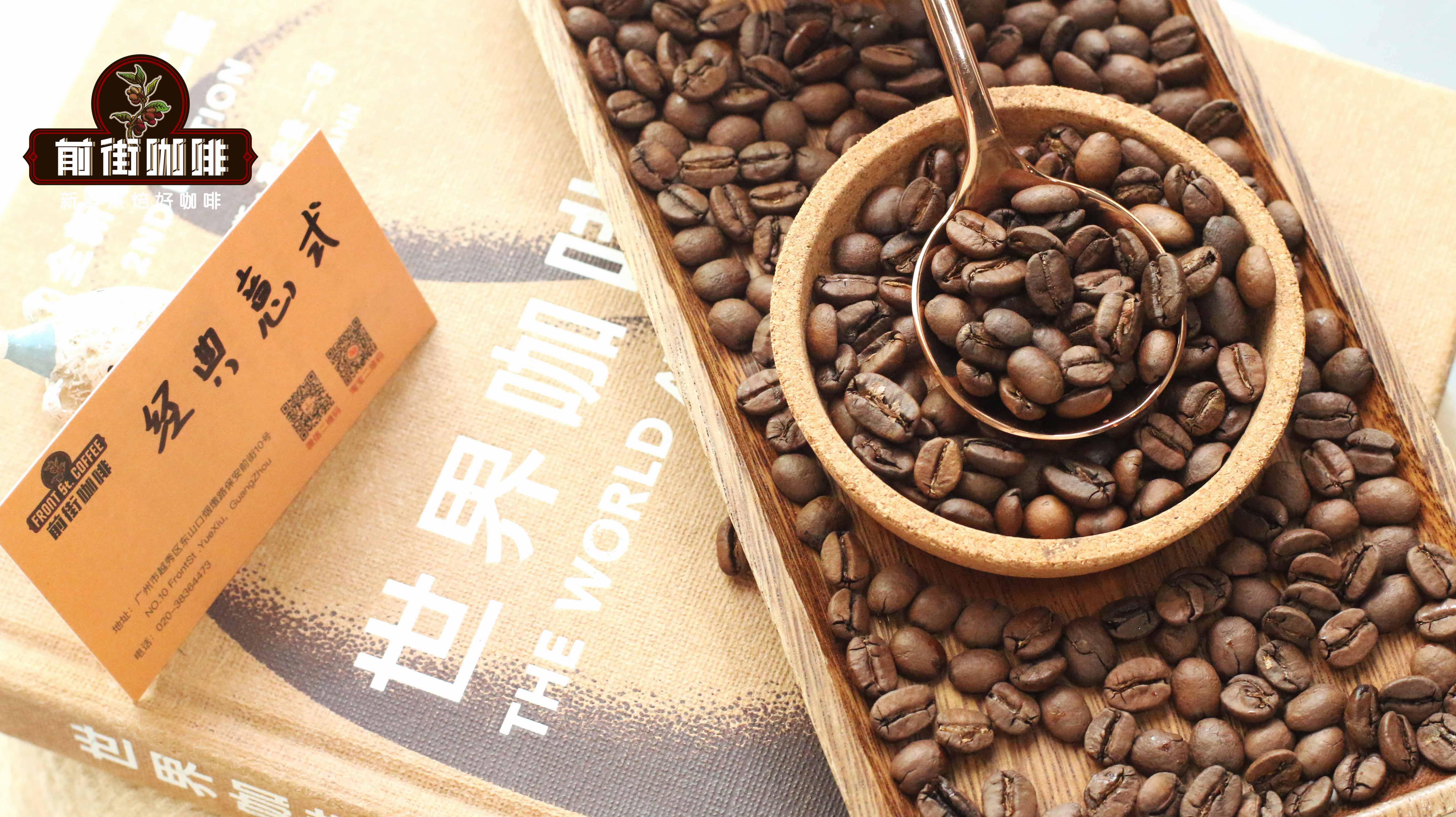
"Front Street Classic Blend Coffee Beans" 33 yuan/100g: Brazil semi-washed coffee beans + Indonesia Mandheling coffee beans + Vietnam coffee beans, with rich crema and a mellow mouthfeel;
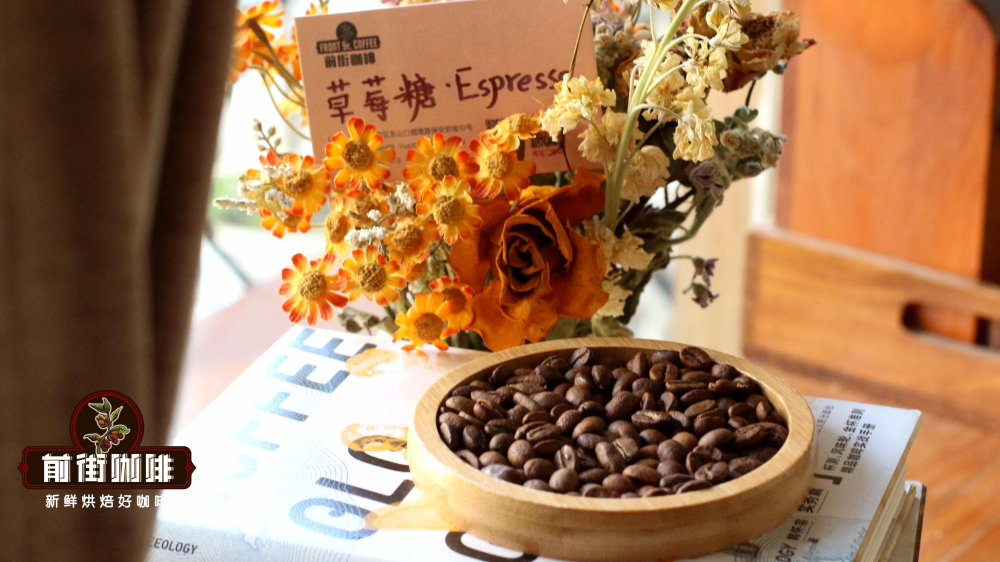
"Front Street Strawberry Candy Espresso" 43 yuan/100g: Costa Rica coffee beans + Panama coffee beans + Ethiopia coffee beans, with aromas of rose, strawberry candy, and glucose, prominent fruity sweetness and tartness, and a pleasant taste.
For more specialty coffee knowledge, please follow: Front Street Coffee (Frontsteet Coffee)
The above content is compiled by CoffeeHunters, a coffee news website.

