







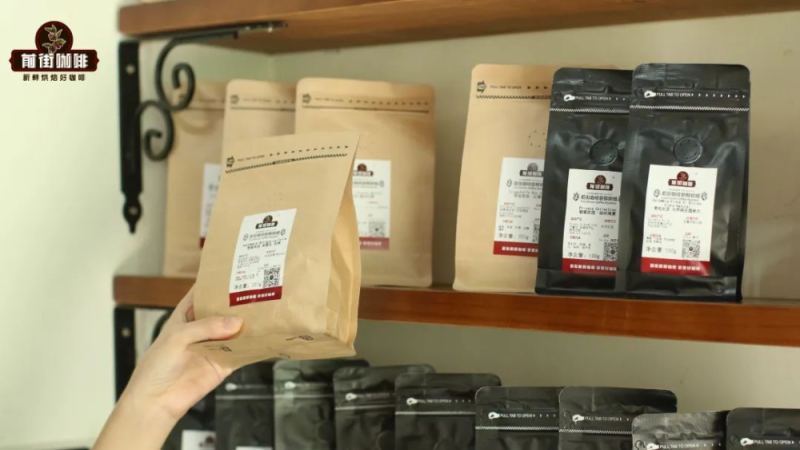
When selecting coffee beans, we often face two choices: single-origin beans and espresso blends. The former is suitable for various extraction methods, while the latter is designed specifically for espresso machines. But can espresso beans be used for pour-over? Why are pour-over beans more expensive? This article will start from the characteristics and formulation logic of espresso beans to explore their feasibility for pour-over, and use Front Street Strawberry Candy Espresso Blend as an example to share actual brewing experience and flavor performance. Whether you are a beginner or a seasoned enthusiast, you can gain practical reference from it.
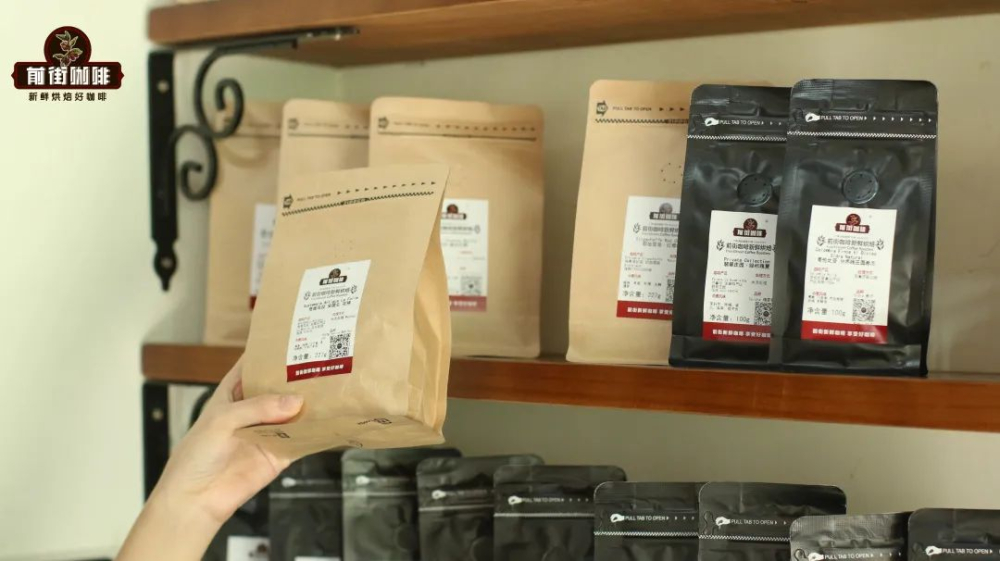
When choosing coffee beans on e-commerce platforms, you will often see two major categories of products: one is single-origin beans labeled with specific origins, which can be adapted to various extraction methods such as pour-over, French press, and cold brew, and the packaging weight usually does not exceed half a pound. For beginners who have just started with pour-over, you can start with Front Street Mandheling, Front Street Yirgacheffe, Front Street Geisha, Front Street Brazil Cerrado, or Front Street Colombia Huila. These beans have different flavors and can help you quickly build a tasting foundation.
The other category is espresso beans designed specifically for espresso machines, mostly blends, with a darker roast level, and common specifications of 500 grams, 1 pound, or even larger. They have a rich, caramelized aroma and are cost-effective, such as Front Street Classic Blend, Front Street Specialty Blend, Front Street Dark Cocoa Base Blend, and Front Street Commercial Blend. Due to the large package size, those who consume coffee slowly may inevitably wonder: can these espresso beans be used for pour-over? How will they taste?
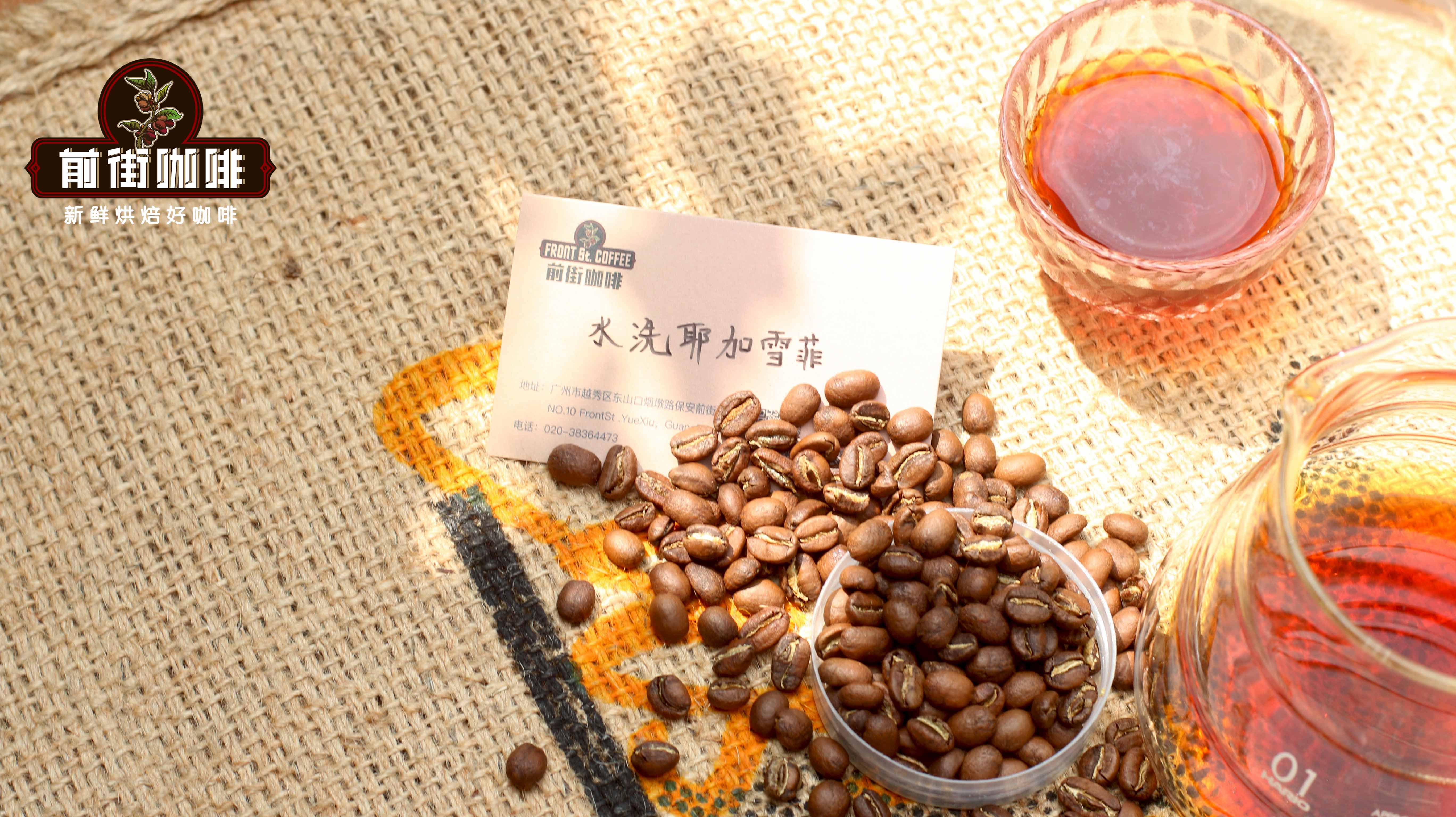
What are the characteristics of espresso coffee beans?
In order to extract stably in the high-temperature and high-pressure espresso machine, so that the espresso presents a consistent flavor and mouthfeel, espresso beans usually blend batches from more than two different origins and adopt a darker roast level, so that the espresso has both a suitable amount of crema and enough body. Therefore, espresso beans are also often directly called blend beans.
Based on different purposes, espresso blend formulas vary greatly, but they are generally designed around three dimensions: cost-effectiveness, stability, and flavor performance.
Taking the customization of a Front Street Commercial Blend as an example, its positioning is to serve both home and cafe use. It uses a combination of washed Colombia and semi-washed Brazil, and adds a small amount of Robusta, giving the espresso a rich crema and nutty aroma while keeping the price affordable. When customizing Front Street Strawberry Candy Espresso Blend, however, more emphasis is placed on flavor layering, hoping to combine floral and fruity notes with nutty and creamy aromas. Therefore, it blends the triple taste of Yirgacheffe, Colombia, and Costa Rica, making the flavor richer.
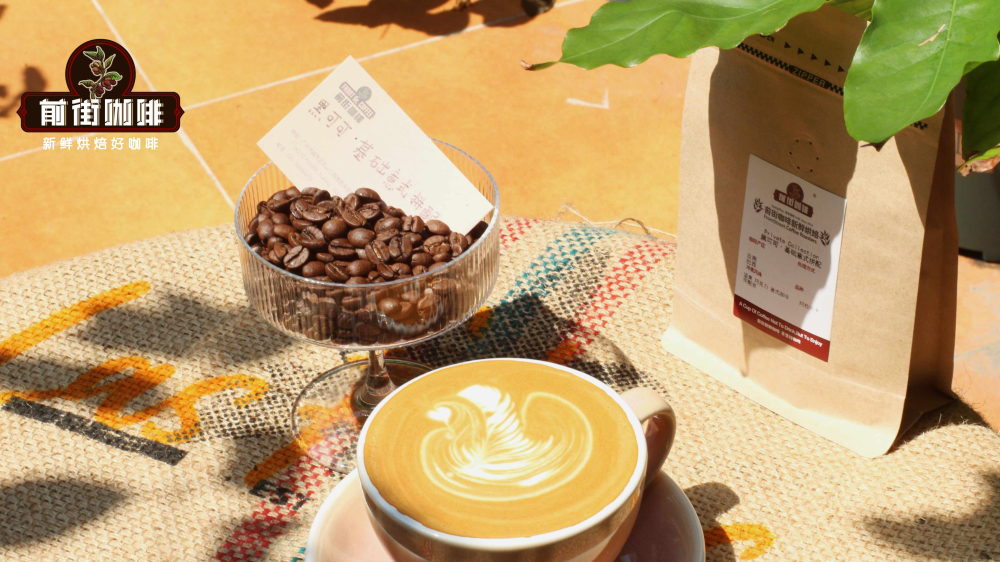
Any coffee bean can be used for pour-over, and espresso beans are no exception.
Pour-over is just a common brewing method. As long as you have the equipment and coffee beans (grounds), you can extract by pour-over. In other words, all roasted coffee beans can be used for pour-over, and espresso beans are naturally among them. As for whether it tastes good, it depends on the quality of the beans and the control of brewing parameters.
As mentioned earlier, espresso beans are roasted darker, and their flavors are mostly dominated by roast caramelization, such as dark chocolate, nuts, caramel, cream, and so on. When made into espresso, the taste is rich and full; if switched to pour-over drip, the taste will lean more toward a full-bodied, solid bittersweetness. If the beans are used to make SOE, in order to highlight fruity acidity, the roast level is usually lighter, and when brewing pour-over, parameters for medium-light roasted beans should be used.
Now that we have talked about this, why not try how it tastes?
With a curious mindset, we took out some Front Street Strawberry Candy Espresso Blend beans from the bean bin and brewed a pot of pour-over to see the flavor performance of Front Street Sunflower Warm Sun Blend.
Since Front Street Strawberry Candy Espresso Blend uses a medium-dark roast, this brewing used a lower water temperature and medium grind to avoid producing too much negative bitterness. In order to highlight the tropical fruit acidity of Front Street Sun-Dried Red Cherry, Front Street chose a V60 dripper and used a 1:16 coffee-to-water ratio, making the coffee more layered and the mouthfeel more lively.
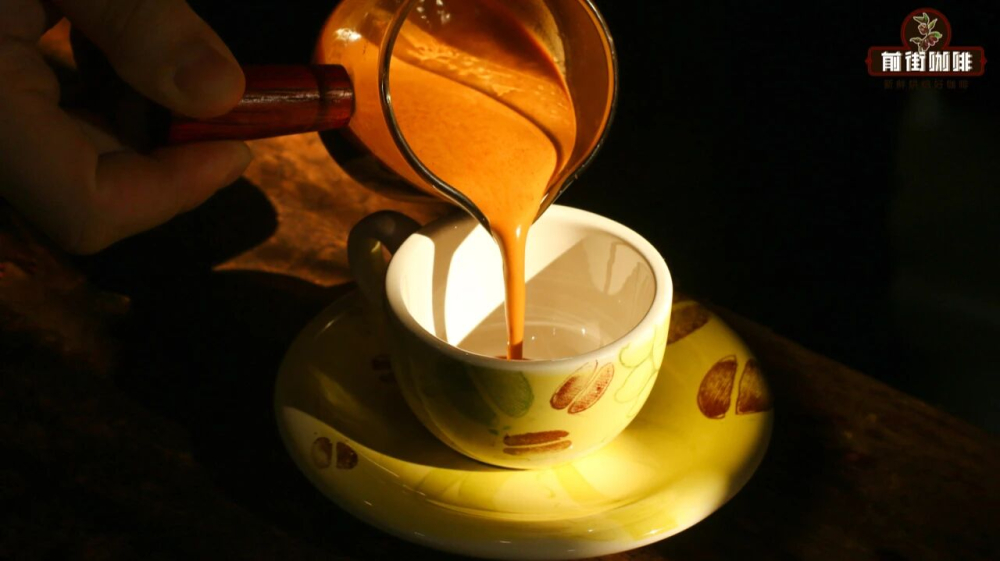
Coffee beans: 15 grams Front Street Strawberry Candy Espresso Blend
Coffee-to-water ratio: 1:16
Water temperature: 88°C
Grind size: 75% passing through a No. 20 sieve (EK43s setting 10.5)
Technique: three-stage pouring
Dripper: KONO
Extraction time: 2 minutes 4 seconds
After pour-over extraction of Front Street Strawberry Candy Espresso coffee beans, it presents obvious rose, creamy chocolate, and raisin flavors, accompanied by a slight fermented aroma and citrus acidity. It enters the mouth as smooth as cream, with medium-high body, and after swallowing, a trace of caramel aroma remains in the mouth.
The above content is compiled by CoffeeHunters, a coffee news website.


