








Are blended coffee beans suitable for pour-over brewing?
Espresso blend beans can be used for pour-over, but the cup will taste different from a single-origin brew. Blends mix two or three origins to balance flavor or add Robusta for crema and body, so a pour-over made with them often shows heavier sweetness, lower acidity and a rounder mouthfeel instead of the delicate aromatics a light single origin gives.
Blending began as a way to combine each bean's strengths and to control cost, which is why many espresso recipes include a share of Robusta for denser crema and a thicker milk base. When brewing these beans as pour-over, adjust grind and ratio for the darker roast and expect body over clarity.
In an era where espresso and pour-over coffee coexist, many enthusiasts wonder: what happens if you use espresso blend beans for pour-over? From the perspective of Front Street Coffee, this article sorts out the essential differences between espresso blend beans and single-origin beans, explores the feasibility and flavor performance of using espresso beans for pour-over, and provides specific pour-over parameter references. At the same time, the article also introduces the flavor characteristics and prices of several Front Street espresso blend coffee beans, helping readers make choices according to their needs. Whether you want to try a new way of brewing or want to understand the art of blending, you can gain practical information from it.
As the specialty coffee wave continues to advance, more and more people are being exposed to both espresso and pour-over coffee. Friends who often drink espresso know that espresso usually uses blend beans, while pour-over coffee mostly uses single-origin beans. So, what exactly is the difference between these two types of beans? Can espresso blend beans be used for pour-over? Front Street Coffee will discuss this with everyone in this article.
What is espresso blend coffee?
As Front Street Coffee mentioned above, blend beans mainly serve espresso. So-called blending is mixing coffee beans from different origins and different varieties in proportions, commonly combining two to three kinds of beans. The purpose of blending is very direct: to bring together the flavor advantages of each bean, create a brand-new taste experience, achieve a more balanced performance, and at the same time also become a shop's signature recipe.
For example, if a certain bean has a smooth mouthfeel but insufficient aroma, then another bean with a prominent aroma can be added to make up for shortcomings and complement each other. Another purpose of espresso blend beans is to control costs. Traditional espresso blends often include Robusta beans, because Robusta has a rich flavor. Although its cupping score is not as good as single-origin beans, when paired with single-origin beans, it can bring richer and denser crema to espresso, and when used as a milk coffee base, it can also provide a viscous and smooth mouthfeel.
In addition, according to Front Street Coffee's understanding, Italian blended coffee first appeared because rich and bittersweet espresso was popular at the time, while single-origin coffee often had a pronounced flavor with both advantages and disadvantages. In addition, high-quality single-origin beans were expensive, while blend beans were more cost-effective, lower in price than single-origin beans, yet still able to achieve a distinctive flavor. Therefore, many Italians at the time preferred blends to single-origin beans, and blended coffee thus developed and has remained popular to this day.

What is pour-over single-origin coffee?
Single-origin coffee beans refer to a single coffee bean from a single origin. When brewed, no milk or sugar is added, presenting pure coffee. Single-origin coffee has a distinct character and unique mouthfeel, either fresh and gentle, or fragrant, mellow, and smooth. Its cost is higher, so its selling price is also relatively more expensive.
For example, the better-known single-origin coffees at Front Street Coffee include Front Street Jamaica Blue Mountain Coffee, Front Street Ethiopia Yirgacheffe Coffee, Front Street Indonesia Mandheling Coffee, etc., all named after their places of origin. These beans represent the flavor of their producing regions, and can also be traced to specific estates and the stories behind them, such as growing conditions and processing standards. This information can guarantee the flavor quality of the coffee beans. Therefore, Front Street Coffee also attaches relevant brief information to the packaging of every bag of coffee beans.
The difference between blended coffee and single-origin coffee
From the above description by Front Street Coffee, it can be seen that blended coffee is made by mixing several single-origin coffees from different producing regions, while single-origin coffee refers to beans from a single producing region. The reason for distinguishing the two is that espresso machines have a characteristic: they amplify the bitterness of coffee. Therefore, Front Street Coffee does not use beans of a single variety to make espresso; otherwise, the finished flavor would be extremely unbalanced and affect the mouthfeel. This is also why espresso must use blend beans.
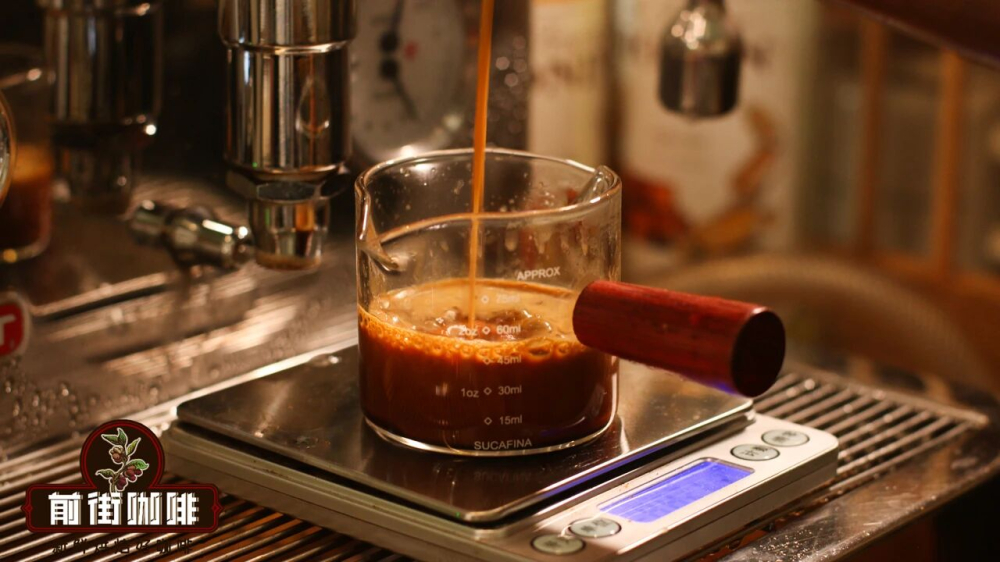
Of course, single-origin beans can also be extracted with an espresso machine. This form is called "SOE coffee," but the parameters need to be constantly adjusted, and the flavor is also very unstable. The original intention of Front Street Coffee's founding was to let coffee fans drink a stable flavor from the producing region, so for the time being it does not dare to rashly launch SOE coffee.
Can espresso blend coffee beans be used to make pour-over coffee?
Since single-origin beans can be made with an espresso machine, similarly, espresso blend beans can also be brewed by pour-over. The only difference is that the flavor from pour-over will differ somewhat from espresso machine extraction, and the grinding and pour-over parameters also need to be adjusted. The flavor may be quite "special," and the key still depends on personal preference. If coffee fans are interested, Front Street Coffee also encourages them to give it a try; the following will provide pour-over data references.
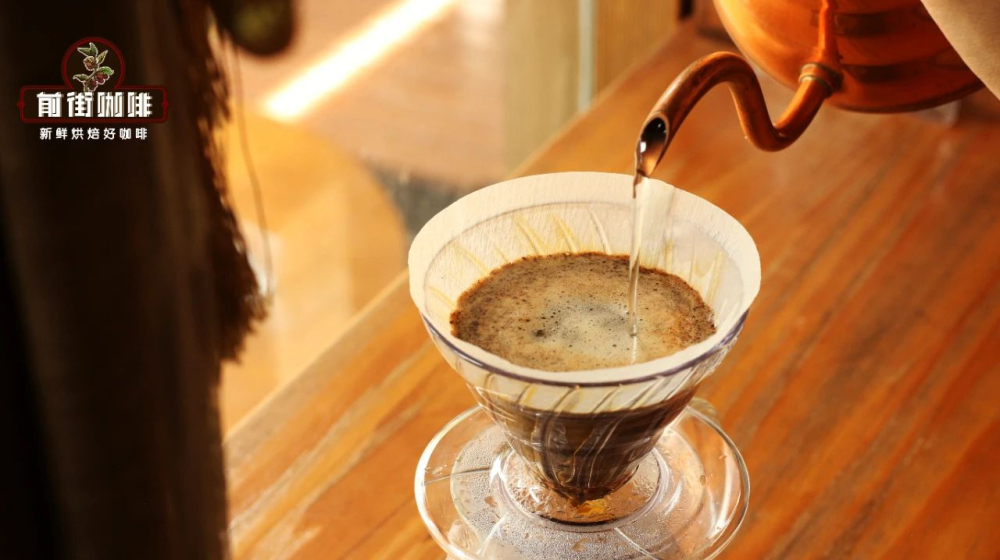
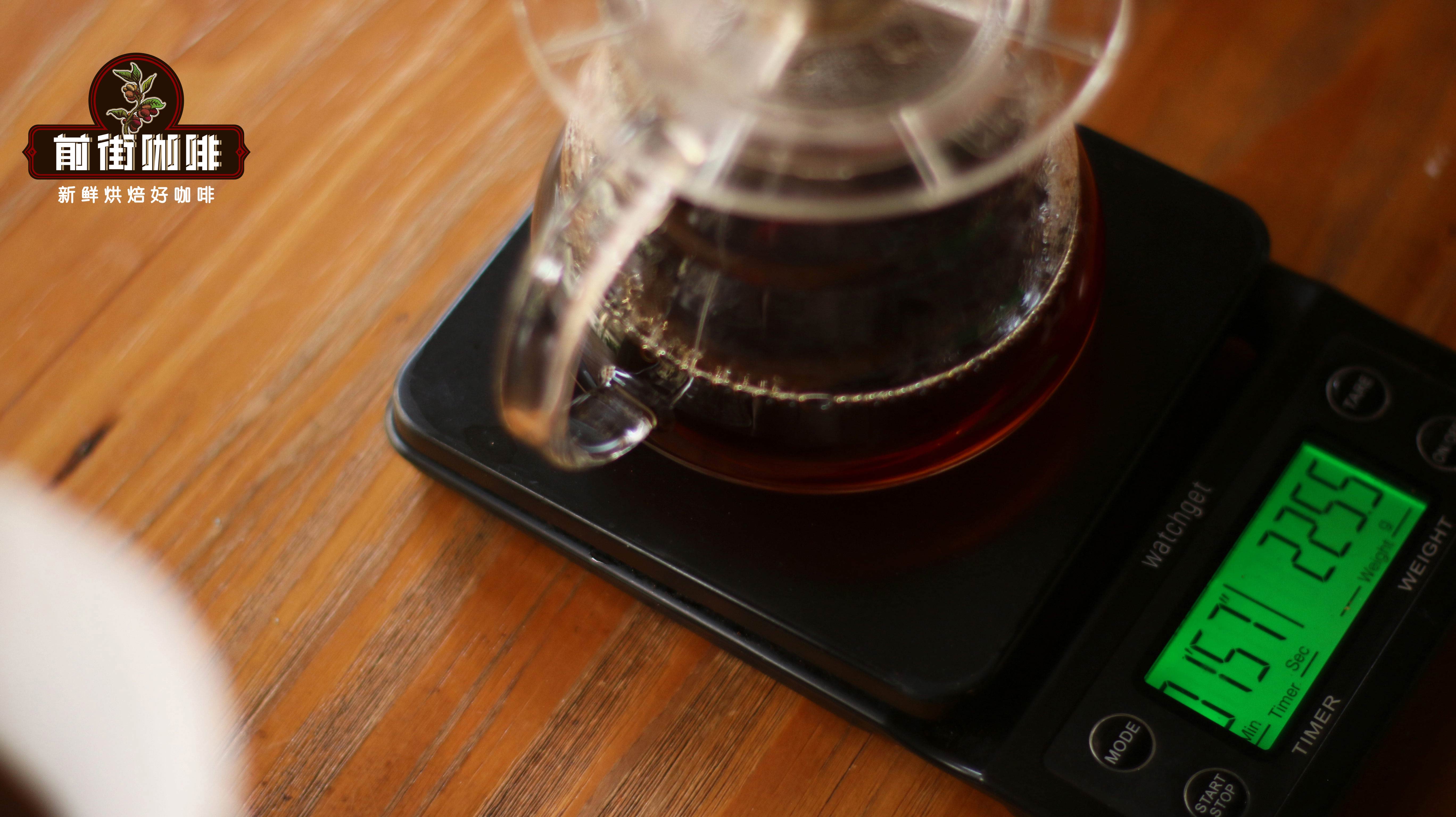
Front Street pour-over coffee parameters: V60 dripper, 15g coffee dose, 90°C water temperature, 1:15 coffee-to-water ratio, grind size (80% passing through a No. 20 standard sieve, coarser than the grind size for espresso output)
Front Street Coffee brewing method: Segmented extraction. Use 30g of water for a 30-second bloom. Pour in a small stream in circles until 125g, then pause for a segmented pour. When the water level is about to expose the coffee bed, continue pouring until 225g and stop pouring. When the water level is about to expose the coffee bed, remove the dripper. (Start timing at the beginning of the bloom.) The extraction time is 2'00".
Front Street espresso blend coffee bean recommendations
Furthermore, Front Street Coffee believes that blended coffee beans are an art. Roasters must understand the flavor characteristics of coffee from major producing regions in order to blend an alluring aroma and extract delicious coffee. This not only requires a great deal of experience and inspiration, but also precise ratio calculations, so it is not an exaggeration to say that blending is an art. Next, Front Street will share several blend beans launched by Front Street Coffee, and everyone can choose according to their needs:
"Front Street Warm Sun Blend Coffee Beans" 79 yuan/227g: Ethiopia natural Red Cherry coffee beans + Honduras coffee beans, with rich vinous aroma, vanilla cream, the sweet-tartness of berries, and roasted nut flavors.
"Front Street Specialty Blend Coffee Beans" 75 yuan/454g: Colombia washed coffee beans + Brazil semi-washed coffee beans, with flavors of nuts, dark chocolate, and caramel.
"Front Street Commercial Blend Coffee Beans" 60 yuan/454g: Robusta washed coffee beans + Colombia washed coffee beans + Brazil semi-washed coffee, with flavors of nuts, cocoa, and caramel.
"The espresso moka pot coffee beans recommended by many baristas - Front Street Black Cocoa Blend Coffee Beans" 50 yuan/454g: Yunnan washed small-bean coffee beans + Brazil semi-washed coffee beans, with flavors of soft fruit acidity, caramel, and nuts.
"Front Street Classic Blend Coffee Beans" 33 yuan/100g; Brazil semi-washed coffee beans + Indonesia Mandheling coffee beans + Vietnam coffee beans, with rich crema and a mellow mouthfeel;
"Front Street Strawberry Candy Espresso" 43 yuan/100g; Costa Rica coffee beans + Panama coffee beans + Ethiopia coffee beans, with aromas of roses, strawberry candy, and glucose, prominent fruity sweet-tartness, and a pleasant taste.
For more specialty coffee knowledge, please follow: Front Street Coffee (Frontsteet Coffee)
The above content is compiled by CoffeeHunters, a coffee news website.


