







Search Results for: Post-roast Blend

Espresso Blend Philosophy | Why Blend Coffee Beans? How Different Are Espresso Blends from Single-Origin Beans in Flavor?
Coffee lovers who frequently visit Front Street Coffee (FrontStreet Coffee) know that Front Street Coffee (FrontStreet Coffee) not only offers pour-over coffee but also espresso-based drinks, such as mocha, cappuccino, latte, and more, which are often available. [more…]
SOE Single-Origin Coffee Bean Recommendations | Is There a Big Flavor Difference Between SOE Coffee and Blended Coffee? Is the Coffee Quality of SOE Beans Better Than Espresso Blend Beans?
In the coffee world, when people mention SOE coffee, they are referring to Single Origin Espresso. Spelled out, this English abbreviation is Single Origin Espresso, and its direct opposite is Espresso Blend, which refers to Italian-style blended beans. SOE is like the [more…]
Best Value Specialty Espresso Beans Recommendations | What's the Difference in Flavor Characteristics Between SOE Coffee and Blend Coffee? Which Single-Origin Coffee Beans Are Suitable for Espresso?
In the coffee world, when people mention SOE coffee, they are referring to Single Origin Espresso. Spelled out, this English abbreviation is Single Origin Espresso, and its direct counterpart is Espresso Blend, which refers to Italian-style blended beans. SOE is like a [more…]
Espresso Drinking Guide | What Are Espresso Blends and SOE Coffee? Which Tastes Better in an Americano: SOE Beans or Blend Beans?
Blended coffee beans, as a common type of coffee bean used in espresso, have received high praise from many coffee drinkers for their rich coffee flavor. The recently popular SOE is also contrasted with blended coffee, so what advantages does blended coffee still have now? Front Street Coffee (FrontStreet Coffee [more…]
Espresso Blend Coffee Bean Recipes | Why Are Espresso Beans Mostly Blends? What Grind Size for Espresso Beans?
Until now, the vast majority of coffee shops still focus on espresso blends as their main product. The reason blended beans have become the mainstream of the market is not only that they can reduce the cost of raw materials, but also that they provide stable extraction for daily output and, as much as possible, ensure the flavor of drinks based on espresso. Simply put, coffee shops choose blends in order to [more…]
The Purpose of Blending Coffee Beans | What Are the Characteristics of SOE Coffee? Which Is Better: SOE Single-Origin Beans or Espresso Blends, and What's the Difference?
Many friends have asked the baristas at Front Street Coffee what SOE coffee is, and why so many specialty coffee shops now offer SOE coffee, yet Front Street Coffee (FrontStreet Coffee) has not put SOE coffee on its menu. Front Street Coffee (FrontStreet C [more…]
Crema Abundance Starts from Roast Day: The Flavor Schedule of a Bag of Beans
Coffee with a full-bodied crema often has a velvety mouthfeel on the palate, and espresso more easily forms a fine foam on its surface. However, a shiny bean surface is not the sole criterion for judging thickness in the cup; the state of degassing after roasting, the timing of grinding, and the number of days since opening all alter the aroma and texture. If you want to taste notes of nuts, cocoa, and caramel, first [more…]
Espresso Brewing Ratio | Must Espresso Use a Blend? How Do Beginners Blend Espresso Beans?
Front Street Coffee uses espresso blend coffee beans to enhance the richness and balance of flavors, but it is not absolutely necessary. There is also the SOE coffee approach now, which uses coffee beans from a single origin to make espresso, highlighting the coffee of that origin. [more…]
Grasp the peak flavor window and degassing state to make latte beans' aroma last longer
The aromatic depth and smooth texture presented by a cup of latte are closely related to the current freshness and gas state of the coffee beans. After being heated during roasting, coffee beans continuously release carbon dioxide, and the flavor compounds inside are also constantly undergoing oxidation and transformation. Freshly roasted coffee beans, due to the high concentration of carbon dioxide within them, produce during extraction [more…]
Black Coffee | Does black coffee mean Americano? Is there a big difference in taste between Americano and Long Black?
What does Americano taste like? The answer is almost self-evident—the taste of Americano comes from the coffee beans. Americano is simple to make, favoring convenience, speed, and a free, easygoing style. Compared with espresso, Americano has a relatively lighter, more refreshing mouthfeel and can better restore the coffee beans' original flavor. So Americano is basically available at every coffee shop [more…]
From Degassing Cycle to Opening and Storage: The Flavor Rhythm and Bean Selection Recommendations for Making a Delicious Latte
Freshly roasted coffee beans are filled with carbon dioxide internally. When making a latte, the state of gas release directly affects extraction efficiency and the degree of integration with the milk. Understanding the degassing process of coffee beans at different stages helps us taste a balanced and full-bodied coffee flavor during the phase when aromatic compounds are most active. The initial period after roasting is [more…]
Espresso Flavor Window Analysis: Managing the Flavor Rhythm from Degassing Rest to Opening and Sealing
Freshly roasted coffee beans are filled with active carbon dioxide gas internally. During extraction, this gas creates resistance that prevents hot water from fully contacting the coffee grounds. For espresso extraction, excessive gas makes the crema appear coarse and dissipate quickly, while the flavor tends toward dryness. Allowing the roasted beans to [more…]
From flavor window to sealed storage: a beginner's guide to the drinking rhythm of choosing espresso blend beans
Roasted espresso coffee beans are in an active degassing phase, and paying attention to the roast date when choosing beans can help you plan your drinking rhythm. Freshly roasted coffee beans accumulate a large amount of carbon dioxide inside. If you extract immediately, the bubbles can easily interfere with the contact between the water flow and the coffee grounds, making the espresso's crema coarse and the flavor astringent. [more…]
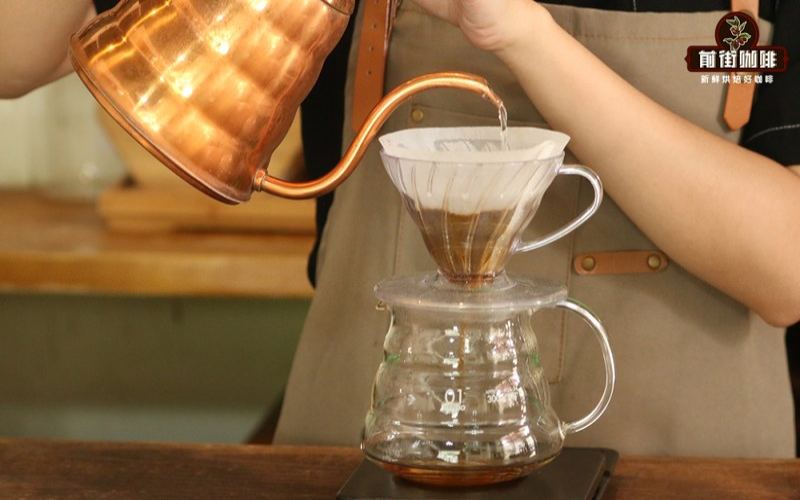
Roast date and the optimal tasting window: helping floral and fruity coffee beans lock in fresh aromas
Freshly roasted floral and fruity coffee beans accumulate a large amount of carbon dioxide gas inside. When this gas meets water, it expands rapidly and can easily prevent hot water from coming into even contact with the coffee grounds. Let the beans rest for a few days in packaging with a one-way degassing valve, allowing the internal pressure to gradually stabilize. The delicate floral and [more…]
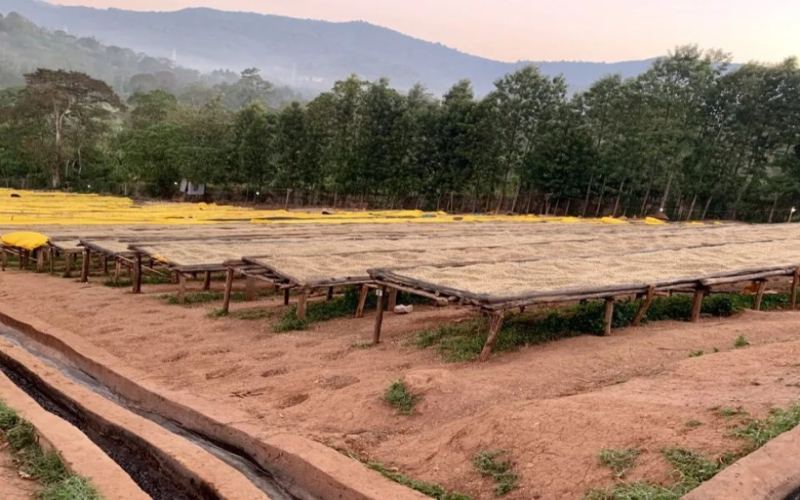
Flavor Fluctuations Within the Peak Flavor Window: Degassing Cycles and Opening/Drinking Methods for Blend Beans and SOE
After coffee beans come out of the roaster, they continue to release carbon dioxide internally, and this degassing process directly determines whether the aromatic compounds can be extracted smoothly during brewing. Because blended beans and SOE differ in bean composition and roasting direction, their pace of reaching the optimal drinking state and the period for maintaining aroma each have their own characteristics. Single origin [more…]
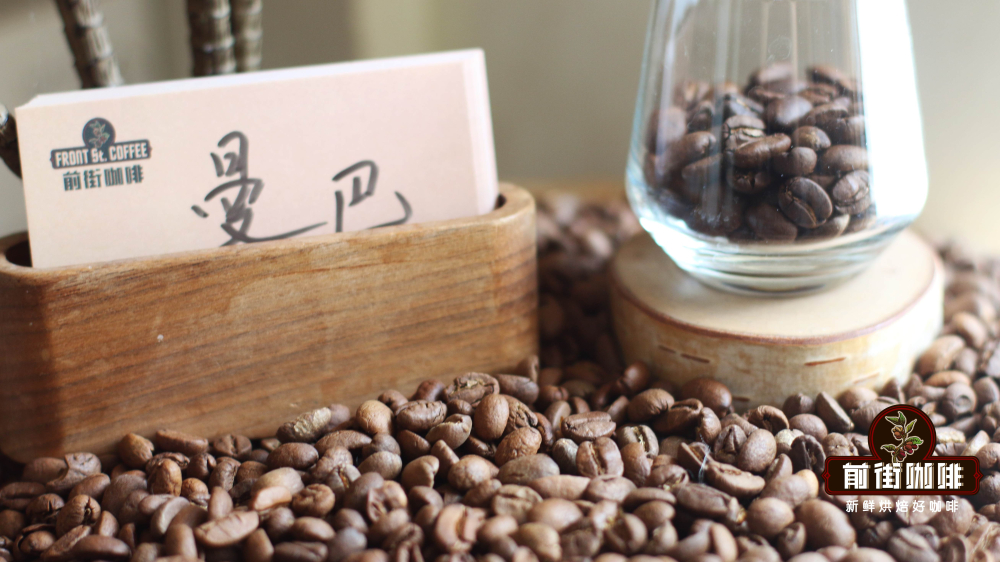
House Blend Coffee Beans Recommendation | Do Arabica Coffee Beans Determine the Flavor of Espresso Blends? How to Blend Espresso Beans and How to Choose Coffee Beans and What Is the Blending Ratio?
Front Street Coffee · The Art of Blending Coffee Beans and Espresso Blend Recipes Sharing. Blending coffee, also known as mixed coffee, is the practice of combining various single-origin coffee beans to fully bring out the strengths of each single-origin bean, blended beans. [more…]
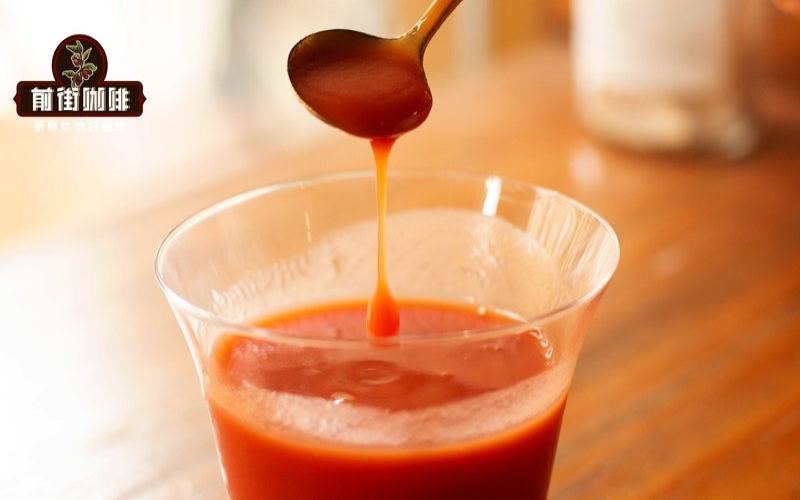
The secret to a rich, golden foam on top of espresso lies in the rhythm of the degassing cycle and daily sealed brewing.
The dense, golden layer of crema on the surface of an espresso is essentially a foam formed when carbon dioxide inside the coffee beans, carrying aromatic oils, is emulsified under high-pressure water. Freshly roasted coffee beans trap a large amount of gas inside, and this gas is slowly released over time, determining the thickness and condition of the crema during extraction. Understanding [more…]
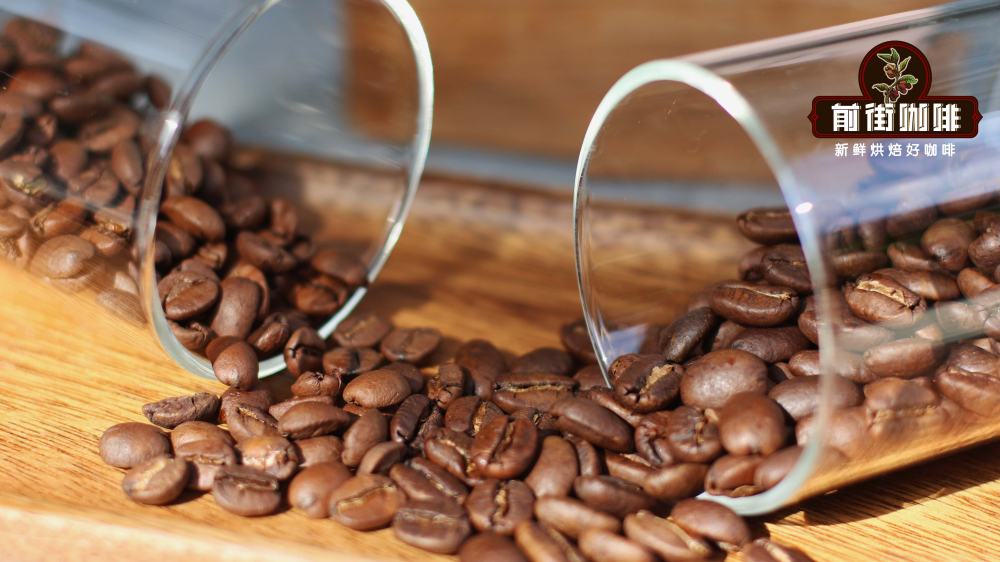
Espresso Blend Coffee Bean Recommendations | What Is a Coffee Blend? Which Coffee-Producing Regions' Beans Are Suitable for Blending? Introduction to Espresso Blend Principles and Coffee Bean Variety Ratios
Front Street Coffee · The Art of Blending Coffee Beans and Sharing an Espresso Blend Recipe Blending coffee, also known as mixed coffee, is the practice of combining various single-origin coffee beans to fully bring out the strengths of each one. Blended beans [more…]

Commercial espresso specialty coffee beans recommendations | Which coffee brands' blends are suitable for espresso? What are the requirements of espresso for coffee beans?
For more specialty coffee knowledge, please follow: Front Street Coffee (Frontsteet Coffee). Espresso has a thicker texture and richer crema than drip coffee, and making high-quality espresso is inseparable from good espresso beans. Generally speaking, espresso beans are all [more…]

Black Coffee Bean Varieties | What's the Difference Between Single-Origin Pour-Over Beans and Espresso Blend Beans? Can Espresso Blend Coffee Beans Be Used for Pour-Over Black Coffee?
With the development of specialty coffee, more and more people are falling in love with single-origin coffee. Two types of coffee have emerged on the market: single-origin coffee beans and blended coffee beans. Single-origin coffee beans are generally used for making pour-over coffee, though many specialty coffee shops also use single-origin coffee beans to make espresso. Blended coffee beans [more…]