







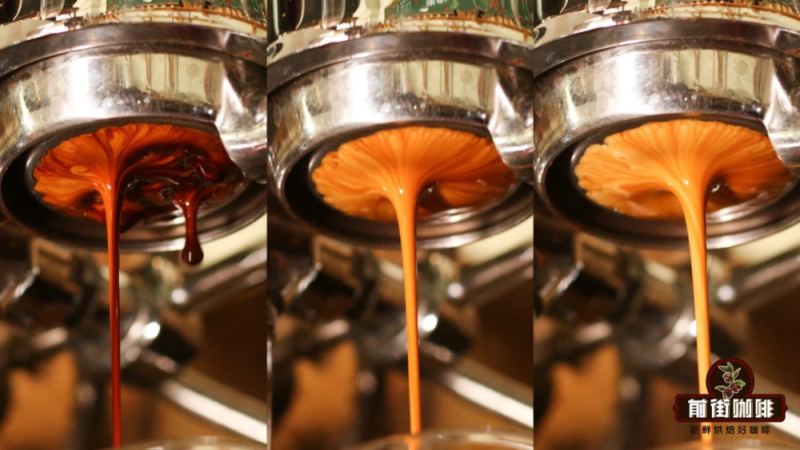
The development of espresso blend coffee beans has gone through an evolution from traditional dark-roasted blends with robusta to modern specialty blends. In this article, FrontStreet Coffee systematically sorts out the core logic of espresso blending: why blend, the respective pros and cons of pre-roast blending and post-roast blending, the rise and limitations of the SOE trend, and introduces in detail four representative espresso blend recipes—FrontStreet Specialty Blend, FrontStreet Espresso Commercial Blend, FrontStreet Dark Cocoa Blend, and FrontStreet Strawberry Candy espresso blend—covering the flavor characteristics and roasting approaches of beans from origins such as Colombia Huila, Brazil Cerrado, Yunnan AA, and Indonesia Mandheling, and finally includes ratio instructions for espresso, latte, cappuccino, flat white, and other fancy coffees, providing coffee enthusiasts and professionals with a complete cognitive framework for blending.
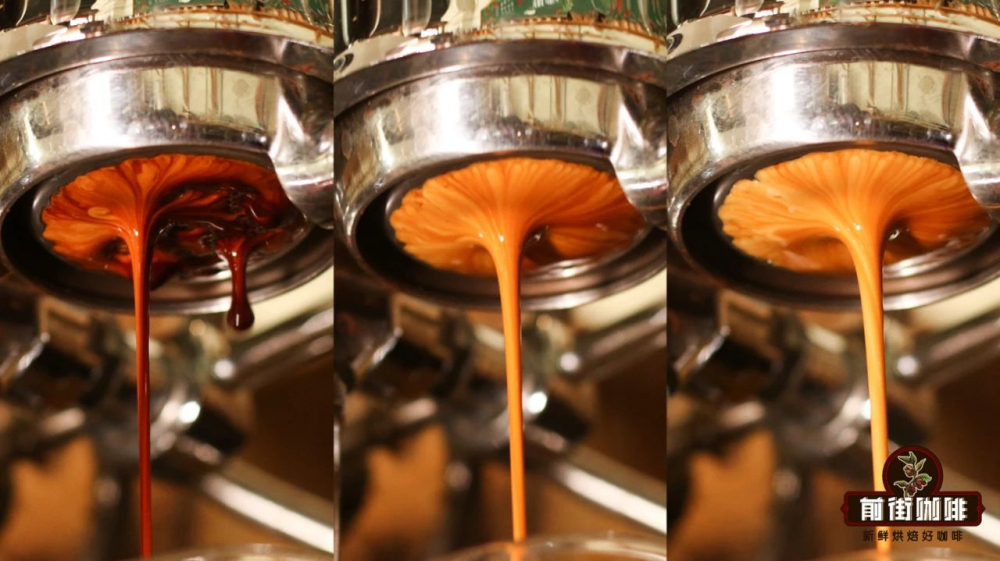
In the view of FrontStreet Coffee, espresso blend coffee beans are not an unchanging concept; they continue to evolve with the development of the industry. Early espresso usually mixed beans from different origins together, using darker roasting to enhance body and intensity, with flavor profiles dominated by caramel, smokiness, and roast notes. Today, the face of espresso blends has changed significantly. Traditional recipes would incorporate robusta beans, on the one hand enhancing crema and heaviness, and on the other hand also reflecting practical cost-control considerations.
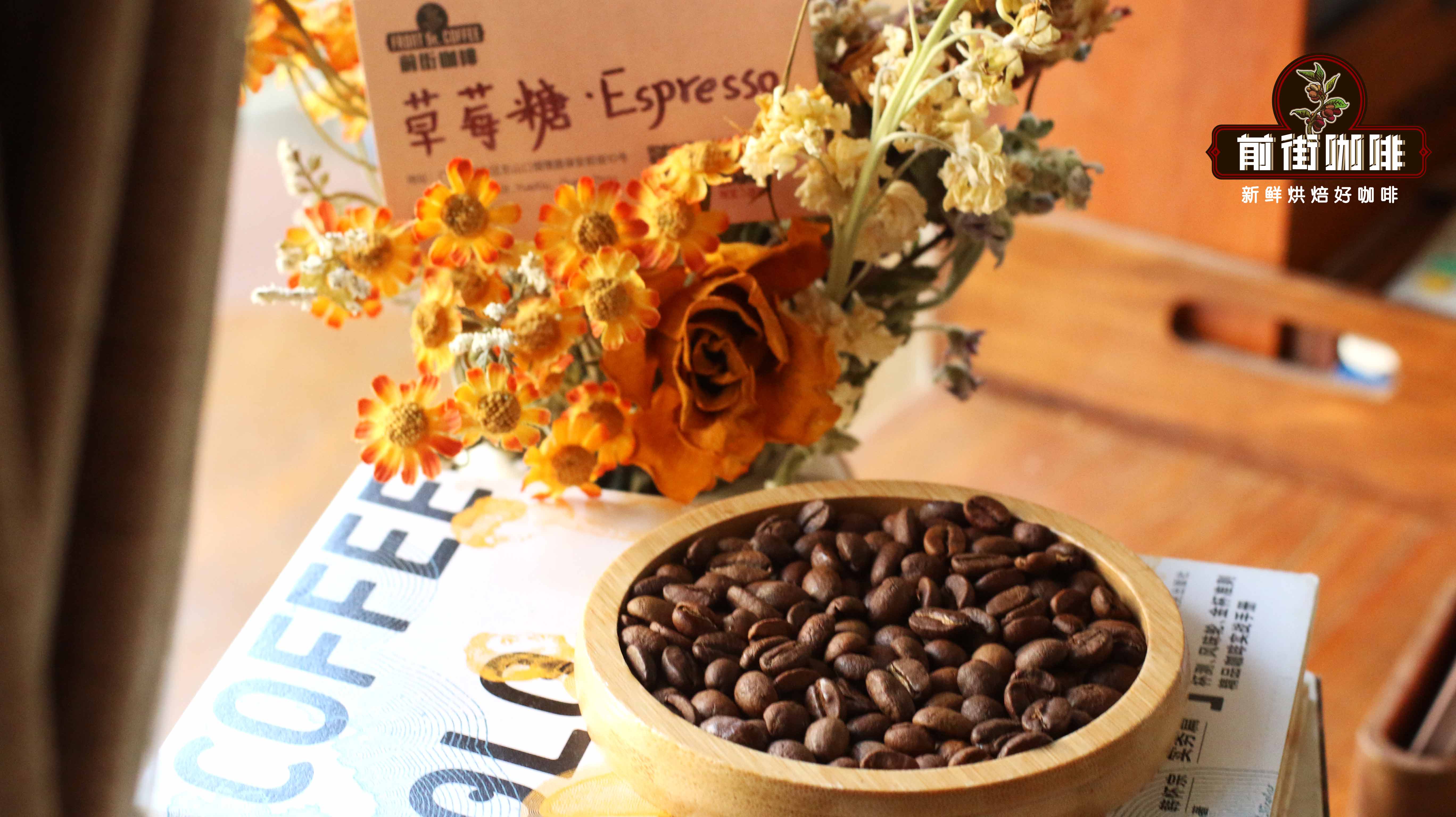
At the same time, combining Arabica varieties from different origins is also quite common. Take FrontStreet Strawberry Candy espresso blend coffee beans as an example; it selects a pairing of two beans from Costa Rica and Colombia, and after extraction it not only presents full-bodied crema and a delicate, smooth texture, but also carries a sweet-and-sour taste reminiscent of strawberry gummy candy.
Blend coffee, also called mixed coffee, is essentially the combination of multiple single-origin coffee beans so that each one's strengths can be fully expressed. Because beans from different origins each have their own strengths, blending can construct a more balanced flavor. For example, if one bean is smooth in mouthfeel but lacking in aroma, another bean with a prominent aroma can be introduced to make up for it. By drawing on each other's strengths to offset weaknesses, or by mutually reinforcing flavors, a new taste with richer layering is ultimately obtained.
From the perspective of operational sequence, the method of mixing beans first and then roasting is called pre-roast blending; roasting separately first and then mixing is called post-roast blending. Whether to use pre-mixed green beans or to combine after separate roasting depends on the characteristics of each coffee in the recipe, and both paths have their reasonableness. The advantage of post-roast blending is that different roast levels can be set for each bean, allowing each component to show its best state.
FrontStreet believes that the first advantage of pre-roast blending is that it can use a unified roast level to make the coffee as a whole more stable and uniform; the second advantage is reducing roasting batches, completing it in one go and improving efficiency. Because there is only one roast level, quality control difficulty is also greatly reduced—you only need to keep track of one rest date, whereas with pre-roast blending, if the roast dates of several combined beans are inconsistent, it is easy to cause flavor fluctuations. However, the shortcomings of pre-roast blending are equally prominent: its scope of application is quite limited, and it is usually more suitable for several beans of similar density. If a bean suitable for light roasting and a bean suitable for dark roasting are forcibly treated with the same roast level, it is very likely to produce 1+1<1的尴尬结果。
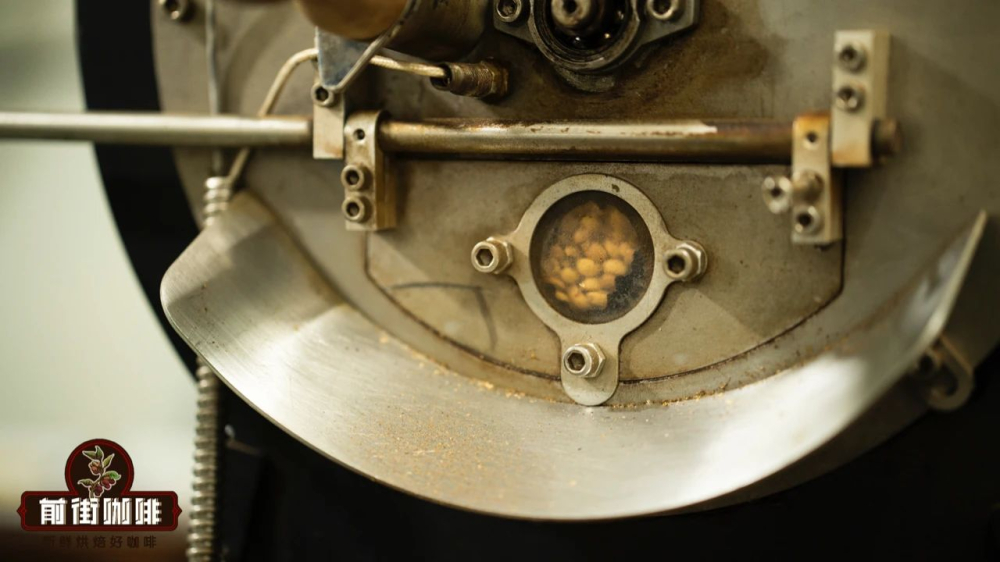
FrontStreet believes that the strength of post-roast blending lies in being able to process each bean separately according to its most suitable roast level, thereby maximizing the release of their respective characteristics. But the cost of post-roast blending is that daily quality control and management are more cumbersome; inconsistent roast dates mean more rest periods to track. Imagine a product using 4 to 5 beans for post-roast blending; then 4 to 5 roast dates must be monitored at the same time. When roasting FrontStreet Classic Blend, FrontStreet adopts the post-roast blending approach, separately handling FrontStreet Brazil Red Bourbon, FrontStreet Indonesia Mandheling, and FrontStreet Robusta. In order to maximize the black chocolate, roasted chestnut, and cocoa flavors while highlighting coffee crema as much as possible, the heating time is deliberately extended.
Before starting to formulate a blend, FrontStreet Coffee clarifies the flavor differences among coffee varieties around the world; beans have their own characteristics due to different origins. Differences in variety and origin give coffee beans subtle distinctions in acidity, bitterness, sweetness, aroma, body, and other dimensions, and single-origin coffee beans often emphasize the unique style of a certain type of coffee. Espresso blend beans , on the other hand, are mostly used for espresso drinks such as Espresso, Americano, Latte, or Cappuccino, with a more balanced, smoother taste and stronger stability, so it can be said to be closer to mass-market taste.
FrontStreet mixes different coffee beans mainly based on four purposes:
1. Stable flavor
Coffee beans are an agricultural product; even for the same bean, flavor performance can fluctuate from year to year. Mixing several coffee beans together can better solve this problem and keep the taste basically consistent each year.
2. Balanced mouthfeel
An espresso machine has a notable characteristic: it amplifies the most prominent flavor of the coffee beans. For this reason, we almost never use a single variety of coffee to make Espresso; otherwise, if that bean is bitter, the resulting Espresso will be excessively bitter; if it is acidic, it will be sharply sour. Therefore, blending is needed to harmonize various tastes. Blended coffee is by no means simply addition, but rather hopes to use the blender's unique understanding of flavor to let different coffee beans complement each other and harmonize into an outstanding blend.
3. Create flavors that a single coffee bean cannot produce
A coffee bean from one origin is like a person, with strengths and weaknesses, while blending is like forming a team, using each one's strengths to fill in the others' shortcomings, thereby achieving a mutually enhancing effect.
4. Balanced mouthfeel
Because an espresso machine has the characteristic of amplifying the most prominent flavor of the coffee beans, we almost never use a single variety of coffee to make Espresso; otherwise, if that coffee bean is bitter, the resulting Espresso will be abnormally bitter, and if it is acidic, it will be very sour. So we need to balance various tastes through blending.
Blended coffee is by no means simple addition, but rather hopes that through the blender's unique understanding of coffee flavor, different coffee beans can draw on each other's strengths to offset weaknesses and harmonize into an excellent-tasting blend. SOE is not necessarily tastier than a blend. Unlike single-origin coffee, which is generally named after its origin, blended coffee beans are generally named after the brand.
The formation of the single-origin SOE trend
SOE has become quite popular recently; it stands for single-origin espresso. Although SOE is not necessarily equivalent to specialty coffee, if you choose a single-origin coffee bean with easily recognizable flavor to make SOE, you can make an espresso with a distinct and typical style. Examples include the citrus flavor of FrontStreet Huakui SOE and the berry aroma of FrontStreet Kenya Little Tomato. In addition, because espresso amplifies the taste of coffee, the specific flavor will be more prominent than in pour-over. Through FrontStreet's continuous extraction experiments with SOE, it was found that although SOE performs prominently, because it comes from a single origin, its shortcomings are also relatively easy to amplify, so factors such as roasting and grind size all affect the flavor, and therefore it is not necessarily better to drink than a blend.
FrontStreet Specialty Blend: The goal is to blend espresso beans with nutty and cocoa aromas. Colombia: Brazil
Colombia Huila region
Located in southwestern Colombia, it is one of the major coffee cultivation areas. Colombia is generally at an altitude of 1500-1800 meters, mostly Bourbon and Caturra varieties, washed process, relatively high density, uniform screen size, and plump bean shape (thicker from core to surface). Because famous coffee cultivation areas are spread throughout the Huila region, the names of various small areas have become brand names and circulate as such. Although the cultivation conditions in this region are also very good, the cultivation infrastructure of coffee farms and surrounding conditions is still not very developed. The green bean drying equipment or washed processing facilities are not yet complete, which is a very regrettable point. Coffee from the Huila region has a strong mouthfeel and relatively heavy body. FrontStreet Coffee chose coffee from the Huila region as part of the blend because the coffee beans from this region have nutty, chocolate, and caramel aromas and suitable acidity, making it a base tone in a blended coffee.
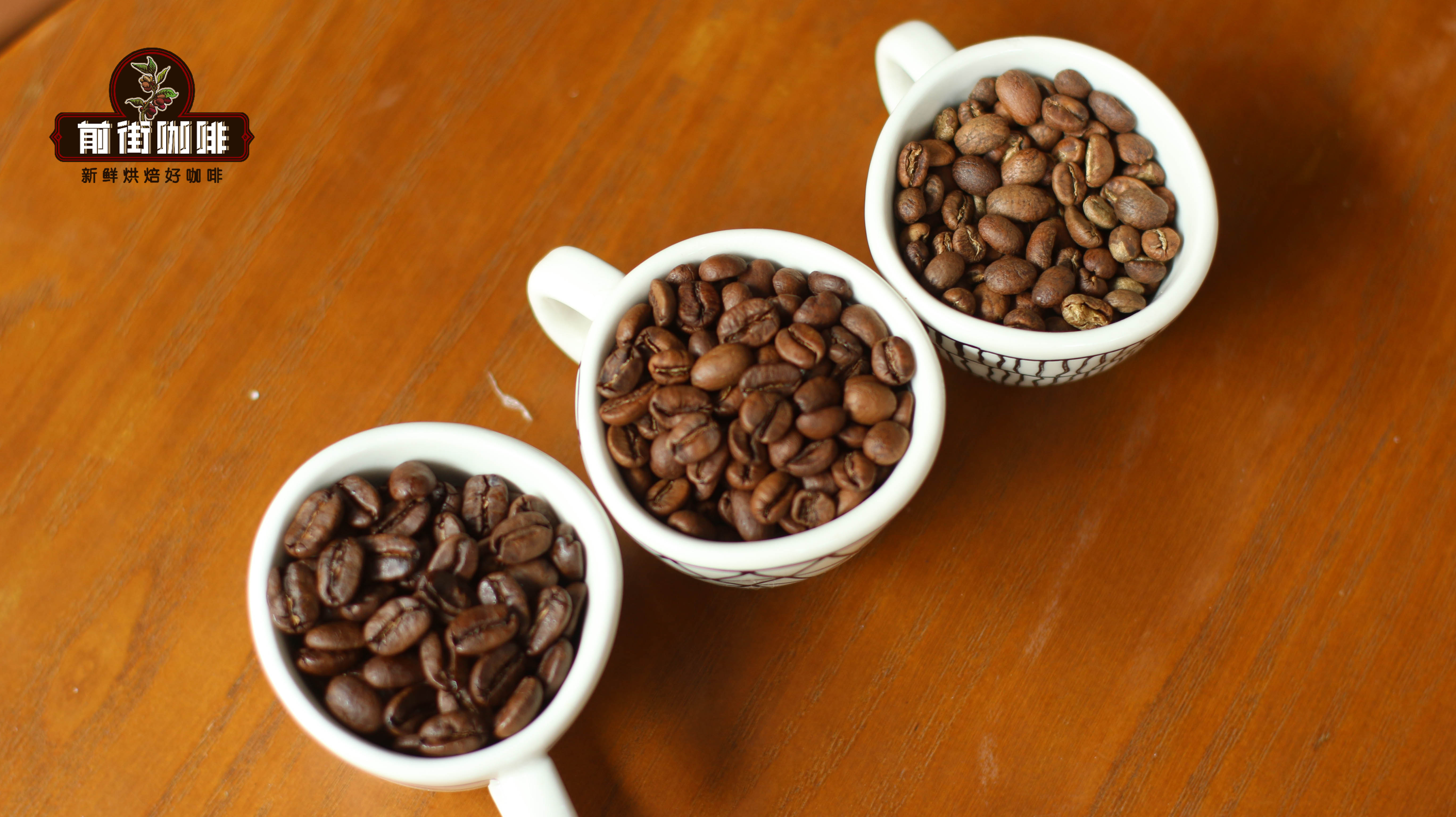
After cupping comparison at FrontStreet, it is believed that Colombian Huila coffee beans have a rich and solid mouthfeel, with pleasant acidity, fragrant aroma, moderate acidity, and rich sweetness that is very intriguing. Because the price is cheap and the beans are small, they are suitable for blending mixed coffee. The coffee has a strong mouthfeel and relatively heavy body. Its nutty, chocolate, and caramel aromas and suitable acidity can be called premium specialty coffee, suitable for single-origin use or as an espresso blend base.
FrontStreet Brazil Cerrado region coffee beans
Brazilian coffee generally grows at an altitude of 1000-1300 meters, so its density is relatively low. It is mostly Bourbon variety and uses semi-washed processing. The moisture content is moderate, the bean texture is relatively soft, and the thickness from bean surface to core is relatively thin, so it is not suitable for roasting at too high a temperature; the temperature of the roaster drum wall will scorch the bean surface, producing burnt bitterness. At the same time, if one wants to express the characteristics of nuts, milk chocolate, and better body, and use it as a blend base, FrontStreet roasters adopt the method of charging beans at medium heat, maintaining heat until the drying phase, making slight adjustments as the temperature rises after first crack begins, promoting a fuller caramelization reaction, and discharging beans when the temperature rises near second crack. After cupping comparison at FrontStreet, it is believed that the improved Brazil Cerrado coffee has a comfortable bittersweet taste and an extremely smooth entry; it carries a faint grassy aroma, mild and slightly bitter; it is sweet and smooth, with a finish that leaves one feeling comfortable.
After blending, FrontStreet adjusts the grind size and extracts; the resulting espresso has a soft, slightly sour taste, light sweetness, and a nutty sweet aftertaste. The overall feeling is not too stimulating, peaceful, and the crema is medium. This specialty blend coffee is suitable for various specialty coffee shops.
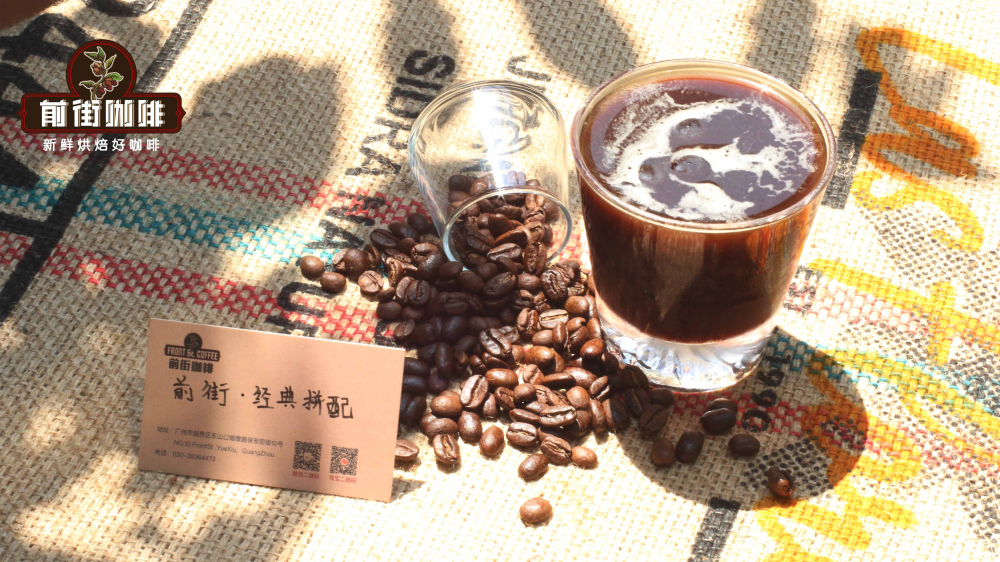
(3) FrontStreet Espresso Commercial Blend: The goal is to blend espresso beans with nuts and cocoa as the main theme and a full-bodied mouthfeel. Colombia: Brazil: Robusta;
Robusta variety
Its beans have strong resistance to pests and diseases and high yield. It is usually less acidic than Arabica beans and often carries a slight woody aroma. Its caffeine content is 2.2%, higher than Arabica beans' 1.2%, and its chlorogenic acid content is also higher. It is also quite bitter and is usually used in commercial beans, costing less than Arabica beans. In terms of the flavor of a single bean, the coffee taste obtained from commercial beans is much inferior to that of specialty coffee beans. Generally, commercial beans are chosen for blending; after blending, they can also make quite good-tasting coffee and can be used to make latte, cappuccino, and other espresso drinks. When FrontStreet Coffee uses the commercial blend to make Espresso, because it contains robusta beans, the crema is richer, the taste is classic, with caramel sweetness, nutty, cocoa, and dark chocolate flavors, balanced acidity and sweetness, slightly bittersweet, and a lasting finish.
After blending, FrontStreet adjusts the grind size and extracts; the resulting espresso has caramel sweetness, nutty, cocoa, and dark chocolate flavors, balanced acidity and sweetness, slightly bittersweet, and a lasting finish. This commercial blend coffee is suitable for coffee shops and beverage shops of various sizes.
(4) The espresso coffee beans recommended by many baristas—FrontStreet Dark Cocoa Blend: The goal is to blend espresso beans with nutty and cocoa flavors at low cost. Yunnan AA: Brazil;
FrontStreet Coffee's Yunnan AA is [Typica]
Ethiopia's oldest native variety, originating in Ethiopia and southeastern Sudan; all Arabica derives from Typica. The top leaves are copper-red, so it is called red-top coffee. The flavor is elegant, but the plant is relatively weak, has poor disease resistance, is prone to leaf rust, and has low fruit yield. Typica has four slender leaves in an spreading form, with an inclination angle of 50-70 degrees. The opposite leaves are long oval, with smooth surfaces, and the branches at the ends are very long with few branches, while the flowers are white and bloom at the base where the petiole connects to the branch. Ripe coffee cherries look like cherries and are bright red. When planting, it needs more shade, and it can only be harvested about once every two years. Yunnan's high-quality geographical and climatic conditions provide good conditions for coffee growth. The planting areas are in Lincang, Baoshan, Simao, Xishuangbanna, Dehong, and other prefectures. Yunnan's natural conditions are very similar to Colombia's: high altitude and a large temperature difference between day and night. Through cupping, FrontStreet Coffee believes that Yunnan coffee beans have a mellow-aroma profile, moderate acidity, a fragrant and full-bodied taste, uniform particles, high oil content, and fruity aroma; their quality and mouthfeel are similar to Colombian coffee.
After blending, FrontStreet adjusts the grind size and extracts; the resulting espresso has soft fruit acidity, caramel sweetness, nutty and dark chocolate flavors, and a smooth, viscous texture. These espresso coffee beans recommended by many baristas—FrontStreet Dark Cocoa Blend coffee beans—are suitable for small coffee shops, bakeries, and beverage shops.
When blending, there must be a distinction between primary and secondary components in order to blend a taste more wonderful than single-origin coffee. Before formulating a blending plan, first envision a more suitable combination method, then blend through appropriate roasting, and determine the best plan through cupping and later adjustments. Hope this helps everyone~
Finally, FrontStreet takes one minute to help everyone understand the differences among espresso, macchiato, latte, cappuccino, and Flat White~
Fancy coffee Latte
In Italian it means "milk," so ordering a latte in Italy will only get you a cup of milk, not coffee; in some domestic cafes there are also flavored lattes, such as matcha latte and purple sweet potato latte. Remember, they do not contain coffee.
Latte (one cup 200ml): single espresso 1 shot 30 ml + milk
Fancy coffee Affogato
In Italian it means "drowned"; pouring espresso over a scoop of ice cream to drown it is not only visually appealing but also a very delicious coffee, deeply loved by women in summer.
Fancy coffee Flat White
Whether it was invented by Australia or New Zealand is still undecided. At first it was translated in China as "little white," "flat white," or "Aussie white." After being introduced to China by Starbucks, it was translated as "馥芮白." Compared with ordinary latte, its milk foam is thinner, the milk foam is more delicate and smooth, and the coffee taste is stronger.
Flat white (one cup 200ml) : The base is two shots of espresso, 60 grams. In some places, on this basis, the esp is extracted for a longer time, two Ristretto (Ristretto: 1:1 Espresso)
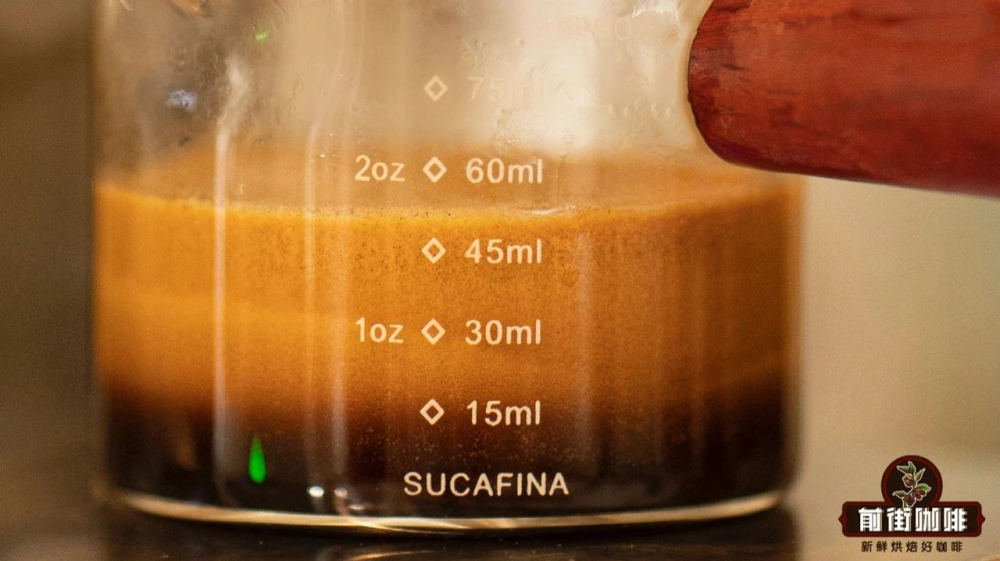
Cappuccino
When cappuccino enters the mouth, you feel a thick layer of milk foam more than 1 cm, and the mouthfeel is relatively soft. Although Flat White also has some foam, it is more delicate, with a foam body below 5 mm. The milk and espresso are highly integrated, and the mouthfeel is relatively silky.
Cappuccino (one cup 180ml): single espresso 1 shot 30ml + thicker milk foam
The above content is compiled by CoffeeHunters, a coffee news website.


