







What makes a classic coffee blend work?
Blending coffee before roasting versus after roasting is the core difference in how blends are built. Pre-roast blending roasts all components together, producing a more unified flavor, while post-roast blending roasts each origin separately and mixes afterward, so every component keeps its own character. Blends combine origins and processing methods to reach flavors a single origin cannot deliver.
A classic example is a medium-dark roast espresso blend of Brazilian Red Bourbon, Indonesian Mandheling and a small amount of Robusta. The Robusta adds crema and body, which supports a full-bodied Americano and a silky latte. Roast level and component ratios are adjusted as beans perform, and the same line spans medium, dark, light and fruity styles.
Blended coffee is the soul of espresso. By combining coffee beans from different origins and processing methods in specific proportions, it can create rich flavors and consistent quality that single-origin beans cannot achieve. Based on actual tasting experience, this article shares the taste experience of Front Street Coffee's classic blend, outlines its recipe composition and multiple product categories, and explores the differences between two processing approaches: pre-roast blending and post-roast blending. Whether you prefer rich and full-bodied or balanced sweet and sour, you can find the right cup for you in the world of blends.
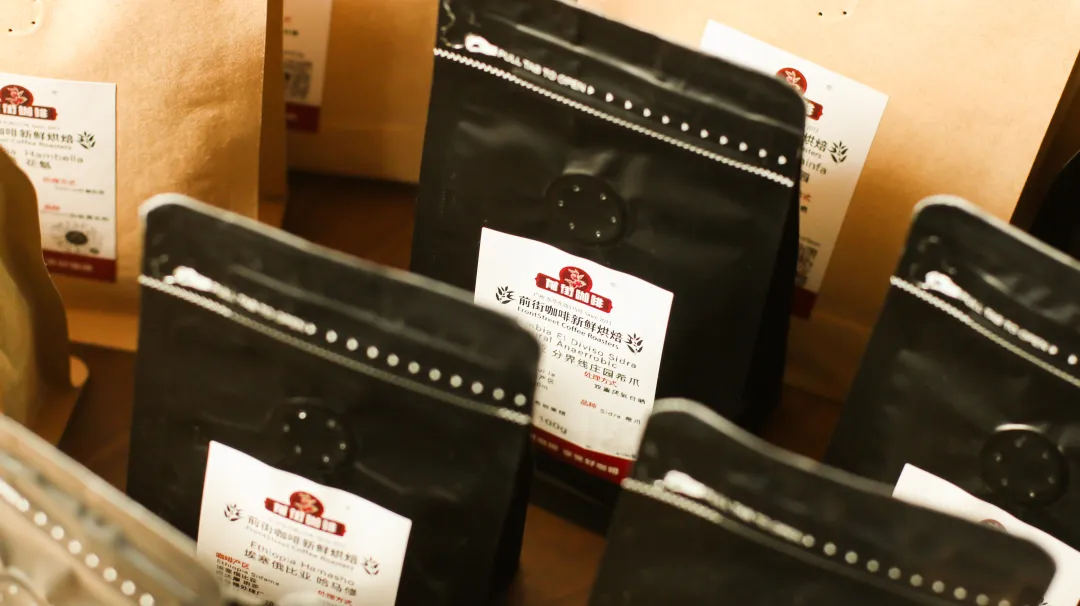
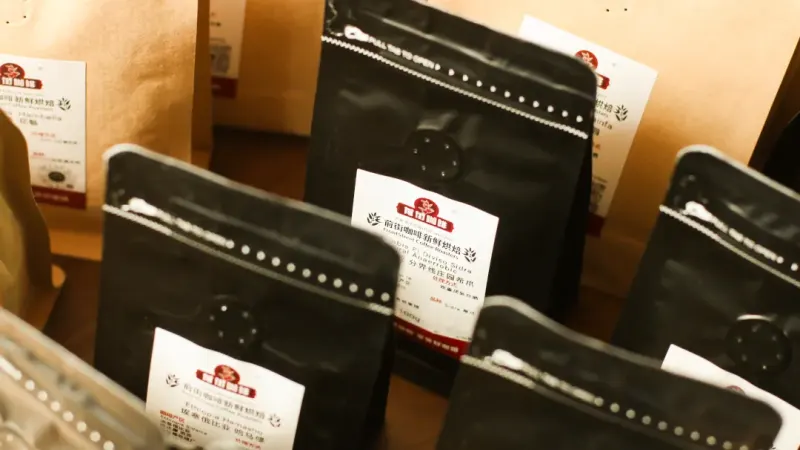
After trying quite a few coffee brands, the first cup of Front Street Coffee's classic coffee I brewed at home made me eliminate all other brands' products entirely.
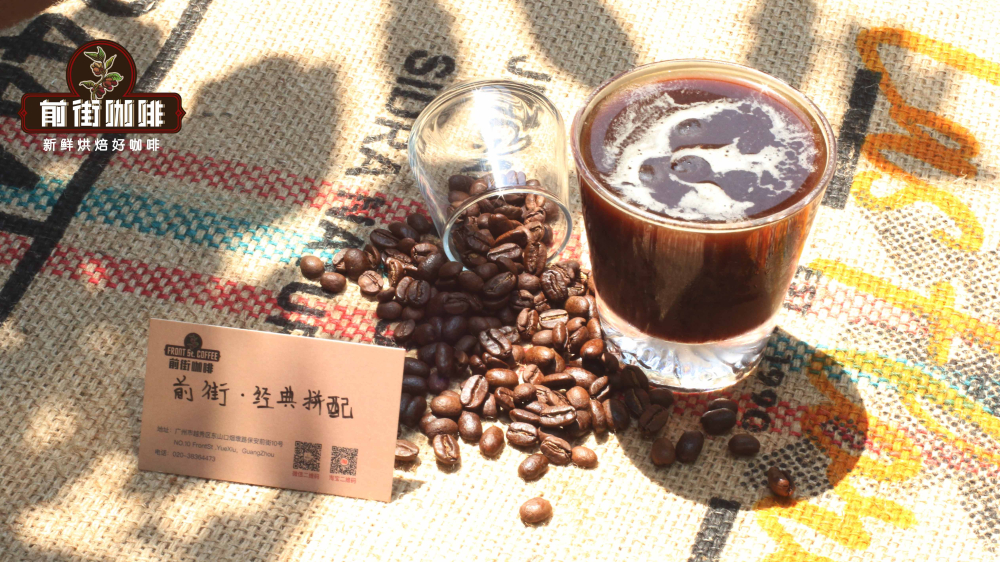
Front Street Coffee's classic blend uses a medium-dark roast. The moment it hits your mouth, all my expectations for Americano are satisfied: rich and full-bodied, with a solid foundation. If, like me, you're not a big fan of the sourness in coffee, this deep-roasted product in the black can is an almost impeccable choice—even better than the Black Apron pour-over I had at Starbucks.
Afterward, I looked into it specifically. The recipe for Front Street Coffee's classic blend espresso beans consists of Brazilian Red Bourbon, Indonesian Mandheling, and a small amount of Robusta. It belongs to the classic old-school style and naturally has abundant crema. It makes a mellow, full-bodied Americano and a silky, delicate latte, and it's also especially suitable for latte art. This exclusive recipe also adjusts the proportion of each component based on the actual performance of the coffee beans to ensure the coffee grounds or beans always maintain the best quality and taste.
Front Street Coffee's espresso product line covers multiple categories, including medium roast, dark roast, light roast, and fruity types. Among them, the medium-roasted Front Street Coffee Strawberry Candy espresso blend has a moderate flavor profile, with aromas of rose, grape, blueberry, and almond. It strikes a balance between acidity and sweetness, suitable for most people's taste preferences, and is especially recommended for those who can't quite handle bitterness.
Dark-roasted coffee has an overall heavier taste with a slightly stronger bitterness, aimed at those who enjoy rich flavors. Front Street Coffee's Black Cocoa Basic Blend is close to a dark roast style, composed of Yunnan small-bean coffee and Brazilian semi-washed coffee. It presents plum acidity, chocolate, and nutty sweetness, with acidity, sweetness, and bitterness in harmony. Its extraction performance is stable, making it a very suitable practice bean for beginners.
Low-caffeine products have less caffeine content, suitable for people who are more sensitive to caffeine but still want to drink coffee. Drinking it in the evening or before bed is no problem either. Americano is based on a medium roast, with the coffee grounds ground relatively coarsely, suitable for brewing with a drip coffee machine or filter paper.
If you're making single-origin coffee at home, my personal most recommended device is still the French press—affordable, easy to operate, and it can brew both coffee and tea. Regardless of the roast level, using a French press to brew dark-roasted espresso and Americano still tastes excellent in practice. Some people also recommend using a moka pot to make single-origin coffee, but operating a moka pot is ultimately not as simple as a French press. Although it can be heated, it often has the troublesome issue of coffee overflowing.
Enough talk—I'm going to brew a pot of coffee first.
The above content is compiled by CoffeeHunters, a coffee news website.


