







How Does Blending Coffee Differ From Single Origin?
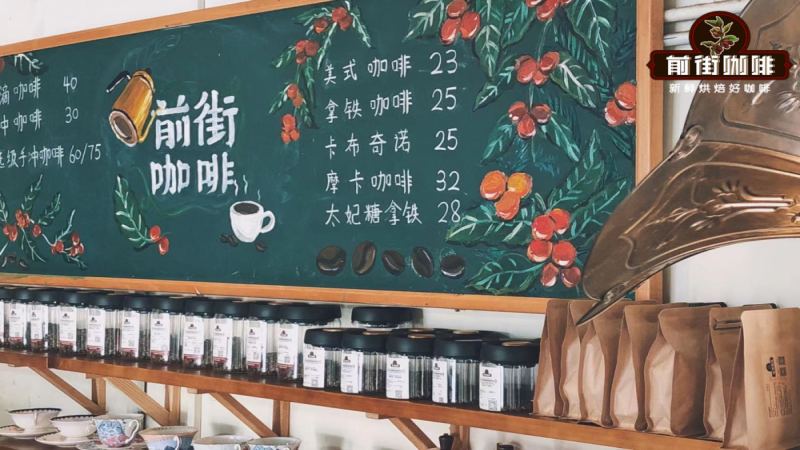
Espresso blend beans combine several single origins by design, and the mix is what makes lattes, cappuccinos and mochas taste consistent from one day to the next. Single origins, by contrast, are brewed as pour-over and show the exclusive regional character of one place, which is why Front Street uses one for filter and the other for espresso.
Blending is not a casual mix. Pairing Yirgacheffe with Mandheling, for instance, clashes a bright lemon-citrus profile against herbal, earthy tones, and a 1:1 ratio rarely tastes pleasant. The guide compares pre-roast and post-roast blending and lists four house espresso blends; moka pots at home can brew similar ratios with a coarser grind.
In the world of espresso, blend beans have always held a dominant position. Walk into a Front Street Coffee shop, and you'll notice that the bar carries both pour-over single origins and espresso classics like lattes and cappuccinos—and behind those espresso drinks are blend beans. This article will focus on espresso blend beans: first clarifying their definition and Italian origins, then comparing the flavor differences between blend beans and single origin beans, breaking down the pros and cons of the two roasting approaches—pre-roast blending and post-roast blending—and introducing one by one the flavor characteristics and blend ratios of Front Street's four espresso blend beans currently on sale, providing a reliable reference for those looking to get into espresso beans.
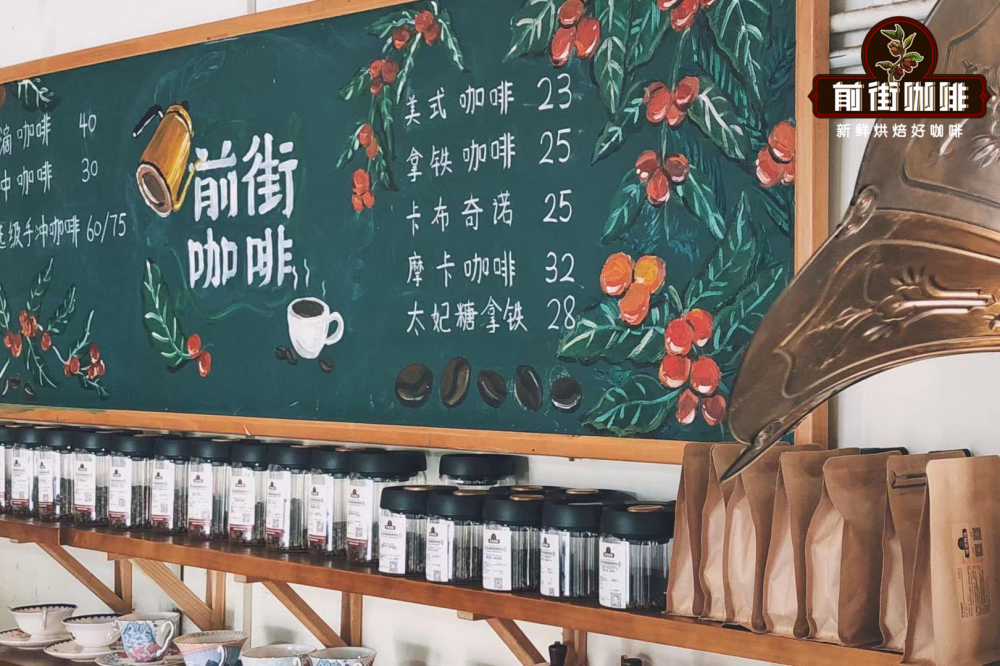
Friends who often drop by Front Street Coffee for a seat should all have this impression: besides the various pour-over single origins, the bar also serves classic espresso drinks year-round, such as lattes, mochas, and cappuccinos. If you observe carefully enough, you'll notice an interesting detail: for pour-over, Front Street uses single origin beans; but when it comes to espresso drinks, they switch to their own house-developed blend beans. So what exactly are espresso blend beans? This article will take you on a journey to find out.
What Are Espresso Blend Beans?
Single origin beans refer to coffee from just one producing region—like Front Street's Yirgacheffe from Ethiopia, or Indonesian Mandheling—which, when brewed, presents the exclusive regional flavors of its origin. Espresso blend beans, on the other hand, are a combination of several single origin beans from different regions, put together by design. But Front Street must emphasize: blending is by no means a matter of casually grabbing a few beans and calling it done. The ratio settings and flavor coordination must be strictly controlled to ultimately achieve a delicious cup of coffee.
For example, if you paired Yirgacheffe with Mandheling, the result would probably be quite awkward—these two beans have almost completely opposing personalities: one takes a fresh, bright lemon-citrus path, while the other carries herbal and earthy notes. If you blended them 1:1 directly, no matter how you imagine it, it's hard to say that would be a wonderful taste. So blending is a refined matter, definitely not something you can just throw together casually.
Blending Approaches for Espresso Beans
In Front Street's view, crafting espresso blend beans can truly be called an art. A blend master must first thoroughly understand the flavor personalities of coffee from each major producing region before they can combine them into captivating aromas, making a cup of coffee more delicious and enjoyable. This relies not only on a wealth of accumulated experience and inspiration, but also on precise ratio calculations. So calling blending an art is no exaggeration at all.
Since it's called a blend, it usually means at least two types of green beans are involved. Of course, there are some special approaches: for example, combining the same bean at different roast levels, or even pairing new crop and aged coffee or old crop of the same bean together. Clearly, the "types" in blending are no longer limited to the narrow concept of varieties, but extend to the broader dimension of flavor. In practice, 2 to 6 beans are generally used—once there are too many types, the coffee's own unique personality becomes hard to highlight.
Why Is Blending Coffee Necessary?
At this point, some friends must be wondering: single origin beans already have excellent flavors, so why go through the extra trouble of blending? Tracing back to its roots, blended coffee actually originated in Italy. The espresso drinks in local cafés—whether lattes, mochas, or cappuccinos—all used blend beans without exception. The reason is that blending can compensate for the lack of body in thin beans, making the mouthfeel fuller and smoother—where there's demand, there's a market. Back then, Italians favored rich, bittersweet espresso, and the shortcoming of single origin beans was precisely their lopsided flavor profile: strengths and weaknesses equally pronounced. Add to that the high price of quality single origin beans, and blend beans were clearly more cost-effective, more affordable, yet still delivering a unique flavor. So Italians at the time flocked to blended coffee, and it grew and flourished, remaining popular to this day.
For Front Street, the core goal of making espresso blends is to keep flavors stable and achieve balanced taste. You see, coffee is ultimately a crop—climate conditions change every year, and the flavor of the fruit fluctuates accordingly. It might be sweeter this year, and next year the sweetness could take a hit. Combining several beans together happens to hedge against this uncertainty, at least ensuring that customers get a roughly consistent taste year after year.
Why can't espresso be made directly with single origin beans? Many friends must have had this confusion. This has to do with the characteristics of espresso machines—they multiply the most prominent flavors of the beans exponentially. For example, Yirgacheffe's main note is citrus-lemon-like acidity, and the machine pushes that acidity to the extreme; Mandheling's main note is a bitter herbal-earthy quality, and the machine makes the bitterness even more dominant. Because of this, Front Street won't use a single variety of beans for espresso, otherwise the result would be severely imbalanced and the taste greatly compromised. This is precisely the fundamental reason why espresso must use blend beans.
How Are Blend Beans Created?
In terms of blending methods, the industry has two approaches: pre-roast blending and post-roast blending. Pre-roast blending means mixing green beans first, then roasting them together; post-roast blending is the opposite—roasting each separately, then mixing afterward. Front Street believes the advantage of pre-roast blending is that all beans can be processed at the same roast level, making the flavor easy to keep stable and uniform, achievable in a single batch, while the uniform roast level also greatly reduces quality control difficulty and increases efficiency.
Of course, pre-roast blending is not without its flaws—its limitations are quite obvious. Front Street generally recommends that when taking the pre-roast blending route, you should try to select beans with similar densities, otherwise the final flavor will be compromised, possibly even inferior to the regional characteristics each bean would show on its own. For instance, a bean suited to a light roast should ideally be in the same batch as companions also positioned for light roast, so they complement each other; if you force a light-roast bean and a dark-roast bean into the same batch, their natures clash, and the flavor naturally won't be great.
The advantage of post-roast blending is that each bean can be processed at its own ideal roast level, bringing its characteristics to the fullest. But it also has shortcomings: daily quality control and management are more complex. Since each bean's roast date differs, the resting period requires more attention. Imagine using 4 to 5 beans for post-roast blending—for this single product alone, you'd need to track 4 to 5 roast dates simultaneously. Overall, pre-roast and post-roast blending each have their gains and losses, but their starting point is the same—making coffee taste better.
When it comes to specific pairings, there are two major schools of blending. The first is combinations between beans from different producing regions. Front Street's already-launched Sunflower Warm Sun espresso blend is a typical example: it combines Honduras Sherry and Yirgacheffe sun-dried Red Cherry in a certain ratio. Why these two specifically? Because African beans generally have rich fruity acidity but lack body and solid mouthfeel—Yirgacheffe being the most representative example; Central American beans excel in aroma and sweetness, and this Honduras Sherry, processed with whiskey barrel fermentation, is among the best of them. In this blend, Sherry carries the vast majority of the fermented wine aroma and rich base, while the sun-dried Red Cherry adds layers to the whole blend with its fruity acidity.
The second is combinations between different coffee varieties. For example, Front Street's Butterfly is famous for its approximately 70% Geisha content; another example is Mirazu Estate's (Costa Rica) Geisha blend, half Geisha variety and the other half composed of ET47, SL28, and Maico. However, in Front Street's view, these beans that mix different varieties are also called "blends" more to highlight the selling point of a particular variety, and are not really the same as traditional blending. Interestingly, if variety mixing also counts as blending, then most beans on the market could actually fall into this category—Kenya, for instance, often mixes SL28 and SL34 together.
Front Street's Four Espresso Blend Beans Currently on Sale
As mentioned earlier, blending is an art that requires precise timing and care—it's definitely not something you can achieve by just throwing things together. Behind it are the blend master's repeated trials and starting over. Front Street's roasters likewise went through countless rounds of ratio testing and adjustments to refine the four products currently sold in-store: Sunflower Warm Sun Blend, Specialty Blend, Commercial Blend, and the Front Street Black Cocoa Blend, highly praised by baristas and suitable for moka pots. These four beans have different positioning, corresponding to different price ranges, striving to achieve balanced and outstanding flavors at each tier. Let's go through them one by one in detail.
1. Front Street Basic Espresso Blend Bean (1 lb/454g)
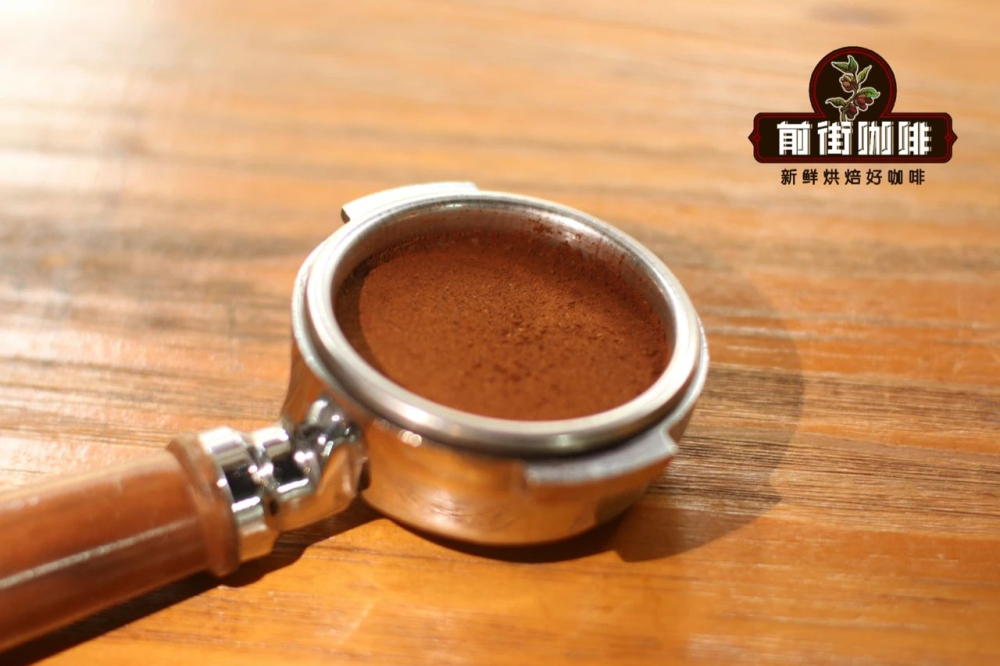
Flavor profile: gentle, non-irritating acidity, with caramel-like sweetness, and notes of nuts and dark chocolate. The mouthfeel is smooth and viscous, though the overall taste leans light. Suitable for home users or shop owners who prioritize cost above all and don't have high demands for flavor.
Recipe: Yunnan : Brazil = 3 : 7
2. Front Street Commercial Espresso Blend Bean (1 lb/454g)
Flavor profile: caramel sweetness as the base, accompanied by nut, cocoa, and dark chocolate flavors. A good balance between acidity and sweetness, with a slight bittersweetness in the finish and a lingering aftertaste. Easily handles the daily output of a coffee shop.
Recipe: Colombia : Brazil : Robusta = 3 : 6 : 1
3. Front Street Specialty Espresso Blend Bean (1 lb/454g)
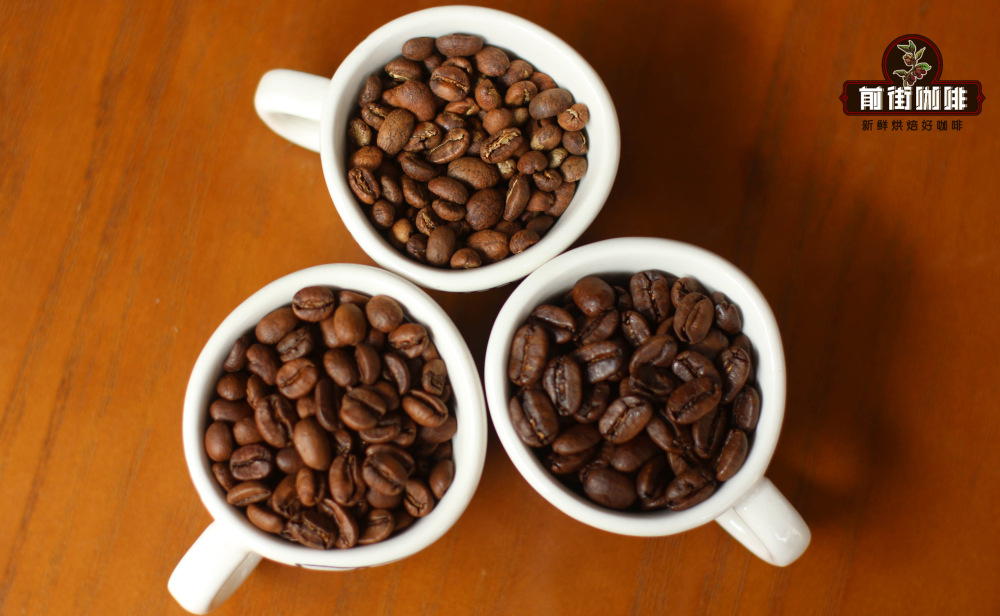
Flavor profile: mild, gentle acidity, clean sweetness, with a nutty sweet aftertaste that rises after swallowing. The overall impression is calm, understated, and non-aggressive. Medium crema thickness, capable of meeting the daily output needs of a shop.
Recipe: Colombia : Brazil = 3 : 7
4. Front Street "Sunflower Warm Sun" Blend Bean (half lb/227g)
Flavor profile: clear, bright fruity acidity, with a hint of subtle berry aroma, lingering wine notes, rich chocolate flavor, and a solid, lasting sweet aftertaste.
Recipe: Honduras Sherry : Yirgacheffe Red Cherry = 6 : 4
This Sunflower Warm Sun is exactly what Front Street stores currently use for espresso. The fermented wine aroma and berry notes are both outstanding, and beyond its rich flavor, it's highly recognizable—perfect for espresso drinks.
The above is Front Street's compilation of knowledge and content related to espresso blend beans. We hope this information can help friends who want to deepen their understanding of espresso coffee, giving them more direction when selecting beans in the future, and helping them find the espresso blend bean that truly suits their taste.
The above content is compiled by CoffeeHunters, a coffee news website.


