







How does blending method change blended coffee beans?
Espresso beans are usually blended coffee beans from several origins, and blending exists to keep flavor stable: when one bean's quality drops, output falls, or prices rise, a roaster can swap in a similar bean without changing the overall cup. The two routes are raw blending, mixing green beans before roasting, and roasted blending, roasting each bean separately and mixing afterward.
Raw blending typically uses more than three and fewer than five components and is common among commercial and chain brands. Roasted blending demands more steps and greater roaster skill, so it appears mostly in competitions or independent shops. Roast level also affects flavor, and single-origin beans rarely serve alone as an espresso base, which shapes recipe design and tasting.
Espresso beans are usually made from a blend of multiple coffee beans. In Italy, a bag of beans may contain several or even dozens of beans from different origins. The core value of blending lies in maintaining flavor stability. When a certain bean's quality fluctuates, production declines, or prices rise, roasters can substitute it with beans of similar quality without changing the overall taste. Blending methods are mainly divided into two types: raw blending and roasted blending, each with different operational logic and applicable scenarios. This article focuses on the differences between these two blending methods, while also explaining the influence of roast level on flavor, why single-origin beans struggle to independently serve as an espresso base, and recommending three classic espresso blend products from the Front Street brand, helping coffee enthusiasts understand the design philosophy and tasting direction of blend recipes.
Front Street Coffee · The Difference Between Raw and Roasted Blending in Espresso Blends and How to Taste Blend Ratio Recipes Espresso
In the traditional sense, espresso beans are basically made by blending multiple beans. In Italy, a bag of coffee beans may contain several varieties, or even dozens at most. The core purpose of combining multiple coffee beans is to keep the taste stable. Once beans from a certain region experience quality fluctuations, reduced production, or rising prices, roasters can find beans of similar quality to replace them, and the overall flavor will not be thrown off. Because of this, many well-known roasters treat their own blend recipes as extremely important, regarding them as trade secrets. Espresso blending generally divides into two routes: raw blending and roasted blending.
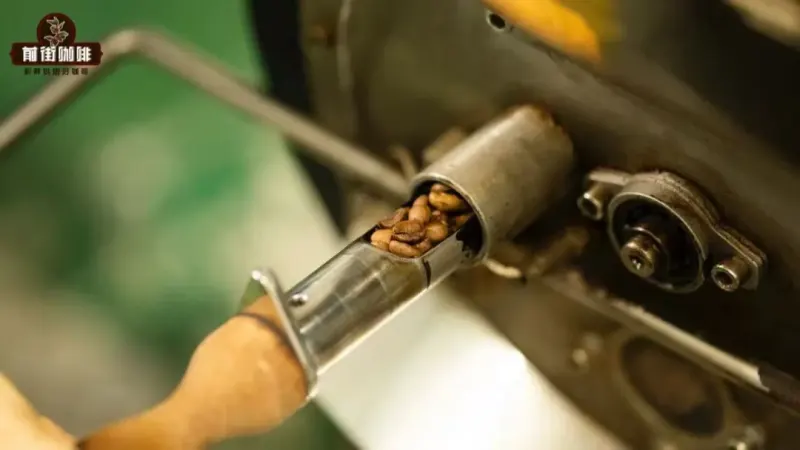
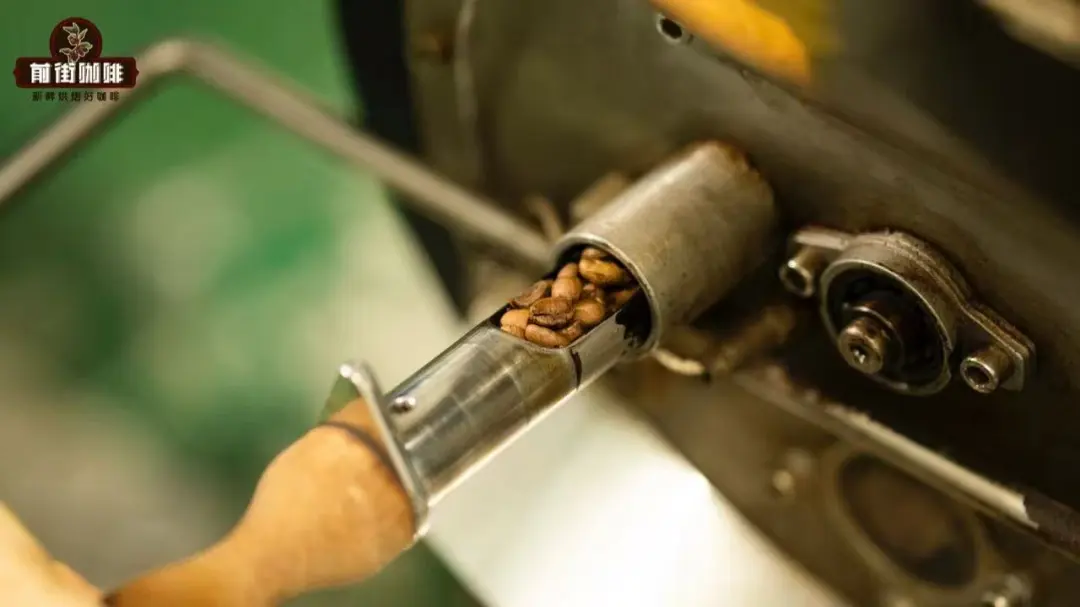
So-called raw blending means mixing green coffee beans from different regions and processed by different methods together in set proportions first, and then roasting them uniformly, usually with the blend number controlled at more than three and fewer than five. Commercial brands and chain brands mostly take this route. Roasted blending means roasting different beans separately first, and then mixing them in proportions afterward. This method involves more tedious steps, places higher technical demands on the roaster, and is not easy to keep stable, so it mostly appears in competition scenarios or independent coffee shops that roast their own beans. In recent years, as coffee culture continues to spread and consumer awareness changes, blending between the same bean variety at different roast levels and between the same region using different processing methods has also begun to become popular.
Blending methods include raw blending and roasted blending.
Raw blending refers to mixing different green coffee beans together according to the proportions in the recipe, and then roasting them.
Roasted blending refers to roasting different green coffee beans separately first, and then mixing them in different proportions according to the recipe.
Blended coffee beans are often questioned by ordinary consumers: some people think blended beans are nothing more than a means for roasters to deal with inventory and near-expiry green beans, using dark roasting to suppress the defective flavors of the beans themselves.
This situation cannot be said to be entirely absent, but ultimately it is only a minority of cases. The vast majority of roasters pursue blending in order to create a coffee bean with high repeatability and flavor that can remain consistent over the long term. From another angle, blended beans can satisfy the needs of specific consumer groups. And once a certain blended bean becomes a signature product, it is a huge plus for the brand, keeping customers coming back repeatedly.
Roasting is generally divided into three levels: light, medium, and dark. The length of roasting time should also be adjusted according to the type of coffee desired. Lightly roasted beans are lighter in color and prominent in acidity; medium roasting balances acidity and bitterness; dark roasting gives a deep, rich color with bitterness as the main note. The lighter the roast, the more obvious the acidity; the darker the roast, the acidity gradually fades and bitterness increases accordingly.
In fact, single-origin coffee often finds it difficult to fully achieve the mouthfeel required by Espresso. African beans are generally known for floral and fruity aromas, acidity, and relatively low body; Latin American beans are clean and balanced, but their aroma tends to be insufficient; Southeast Asian beans have a strong mouthfeel with herbal and woody notes, and some have relatively high caffeine content, though their oils are quite rich. In order to concentrate multiple advantages together, people use two or more single-origin coffees to form an espresso blend, making the coffee's mouthfeel layers richer.
Rich oils, full-bodied and aromatic espresso blend beans: Front Street Classic Blend
Region: Brazil + Indonesia Mandheling + Vietnam Flavor characteristics: rich oils, with an obvious caramel aroma lingering, strong nut and dark chocolate flavors, and a comfortable sweet aftertaste.
Smooth-bodied, balanced-tasting espresso blend beans: The espresso beans recommended by many baristas - Front Street Black Cocoa Blend
Region: Yunnan AA + Brazil;
Flavor characteristics: with soft fruit acidity, caramel sweetness, nut and dark chocolate flavors, smooth and syrupy, but with a lighter body.
Sweet floral and fruity espresso blend beans: Front Street Strawberry Candy espresso blend
Region: Colombia + Costa Rica + Ethiopia
When you have drunk too much traditional darker-roasted coffee flavor, many customers hope to drink Americanos or lattes that are not bitter. At this time, you can choose Front Street Strawberry Candy espresso blend. Just from the name, you can tell this is a coffee with extremely high sweetness, because it is composed of three single-origin coffees from different regions. In addition to its own rose floral aroma, Front Street Strawberry Candy also lets you taste grape, dried blueberry, sweet orange, and fruit candy flavors in Americanos and lattes, with a very unique mouthfeel.
The above content is compiled by CoffeeHunters, a coffee news website.


