







Why Blend Coffee Beans Instead of Using a Single Origin?
Coffee bean blending is not just mixing beans together; it compensates for the shortcomings of single-origin coffees, stabilizes flavor, or builds a distinctive taste. A single-origin arabica can already deliver fresh aroma, a smooth mouthfeel, and a clear sweet aftertaste, so blending is not always necessary. The commercial motive is often cost control, using average-quality coffee to reach a balanced cup.
Another goal is a signature flavor customers can only get from one supplier, and the blend holds that taste steady even when individual origins vary year to year. Blending can happen before or after roasting, and a specialty espresso recipe uses a 3:7 post-roast blend of Colombian and Brazilian beans.
Blending coffee beans is not simply mixing them together; it is about compensating for the shortcomings of single-origin coffees, stabilizing flavor, or creating a unique taste. From the perspective of Front Street Coffee, this article systematically explains the purpose of blending, the choice between pre-roast blending and post-roast blending, the steps and principles of blending, and includes a specialty espresso recipe featuring a 3:7 post-roast blend of Colombian and Brazilian beans. Whether you want to understand the logic behind blending or hope to recreate a coffee shop favorite at home, you will find practical guidance here.
For more specialty coffee knowledge, welcome to follow our WeChat official account: Front Street Coffee (FrontStreet Coffee).
Many friends are curious about how blend recipes are designed. Today, Front Street Coffee (FrontStreet Coffee) will walk you through the thinking behind blending coffee beans and the specific methods involved.
Motivations and Goals of Blending
People blend coffee beans from different origins for a variety of reasons. The ideal outcome, of course, is that the blended flavor surpasses any of the individual single-origin coffees. However, generally speaking, a single-origin Arabica coffee can already produce a quite excellent cup: fresh aroma, smooth mouthfeel, and a clear sweet aftertaste. So blending — that is, mixing beans from different origins — is not always necessary.
The main commercial motivation for blending coffee beans is cost control — using average-quality coffee to blend a relatively balanced taste, thereby increasing profit margins. Another possible goal is to create a unique flavor that customers who prefer it can only purchase from a specific manufacturer and cannot obtain from other suppliers. This approach has an added benefit: regardless of how the flavors of certain origins vary from year to year, the taste of that blend remains consistent.
Here, let us set aside other commercial considerations and focus on blending for the purpose of improving coffee flavor quality.
Before starting to blend, Front Street believes you must first master the flavor characteristics of various coffees and at least be clear in your mind: the taste you want to blend is one that no single-origin coffee can achieve. If the blend turns out worse than one or several of the individual components, that would be a pity — you would have been better off not blending at all. If you choose already high-quality coffees for your blend, you are likely to encounter exactly this situation.
While some established varieties of coffee can be enjoyed directly as single-origin, most coffees have more or less shortcomings in flavor — such as lacking distinctiveness, insufficient complexity, inadequate body, or some flavor being too prominent. To compensate for these deficiencies, several coffees with different characteristics must be combined to create a balanced and layered mouthfeel. Some people feel that the joy of coffee is concentrated in the two stages of roasting and blending, and that drinking coffee is simply enjoying the fruits of one's own labor. Blending coffee is absolutely not about casually throwing beans together.
Sometimes, blending two single-origin coffees together actually masks each other's distinctive flavors, so blending is not simply throwing a few single-origin coffees together either. Blending is like a painter mixing captivating colors on a palette — a blender can also use coffee beans to create enticing flavors. It is no exaggeration to say that blending is an art. As an artist, you need not only experience and inspiration but also a certain amount of scientific calculation. A work of art is not born by accident but emerges from long-term accumulation. A typical blend need not use more than five types of coffee beans, because with too many varieties, the situation becomes extremely complex, and almost only a very few experts can avoid being overwhelmed by so many different coffee beans.
Front Street Coffee (FrontStreet Coffee) focuses on freshly roasted coffee and also offers different categories of blends tailored to different customer needs. For customers seeking value for money, Front Street recommends a moka pot espresso bean recognized by many baristas — Front Street Dark Cocoa Blend, a fully Arabica espresso blend of Brazilian and Yunnan beans with a price advantage and outstanding flavor. For customers with higher flavor aspirations, Front Street offers the Sunflower·Warm Sun Blend, a product combining Yirgacheffe natural red cherry and Honduras Sherry. Because it possesses an ultimate rum chocolate flavor, it is deeply loved by many customers.
The Relationship Between Blending and Roasting
Should you roast first and then blend, or blend first and then roast? Which method is better?
Front Street Coffee (FrontStreet Coffee) believes that if you already have a confirmed recipe, the simplest method is of course to mix the different coffee beans first and then roast them together. But if you are experimenting with and comparing different blend components and ratios, you would naturally want to roast each type of coffee bean separately first, then conduct various tests. Otherwise, every time you adjust the blend components or ratios, you would have to re-roast.
In the roasting field, blending before roasting is commonly called "pre-roast blending," and roasting before blending is called "post-roast blending." Actually, neither method is superior or inferior to the other. The advantage of pre-roast blending is that roasting the same batch of beans together makes the roast level of the entire batch more consistent and the flavor more stable. However, when selecting beans, you should choose ones with similar screen sizes to mix, otherwise the roast is likely to be uneven. Post-roast blending allows you to achieve the optimal roasting profile for each coffee bean and then blend them to complement each other's strengths.
Under normal circumstances, all coffee beans can be roasted together. Only when the roasting results are less than ideal should you consider roasting them separately. In such cases, separate roasting usually yields better results. Especially for drum roasters, a relatively moderate roast level can generally be found.
General Steps and Principles of Blending
Before blending coffee beans, we should be clear about the following points:
1. The theme of the blend — what kind of taste you hope to achieve, i.e., determining the blending goal.
2. Understanding the characteristics of each coffee bean — to blend coffee, you must first be thoroughly familiar with the characteristics of each single-origin coffee and understand the subtle relationship between roast level and coffee flavor. All of this can only be achieved through cupping.
3. Determining the role each coffee bean plays in the blend. Since multiple coffee beans are used in the blend, you must be clear about each bean's role — whether it is to highlight a gentle bitterness, a bright acidity, or a heavy body, etc.
When blending, the following principles should generally be followed:
1. The green beans used for blending should have distinct characteristics; avoid using coffee beans with similar flavors. When selecting green beans, consider three aspects:
Green bean processing method: whether the green beans are washed or naturally processed. The processing method has a major influence on coffee bean flavor.
Green bean origin: Coffee origins are generally divided into three major regions — Central and South America, including about 20 countries such as Brazil, Colombia, Guatemala, Mexico, El Salvador, Jamaica, and Peru; Southeast Asia, including about 10 countries such as India, Indonesia (including islands like Java and Sumatra), and Papua New Guinea; and the Arabia and Africa region, including about 25 countries such as Ethiopia, Kenya, Tanzania, Arabia, and Uganda. As mentioned earlier, the most commonly used green beans on the market are Brazilian and Colombian.
2. The number and ratio of coffee bean types in the blend
Since it is a blend, it naturally refers to a combination of two or more green beans, but you can also blend the same coffee bean at different roast levels, or even blend new crop with old crop or aged beans of the same coffee. So the "types" in blending no longer refer narrowly to coffee varieties but broadly extend to coffee flavor. Blending typically uses 2 to 6 types of coffee beans; too many varieties make it difficult to express the coffee's distinctive flavor. Blends generally do not use a 1:1 ratio, because this may cause the beans to suppress each other's unique flavors. Therefore, a blend should have a primary and secondary distinction to create a taste more wonderful than any single-origin coffee. If you want the blended coffee to have a complex and varied taste, you can reduce the proportion of the theme bean, and vice versa.
3. Blending coffee relies on constant experimentation
Before blending, you should draw up a blending plan using mathematical combinations, and then determine the optimal formula through the process of blending and cupping. Do not think this is a passive, clumsy approach — in fact, only through the blender's experience, inspiration, and such tireless experimentation can a good cup of coffee be created.
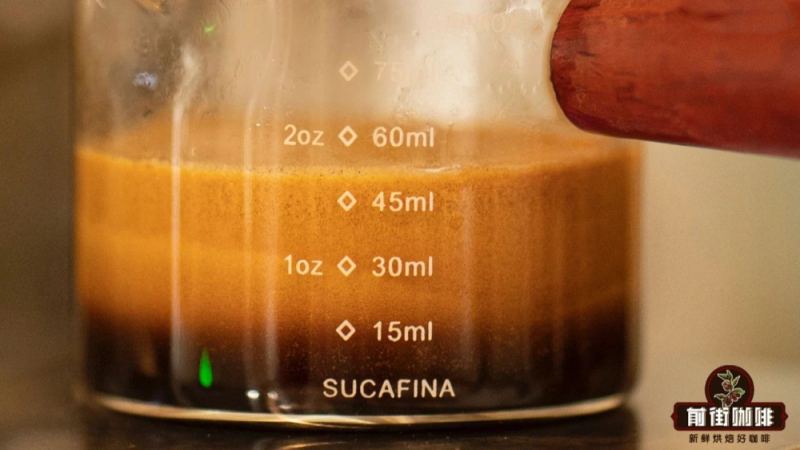
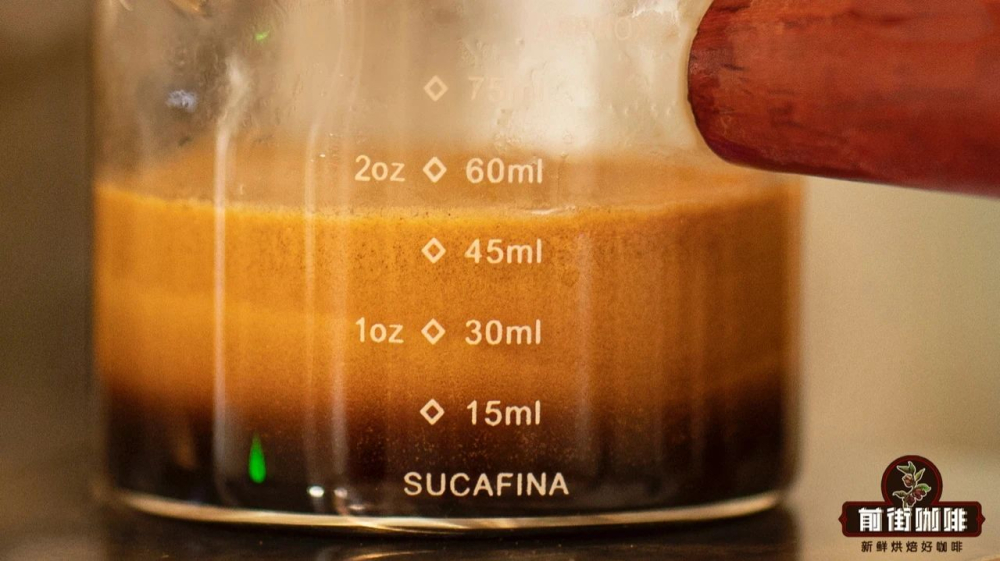
【Front Street Coffee (FrontStreet Coffee) Specialty Blend】 Colombia : Brazil, ratio 3:7, post-roast blend;
Flavor characteristics: comfortable sweet-bitterness, extremely smooth on the palate, with a faint grassy aroma, a light fragrance with slight bitterness, sweet and smooth, and a pleasant aftertaste.
To enable everyone to recreate a coffee shop favorite at home, Front Street has specially selected Colombia's Huila region and Brazil's Cerrado region as the stars, combining them into a medium-dark roast espresso recipe with a nutty profile. It delivers a rich, sweet black coffee like an Americano while also highlighting the dense, silky texture of milk coffees such as lattes, flat whites, and cappuccinos. Coffee beans from Colombia's Huila region have a pleasing acidity, a fragrant aroma, moderate acidity, and a rich sweetness that is truly intriguing; coffee beans from Brazil's Cerrado region have a comfortable sweet-bitterness and are extremely smooth on the palate. This specialty blend is suitable for all kinds of specialty coffee shops.
The above content is compiled by CoffeeHunters, a coffee news website.


