







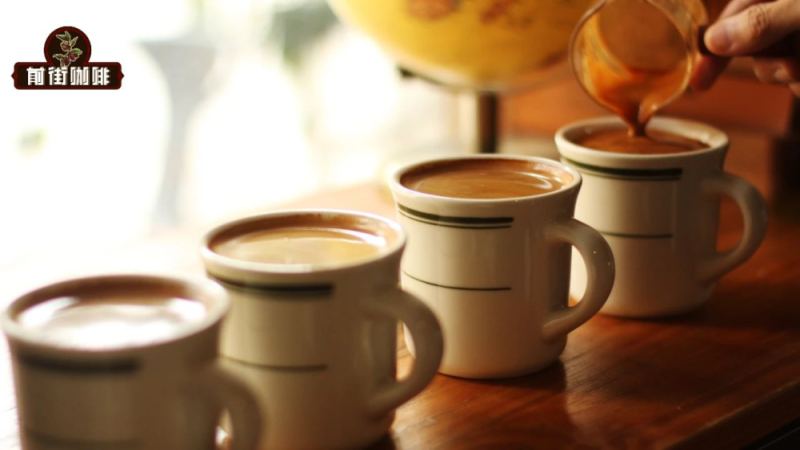

In the coffee world, when we talk about SOE coffee, it refers to single-originespresso. Expanding this English abbreviation, it stands for Single Origin Espresso , and its direct counterpart is Espresso Blend, which refers to Italian-style blended beans.
SOE has sprung up like bamboo shoots after rain—previously it was rarely seen in China, but suddenly in the past two years it has become an indispensable option in many specialty coffee shops. In the past, orderingespressodrinks always meant rich, full-bodied, and aromatic flavors. But SOE allows those who enjoy drinkingespressoto also experience the rich flavor expressions in coffee.
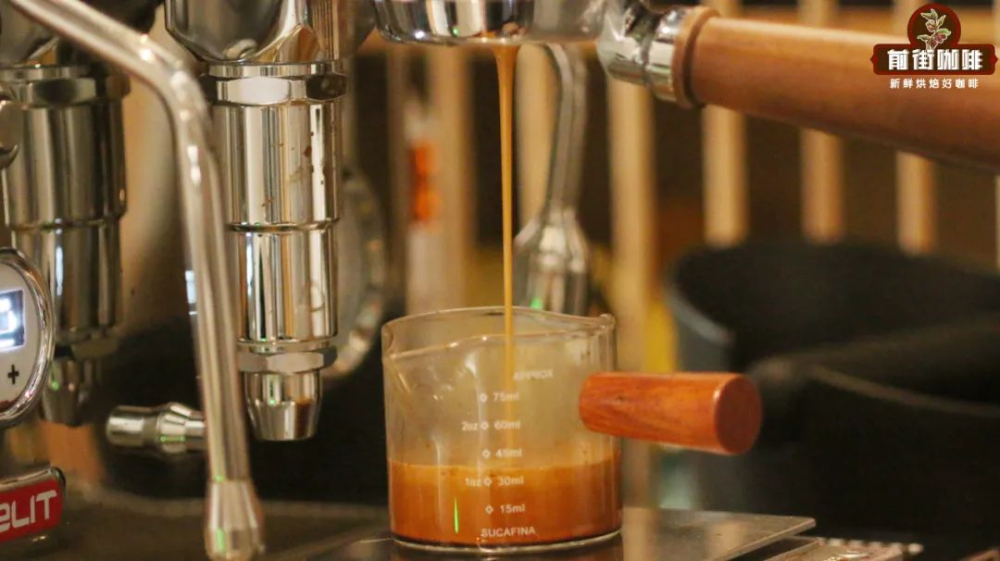
Is SOE so popular because it tastes good? Why is SOE more expensive than regular espresso? In this article, Front Street will talk about what SOE is.
What exactly is SOE?
After SOE was widely promoted, many coffee consumers often compare it with espresso made from blended coffee beans. For example, because it uses coffee beans from only a single origin, it must taste better than blended coffee beans.
As an agricultural product, coffee's own flavor varies with the terroir and climate changes each year. Although single-origin coffee beans can express more of their own coffee flavors, the drawback is that they cannot maintain consistent espresso quality over the long term. That is why some people thought of blending coffee beans from different origins in different proportions to create coffee beans with stable flavor performance over the long term.
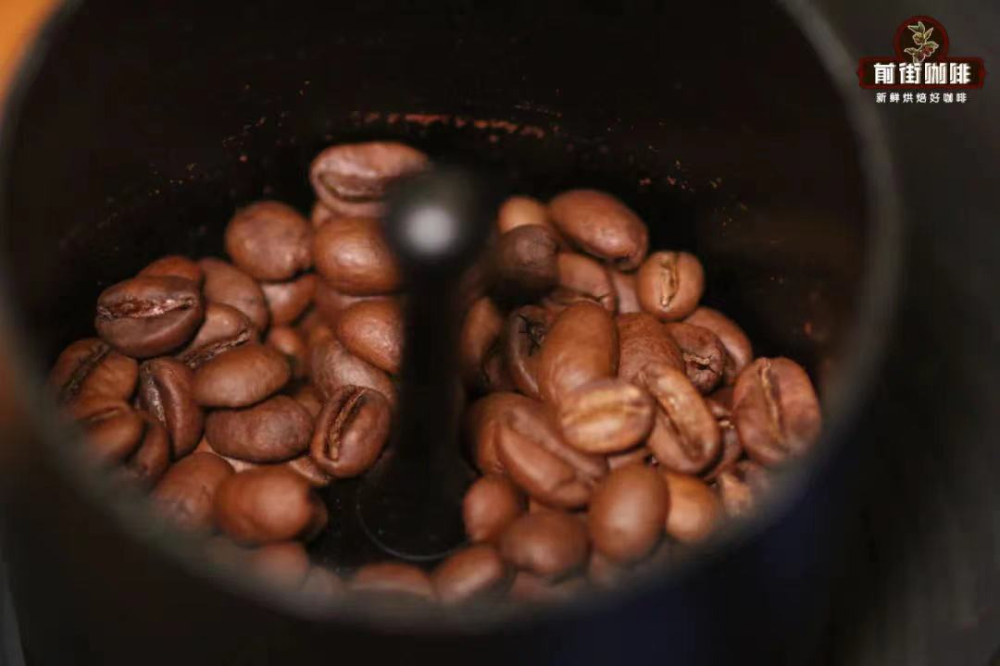
The main reason SOE is more expensive than espresso made from blended beans is the high cost of using single-origin coffee beans, and daily calibration of espresso requires using more coffee beans for testing. To balance costs, merchants usually need to charge extra for SOE.
Front Street Coffee believes that whether it isSOE coffeeor regular espresso, there is no saying that one is necessarily better tasting than the other. The most important thing is that the person drinking it enjoys it. If you like to taste more lively and rich coffee, you can choose SOE. If you like to taste rich and full-bodied coffee, you can choose espresso made from blended coffee beans.
AboutItalian-style blended coffee beans
Traditional Italian coffee beans are all made by blending multiple coffee beans. In Italy, a bag of coffee beans can be composed of several, or even dozens, of different coffee beans. The biggest advantage of using multiple coffee beans in a blend is ensuring the stability of the coffee's taste. When a certain coffee bean's quality changes, or its production declines, or its price rises, the roaster can choose coffee beans of similar quality to substitute without affecting the overall taste. Therefore, some famous coffee roasters treat their blend formulas as trade secrets.
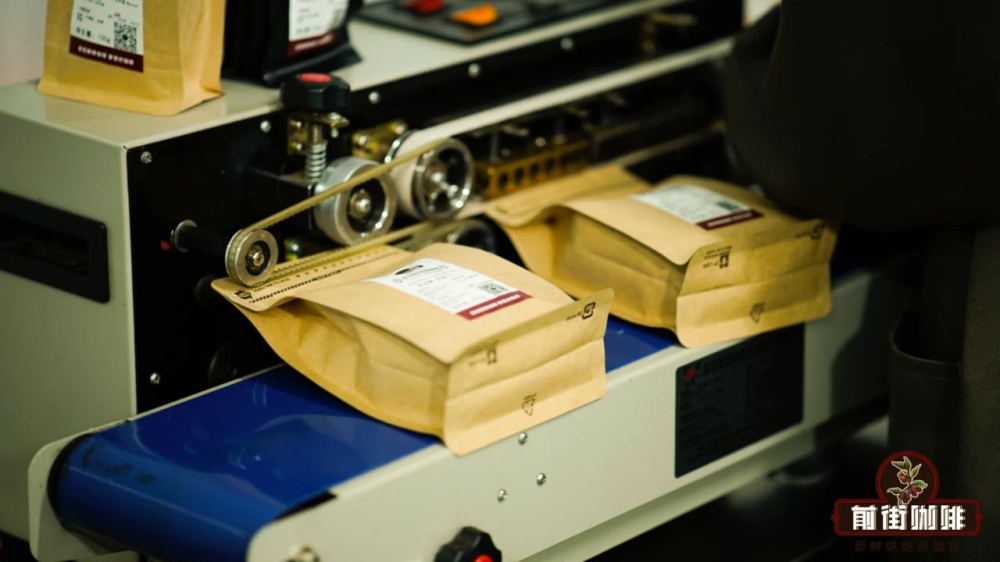
The blending methods also vary. Pre-roast blending refers to mixing different green coffee beans according to the proportions in the formula, then roasting them together. Post-roast blending refers to roasting different green coffee beans separately, then mixing them according to different proportions in the formula.
The four Italian-style blended coffee beans sold by Front Street Coffee are all made using the post-roast blending method. When facing green beans with greatly differing characteristics, roasting them separately allows for better control of the roasting conditions. Moreover, using post-roast blending allows for more precise formula proportions (each type of coffee bean loses weight differently), and it is also more convenient to adjust the weighting of the blend formula. But the drawbacks are also obvious. For example, if a blended bean contains 3 types of coffee beans, then post-roast blending means at least 3 roasts are needed, and achieving similar color values (roast levels) for each type of coffee bean requires even more extensive roasting experience.

Front Street Coffee uses the post-roast blending method. When developing the blend formula, it continuously adjusts the roast level and blending ratio, and finally records the roasting curve and ratio formula to achieve a stable state.
"Front Street Strawberry CandyEspressoItalian-style blended coffee beans"

"Front Street Specialty Blend Coffee Beans": Colombian washed coffee beans + Brazilian semi-washed coffee beans, with flavor notes of nuts, dark chocolate, and caramel.

"Front Street Commercial Blend Coffee Beans": Robusta washed coffee beans + Colombian washed coffee beans + Brazilian semi-washed coffee, with flavor notes of nuts, cocoa, and caramel.

"Front Street Dark Cocoa Blend Coffee Beans": Yunnan washed small-bean coffee + Brazilian semi-washed coffee beans, with flavor notes of soft fruit acidity, caramel, and nuts.

SOE Coffee Bean Recommendations
For coffee beans used to make SOE, Front Street chooses coffee beans with high flavor recognition. Using single-origin coffee beans to make espresso is simply about letting people who like espresso and milk coffee taste the flavor of the single-origin beans themselves. If a single-origin bean does not have high recognition, most people will not taste the distinctive flavor of the single-origin bean, so it would be better to drink a cup of blended coffee with balanced taste and strong body.
Do not pursue stability when making SOE. Coffee is an agricultural product, and single-origin coffee beans are affected by weather, cultivation, and other factors, which can cause flavor differences in beans from the same origin. This is also the difference from blended coffee beans, which pursue stable flavor. If we order the same bean-made SOE at the same shop on separate occasions but taste slightly different flavors, this is very normal~
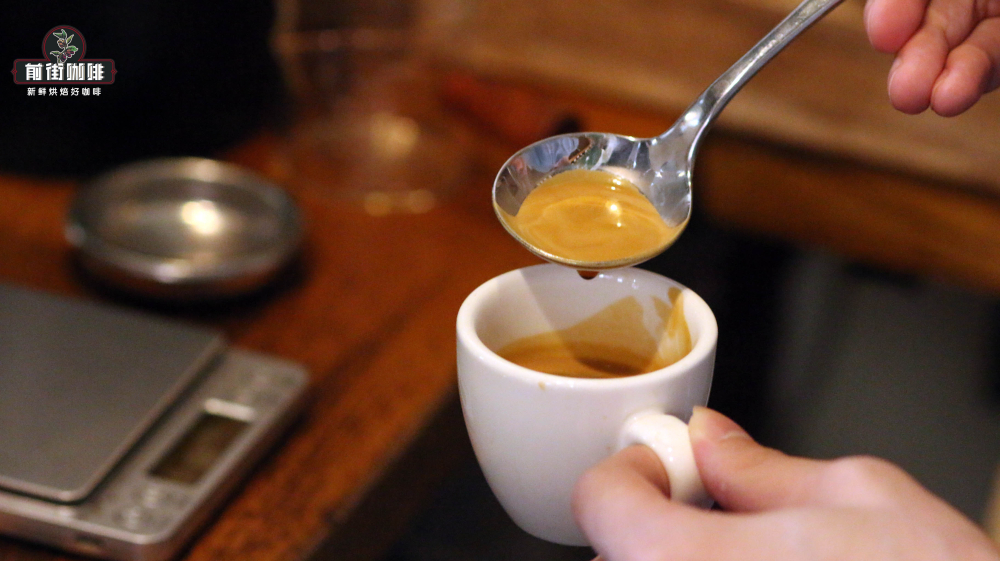
Front Street has not launched coffee beans specifically for SOE, but in the spirit of experimentation, Front Street Coffee has tried extracting SOE from all merchants' coffee beans, and some single-origin coffees have performed quite well when used to make espresso.
"Front Street Costa Rica Mozart SOE Coffee Beans": This medium-roast coffee bean, when extracted as SOE, shows rich osmanthus and raisin aromas, creamy smoothness, and a caramel finish.

"Front Street Ethiopia HuakuiSOECoffee Beans": This medium-roast coffee bean, when extracted as SOE, shows the sweet-tartness of berries, red floral notes, and a citrus finish.

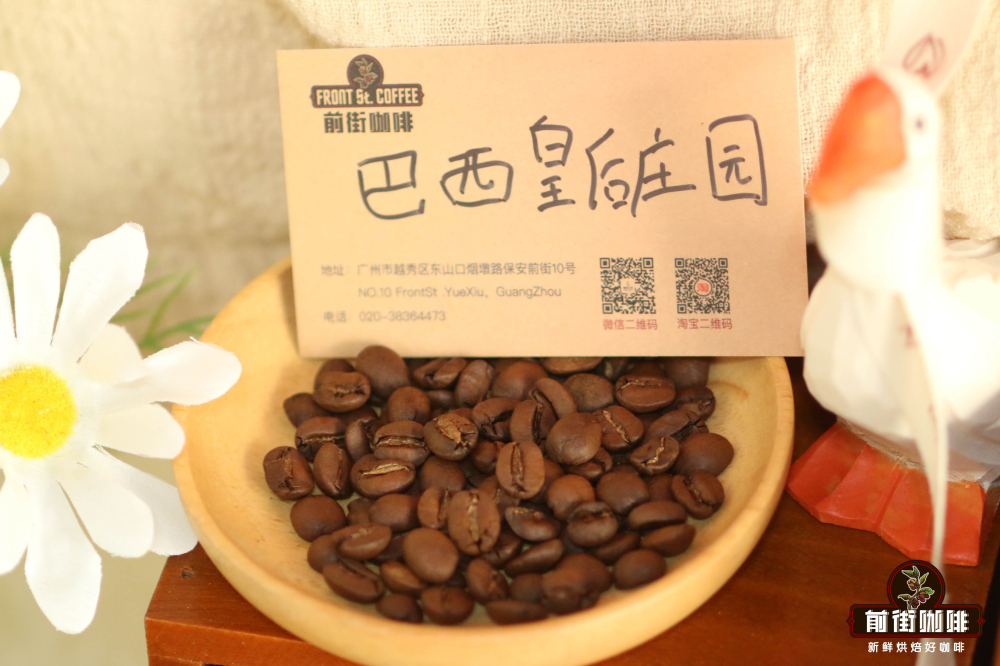
"Front Street Brazil Queen's Estate SOE Coffee Beans": This medium-roast coffee bean, when extracted as SOE, shows roasted peanuts, cream, cookies, and a sugarcane-like sweet aftertaste.
The above content is compiled by CoffeeHunters, a coffee news website.

