








How is blend coffee roasted for balanced espresso?
Espresso blending combines beans from different origins so the cup balances acidity, body, and sweetness, which single-origin beans often cannot deliver as espresso on their own. Roasters take two routes: pre-blend roasting, where beans are mixed before roasting, and post-blend roasting, where each origin is roasted separately and combined afterward, each with trade-offs in consistency and flavor control.
Recipes set the proportion of each origin, then the roast level and flavor direction are chosen to match. Medium-roast espresso blends are common for their balance of chocolate sweetness and gentle acidity. The same blend coffee also works in a moka pot, though grind and dose need adjusting, since coffee beans for moka pot are typically ground finer than filter and brewed under pressure.
A balanced espresso requires acidity, body, and sweetness in equal measure, and it all starts with choosing the right coffee beans. Single-origin beans are certainly appealing in pour-over, but they often lack complexity when used for espresso, so blending beans from different origins is the common approach. This article focuses on espresso blend beans, first explaining what blend beans are and their characteristics, then diving into a comparison of the pros and cons and suitable applications of the two roasting approaches—"pre-blend roasting" and "post-blend roasting"—and finally sharing four medium-roast espresso blends that Front Street Coffee has launched based on practical needs, including Sunflower Warm Sun, Specialty Blend, Commercial Blend, and Black Cocoa Blend, introducing each one's recipe ratios, blending method, and flavor performance for the reference of coffee enthusiasts and coffee shops.

A cup of espresso, whether you drink it straight or use it as the base for an espresso drink, balance is always the most basic requirement. But to achieve a result that balances acidity, body, and sweetness, the prerequisite is choosing the right beans—combining coffee beans from different origins in proportion.
Single-origin coffee beans are highly favored in the pour-over world, but when used for espresso, they often lack that rich, layered complexity. For this reason, a well-balanced espresso typically relies on blending multiple beans. To design a distinctive espresso blend, you need to figure out the proportion of beans from each origin, the roast level, and the flavor direction. What Front Street Coffee wants to discuss today is: How are espresso beans blended? What are the intricacies of roasting espresso blends? And which medium-roast espresso beans are worth recommending?
What exactly are espresso blend beans?
In the early years, roasters mixed different beans together for less than noble reasons—simply to cover up some roasting mistakes or poor-quality coffee. But times have changed, and blend beans have instead become a means for many roasters to create exclusive signature products, and also make it convenient for them to consistently supply coffee with stable flavor throughout the year.
Many roasters also use only single-origin beans to make espresso, but some origins simply don't have comprehensive enough flavors on their own, which easily leads to an imbalanced cup. Therefore, roasters who want to present a balanced espresso flavor often choose to mix multiple single-origin beans.
Single-origin coffee often fluctuates in flavor with the changing seasons, while blending allows roasters to maintain consistent quality over a longer time span. This kind of blend bean can deliver a thick texture, full-bodied taste, and blends perfectly with milk, so customers can enjoy a standardized and stable flavor with every batch.
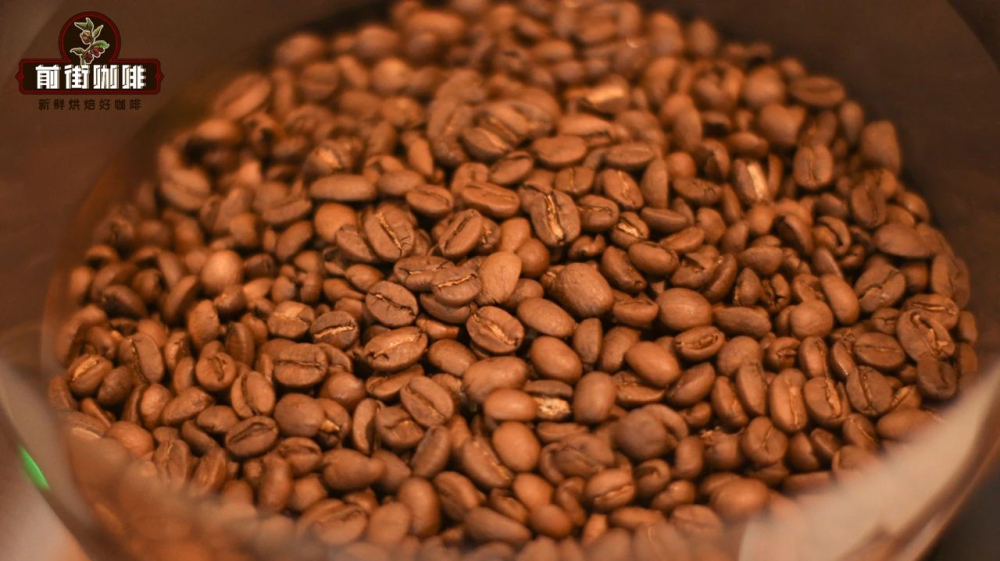
What are the characteristics of espresso blend beans?
Front Street Coffee's (FrontStreet Coffee) view is: if the recipe is already finalized, the easiest approach is naturally to mix the beans first and then roast them all together. But if you're in the experimental stage, comparing different blend components and ratios, then of course you'd prefer to roast each bean separately first, then do various combination tests. Otherwise, every time you adjust the recipe, you'd have to roast another batch, which is time-consuming and labor-intensive.
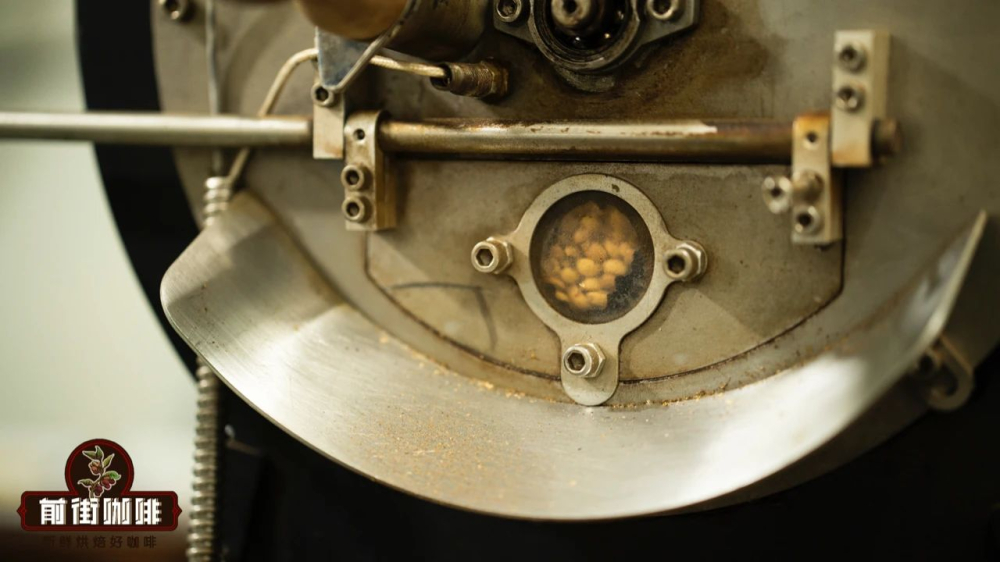
In the roasting world, mixing first and then roasting is usually called "pre-blend roasting," while roasting first and then mixing is called "post-blend roasting." Neither method is necessarily better. The advantage of pre-blend roasting is that the beans in the same batch are heated together, so the overall roast level tends to be more consistent and the flavor more stable; but when selecting beans, it's best to choose ones with similar screen sizes to mix, otherwise uneven roasting can easily occur. Post-blend roasting, on the other hand, allows you to set the optimal roasting curve for each bean individually before mixing, better bringing out each one's strengths and compensating for weaknesses.
Generally speaking, all coffee beans can be roasted together. Only when the roasting result is unsatisfactory do you need to consider roasting them separately. In such cases, independent roasting often yields better results. Especially for drum roasters, a relatively moderate roast level can usually be found.
Front Street Coffee (FrontStreet Coffee) has launched 4 distinctive blend coffee beans based on different needs:
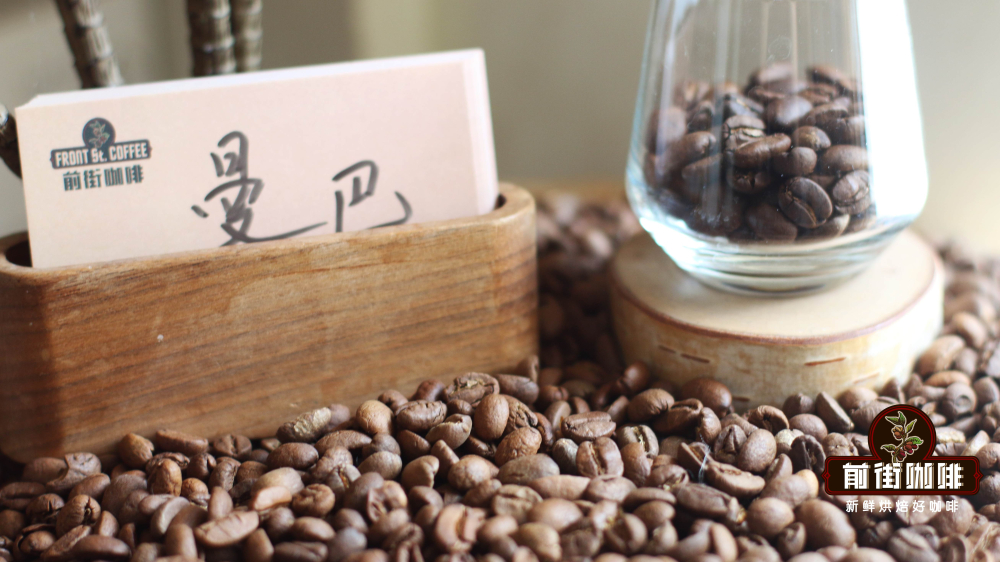
[Sunflower Warm Sun Espresso Beans] Honduras Sherry and Yirgacheffe Natural Red Cherry, ratio 7:3, post-blend roasting;
Flavor characteristics: clear fruit acidity, accompanied by a faint berry aroma, prominent wine notes and chocolate flavor, with a pleasant sweet aftertaste.
The Sherry beans inject this blend with a rich whiskey aroma and a finish like whiskey-filled chocolate, with a full fragrance. The natural Red Cherry brings fermented notes and berry aromas, smooth on the palate. Packaged in half-pound bags, this Warm Sun blend suits coffee shops pursuing a unique espresso flavor and higher bean quality, or espresso lovers with relatively low usage.
[Front Street Coffee (FrontStreet Coffee) Specialty Blend] Colombia and Brazil, ratio 3:7, post-blend roasting;
Flavor characteristics: comfortable bittersweetness, very smooth on the palate, with a faint grassy note, slightly bitter within the fresh aroma, sweet and smooth, with a relaxing aftertaste.
Beans from Colombia's Huila region offer pleasant acidity, mellow aroma, moderate acidity, and rich, intriguing sweetness; beans from Brazil's Cerrado region contribute comfortable bittersweetness and an extremely smooth mouthfeel. This Specialty Blend suits all kinds of specialty coffee shops.
[Front Street Coffee (FrontStreet Coffee) Commercial Blend] Colombia, Brazil, Robusta, ratio 3:6:1, pre-blend roasting;
Flavor characteristics: classic taste, pronounced caramel sweetness, interwoven nutty, cocoa-like, and dark chocolate flavors, balanced acidity and sweetness, slightly bittersweet, with a lasting finish.
Beans from Colombia's Huila region bring pleasant acidity, mellow aroma, moderate acidity, and rich sweetness; beans from Brazil's Cerrado region provide comfortable bittersweetness and a smooth mouthfeel; Robusta adds abundant crema. This Commercial Blend suits coffee shops and beverage shops of various sizes.
[Front Street Coffee (FrontStreet Coffee) The espresso moka pot coffee beans recommended by many baristas—Front Street Black Cocoa Blend ] Yunnan AA and Brazil, ratio 3:7, post-blend roasting;
Flavor characteristics: gentle fruit acidity, caramel sweetness, nutty and dark chocolate flavors, smooth and syrupy, but the overall taste is on the lighter side.
Yunnan's natural conditions are quite similar to Colombia's—high altitude, large temperature difference between day and night—with a flavor leaning toward the mellow type, moderate acidity, rich and full-bodied taste, uniform bean size, high oil content, and a hint of fruit aroma; its quality and mouthfeel are close to Colombian coffee. Beans from Brazil's Cerrado region bring comfortable bittersweetness and an extremely smooth mouthfeel. This espresso moka pot coffee bean recommended by many baristas—Front Street Black Cocoa Blend—suits small coffee shops, bakeries, or beverage shops.
The above content is compiled by CoffeeHunters, a coffee news website.


