








Why Does Blending Coffee Beans Suit Espresso?
Blending coffee beans from several origins gives espresso the balance of acidity, sweetness, and body that a single-origin lot often cannot deliver. Single-origin coffees shine in pour-over but can taste thin or one-sided under espresso pressure. Blends also let a roaster keep flavor consistent across seasons, since individual origins fluctuate with each harvest.
Early roasters blended mainly to hide roast defects or low-quality beans, but the practice evolved into a way to build signature flavors and steady year-round quality. Roasters must decide the proportion of each bean, the roast depth, and the overall flavor direction. Pre-roast and post-roast blending are the two main methods, and each produces a different result in the cup.
To craft an espresso that balances acidity, sweetness, and bitterness with a full-bodied mouthfeel, choosing the right beans is the crucial first step. While single-origin coffee beans excel in pour-over brewing, they often struggle to meet espresso's demand for complexity, making blended beans the top choice for most roasters. This article will start with the definition and characteristics of espresso blends, analyze the differences between two processing methods—pre-roast blending and post-roast blending—and, by referencing several classic blend products from Front Street Coffee, help you understand the taste characteristics of medium-roast espresso beans and why espresso should be made with espresso blend coffee beans.

Whether enjoyed on its own or as the base for espresso-based drinks, a well-balanced espresso is inseparable from suitable coffee beans. To achieve a balance of acidity, body, and sweetness, it usually starts with blending coffee beans from different origins.
Single-origin coffee beans are highly favored in pour-over brewing, but once used for espresso, they often lack rich flavor layers. For this reason, a balanced espresso is usually the result of a carefully crafted combination of multiple coffee beans. To design a distinctive espresso blend, one must master the proportions of each bean type, roast depth, and flavor direction. Today's article from Front Street Coffee revolves around the following questions: How are espresso beans blended? What techniques are involved in roasting espresso blends? And which medium-roast espresso beans are worth recommending?
What exactly are espresso blend beans?
In the early days, roasters mixed different coffee beans to mask roasting defects or low-quality beans, which was somewhat akin to passing off inferior goods as superior. However, as the industry evolved, blends gradually gained favor among roasters looking to create exclusive signature coffees, and they also suit roasters who want to maintain consistent flavor year-round.
Many roasters also use single-origin beans for espresso, but some origins lack comprehensive flavors, leading to imbalanced taste. Therefore, roasters pursuing a balanced espresso flavor typically mix beans from multiple single origins.
Many single-origin coffees fluctuate with the seasons, whereas blends allow roasters to maintain quality stability over a longer period. The thick texture, rich mouthfeel, and excellent integration with milk that blends provide enable customers to enjoy a consistent, standardized coffee flavor in every batch.
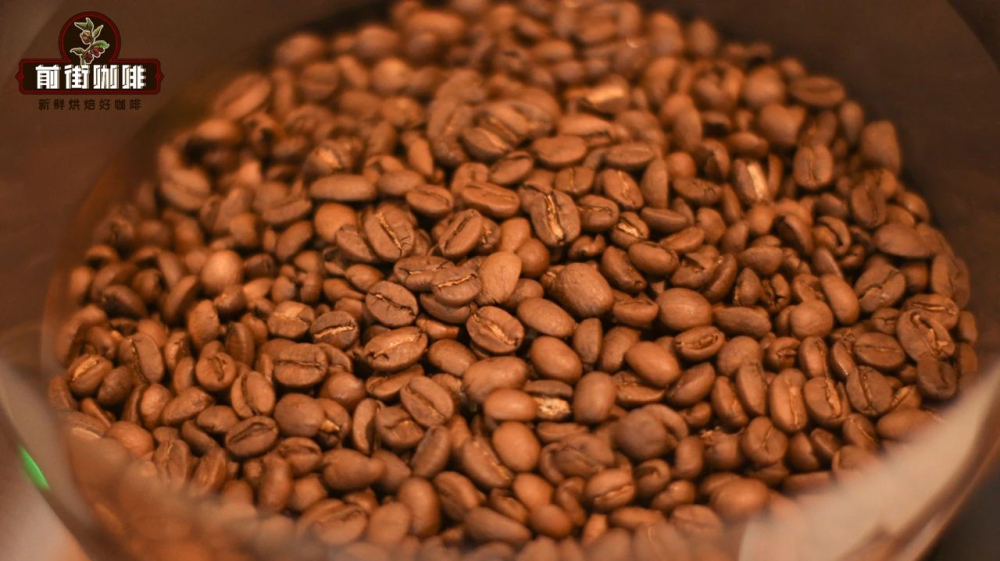
What are the characteristics of espresso blend beans?
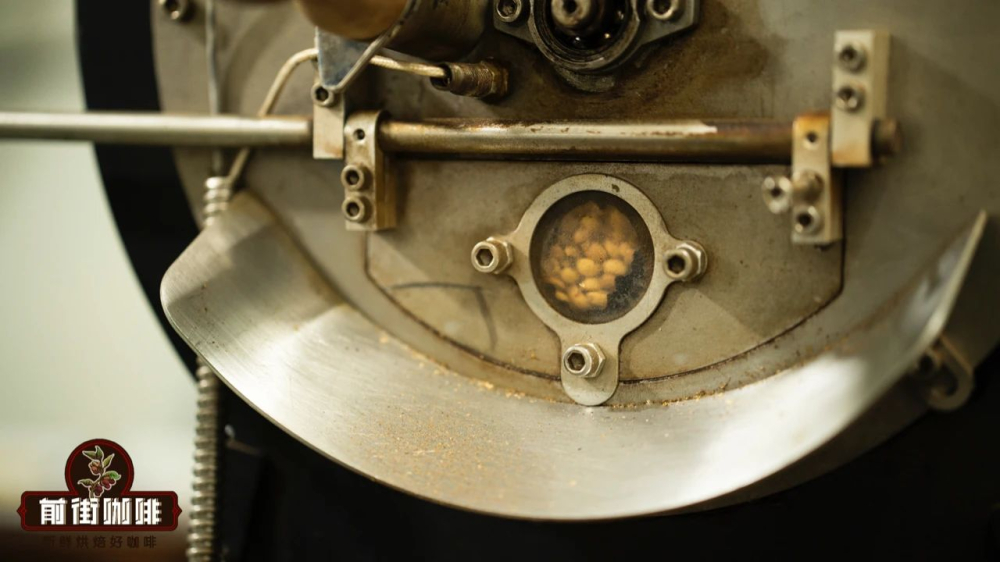
FrontStreet Coffee believes that if the recipe is already determined, the most convenient approach is naturally to blend different beans first and then roast them together. But if you are still experimenting and comparing different blend components and ratios, it is better to roast each bean separately first and then combine them for testing. Otherwise, every time you adjust the recipe, you have to roast a new batch.
In roasting practice, mixing before roasting is usually called "pre-roast blending," while roasting before mixing is called "post-roast blending." Neither method is absolutely superior. The advantage of pre-roast blending is that the beans are roasted together in the same batch, resulting in a more consistent overall roast level and stable flavor; however, when selecting beans, care must be taken to choose similar bean sizes, otherwise uneven roasting can occur. Post-roast blending allows you to find the optimal roasting curve for each bean individually, and when mixed, they can complement each other's strengths.
Generally speaking, all coffee beans can be roasted together. Only when the roasting results are unsatisfactory should you consider roasting them separately. In such cases, separate roasting often yields better results. Especially for drum roasters, a relatively moderate roast level can usually be found.
FrontStreet Coffee has launched 4 distinctive blend coffee beans based on different needs:
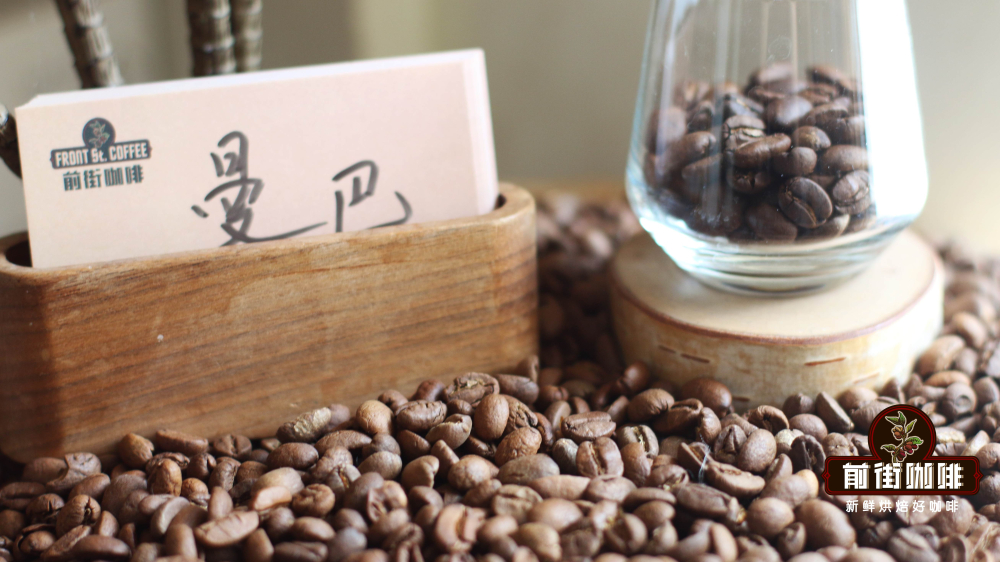
[Sunflower Warm Sun Espresso Beans] Honduras Sherry: Yirgacheffe Natural Red Cherry, ratio 7:3, post-roast blending;
Flavor characteristics: Prominent fruity acidity, surrounded by a faint berry aroma, rich whiskey and chocolate flavors, with a comfortable sweet aftertaste.
The Sherry beans infuse this coffee with a rich whiskey aroma and a finish reminiscent of whiskey-filled chocolate, with a standout fragrance. The natural Red Cherry brings fermented notes and berry aromas, with a smooth entry. This Warm Sun blend comes in half-pound packaging, suitable for coffee shops seeking a unique espresso flavor with higher bean quality, or for espresso enthusiasts with smaller usage.
[FrontStreet Coffee Specialty Blend] Colombia: Brazil, ratio 3:7, post-roast blending;
Flavor characteristics: Comfortable bittersweet taste, extremely smooth entry, with a faint grassy aroma, slightly bitter within the fresh fragrance, sweet and smooth, with a pleasant aftertaste.
Coffee beans from Colombia's Huila region have a pleasant acidity, mellow aroma, moderate acidity, and rich sweetness that is intriguing; beans from Brazil's Cerrado region present a comfortable bittersweet taste with an extremely smooth entry. This specialty blend is suitable for various specialty coffee shops.
[FrontStreet Coffee Commercial Blend] Colombia: Brazil: Robusta, ratio 3:6:1, pre-roast blending;
Flavor characteristics: Classic taste, with caramel sweetness, nutty and cocoa-like, dark chocolate flavors, balanced acidity and sweetness, slightly bittersweet, with a lasting finish.
Coffee beans from Colombia's Huila region have a pleasant acidity, fragrant aroma, moderate acidity, and rich sweetness that is very intriguing; beans from Brazil's Cerrado region bring a comfortable bittersweet taste with an extremely smooth entry. Robusta provides abundant crema. This commercial blend is suitable for coffee shops and beverage stores of all sizes.
[FrontStreet Coffee Espresso beans recommended by many baristas - Front Street Dark Cocoa Blend] Yunnan AA: Brazil, ratio 3:7, post-roast blending;
Flavor characteristics: With soft fruity acidity, caramel sweetness, nutty and dark chocolate flavors, smooth and viscous, but with a relatively light taste.
Yunnan's natural conditions are very similar to Colombia's—high altitude, large temperature difference between day and night. Its flavor is mellow, with moderate acidity, rich and full-bodied taste, uniform bean size, high oil content, and fruity notes. Its quality and taste are close to Colombian coffee. Beans from Brazil's Cerrado region have a comfortable bittersweet taste with an extremely smooth entry. This espresso bean recommended by many baristas—Front Street Dark Cocoa Blend—is suitable for small coffee shops, bakeries, or beverage stores.
The above content is compiled by CoffeeHunters, a coffee news website.


