







Search Results for: Portafilter Wiping

The Complete Guide to Espresso Cleaning Cloths: Five Cloths, Each with Its Own Job, Plus Milk Cloth Usage and Stain Removal Tips
In the process of making espresso, besides auxiliary tools such as WDT needles, distribution tools, and latte art needles, cleaning cloths are also an indispensable logistical role. Many coffee enthusiasts wonder: why does making coffee require as many as five cleaning cloths? Is the barista some kind of god of rags? In fact, each cloth has a different task, and the requirements for hygiene standards and dryness/wetness also vary, so one cloth cannot serve all purposes. Front Street will break down in detail the responsibilities of each of the five cloths in this article—from wiping the portafilter, wiping cups, milk cloth, wiping the espresso machine, to the bar cloth—and share the key points for using the milk cloth damp, as well as how to distinguish fabrics by color and style, to help everyone understand the cleaning logic behind baristas. [more…]
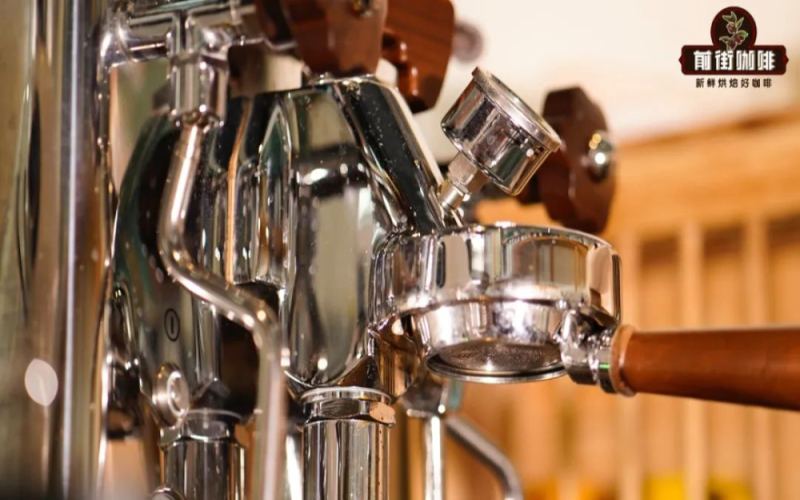
Daily Maintenance Guide for Espresso Machines: Detailed Explanation of Correct Cleaning Steps for the Dispersion Screen and Steam Wand
If a home espresso machine is neglected for a long time, extraction quality will gradually decline and may even lead to malfunctions. Using hands-on operation as an example, this article systematically explains how to clean the key parts of a coffee machine. It covers the simple rinsing and deep backflushing process for the dispersion screen, techniques for wiping the steam wand surface and soaking the tip, and key points for cleaning the portafilter spout area. Through regular maintenance, you can effectively extend the machine's lifespan and avoid costly repairs. The steps in the article are clear and suitable for coffee enthusiasts to follow on their own. [more…]
The Complete Maintenance Guide to Cleaning and Backflushing Semi-Automatic Espresso Machines
If a coffee machine is neglected for a long time, its extraction performance and flavor will gradually deteriorate. This article is aimed at semi-automatic espresso machines equipped with an independent brew head, and systematically outlines an actionable maintenance routine, from daily external wiping, cleaning the dispersion screen and portafilter, to backflushing with a blind basket, deep cleaning with cleaning powder, and regular maintenance of the dispersion screen, gasket, and boiler. It also recommends beans suitable for espresso extraction, such as Front Street Classic Blend, Commercial Blend, Dark Cocoa Base Blend, and Specialty Blend, to help you maintain consistent output whether for a café or home use. [more…]
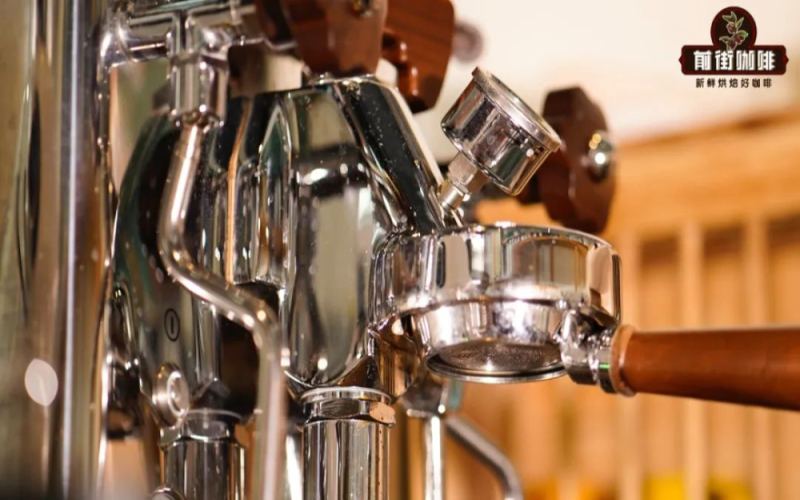
Daily Maintenance Guide for Espresso Machines: How to Properly Clean the Brew Head Shower Screen and Steam Wand
If a coffee machine lacks maintenance for a long time, extraction quality will gradually decline and may even cause malfunctions. This article takes the small espresso machine used in Front Street stores as an example to systematically explain the complete process of daily cleaning and deep maintenance for home coffee machines. The content covers key steps such as simple rinsing of the brew head dispersion screen and blind basket backflushing, wiping the steam wand surface and soaking the tip for descaling, and deodorizing the portafilter spout area. The article explains in detail the amount of special cleaning powder to use, control of backflush time and number of cycles, and precautions to avoid damaging the pressure relief valve. No matter what model is used, this method is basically universal, helping coffee enthusiasts maintain their machines at low cost and reduce the risk of needing repairs. [more…]
A Complete Guide to Semi-Automatic Espresso Machine Cleaning and Maintenance: Step-by-Step Instructions and Coffee Bean Selection Advice
The semi-automatic espresso machine is the core equipment for a café's operation, and its service life depends both on its initial quality and on careful daily maintenance. A qualified barista must not only be able to extract full-flavored espresso, but also understand how to properly clean and maintain the machine. This article systematically outlines the daily and periodic cleaning procedures for semi-automatic espresso machines, covering key steps such as wiping the exterior, flushing the dispersion screen, deep cleaning the portafilter, and backflushing, while also offering specific recommendations for espresso bean selection, helping you consistently produce stable, great-tasting coffee while keeping your equipment in top condition. [more…]
Espresso Machine Gasket Replacement Tutorial: Causes of Unstable Pressure, Weakened Steam, and Coarse Milk Froth, Plus Deep Cleaning Methods for the Whole Machine
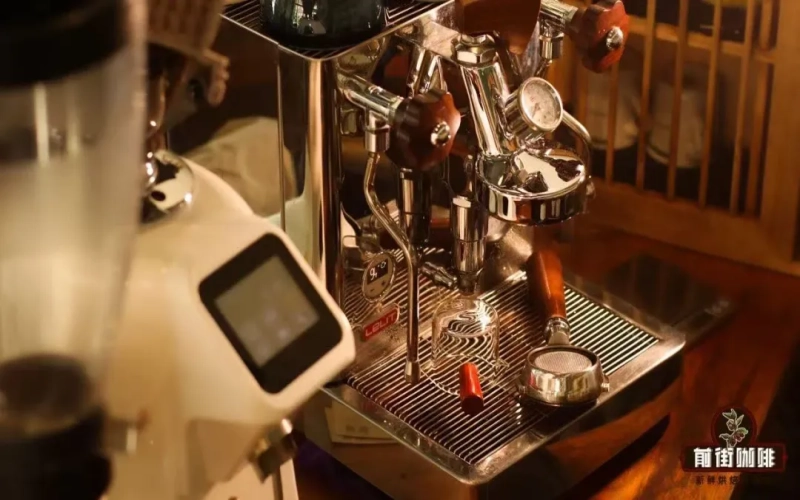
Erratic pressure during extraction, weakening steam, and milk foam that just won't froth up no matter what—these problems are often not a sign of declining skill, but rather that your espresso machine is due for maintenance. Drawing on Front Street's practical experience, this article systematically lays out the daily and deep cleaning routines for espresso machines: including flushing hot water before and after extraction, wiping the steam wand, backflushing, soaking the steam tip to remove scale, as well as how to judge when the group head gasket is wearing out and how to replace it yourself. It also covers the key cleaning points and recommended intervals for the water tank, boiler, and portafilter, helping you keep your espresso machine producing consistent shots and extend its service life. [more…]

Two Ways to Make Americano, How to Make Iced Americano, and a Complete Guide to Espresso Extraction
How many ways are there to make Americano? What is its relationship with espresso? This article begins with the historical origins of Americano, traces the development of the two brewing paths—drip filtration and adding water to espresso—and provides a detailed introduction to Front Street Coffee's approach to water-to-coffee ratios for hot and iced Americanos. At the same time, the article will also share espresso extraction standards, including key parameters such as dose, yield, and time, as well as the complete operating process from wiping the portafilter basket to cleaning the group head. Whether you are a beginner just getting into coffee or an enthusiast looking to further optimize your output, you will find practical reference information here. [more…]
A Complete Guide to Espresso Making: From Extraction Principles to Americano and Latte Preparation
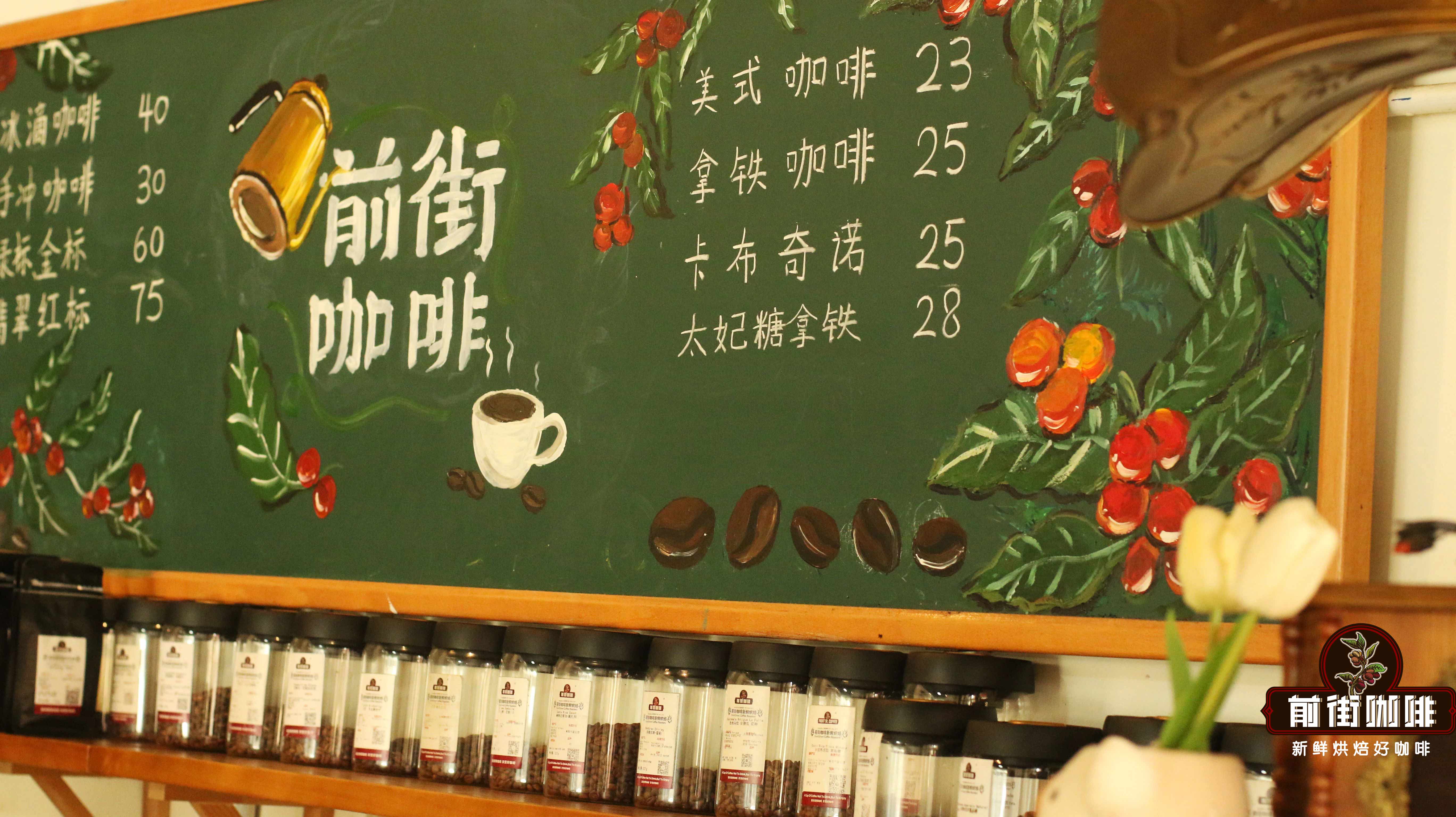
Espresso is the common foundation of drinks such as Americano, latte, and cappuccino. Understanding its extraction principles and operating procedures is the key to making a good espresso. This article will start with the definition and extraction principles of espresso, then outline the origin and preparation ratios of Americano, introduce the flavor characteristics of Front Street Coffee's four espresso blends, and explain in detail the extraction parameters such as dose, yield, and time. Finally, it will provide the standard operating steps from wiping the portafilter basket to pressing the button to extract, as well as simple methods for hot Americano, iced coffee, and hot latte, making it suitable for enthusiasts who want a systematic understanding of espresso. [more…]
A Detailed Guide to Espresso Extraction Parameters and Brew Ratio: Espresso-Making Workflow and Extraction Principles
Espresso is the foundation of various Italian-style beverages such as Americano, latte, and cappuccino. It is extracted by forcing approximately 92°C hot water under high pressure through a finely ground and compacted layer of coffee powder using an espresso machine. This article focuses on the extraction standards for espresso, covering the coffee-to-water ratio, extraction time, TDS measurement, and the calculation method for extraction percentage, and outlines the complete operational steps from wiping the portafilter basket to cleaning the group head. It also introduces the recipe concepts and flavor characteristics of Front Street Coffee's four espresso blend beans, as well as the espresso extraction protocol used in Front Street Coffee shops, providing a systematic reference for coffee enthusiasts. [more…]
A Detailed Guide to Backflushing the Group Head of a Semi-Automatic Espresso Machine and Daily Maintenance Methods
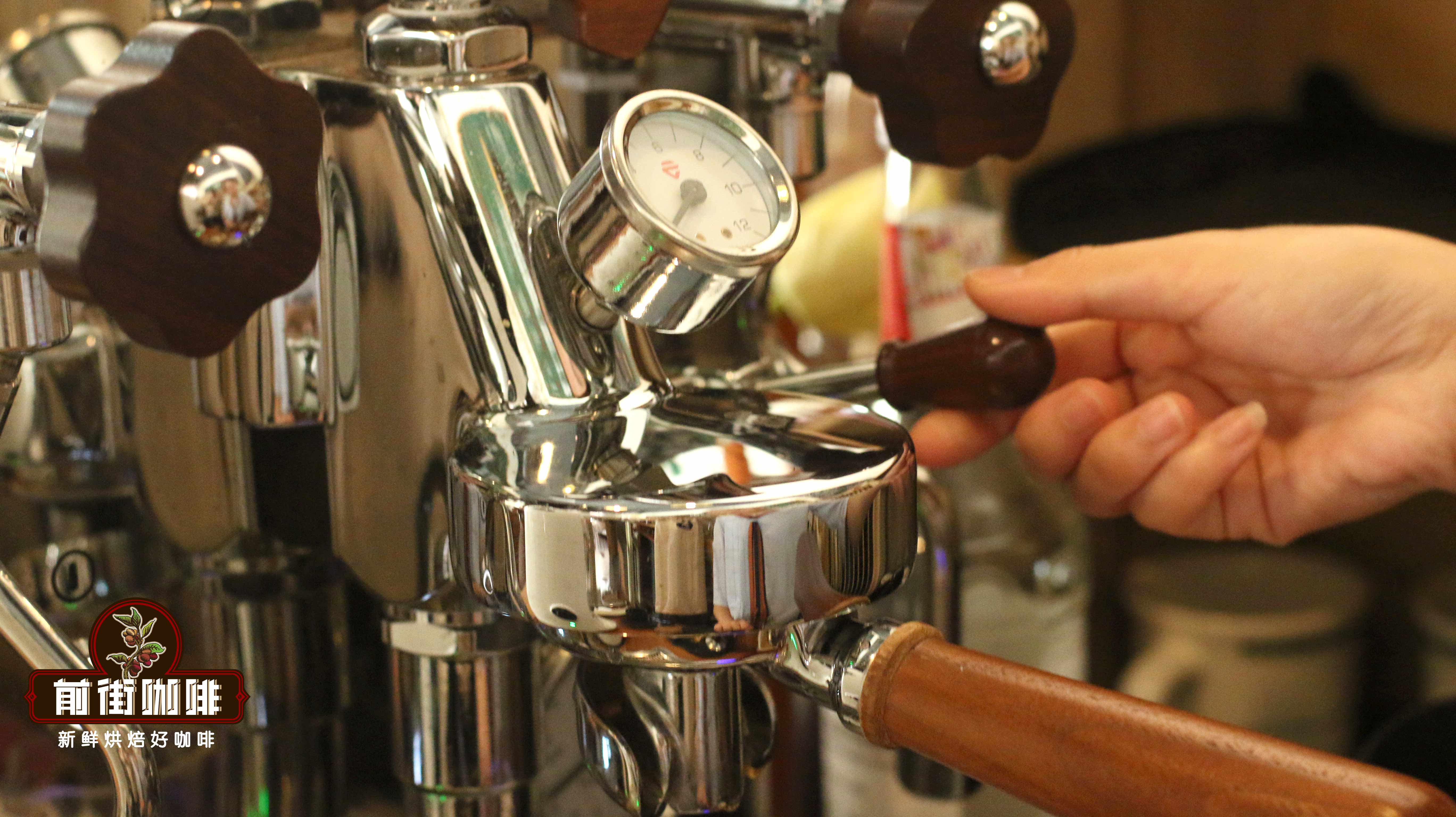
The espresso machine is the core equipment of a coffee shop. Regular cleaning not only extends the machine's lifespan but also ensures the consistency of every cup produced. This article focuses on the key step of cleaning the interior of the group head, explaining in detail the specific procedures for quick cleaning, daily backflushing, and long-term maintenance. From judging residue on the dispersion screen to the backflush process using a blind basket with cleaning powder, and then to soaking the portafilter to remove oils, each step has clear requirements for timing and frequency. At the end, it also reminds readers that professional deep maintenance is needed every 1–2 years, making this a worthwhile reference for both coffee enthusiasts and industry professionals. [more…]
How many tools does a good cup of coffee really require? A closer look at the coffee accessories that tend to sit idle
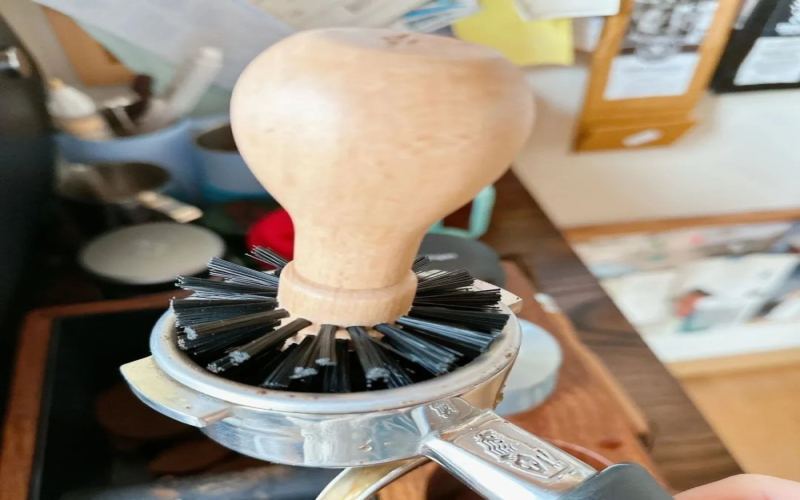
As the saying goes, "To do a good job, one must first sharpen one's tools." Many coffee enthusiasts, when scrolling online and coming across various functional coffee gadgets, are often drawn in by their good looks and labels like "must-have神器" and "extraction aid," and can't resist adding them to their shopping carts. But after buying them and bringing them home, they discover that most of these things end up as "beautiful junk." To make a delicious cup of coffee, how many tools do you actually need? Does having more complete equipment and more professional gear make coffee taste better? This article reviews eight types of auxiliary tools—portafilter basket cleaning brushes, automatic portafilter cleaners, portafilter basket storage racks, portafilter basket tamping aids, portafilter scale stands, automatic drip bag brewing machines, small stainless steel bean hoppers, and filter paper presses—analyzing their practicality and their uselessness one by one, to help you avoid unnecessary expenses. [more…]

McDonald's McCafé operating procedures under scrutiny: grounds not weighed, portafilter baskets not cleaned, quality control standards spark debate
Since McDonald's coffee brand McCafé announced increased investment in the Chinese market, its number of stores has surpassed 3,200. Its "store-within-a-store" model is equipped with semi-automatic espresso machines and dedicated baristas, focusing on a specialty coffee approach. However, recently a netizen posted pointing out that baristas at some McCafé locations operate in a highly non-standard manner: dosing the portafilter in advance, not weighing the dose, not tamping, not cleaning the steam wand, and repeatedly extracting with wet spent grounds left in the basket. Although the prices are not low, the quality of the output has raised consumer doubts. At the same time, some netizens claiming to be McCafé baristas responded that the brand has unified standards, and isolated incidents should not represent the whole. This controversy reflects the quality control and training challenges McCafé faces amid rapid expansion, and is worth the attention of coffee enthusiasts. [more…]
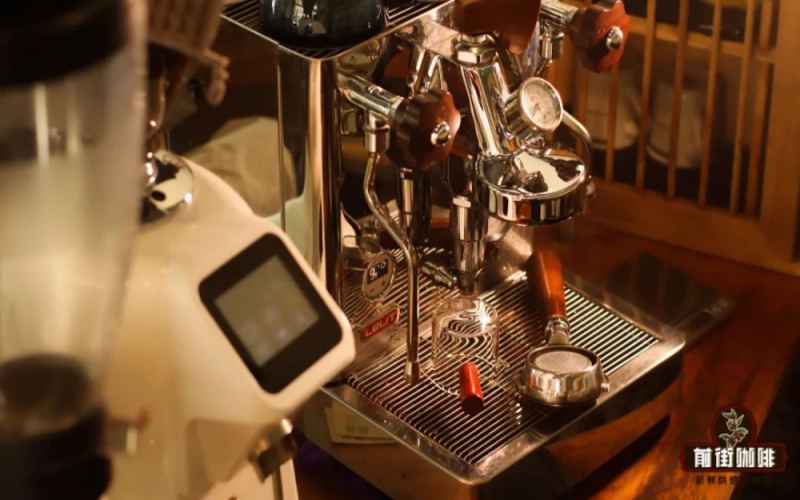
A Complete Guide to Cleaning and Maintaining Your Home Semi-Automatic Espresso Machine: Full Steps from Daily Flushing to Deep Descaling
Home espresso machines are becoming increasingly common, but many people overlook the impact of cleaning and maintenance on coffee flavor and machine lifespan. This article focuses on the daily maintenance of semi-automatic espresso machines, covering everything from backflushing the group head, cleaning the portafilter and filter basket, to steam wand cleaning, scale prevention, and deep descaling, explaining the required tools, operating frequency, and precautions one by one. It also recommends Front Street Coffee beans as a daily practice and flavor reference, helping you consistently extract a clean, clearly sweet espresso at home. Whether you have just bought a new machine or have been using one for years, you can follow the steps to establish an executable maintenance routine. [more…]
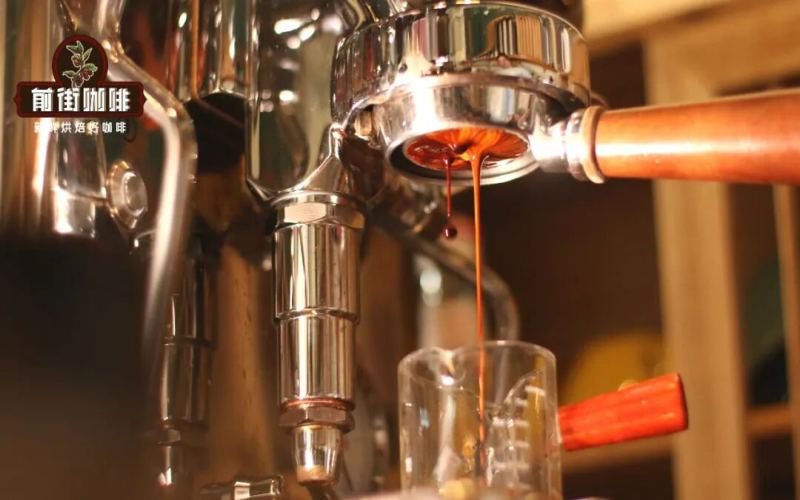
Key Points for Making Espresso | Why Do Coffee Shops Pour Out the First Espresso After Opening? Should You Pour Out the First Shot of Espresso When Making It at Home?
Have you ever seen this scene: a barista turns on the machine in the morning, and the first espresso pulled is not drunk, but "ruthlessly" poured down the drain, then they continue to pull the next shot. Guests who see this will ask why. If you're making coffee at home, do you need to do this too? Why is the first cup [more…]

What is the purpose of purging steam when frothing milk? Key operational details before making latte art
In front of a café bar, you can often hear the "hissing" sound a barista makes while steaming milk, and you'll also notice that they always purge the steam wand for a few seconds before and after use, sometimes even keeping it wrapped in a cloth the whole time. These seemingly superfluous little habits actually reflect careful consideration for coffee quality and operational safety. Purging the steam not only expels condensation from inside the wand and prevents the milk from being diluted, but also cleans the steam holes to keep them from clogging. As for whether the steam wand should be wrapped in a milk cloth, baristas each have their own reasoning: some insist that wrapping it is safer and more efficient, while others believe it is completely unnecessary. This article will examine both sides of the argument and analyze in detail this dispute over a fine point of espresso preparation, helping coffee enthusiasts gain a deeper understanding of the correct way to steam milk. [more…]
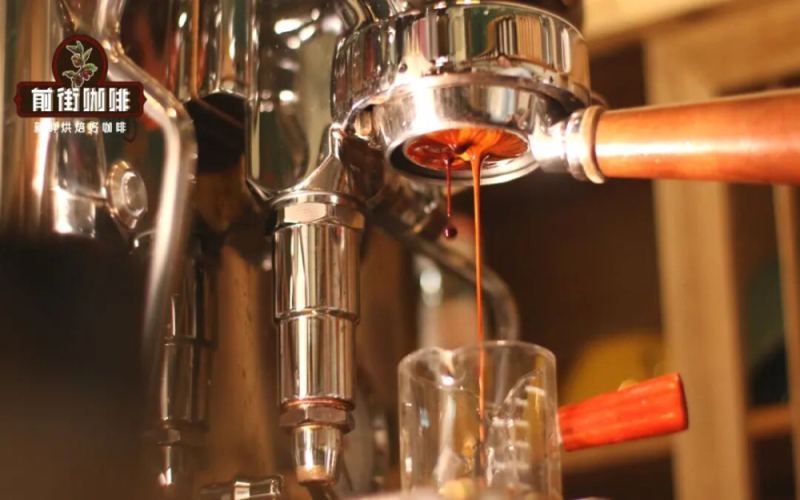
Why Discard the First Espresso Shot from an Espresso Machine? A Full Breakdown of Cleaning, Preheating, and Operation at Home and in Cafés
Many coffee enthusiasts have noticed that after switching on, coffee shops often pour away the first espresso pulled before they begin serving drinks as normal. Behind this seemingly wasteful gesture are actually multiple considerations, including cleaning powder residue, overnight coffee grounds, and machine parameters that have not yet stabilized. But for home users who only make one or two cups a day, is it necessary to copy this practice? Starting from the actual operating habits of Front Street stores, this article systematically sorts out the reasons why the first espresso is discarded, and offers specific advice for home scenarios on whether it needs to be poured out, how to properly handle residual grounds, and how to effectively preheat the coffee machine after deep cleaning, helping you ensure stable flavor in every cup while reducing waste. [more…]
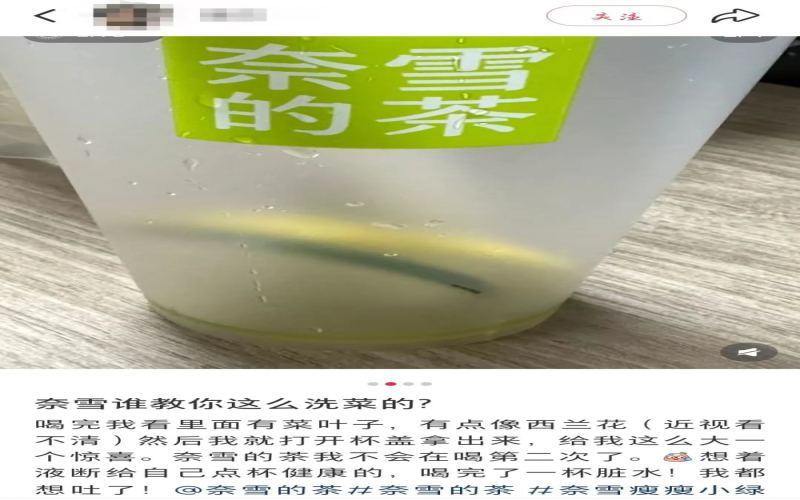
Nayuki's fruit and vegetable tea sparked heated discussion over mud and sand residue on the leaves; employees revealed that store cleaning procedures are done perfunctorily
Freshly squeezed fruit and vegetable teas have become the new trend in the tea beverage industry, with ingredients such as kale, carrots, and beetroot being widely used. While consumers are paying for health, some have found mud and sand in Nayuki drinks. A customer discovered stains remaining on the decorative kale leaves at the bottom of the "Slim Little Green Bottle" cup, and after wiping the stem with a tissue, obvious mud and sand were visible. The post attracted a great deal of attention, and some netizens claiming to be Nayuki employees left comments revealing that stores are short-staffed and the washing of fruits and vegetables is perfunctory. Behind the genuine ingredients of fruit and vegetable teas, food safety issues are cause for concern. [more…]
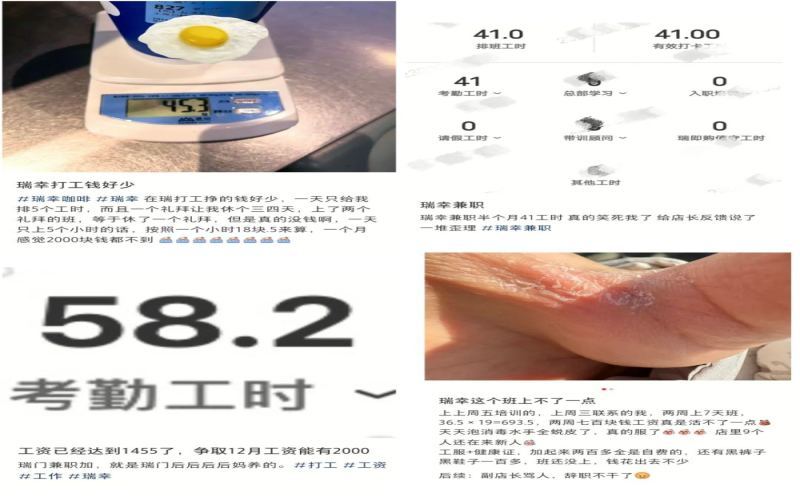
Behind the Shrinking Hours of Luckin Part-Time Baristas: Strict Quality Control, Unpaid Overtime at Closing, and the Reality of a 2,000-Yuan Monthly Salary
Recently on social platforms, many part-time Luckin employees have posted about reduced shifts and monthly pay of only around two thousand yuan, drawing attention. After winter arrives, Luckin stores control part-time working hours, and it is not uncommon for only five hours to be scheduled in a day and only three or four days of work in a week. At the same time, Luckin baristas also have to face strict quality control inspections known as "nightmares," hand damage caused by frequent handwashing and sanitizing, and unpaid overtime of anywhere from a dozen minutes to an hour after closing. This article, based on real feedback from part-time employees, sorts through Luckin stores' quality control system, closing procedures, and part-time employment system, presenting a little-known side behind the barista position. Front Street Coffee also continues to pay attention to the real situation of workers in the coffee industry, providing enthusiasts with diverse perspectives. [more…]
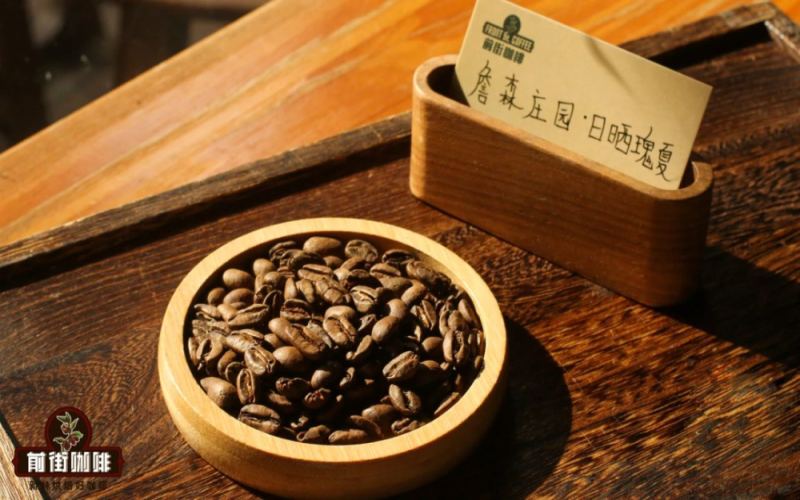
Detailed Guide to Siphon Operation Steps and Pour-Over Parameters for Panama Janson Estate Geisha Coffee
Geisha coffee is known as the "Champagne of the coffee world," and the Geisha produced at Panama's Hacienda Janson is among the very best. Front Street Coffee's Janson Geisha is clean and crisp on the palate, with no bitterness at all—its refreshing mild acidity paired with layered fruity notes makes it easy to finish without even noticing. The estate, run by owner Carl Janson, has been shortlisted for the Best of Panama award presented by the Specialty Coffee Association of Panama (SCAP). More than half of the estate is planted with the Geisha variety, its output ranks second in Panama, and only fully red ripe cherries are selected at harvest. This article will walk you through Geisha's unique flavors and break down the complete process of brewing Front Street Coffee's Geisha with a siphon, from equipment preparation to extraction rhythm, step by step. [more…]
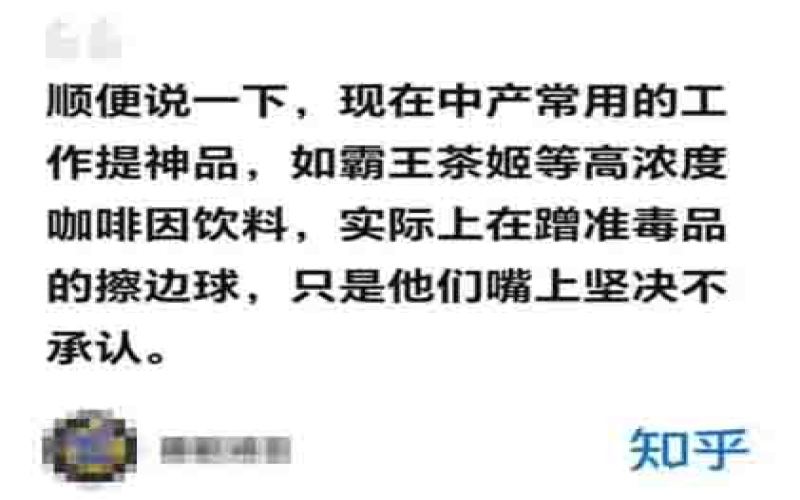
The caffeine controversy surrounding Chagee continues to intensify, with a full analysis of the brand's response and stock price fluctuations.
Recently, Chagee has found itself in a public opinion storm over the caffeine content of its drinks. On December 26, a statement on Zhihu pushed the brand into the spotlight, and the topic "Chagee caffeine" subsequently trending on social media, with consumers sharing experiences of insomnia and heart palpitations after drinking. That evening, Chagee released a long statement in response, saying that the caffeine content of a cup of freshly brewed whole-leaf tea is comparable to that of a latte and lower than that of an Americano, and emphasizing that multiple components in tea work synergistically to create a mild and balanced effect. At the same time, the brand's U.S. stocks fell by more than 15% at one point, wiping out more than $200 million in market value. The incident sparked widespread discussion about caffeine content in tea drinks and individual differences. [more…]