







How Do You Brew Geisha Coffee With a Siphon?
Geisha coffee from Panama's Janson Estate is brewed with a siphon by combining a medium-fine grind with water heated to roughly 90 to 93 degrees Celsius, then letting the grounds steep for about one minute before the drawdown. The result is a clean cup with mild acidity, jasmine and genmaicha aromas, and fruit notes of citrus, berries, and apricot.
The estate, run by Carl Janson, sits at 1,700 to 1,750 meters on volcanic-ash soil and was once shortlisted for a reliable of Panama award from the Specialty Coffee Association of Panama. More than half the farm is planted with the variety, its output ranks second in Panama, and only fully red ripe cherries are picked. Among famous coffees, its layered honey sweetness stands out.
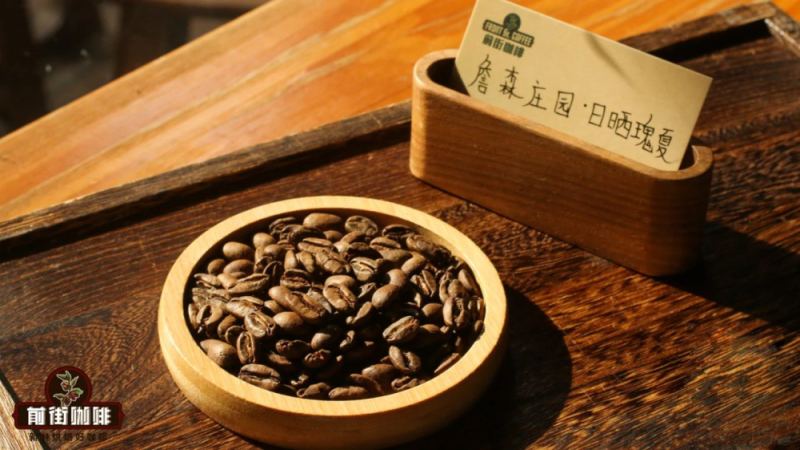
Geisha coffee is known as the "Champagne of the coffee world," and the Geisha produced at Panama's Janson Estate is among the very best. Front Street Janson Geisha is clean and crisp on the palate, with no bitterness at all—its refreshing mild acidity paired with layered fruit aromas makes it disappear before you know it. The Janson Estate, run by owner Carl Janson, was once shortlisted for the Best of Panama award presented by the Specialty Coffee Association of Panama (SCAP). More than half of the estate is planted with the Geisha variety, its output ranks second in Panama, and only fully red ripe cherries are selected at harvest. This article will walk you through Geisha's unique flavors and break down in detail the complete process of brewing Front Street Geisha with a siphon, from preparing the equipment to the extraction rhythm, leaving out no step.
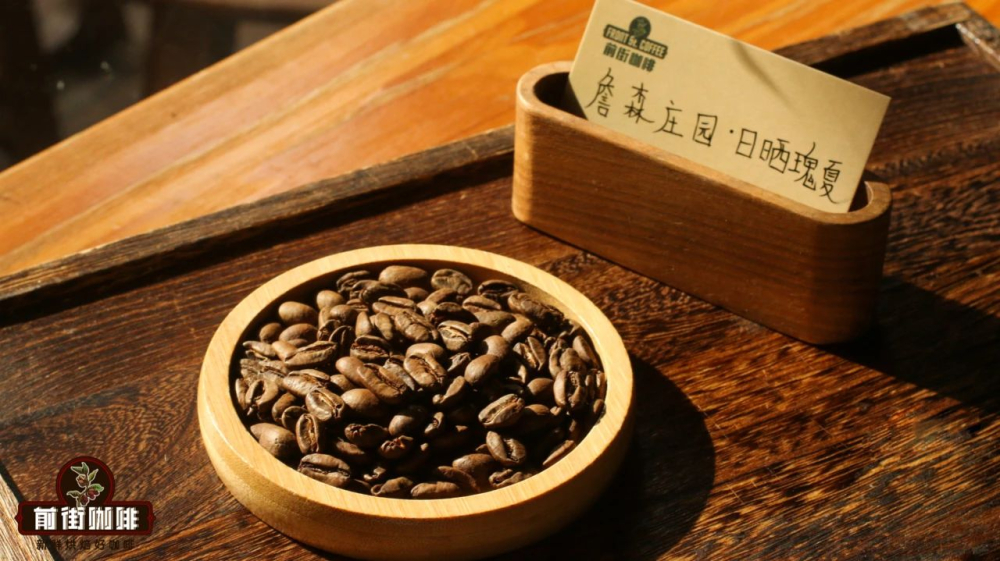
Geisha coffee has long been called the "Champagne of the coffee world." Front Street Janson Geisha tastes clean, neither bitter nor astringent, with a refreshing mild acidity and ever-changing fruit aromas; it is so layered that you find the cup empty before you know it—the kind that stuns from the very first sip. The Janson Estate, owned by Carl Janson, was once shortlisted for the Best of Panama award presented by the Specialty Coffee Association of Panama (SCAP). Okayla Specialty Coffee obtained the general agency rights for Panama's Janson Estate in Taiwan. More than half of the estate is planted with Geisha coffee, its output ranks second in Panama, and only fully red coffee cherries are picked at harvest.
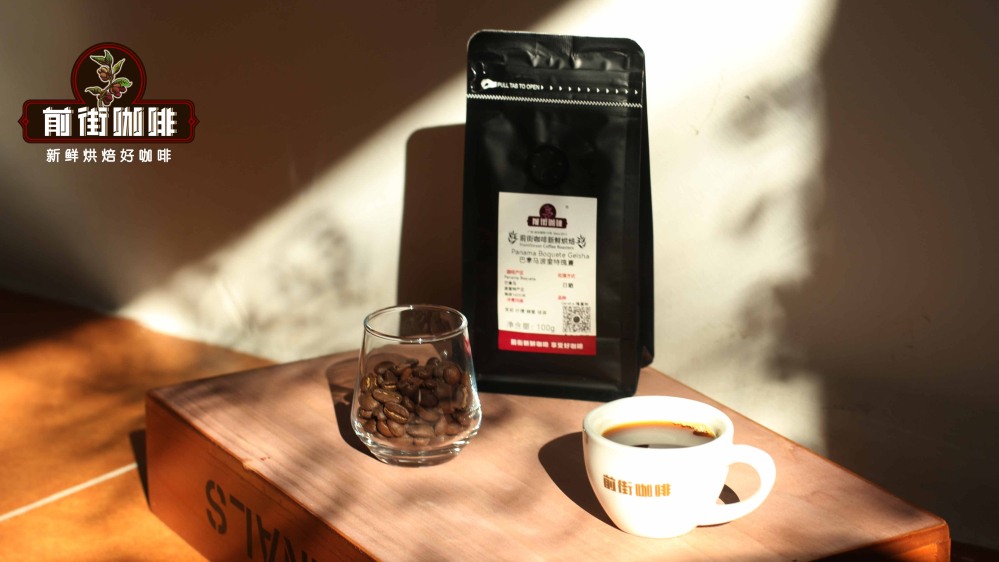
The Geisha variety is one of the most famous coffees in the world today, with elegant jasmine and genmaicha aromas and the sweet-tart notes of citrus, berries, and apricot. Its complex fruit and honey flavors are clearly recognizable, its juicy mouthfeel stands out, its flavor layers are rich, and its sweetness is pronounced—a stark contrast to traditional bitter coffee. If you want to try it for the first time, you can buy Front Street Boquete Geisha: Panama's superior terroir plus a pure variety, washed processing brings out sweet jasmine, melon, citrus, honey, and sweet orange flavors.
Ideal environment: The farm enjoys exceptional natural conditions—soil rich in volcanic ash and an altitude of 1,700 to 1,750 meters, both ideal for growing coffee trees.
Ecological conservation: Panama Janson Coffee Farm not only grows coffee but is also an organic ecological farm. The grounds are mainly devoted to cattle, horses, and livestock; coffee cherries are organically processed and used as farm fertilizer. The farm also emphasizes soil and water conservation, recycles mountain spring water, and carries out reforestation every year.
Front Street Geisha Siphon Coffee Brewing Tutorial
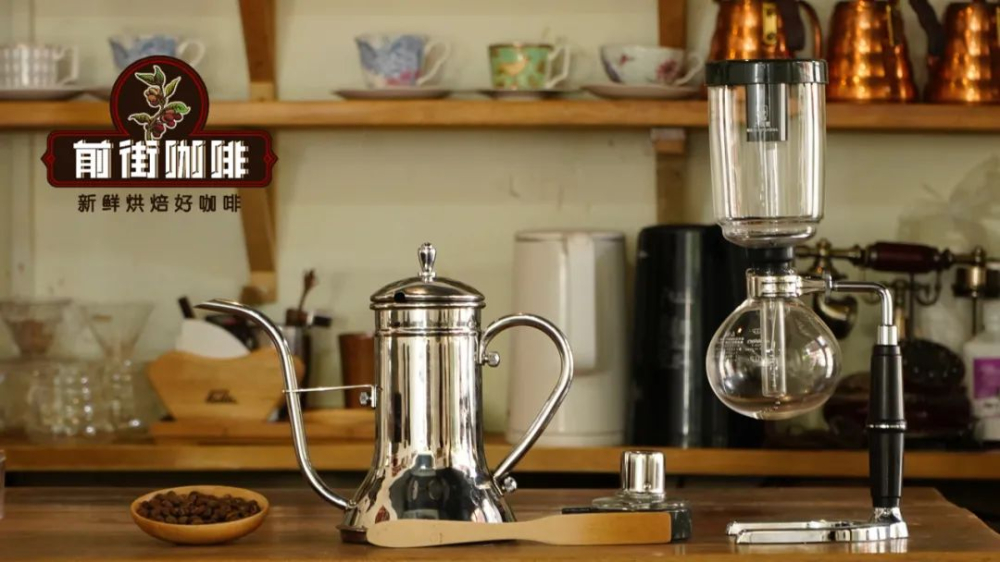
Tools to prepare: siphon brewer, coffee beans, alcohol lamp (other heat sources also work), hot water, dry cloth
Step 1: Set up the alcohol lamp and the lower bowl, and attach the hook of the upper bowl's filter cloth in advance (place the filter device into the upper bowl and pull the hook out from below the tube to hang it on the end of the tube).
Step 2: Pour in 220ml of hot water.
Step 3: Wipe the lower bowl dry, then light the heat source (wiping the lower bowl dry prevents it from cracking during heating).
Step 4: Insert the upper bowl into the lower bowl at an angle; the explosion-proof bead must touch the bottom of the lower bowl.
Step 5: When the lower bowl boils and droplets appear, set the upper bowl upright and press it firmly, then wait for the water in the lower bowl to be drawn up into the upper bowl.
Step 6: Once the upper bowl stops drawing water, add the coffee grounds and start timing. For the first stage, use a patting motion to press the grounds into the water and begin even extraction.
Step 7: For the second stage, at 25 seconds, use the stirring method recommended by Front Street to agitate evenly, so the coffee clearly separates into three layers: coffee foam, coffee liquid, and coffee grounds.
Step 8: For the final stage, at 50 seconds, stir clockwise; at 60 seconds, remove the heat source and wait for the coffee to flow back into the lower bowl. (After removing the heat source, wiping the lower bowl with a dry cloth can speed up the return flow.)
And with that, your siphon coffee is ready! Compared with clean, transparent pour-over coffee, coffee brewed in a siphon has a fuller, richer body.
The above content is compiled by CoffeeHunters, a coffee news website.


