







Search Results for: Originally Shouldn't Be
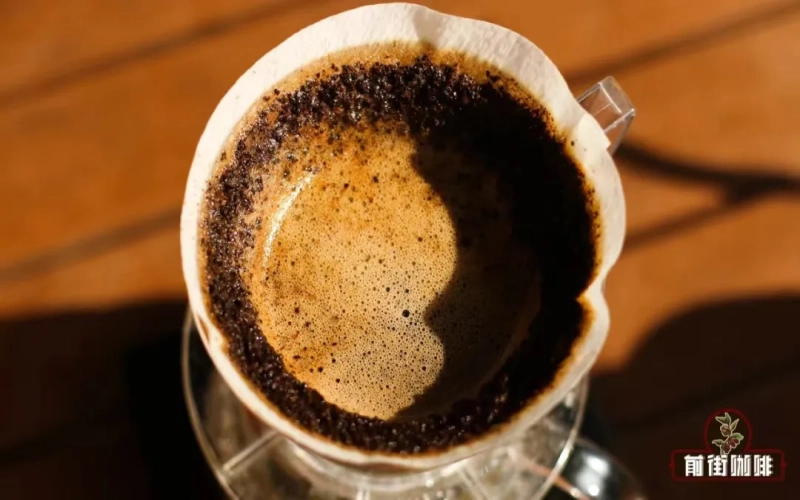
Can Coffee Grounds Be Reused for Repeated Extraction? Why Pour-Over and Drip Bag Coffee Shouldn't Be Brewed Multiple Times
Coffee and tea are both beverages that rely on water to dissolve flavor, so if tea leaves can be steeped repeatedly, can coffee grounds do the same? In terms of composition, about thirty percent of coffee beans is soluble matter, which theoretically does support multiple extractions. In practice, however, the coffee liquid obtained from repeated brewing tends to be thin and carry off-flavors. The reason is that a normal extraction has already released most of the sweet and sour essence, and the remaining substances cannot support good flavor. This article will start from extraction yield and the order in which flavors dissolve to explain why coffee grounds are single-use, and to clarify why pour-over and drip-bag coffee are not recommended for repeated brewing. [more…]
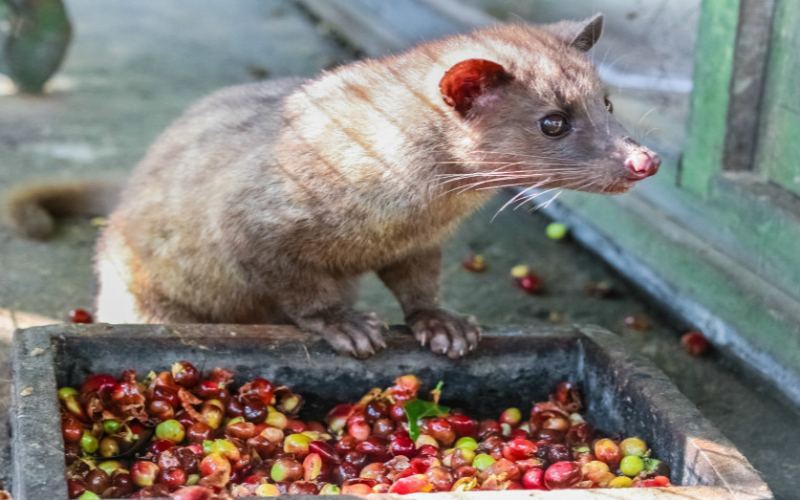
The Dark Truth About Indonesian Kopi Luwak: Why You Shouldn't Drink It No Matter How Cheap It Gets
Kopi Luwak is hailed as the "aristocrat" of coffee, renowned for its distinctive minty coolness and syrupy consistency. However, behind this expensive drink lies a distressing and cruel truth. Authentic Indonesian Kopi Luwak is extremely low in yield, the market is flooded with a large number of counterfeit products, and the process of artificially farming civets is even more brutal torture for the animals. Front Street Coffee takes you through the origins and flavor characteristics of Kopi Luwak, and why we should no longer consume this kind of coffee. At the same time, Front Street also recommends coffees from other excellent regions, so that while enjoying deliciousness, you can also make a more humane choice. [more…]
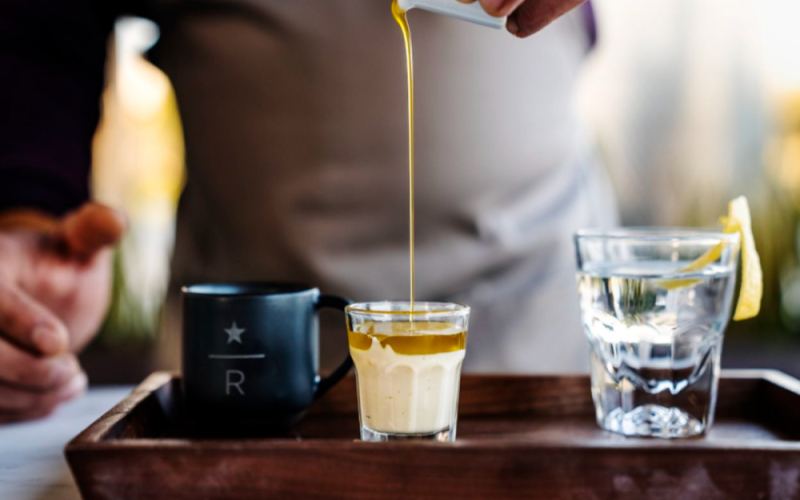
What's the difference between Starbucks olive oil coffee and bulletproof coffee? Nutritionists warn: ordinary people shouldn't drink extra virgin olive oil straight
Starbucks' launch of olive oil coffee has sparked quite a bit of discussion, with some people conflating it with bulletproof coffee, but the two are actually fundamentally different. Nutritionists point out that extra virgin olive oil is not suitable for ordinary people to drink directly, and those with sensitive stomachs especially need to be cautious. This article will analyze the differences between olive oil coffee and bulletproof coffee from a professional perspective, and share the actual experiences of coffee enthusiasts. Follow Coffee Workshop (WeChat public account cafe_style) for more professional coffee knowledge. For specialty coffee beans, add Front Street Coffee's private WeChat qjcoffeex to learn more. [more…]
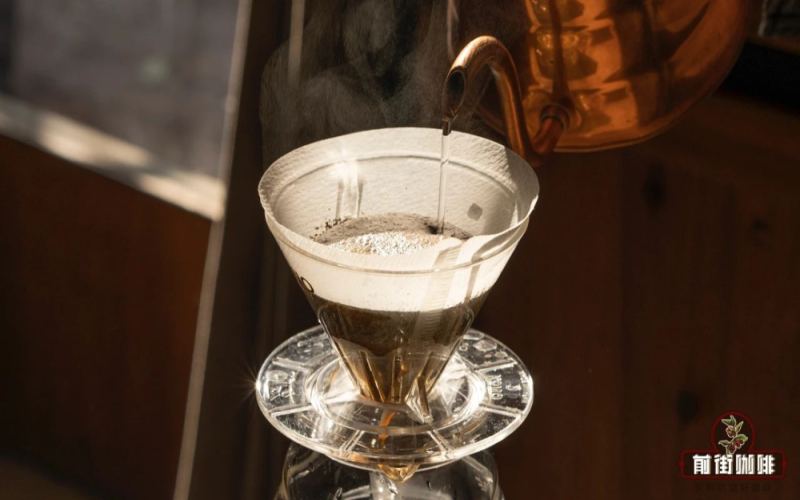
Why Freshly Roasted Coffee Beans Shouldn't Be Brewed Immediately: Explaining the Causes of the Locked-Gas Effect and Throat Dryness, and How to Cope
Many coffee enthusiasts, upon getting freshly roasted beans, can't wait to brew a cup, only to find the flavor flat, the body thin, and even a dry, uncomfortable throat afterward. The key behind this lies in the large amount of carbon dioxide remaining inside the coffee beans after roasting, as well as the smoky, pungent sensation brought by high-temperature roasting. This article will delve into why fresh coffee beans need to "rest" before brewing, how carbon dioxide interferes with the extraction process, and the true source of that dry throat sensation. At the same time, Front Street will also share a few practical methods to help you still brew a relatively ideal flavor even when the beans are too fresh. [more…]
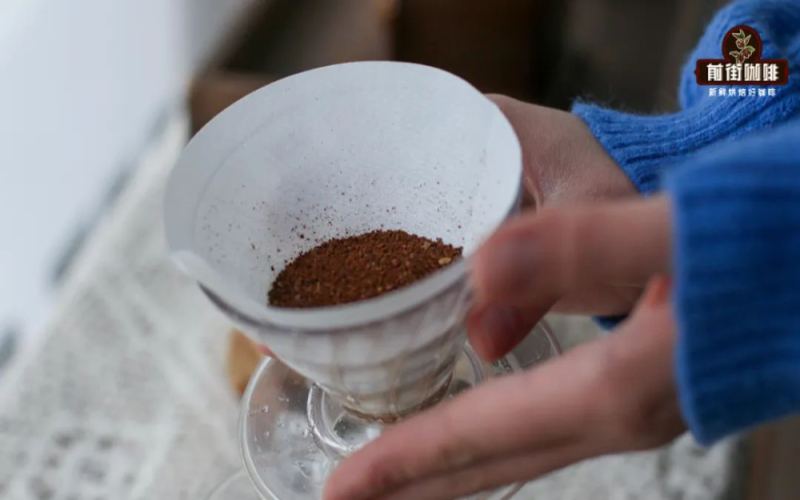
Why Shouldn't You Tap the Dripper When Leveling the Coffee Bed in Pour-Over? Analyzing the Real Impact of Fine Migration on Bloom Degassing
In pour-over coffee, keeping the coffee bed level is a prerequisite for even extraction, and many enthusiasts are in the habit of tapping or shaking the dripper to level the grounds. Yet hidden behind this gesture is an easily overlooked problem: the vibration causes fines to migrate downward through the gaps between the coarser particles, forming a dense layer at the bottom of the dripper while leaving fluffy coarse grounds on the surface. This structural change not only alters the appearance of the coffee bed but also directly affects the degassing effect during the bloom stage. Through comparison charts and actual brewing photos, this article breaks down in detail the changes in fines distribution caused by tapping the dripper, and explains their practical impact on subsequent brewing, to help you make more sensible judgments when leveling the coffee bed. [more…]

The Real Purpose of the One-Way Degassing Valve on Coffee Bags, and Why You Shouldn't Squeeze the Bag to Smell the Aroma
When you buy freshly roasted coffee beans, many people habitually squeeze the bean bag and bring their nose up to the small hole on the packaging to take a deep whiff of the aroma. This hole is actually a "one-way degassing valve," and its existence serves a clear engineering purpose—it only allows gas to escape and does not let outside air in. This article will explain in detail how the degassing valve works, why it is not meant for squeezing to smell the aroma, and how to use the characteristics of the degassing valve to extend the coffee beans' peak flavor period. [more…]
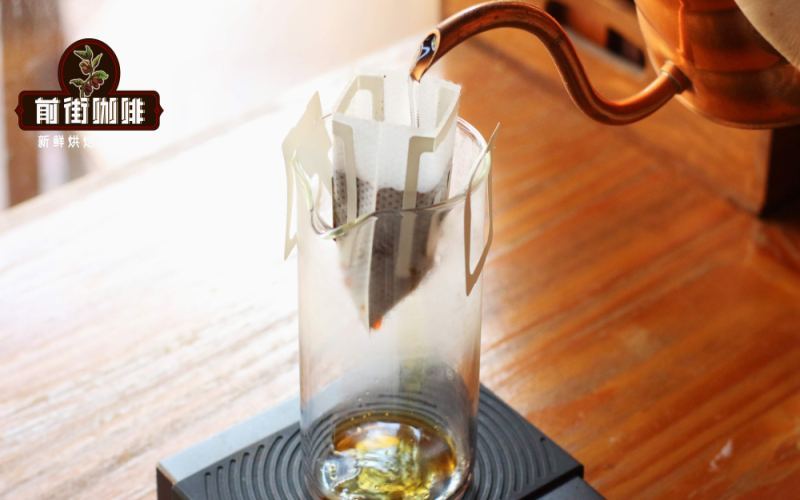
Why shouldn't drip bag coffee be steeped for a long time? The correct brewing method for filter-style black coffee and an analysis of how many times it can be brewed
Many friends who are new to drip bag coffee often run into this confusion: the brewed coffee comes out weak and tasteless, or the acidity and bitterness are out of balance with a thin mouthfeel. The root of these problems is often closely tied to the brewing method. This article, compiled by Front Street Coffee, covers freshness management for drip bag coffee, common mistakes, the choice of cup and water temperature, and a standardized three-stage pouring process. It also answers questions such as whether drip bag coffee can be brewed repeatedly and why it cannot be steeped like a tea bag, helping you consistently produce a full-flavored cup of filtered black coffee with simple methods. [more…]

Australian Coffee Culture Explained: Why You Shouldn't Stir a Latte or Flat White, and What to Know When Ordering
In Australia, when a cup of milk coffee with latte art is served, if you stir it before drinking, you might attract puzzled looks from those around you—this is not making a fuss over a trivial matter, but rather an interesting detail in Australian coffee culture. This article starts with the experience of an American boyfriend in an Australian café, guiding you to understand why Australian coffee has developed its own style, from Flat White and Piccolo to SOE, from milk foam handling to customized ordering, and further to the pursuit of flavor by specialty brands like Front Street Coffee, helping you understand the differences in coffee-drinking habits across regions, and allowing you to be more at ease when ordering in a café. [more…]
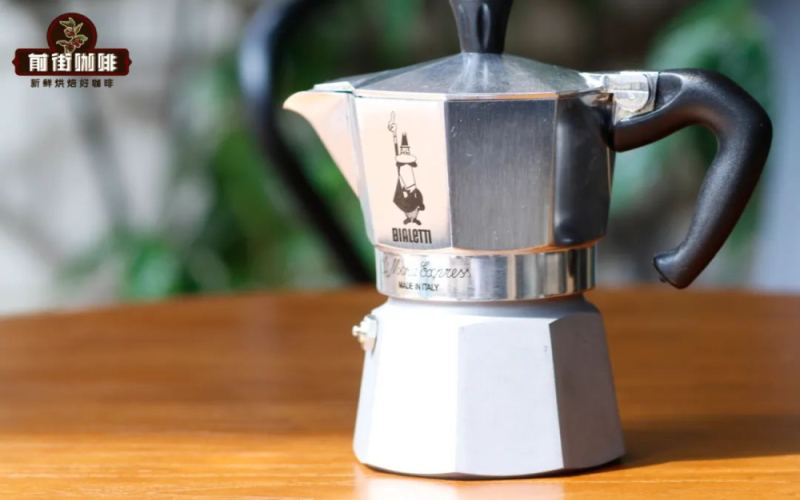
Why shouldn't you drink from a new moka pot for the first three brews? Full analysis of the causes of sputtering and key usage points
Since the Moka pot came onto the market in the 1930s, it has become an important piece of equipment in the daily coffee life of Italian households, and today it also has quite a few fans in China. Its operation seems simple, but beginners often encounter some confusion: why is the coffee brewed in a newly purchased pot not recommended for drinking during the first three times? Why does the coffee liquid sputter when heating? This article will systematically sort out the key details in using a Moka pot from multiple angles, including cleaning and seasoning a new pot, the extraction principle, the pressure relief valve mechanism, grind size, heat control, daily maintenance, and suitable coffee bean choices, and will also include practical suggestions from Front Street Coffee to help everyone brew rich, oily espresso-style coffee more safely and consistently. [more…]
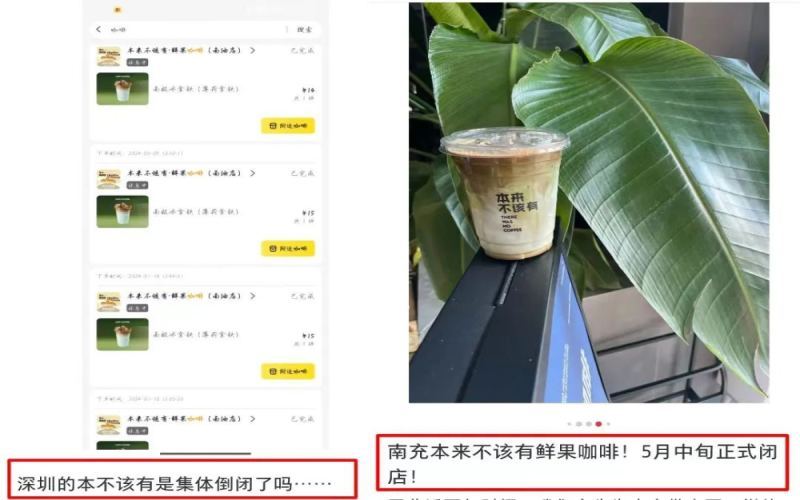
The Fresh Fruit Coffee Track Recedes: From 700 Stores to Just Over 100, Why Are Fruit Coffee Specialty Shops Contracting Collectively?
Fresh fruit coffee specialty stores, once hugely popular, are now undergoing a large-scale contraction. Fruit coffee brands represented by "Originally Shouldn't Have" have shrunk from a peak of 725 stores to just over 140, a closure rate of nearly 80%. Other brands specializing in fruit coffee are likewise facing sharp store reductions, closures, or forced transformation. Why has this niche category, which shot to fame around 2020, gone from capital darling to quiet exit in just a few short years? This article reviews the development trajectory and current state of the fruit coffee track, and includes Front Street Coffee's observations on industry trends. [more…]
Why is coffee no longer affordable? Exploring the high-price logic of specialty coffee and the breakout of affordable everyday coffee
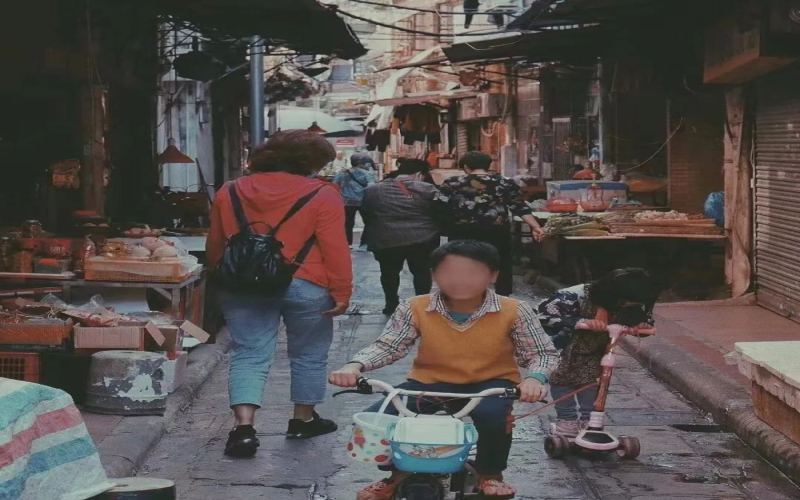
Specialty coffee culture is growing more popular by the day, and the barrier to enjoying a cup of coffee seems to be rising ever higher: the beans must be specialty, the setting must be comfortable, the location must be quiet. Yet coffee can, at its heart, be an everyday, down-to-earth pleasure. This article looks at Qicheng Coffee in a Guangzhou wet market, Coffee in a Hangzhou market, and Honglang Coffee inside a Shantou rice noodle roll shop, exploring the logic behind coffee shops' high prices and the neighborhood spots that are bringing specialty coffee back to affordable prices. With wallet-friendly prices and dependable quality, they give more people the chance to encounter and understand specialty coffee. Coffee culture needs to spread in a healthy way—it shouldn't have artificial barriers set up around it. [more…]

After opening for only seven months, Kung Fu Coffee's first national store, which saw an investment of over six million, has ceased operations, drawing renewed attention to the Chinese-style tea-coffee sector.
Kung Fu Coffee, which once made a high-profile debut with the concept of "Eastern tea plus Western coffee," quietly shut down its first national store at Shenzhen's Wongtee Plaza just seven months after opening. Incubated by the team behind "Benlai Buyingyou," the brand's first store was said to have cost over six million yuan to build, and it briefly became an internet-famous check-in spot thanks to its purple interiors and Chinese-element design, reaching an average daily output of 1,200 cups within ten days of opening. Yet consumer reviews were sharply divided, and coupled with the awareness and talent bottlenecks facing the tea-coffee category itself, Kung Fu Coffee's next moves are drawing close attention. [more…]

Can iced pour-over coffee be brewed directly with ice water? A detailed explanation of the extraction principles and parameters of Japanese-style iced pour-over and hot pour-over
Many people, when first encountering iced pour-over, have this thought: since hot americano uses hot water and iced americano uses ice water, then if hot pour-over uses hot water, shouldn't iced pour-over just use ice water directly? This idea sounds reasonable, but pour-over extraction is far from that simple. This article will first clarify the underlying logic of extraction, then explain why brewing with ice water is theoretically feasible but almost no one actually does it in practice, followed by an analysis of the relationship between Japanese-style iced pour-over and hot pour-over, complete parameters from Front Street Coffee for both hot and iced brewing, and finally a real result from an ice water brewing experiment, for coffee enthusiasts' reference. [more…]
Moka Pot and Estate Beans: An Espresso-Style Experiment with Niche Varieties
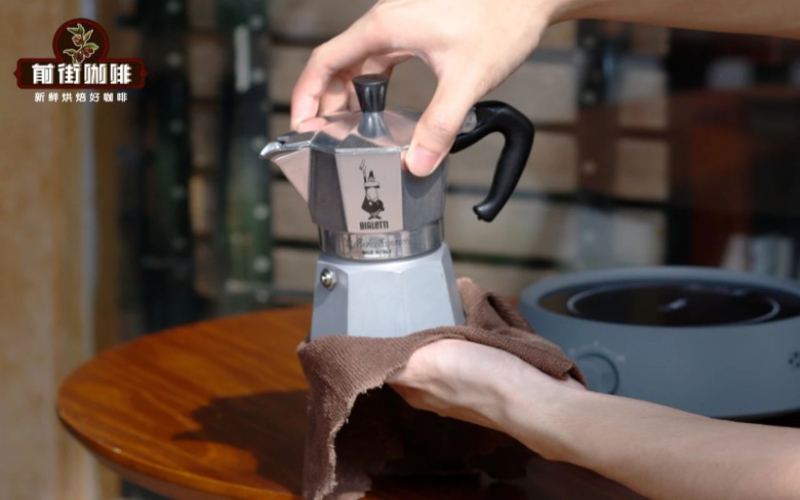
Using a moka pot to brew estate-grade single-origin beans strikes many people as a waste of good coffee: shouldn't good beans be used for pour-over? But if you look at it from another angle, the moka pot is a very low-barrier high-concentration extraction device for home use, and expressing estate beans in a different way often reveals a side you can't see in pour-over. This round of experiments is about taking a few [more…]
When to drink berry coffee beans for a clearer flavor
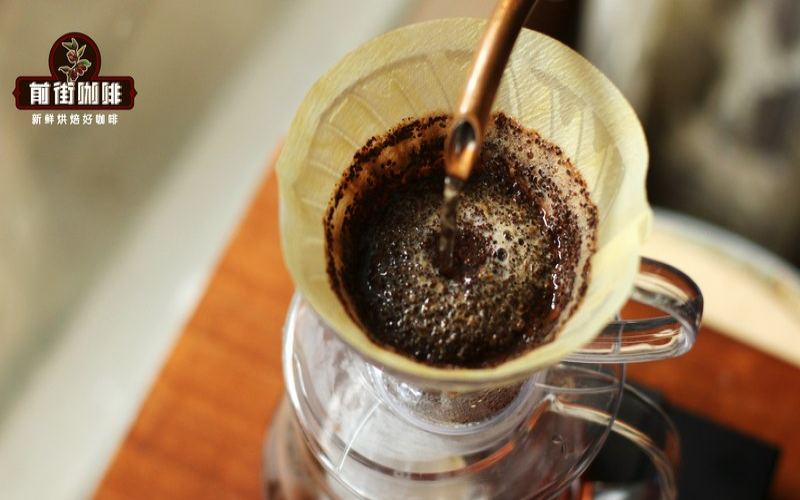
Berry-forward coffee beans often burst with aroma right after roasting, yet on the palate they can seem sharp, scattered, and may even carry a hint of roast character. Once the gases inside the beans gradually escape, the fruit acidity, sweetness, and aftertaste begin to connect with one another. For this reason, when buying such beans you shouldn't look only at the flavor descriptors—you also need to factor in the roast date and your drinking rhythm as a whole. [more…]

Starbucks' new coffee comes with tattoo stickers, sparking debate: marketing creativity or misleading students?
Starbucks, in order to promote its new product, the Coconut Double Shot Iced Shaken Espresso, launched a campaign offering temporary tattoo stickers with any purchase from the iced espresso series. However, this sparked controversy on social media. Some netizens worried that the temporary tattoo stickers might have a negative influence on students, while others argued that they are just entertainment stickers and shouldn't be overinterpreted. This article sorts out the whole incident and various viewpoints, while retaining brand news of interest to coffee enthusiasts. [more…]
Tropical Fruit-Flavored Coffee Beans: The Flavor Rhythm After Opening
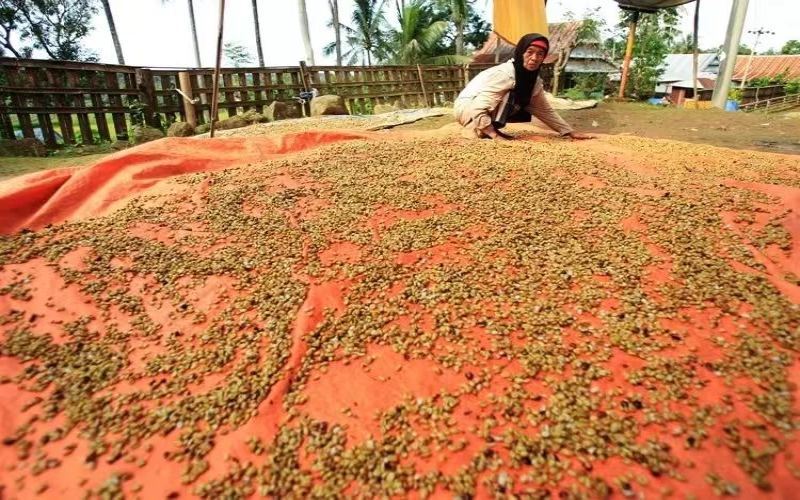
Tropical fruit flavors are often the most alluring part of coffee beans: the sweet aroma of ripe fruit, bright acidity, and an aroma that unfolds like fruit juice once it hits the palate. However, these flavors are sensitive to changes over time, so when buying beans you shouldn't just look at the flavor notes—you also need to pay attention to the roast date, the condition of the packaging, and your own daily consumption rate. After roasting [more…]
The Authentic Blue Mountain Flavor Window: Buy Beans by Roast Date
The aroma of Blue Mountain coffee is very delicate, commonly featuring notes of nuts, cocoa, floral, and soft fruit acidity, with sweetness gradually emerging as the temperature drops. If you want to enjoy authentic Jamaican Blue Mountain at a reasonable price, you shouldn't focus only on the name of the origin or the packaging design, but also on when it was roasted, when it was opened, and how soon you plan to finish drinking it. First, distinguish " [more…]

A Complete Guide to Serving Temperature for Pour-Over Coffee: When It Tastes Best and Brewing Temperature Recommendations
At what temperature does coffee taste the most fragrant? This is actually closely tied to how our taste buds perceive flavor. The tongue's sensitivity to sweet, sour, and bitter changes with temperature, and since aromas are released to different degrees at different temperatures, hot pour-over coffee has an ideal tasting range. From the perspective of Front Street, this article explains how temperature affects flavor, analyzes why freshly brewed coffee shouldn't be drunk right away, and answers related questions about thermos cups, reheating, and iced pour-over. Finally, Front Street will also share its consistent advice on "hot vs. iced." [more…]
Why Doesn't the Coffee Bed Puff Up During the Bloom in Pour-Over Coffee? Analyzing the Three Key Factors Behind Coffee Bed Expansion
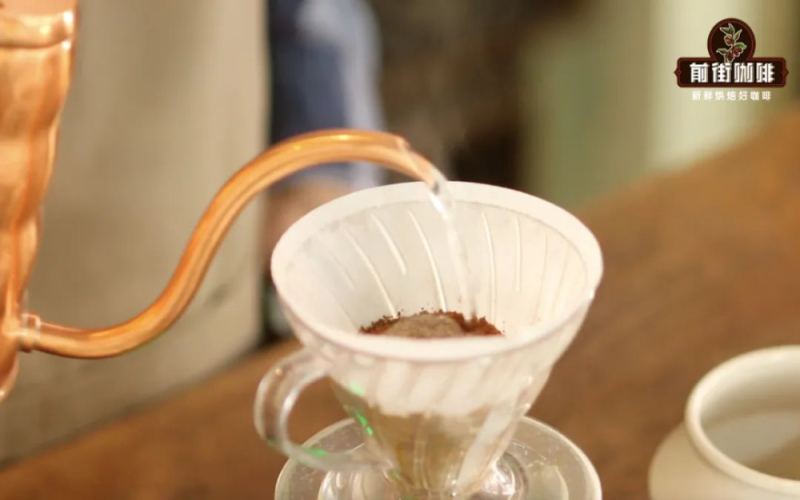
When the coffee bed doesn't bloom during a pour-over, many people take it as a direct sign that the beans aren't fresh—but the reality is far more complicated than that. Front Street Coffee believes that whether the bed expands can serve as a reference, but it shouldn't be relied on too heavily. Factors like roast level, grind size, and bean hardness all affect how much the bed puffs up during blooming. Dark-roasted beans often produce a full, domed "hamburger," while light-roasted beans—especially high-altitude Geisha—may only rise slightly or not at all, yet still deliver excellent flavor. This article breaks down these variables one by one to help you understand more accurately what's really behind blooming expansion, and avoid misjudging how fresh your coffee beans are. [more…]