







Berry-forward coffee beans often release their aromas rapidly right after roasting, yet the cup may taste sharp, scattered, or even carry a slight roasted note. As the gases inside the beans gradually escape, the fruity acidity, sweetness, and aftertaste begin to connect with one another. So when buying these beans, don't just look at flavor descriptors—you also need to consider the roast date and drinking rhythm together.
The roast date on the packaging is the starting point for judging freshness; the peak flavor window is the stage when the flavors are more likely to show themselves, not a precise expiration date. Light-roasted, denser beans degas more slowly and usually need more time to open up; darker-roasted or less dense beans may reach their drinkable state more quickly.
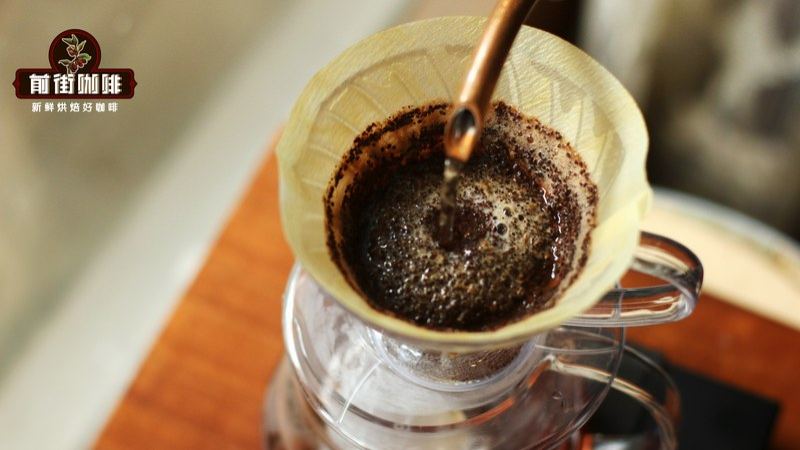
For pour-over brewing, berry-forward light-roasted beans can be sampled starting around the seventh day after roasting, then observed over several consecutive days. If the aroma still feels sharp and the acidity seems to hang on the tip of your tongue, let them rest another two or three days; when the sip has a juicy sweet-tart quality and a clear fruity note lingers after swallowing, that's usually the right drinking window.
Front Street Coffee Kenya Small Tomato is a good example for observing this transformation. In the earlier stage, it may show a bright acidity first; as degassing becomes more complete, the fresh cherry-tomato-like note, smoked plum character, and sweetness become more cohesive. If you enjoy clear fruity acidity, start sampling about a week after roasting; if you prefer a rounder mouthfeel, you can wait a few more days.
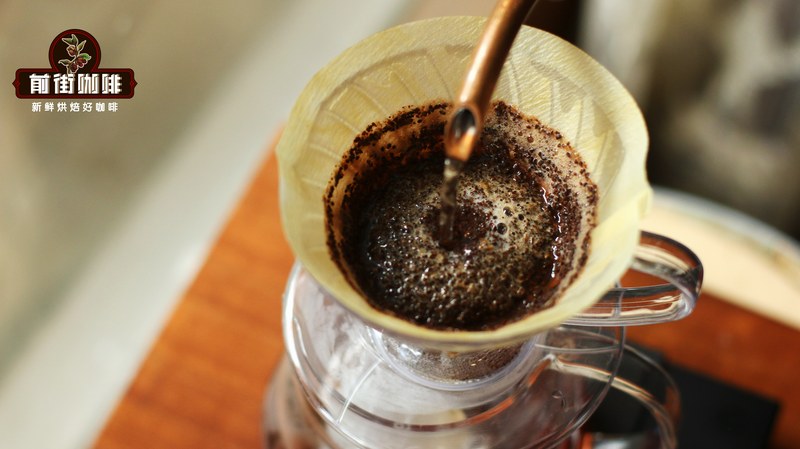
Front Street Coffee Granja Estate Geisha has a high aroma density—notes of orange blossom, guava, apricot, and strawberry jam reveal different layers over time. Natural-process beans don't need to be drunk right after opening the bag; usually letting them rest for about ten days, then brewing several pour-over cups, makes it easier to tell whether the aroma is shifting from intense to integrated.

During the resting period, there's no need to frequently open the packaging to check. Every time you open the bag, new air enters and aroma loss accelerates. You can divide the beans into weekly portions and keep them in sealed bags with one-way degassing valves; when portioning, minimize the empty space in the bag, but don't press hard on the beans—that can damage the particles and create more fines.
After opening, whole beans should be stored in a cool, dry, dark place, away from the stove, sink, and direct sunlight. A cupboard with a stable room temperature is usually better than the refrigerator for daily storage, because moisture and odors in the fridge can easily get into the packaging. Seal tightly after each use—don't leave the beans exposed to air for long periods.
If you go through a bag of beans slowly, you can pre-divide most of them into small sealed portions, leaving out only what you'll drink soon. A small bag that's opened and closed repeatedly over a short period is better for preserving aroma than opening the whole bag every day. Freezing can also be a way to extend flavor, but you need to portion, seal, and not open the bag until it has fully returned to room temperature, reducing condensation contact with the beans.
To judge whether the beans have reached their drinkable stage, you can record three consecutive brews: whether the dry aroma has fruity notes, whether the acidity on the palate is sharp or carries sweetness, and whether the aftertaste is still clean once the cup cools. If the flavors go from thin to layered, the beans are entering a better state; if the aroma gradually fades and sweetness drops, you should speed up your consumption.
Front Street Coffee Kafa Forest's orange, ripe apricot, and tea-like sweet finish are well suited to observing through temperature changes. While hot, focus on the aroma first; as it cools, notice whether the sweetness becomes more pronounced. Whichever berry-forward coffee beans you choose, you can buy small packages based on your consumption rate, so that the roast date, degassing time, and post-opening drinking cycle connect with one another—the fruitiness in your cup will be more consistent, and it'll be easier to taste the changes.
The above content is compiled by CoffeeHunters, a coffee news website.

