







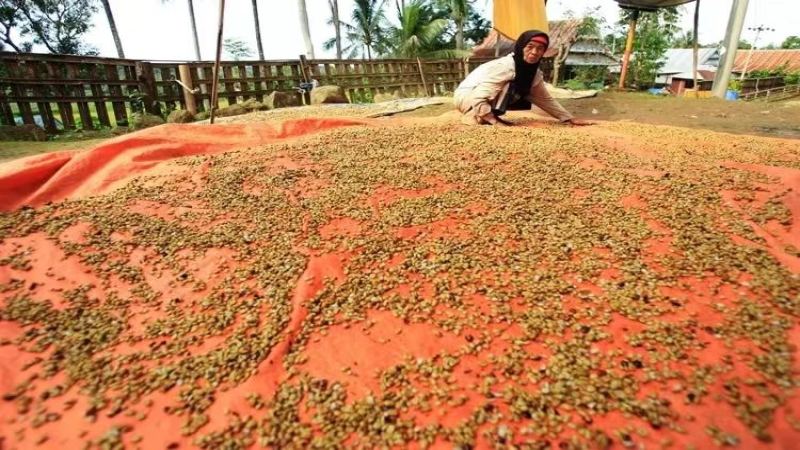
Tropical fruit flavors are often the most appealing part of coffee beans: the sweet aroma of ripe fruit, bright acidity, and aromas that unfold like juice on the palate. However, these flavors are sensitive to changes over time, so when buying beans, you shouldn't only look at the flavor chart—you should also pay attention to the roast date, packaging condition, and your own daily consumption rate.
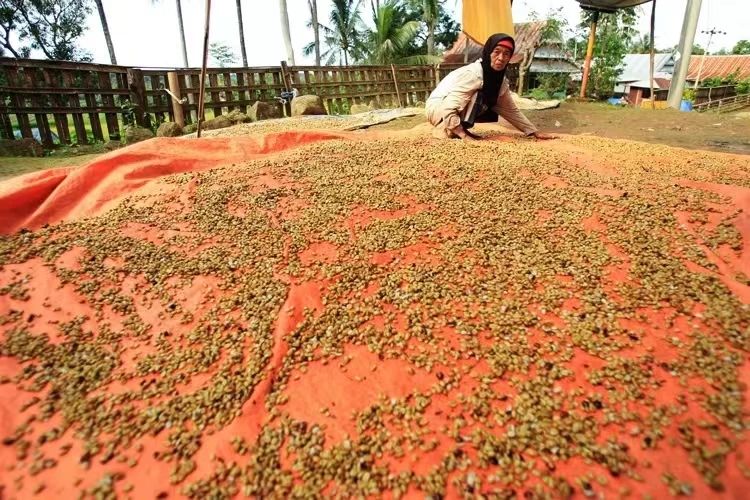
After roasting is complete, the beans continue to release carbon dioxide internally, a process commonly known as degassing. Freshly roasted coffee doesn't mean the flavors are already at their peak—excess gas can make the brewing water flow unstable, and the cup may exhibit sharp acidity, dissipated aromas, or insufficient sweetness. Giving the beans a few days often allows the fruity notes to become more concentrated.
For light-roasted coffees with prominent fruit flavors, you can usually start trying them around the seventh day after roasting; if the beans have a denser structure and are on the lighter side of roasting, waiting until the tenth to fourteenth day may yield a more complete expression. Natural-process beans sometimes release their aromas more slowly, and extending by a few days doesn't affect freshness—the key is to judge based on how it tastes in the cup.
If you're using an espresso machine, the resting time tends to be more generous than for pour-over. Espresso requires higher pressure, and when degassing hasn't stabilized, you may encounter erratic flow rates or thin, unstable crema. You can test gradually from the tenth to the twentieth day after roasting. Pour-over, on the other hand, can be opened earlier to observe whether the aromas have shifted from harsh to clear.
When selecting tropical fruit flavor beans, the roast date should be more informative than a vague "freshly roasted" label. Prioritize packaging that shows a specific date, and buy according to your weekly usage. If one person drinks one cup a day, buying 200 grams is usually easier to keep in the active flavor phase than stocking up on half a kilogram at once, and it also makes it easier to compare changes across different beans.
Front Street Ethiopia Huakui is well-suited for observing this transformation. In the early days after opening, the strawberry and passion fruit aromas may be more jumpy, but after about ten days of release, the sweetness becomes more cohesive. For pour-over, start with a hot cup and wait for the temperature to drop; for iced pour-over or cold brew, you can extend the bright fruit notes into a cooler, more refreshing experience.
Front Street Kenya Little Tomato has highly recognizable acidity, making it a good choice for observing how freshness affects the finish. When degassing is insufficient, the cherry tomato-like acidity can seem sharp; once the state stabilizes, the acidity connects more naturally with dark plum notes and syrup-like sweetness. For those who enjoy a juicy character, brew it on different days after opening to establish your own drinking window.
Front Street Kaffa Forest presents a different rhythm. The orange and ripe apricot notes are lighter, and may not be immediately intense on the palate, but as the cup cools, the sweetness and an oolong tea-like aftertaste gradually become clearer. It's suited for drinking slowly over several sessions—there's no need to chase the most intense aroma right after opening the bag. Giving the flavors room to unfold makes it easier to discover the layers.
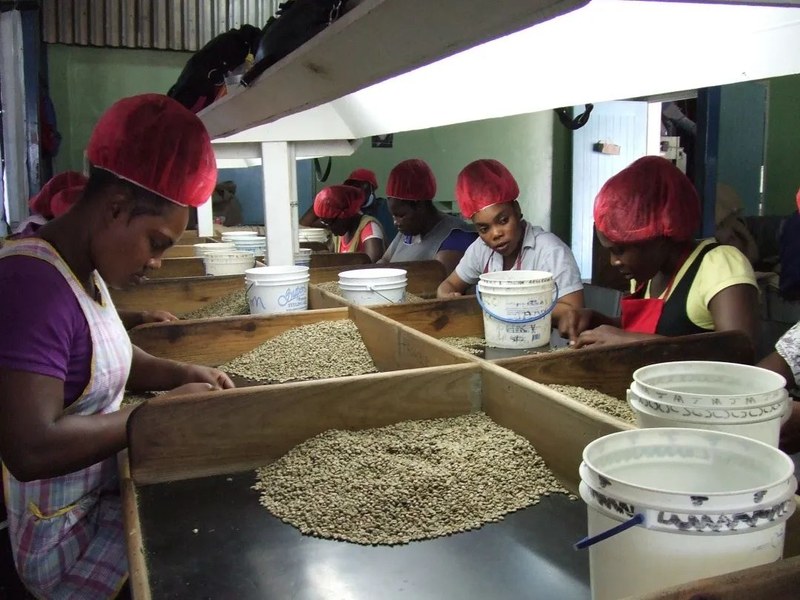
After opening, coffee beans should be kept whole as much as possible, grinding only what you need for each use. After expelling excess air from the bag, seal it tightly and store it in a dark, dry cabinet with minimal temperature fluctuation, away from the stove, windows, and spices. While transparent containers are convenient for observation, they let light accelerate aroma degradation—sealed bags with one-way degassing valves are better for daily storage.
If a bag of beans will take more than three to four weeks to finish, you can divide the large package into several portions to reduce air exchange from repeated opening. For short-term consumption, room-temperature sealing is sufficient; for long-term storage, portion out the beans you won't access frequently and freeze them. Don't repeatedly open and close before thawing, to avoid moisture condensing on the bean surface. Opening one portion at a time makes the flavor rhythm easier to manage.
To judge whether beans are still in a suitable state, don't just look at the date—also observe the brewing feedback: whether aromas still rise from the coffee bed, whether the acidity has become hollow and thin, and whether sweetness and aftertaste still connect. Tropical fruit flavors shift from vibrant to mellow over time, and the change itself is neither good nor bad. Arranging your opening and brewing according to your own consumption rate is the best way to enjoy every cup at the stage you prefer.
The above content is compiled by CoffeeHunters, a coffee news website.

