







Why Coffee Feels More Expensive: Specialty Pricing and the Rise of Everyday Alternatives
Coffee prices at the cafe counter have climbed, and the reasons go beyond one harvest or one brand. Green coffee costs have risen on global markets, shipping and labor have grown more expensive, and specialty roasters pay more for traceable, high-scoring lots. Cafes also face higher rent and wages. Those costs travel down to the cup, and a daily latte now costs noticeably more than it did a few years ago.
At the same time, a cheaper tier of coffee has expanded. Supermarket beans, capsule systems and budget home machines let people brew at home for a fraction of cafe prices. Chains have introduced lower-priced drip and ready-to-drink options. The result is a widening split between premium specialty cafes and the everyday cup, with consumers moving between the two based on budget and occasion.
Specialty coffee culture is growing more popular by the day, and the threshold for drinking coffee seems to be getting higher and higher: the beans must be specialty, the setting must be comfortable, the location must be quiet. Yet coffee was originally something that could be very everyday and very accessible. This article looks at Departure Coffee in a Guangzhou vegetable market, Market Coffee in Hangzhou, and Honglang Coffee in a Shantou rice noodle roll shop, exploring the logic behind coffee shops' high prices and those down-to-earth little shops that bring specialty coffee back to affordable prices. With affordable prices and solid quality, they give more people the chance to encounter and understand specialty coffee. Coffee culture needs healthy spread; it shouldn't have artificial barriers set up around it.
As the idea of specialty coffee keeps spreading, coffee has instead drifted further and further from ordinary people's lives... Bean selection must be specialty, the shop must be cozy and stylish, and the surroundings must be quiet and tidy. Yet these three things are often intertwined, for example: a coffee shop in a vegetable market = messy surroundings = the shop won't be cozy and warm = the drinks definitely won't be any good.
I understand some people disagree with this view, but these days many people walk into a café not for the coffee itself, but for the environment and decor. Even if these shops serve good coffee and price it especially affordably, when they're in a place full of everyday bustle, people will still assume the shop's offerings aren't good, because such a setting doesn't match today's coffee consumers' aesthetic habits.
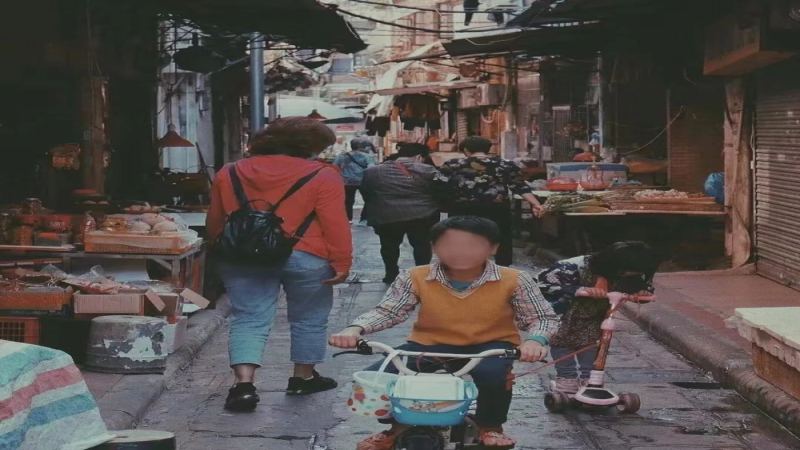
Coffee can be high-end and refined, and it can also be cheap and everyday. You can sit on the Left Bank of the Seine and elegantly have a cup of coffee as an afternoon treat, or on a Vietnamese street, when you're thirsty, plop down at a roadside coffee stall and drink a whole pot. As long as every cup is made with care, whether the setting is refined really doesn't matter that much. Isn't it nice to drink a cup of affordably priced coffee in a place full of everyday street life? Relaxed and burden-free , and after finishing you can even pick up groceries on the way home to cook.
-Mulab
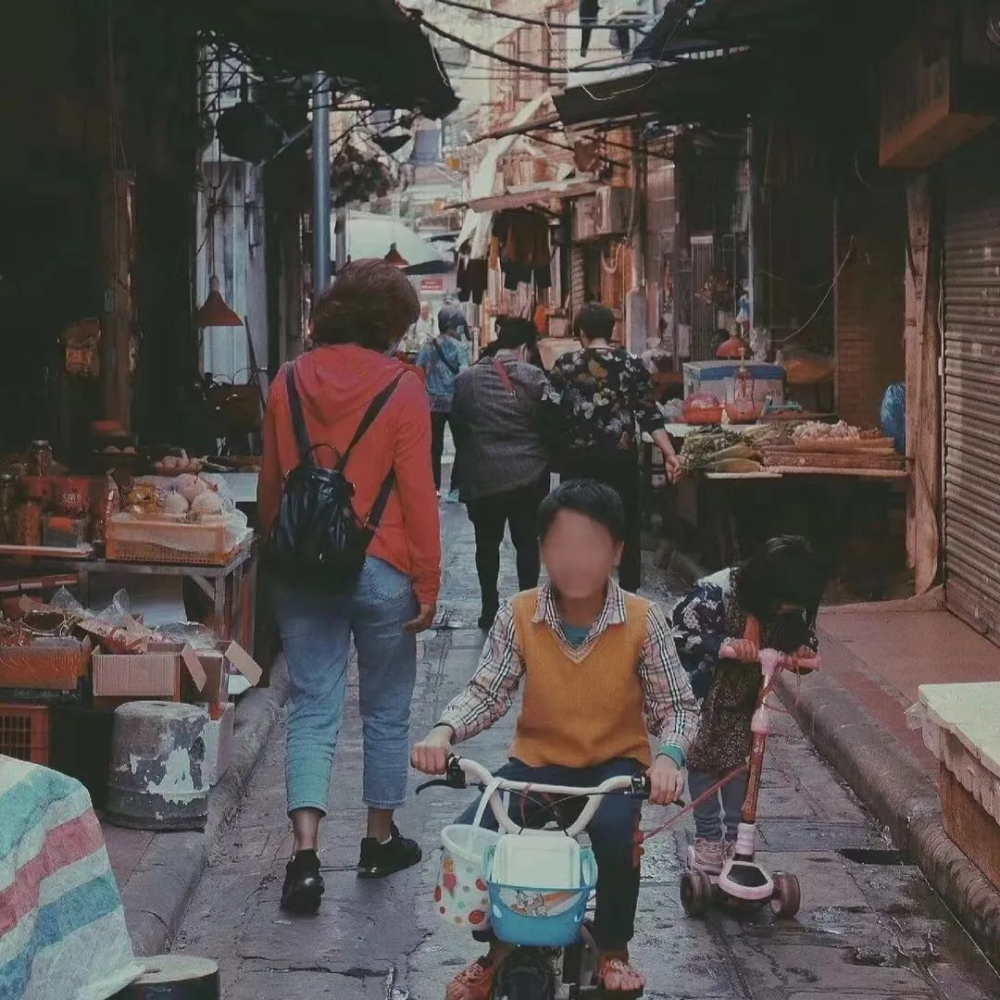
Take Guangzhou's Departure Coffee: the old shop is inside a vegetable market in Tianhe District, right next to a meat stall. Because it's in the market, there was almost no business when it first opened. Many older folks' fixed impression of coffee is that it's expensive and bitter; for old Guangzhou neighbors, coffee's appeal doesn't even match Bansha (a type of Cantonese herbal tea, the nightmare of Cantonese people).
With cheap rent, coffee pricing naturally stays low too. Over several years in business, it has supplied more than fifty kinds of specialty coffee beans; the cheapest latte is only 15 yuan, and pour-over can be had for just 20 yuan. Only by selling good things at honest prices can more people be willing to try and get to know them—the same principle applies to specialty coffee.
Then there's Hangzhou's Market Coffee, which became one of the stalls in a farmers' market. Why move a coffee shop into a market stall? Ultimately it's the low rent, and the market also has heavy foot traffic, with people of all ages coming through, so the customer base isn't limited to coffee connoisseurs or young people.
-Bozai'er
Affordable prices give people who are curious but reluctant to spend money on coffee a chance to encounter coffee, and perhaps because of this, more people will be willing to get to know and understand coffee.
There's also Honglang Coffee in Shantou. It isn't in a vegetable market, but in a rice noodle roll shop on the ground floor of a residential building. The shelves are packed with coffee beans and coffee certificates. They don't do espresso here; there are just a few drip coffee machines making the coffee, and the quality is truly excellent. Except for the Geisha variety, all other single-origin coffees are priced at just 12 yuan!
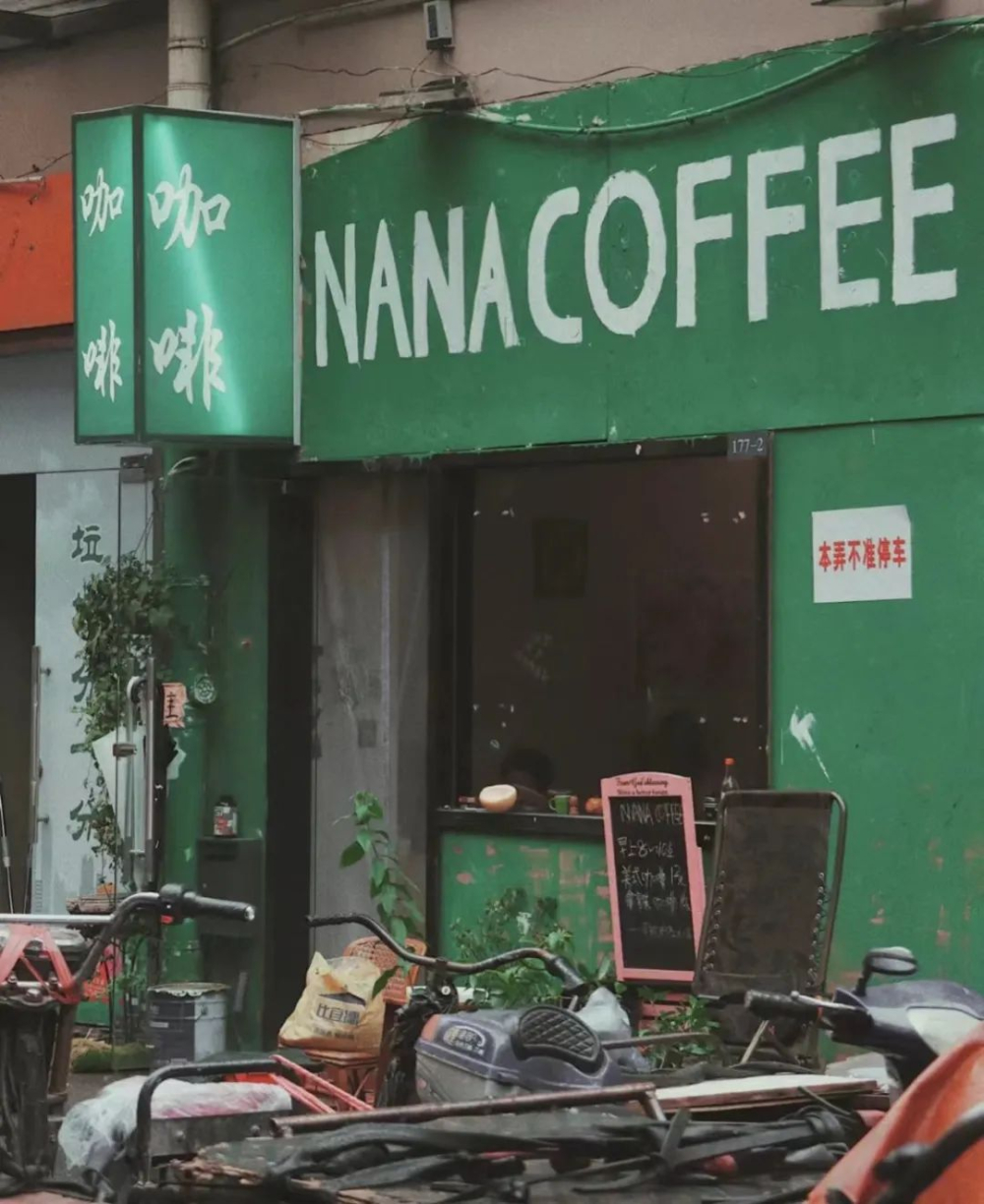
The shop even offers a coffee and rice noodle roll set meal—eating Chaoshan rice noodle rolls while drinking specialty coffee, two seemingly unrelated products that, combined, feel completely natural. Bringing coffee into people's everyday breakfast shops—there's probably no better way to make people feel that coffee can also be very everyday .
Of course, there are plenty of other coffee shops with this kind of everyday street-life warmth that are worth trying. Some may think these are just gimmicks by businesses, but I think they're really great! Because they haven't been kidnapped by the word "specialty"—coffee is inherently an ordinary, everyday thing that anyone can drink. "Specialty" defines the quality of the coffee beans, the quality of the drinks, and the professional skill of the brewer—not who is "qualified" to drink that cup of coffee.
Finally, the same old saying: coffee culture needs positive spread, so don't make it so that drinking a cup of coffee requires "judging people." There's no need, really no need. What coffee professionals should do is share correct coffee culture and knowledge with the next person who wants to understand coffee, rather than racking their brains to mock those who bring coffee back to affordable routes, and going around belittling others with "you don't even understand this, why are you drinking coffee."
Some of the images are from: the internet, social platforms
For professional coffee knowledge exchange and more coffee bean information, please follow Coffee Workshop (WeChat public account: cafe_style)
For more specialty coffee beans, please add the private WeChat of Front Street Coffee, WeChat ID: kaixinguoguo0925
The above content is compiled by CoffeeHunters, a coffee news website.


