







How Does Coffee Extraction Shape Espresso Flavor?
Espresso flavor comes from pressurized coffee extraction, not from bitterness alone. Forcing hot water through finely ground coffee at high pressure produces crema, a layer of oils and gas on top, lipids that carry aroma, and a high concentration of dissolved coffee solids in a small volume. Together these create the layered taste that drip coffee does not deliver.
Common coffee extraction methods differ mainly in pressure and time. Espresso uses roughly nine bars of pressure and a short shot, while drip and immersion methods rely on gravity and longer contact. Because the shot is concentrated, small changes in grind, dose, and brew time shift the result noticeably, and medium-roast beans such as Mandheling blends tend to keep the cup balanced.
Espresso often gives people a first impression of "bitterness," which deters many first-time tasters. But those who truly know how to appreciate it can taste layers and enjoyment in this small cup of coffee. From the perspective of Front Street, this article systematically outlines the three major advantages brought by pressurized extraction of espresso—Crema, rich lipids, and ultra-high concentration—and shares five practical tasting tips: drink water to rinse your mouth first, stir to integrate the oils, wipe the rim of the cup with oils to adapt, take small sips in multiple rounds, and choose medium-roast espresso beans. It also introduces how Front Street Classic Blend, with a combination of Mandheling, Brazil, and a small amount of Robusta, presents a chocolate-hazelnut profile that is strong but not bitter, helping you enjoy a cup of espresso more easily.
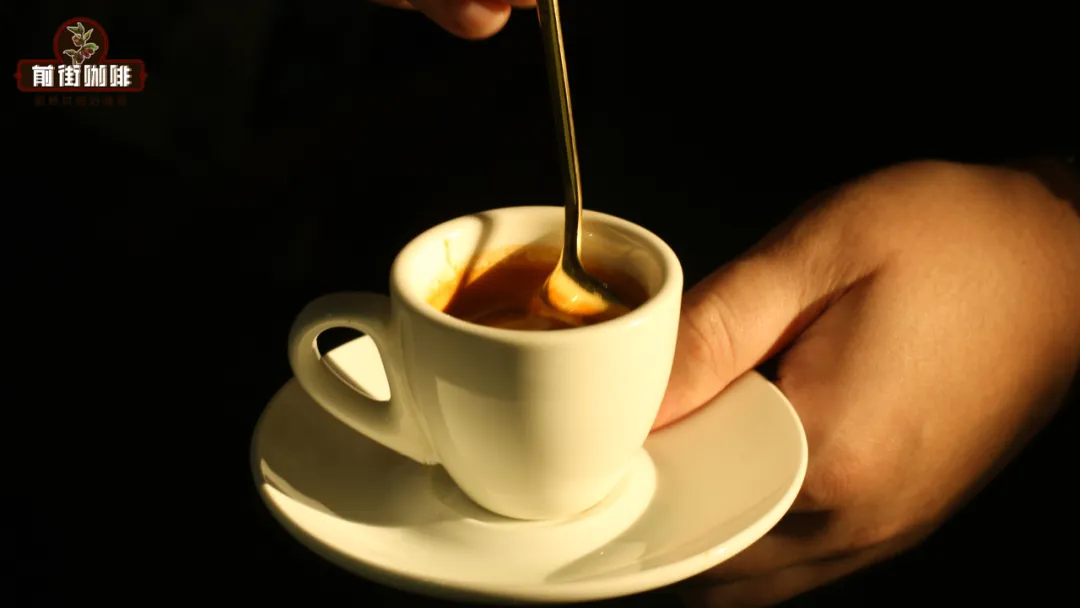
The reason espresso is often "treated specially" is not because of its pitifully small serving size, but because most people find its taste hard to accept. If you don't believe it, just ask the friends around you: when espresso is mentioned, the first word that pops into their minds is most likely "bitter." Because of this, loyal espresso fans are often veterans who have been steeped in the coffee world for years, or beginners who are currently immersed in coffee culture. The expressions on their faces when drinking espresso are also quite interesting: their brows furrow the instant it enters their mouths, then quickly relax, and gradually a look of intoxication appears. Trust me, the vast majority of people who love espresso look exactly like this.
So friends often come to Front Street with confusion and ask: espresso is so bitter, what exactly is good about it?
To be honest, it is a fact that espresso is bitter, but it also truly has something fascinating about it. Espresso actually has quite a few advantages. Many people only taste the bitterness, mainly because coffee culture started relatively late in China, and people here are not in the habit of drinking espresso, so naturally they do not know how to appreciate and enjoy this cup.
No worries. Today Front Street will talk about what advantages espresso has, and how we should understand and enjoy a cup of espresso well. Once you have mastered this knowledge and then taste it, you will discover—so bitterness can also be colorful...
Isn't this still bitter...
What advantages does espresso have?
When it comes to the advantages of espresso, one cannot fail to mention its extraction method—pressurized extraction. The reason espresso is so unique lies fundamentally in this distinctive extraction logic.
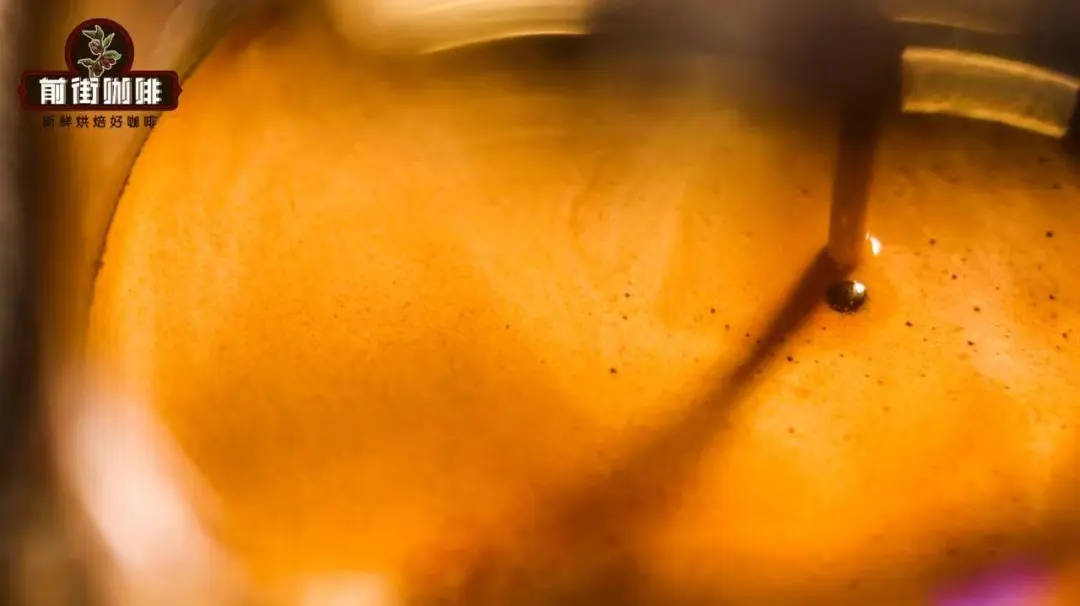
So-called pressurized extraction uses pressure to assist the coffee extraction process. This method not only greatly improves extraction efficiency, but also gives rise to advantages that normal-pressure extraction cannot achieve. The pressure used by a coffee machine during extraction is usually as high as 9 bar. It is precisely this high pressure that gives espresso what is called the "soul of espresso"—Crema, a layer of golden foam floating on the surface of the liquid, also known as "coffee oils."
(Note: It is called this only because it looks like oil; in essence it is just a layer of foam.)
Crema is a product unique to pressurized extraction. Under high pressure, the carbon dioxide released from the coffee grounds is wrapped by coffee oils and proteins, forming bubbles that are pressed out of the portafilter and blended into the coffee liquid.
This layer of bubbles is fine and rich, and its presence greatly enhances the mouthfeel of espresso. When tasting, the first thing we come into contact with is this layer of crema. Its dense, thick tactile sensation is exactly the unique experience it brings.
As Front Street said, besides proteins, what wraps carbon dioxide to form Crema are also the lipids in coffee (that is, the true coffee oils). Due to high-pressure extraction and the limited filtration precision of the portafilter, a large amount of the lipids from the coffee beans is dissolved out and enters the coffee liquid.
The addition of these oils, on the one hand, enriches the coffee's aroma, making it smell even more enticing; on the other hand, it also improves the mouthfeel and finish, making the coffee taste fuller and the aftertaste longer.
Of course, there is also the concentration of espresso. The extremely high extraction efficiency allows us to fully dissolve the flavor substances in the coffee in a short time without using too much hot water, thereby obtaining a cup of extremely high-concentration coffee.
Aroma and flavor are all concentrated in one small cup, so when tasting it you naturally enjoy the richest aroma and taste. But precisely because the concentration is so high, on the first try the taste buds are easily overwhelmed by the strong stimulation and cannot quickly distinguish the layers within, so they simply crush all the flavors together and send them to the brain. What the brain receives is then the most stimulating and prominent part, such as bitterness or acidity.
The above are the characteristics of espresso, and you can see that they are actually quite rich. If everyone wants to deeply experience the deliciousness of espresso, you might as well try a few small tips that Front Street often shares. These are also methods commonly used by coffee veterans when tasting espresso. They not only make espresso easier to drink, but also allow you to experience its characteristics more comprehensively. It really is very easy to become addicted to espresso.
Tip one: Drink a sip of water before drinking espresso.
Usually when we order espresso in a coffee shop, it comes with a glass of water. The purpose of this water is to let you "rinse your mouth" and clean the residue in your oral cavity.
As long as you take a sip of water before drinking espresso, your mouth will be cleaner and your tasting of the coffee flavor will be more accurate. At the same time, the concentration of the espresso will also be slightly diluted by the small amount of residual water, so it will not be too stimulating when you drink it, and you can better feel every aspect of the coffee.
Tip two: Stir it before drinking.
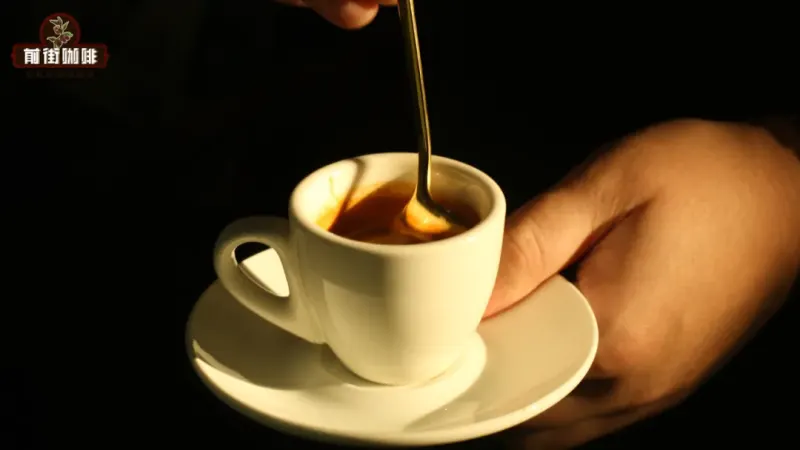
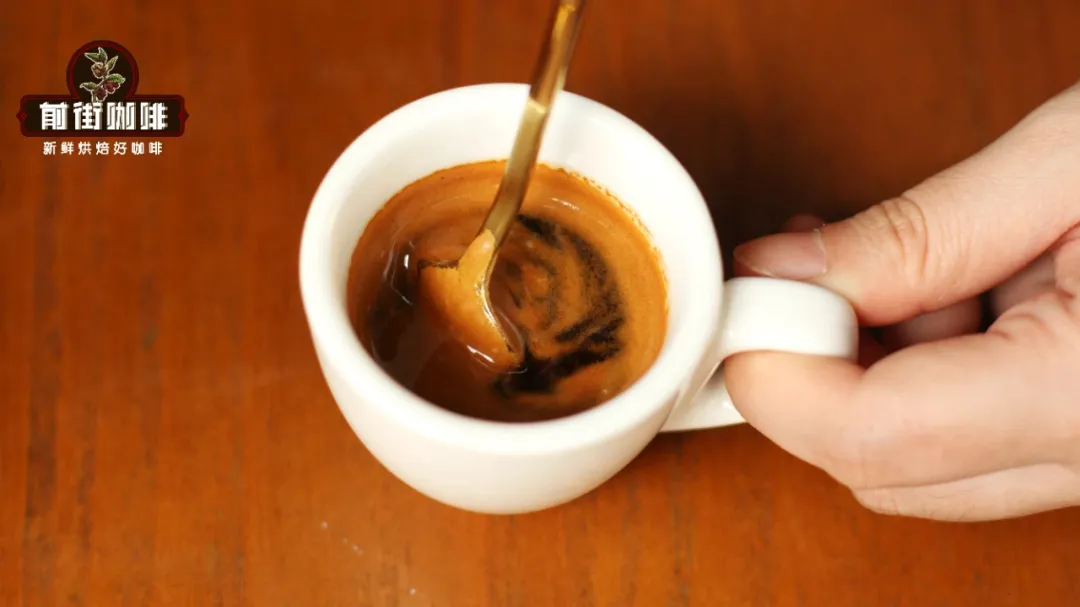
The second tip is to stir it with a spoon before drinking the espresso. The purpose is to reintegrate the separated coffee oils with the body of the coffee, so that the drinking experience is more harmonious.
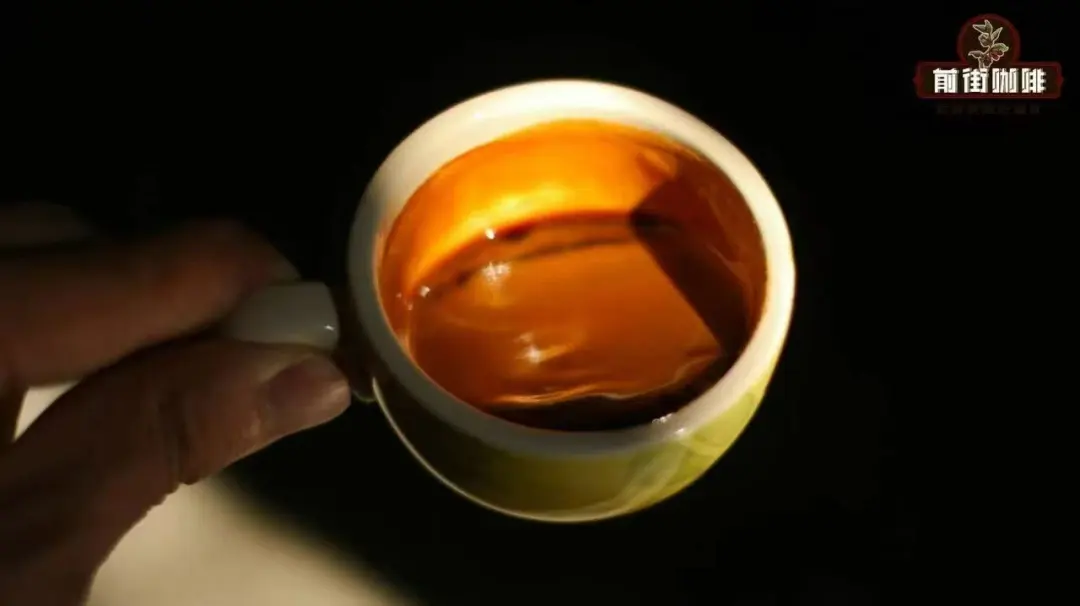
Tip three: Before drinking, wipe a ring of coffee oils around the rim of the cup.
After stirring, you can spread the espresso oils remaining on the spoon around the rim of the cup, in order to let your taste buds adapt to the taste of espresso in advance.
Compared with the coffee liquid, the flavor concentration of the oils is obviously lower. When we spread the oils around the rim of the cup, the first thing we taste is the oils, and the taste buds are stimulated in advance. After adapting, when we then drink the coffee liquid, we will not taste only bitterness, and the flavors hidden behind the bitterness will also become clearer. Of course, doing this can also appropriately improve the mouthfeel of the espresso as it enters the mouth.
Tip four: Take a few more sips.
If the oils cannot help you adapt to the coffee's taste in a short time, then Front Street suggests not pouring a large amount of espresso down in one go, but instead taking it in small amounts over multiple sips. The principle is the same as above: as we gradually adapt to the bitterness, we can better taste the coffee's original deliciousness.
Tip five: Use suitable coffee beans.
Of course, we can also make a cup of espresso that is not so strongly bitter from the very beginning. As long as the coffee beans chosen are neither too dark nor too light in roast level, the espresso will not have too prominent bitterness or acidity, and its palatability will be higher. For example, Front Street Italian Front Street Classic Blend from the Front Street bean list is a very good choice.
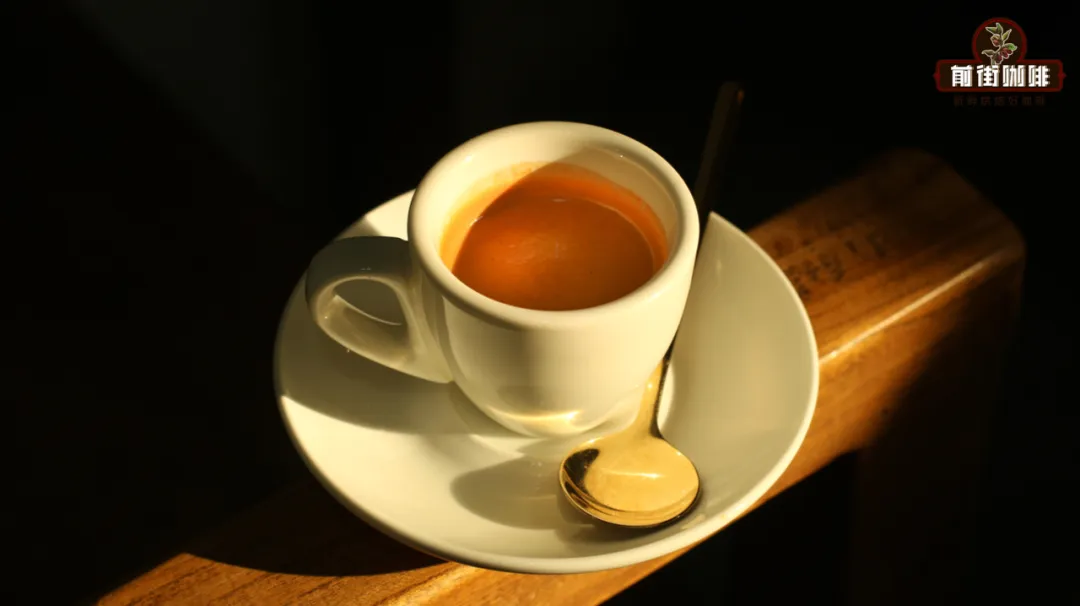
Front Street Italian Front Street Classic Blend from the Front Street flagship store is made by blending richly flavored Mandheling with mild-tasting Brazil, and also adds some Robusta. Roasted to a medium-dark level, the coffee it produces is strong but not bitter, with rich aromas of chocolate, hazelnut, cream, and caramel, and a soft, mellow mouthfeel. The addition of a small amount of Robusta not only makes the crema thicker, but also makes the layers and mouthfeel richer, making it very suitable for making all kinds of espresso drinks.
So the above is all the content shared by Front Street this time. By the way, besides drinking espresso straight, it is also suitable to drink with a small amount of granulated sugar added. If espresso is still too bitter for you, then you might as well add some granulated sugar. This can not only balance its bitterness, but also make the mouthfeel smoother, and the espresso will become easier to drink because of it.
- END -
The above content is compiled by CoffeeHunters, a coffee news website.


