







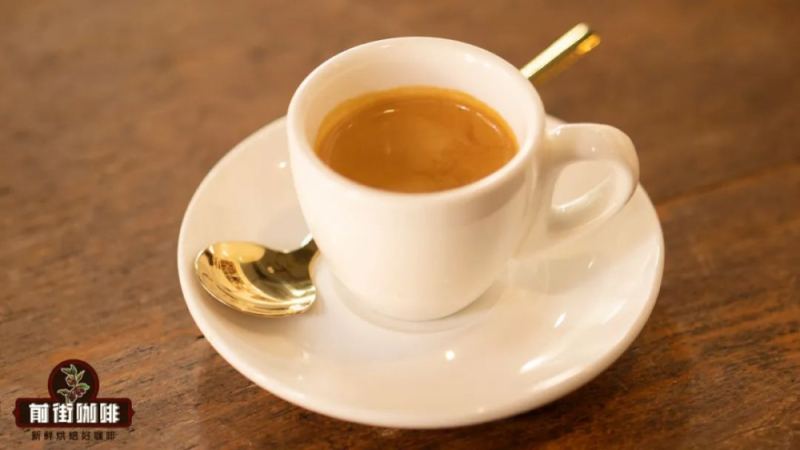
Why Is an Americano Bitter Because of the Crema?
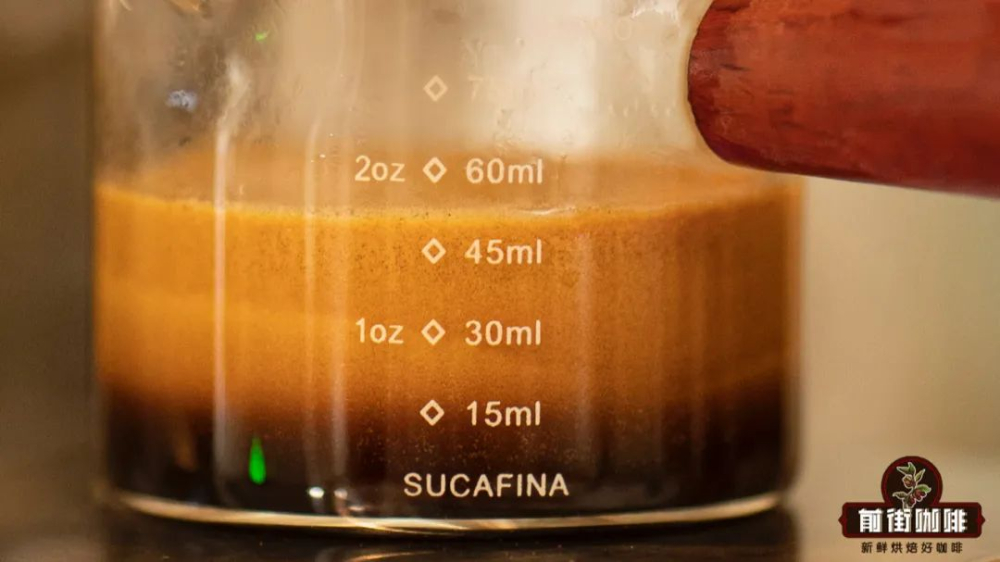
The golden crema on espresso is a concentrated source of bitterness, and it carries over into an Americano when the foam is left in. Under about 9 bar of pressure, carbon dioxide trapped in the coffee has no time to escape and is forced into the insoluble oils that form the foam, so tasting the crema alone can be more bitter than the liquid beneath it.
Japanese researcher Hidehiro Tanbe found that removing the surface oils greatly reduces the unpleasant flavors, and WBC champion James Hoffmann holds a similar view, noting the crema is easier on the eye than the palate. A comparative test showed an Americano with the oils removed had noticeably less bitterness, which points to skimming or stirring the crema before drinking.
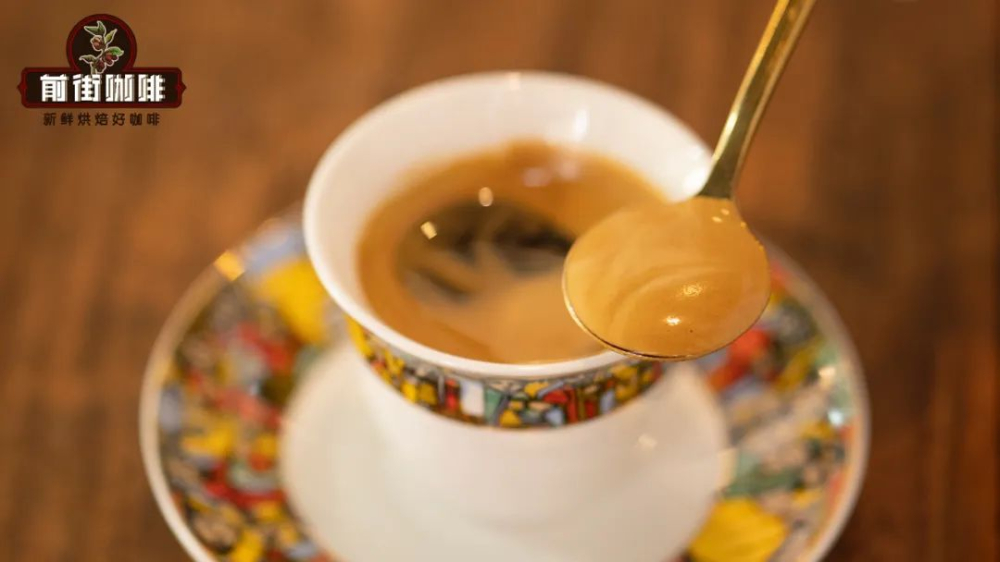
The golden foam on the surface of espresso is often called the "soul" of coffee, but when tasted on its own, that intense bitterness often catches people off guard—it can even be more bitter than the coffee liquid beneath it. Japanese coffee researcher Hidehiro Tanbe once pointed out that after removing the surface oils, the unpleasant flavors in espresso are greatly reduced; WBC champion James Hoffmann holds a similar view, believing that although Crema is pleasing to the eye, it is not necessarily pleasant on the palate. Front Street Coffee previously conducted a dedicated comparative experiment confirming that the bitterness of Americano with the oils removed is indeed noticeably reduced. That being the case, where exactly does the bitterness of this layer of oils come from? And why does it still captivate so many enthusiasts? This article will examine extraction principles, the causes of bitterness, aroma, mouthfeel, and aftertaste to help you rediscover espresso's crema and offer more suitable tasting approaches.
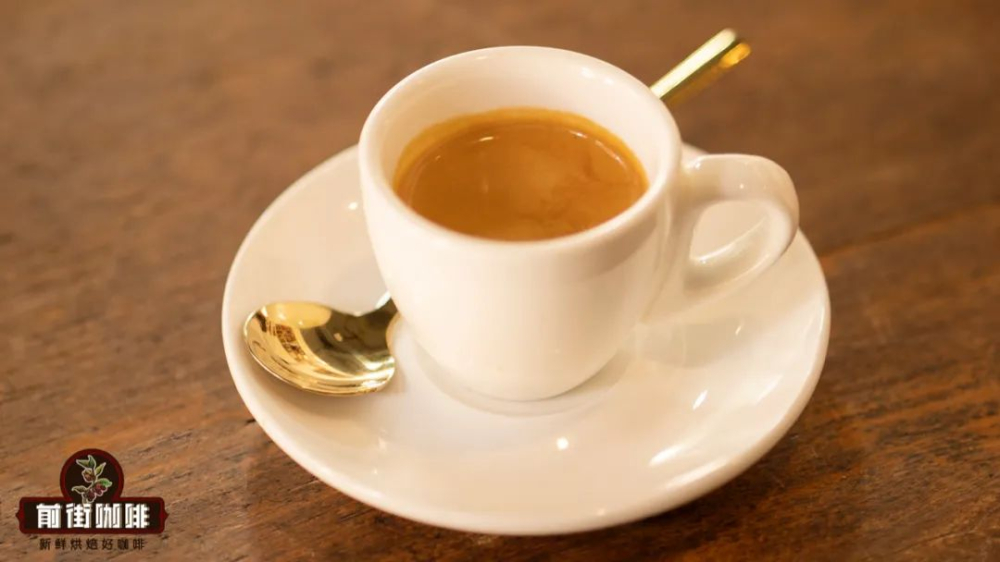
Many people call that golden foam on the surface of espresso its "soul," but once you taste it on its own, you discover that this layer of foam carries a heavy bitterness—even more bitter than the coffee liquid below. Japanese scholar Hidehiro Tanbe once expressed this view: after removing the surface oils, the unpleasant flavors in espresso drop significantly. WBC champion James Hoffmann holds a similar view, believing that although Crema looks outstandingly beautiful, it is not quite so appealing to drink.
For this very reason, Front Street Coffee conducted a dedicated test two months ago—"Would Americano be better tasting with the crema removed?" The experiment ultimately showed that Americano with the oils removed had noticeably less bitterness. All of this confirms that the crema on the surface of espresso is itself one of the components bringing bitterness. So the question arises: since it is on the bitter side, why do so many people still adore it?
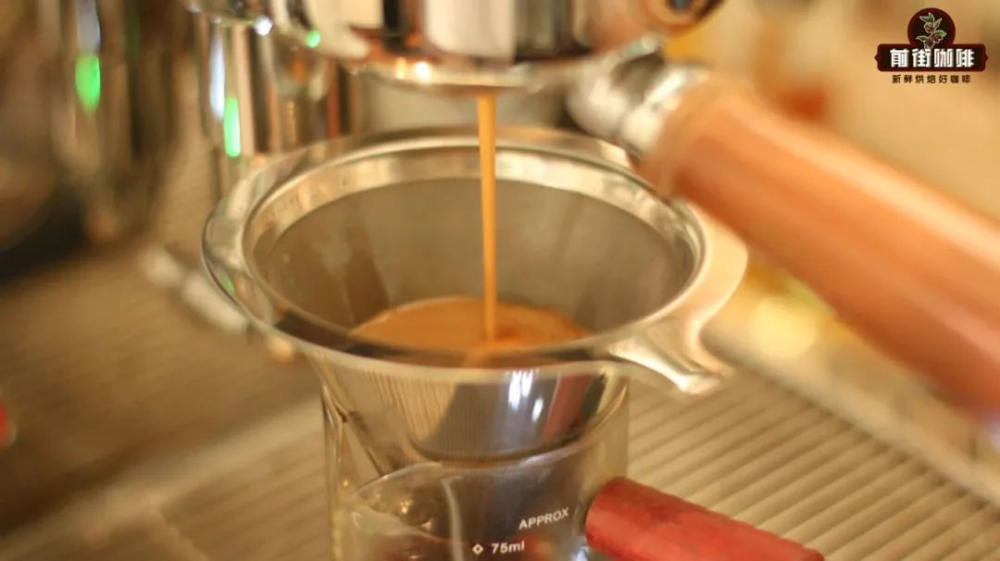
First, let's look at where the bitterness of this layer of foam actually comes from. Espresso is made by rapidly extracting very finely ground coffee powder with hot water under about 9 bar of pressure in a short time. During extraction, the carbon dioxide stored inside the coffee beans has no time to escape and no smooth channel out, so it can only be forced by pressure into the insoluble oils in the coffee, then flows out from the bottom of the portafilter along with the coffee liquid, ultimately forming a golden floating foam on the surface of the espresso. In this layer of foam, besides insoluble oils and carbon dioxide, there is another thing hidden—"espresso micro-fines." These are much finer than the fines in pour-over coffee, and these micro-fines carry a strong burnt bitterness, which is the main source of the crema's burnt bitter taste.
If you are drinking espresso for the first time, you will likely be like Mr. Lu: before the crema touches your lips, through books and films you have built up many beautiful imaginings about that golden foam, but once it truly hits your mouth, those fantasies are shattered in an instant. So why do some people still like it? After all, bitterness is just a minor shortcoming—we cannot let this one point blind us to its many other strengths.
In terms of aroma: espresso with and without crema smells completely different. The crema contains coffee's volatile aromatic substances, and these components continuously volatilize as the crema gradually dissipates, and our sense of smell happens to be able to capture them. Therefore, espresso with the crema retained has a fuller and richer aroma.
In terms of mouthfeel: just as brewing with a flannel filter yields a fuller body than paper filtration, the reason is that flannel has larger pores, allowing oils to pass through and thereby enhancing the coffee's mouthfeel. The same principle applies to espresso.
In terms of aftertaste: beyond aroma and mouthfeel, the crema also provides a more lasting aftertaste experience. After swallowing, the lingering fragrance filling the mouth is especially clear. But once the crema is skimmed off, whether you drink the espresso straight or make it into an Americano, the aftertaste experience is greatly diminished.
So although the crema is bitter, it still has many devotees—and this is precisely why. Of course, the final choice still depends on you—whether you pursue richer layers of expression or want to reduce the negative bitter experience, it is entirely up to personal preference.
Front Street Coffee
No. 10, Bao'an Qian Street, Yandun Road, Dongshankou, Yuexiu District, Guangzhou, Guangdong Province
The above content is compiled by CoffeeHunters, a coffee news website.


