








How Do Espresso Coffee Beans Affect the Crema Layer?
Crema is the golden foam on top of an espresso, formed when carbon dioxide dissolved in the coffee liquid escapes as pressure returns to normal. Its quality depends mainly on bean freshness, roast depth and extraction pressure. A well-pulled shot shows a layer roughly one-third of the total liquid volume, golden in color, smooth and fine, without coarse bubbles.
Darker roasts retain more gas from roasting, so fresh dark-roasted espresso coffee beans tend to produce a fuller crema. Blends built on arabica beans often balance sweetness with structure, while a share of robusta adds body and a more stable foam. Front Street offers several espresso blends in different styles for home setups, alongside guidance on pressure and extraction technique.
That golden, dense layer of oils on the surface of an espresso, known as Crema, is regarded by many coffee lovers as the soul of a good espresso. Where exactly does this layer of foam come from, and what conditions affect it? Simply put, Crema is a layer of tiny bubbles formed when carbon dioxide is released from the coffee liquid during high-pressure extraction, and its quality is closely related to the freshness of the coffee beans, the roast depth, and the extraction pressure. An ideal espresso has an oil layer about one-third the total volume of the coffee liquid, golden in color, and smooth and fine on the surface with no coarse bubbles. This article will analyze three aspects: the freshness of the coffee beans, the bean blends suitable for extracting oils, and pressure conditions, and recommend a variety of espresso blend beans with different styles from the Front Street brand, helping you consistently extract satisfying oil performance at home.

Espresso is a richly layered, intriguing drink, and its surface is often covered with a golden layer of foam that the industry calls Crema. For many coffee lovers, Crema is almost synonymous with the soul of espresso; without it, the entire cup seems to lose its proper spirit, so people always try every possible way to make this layer of oils appear more ideal.
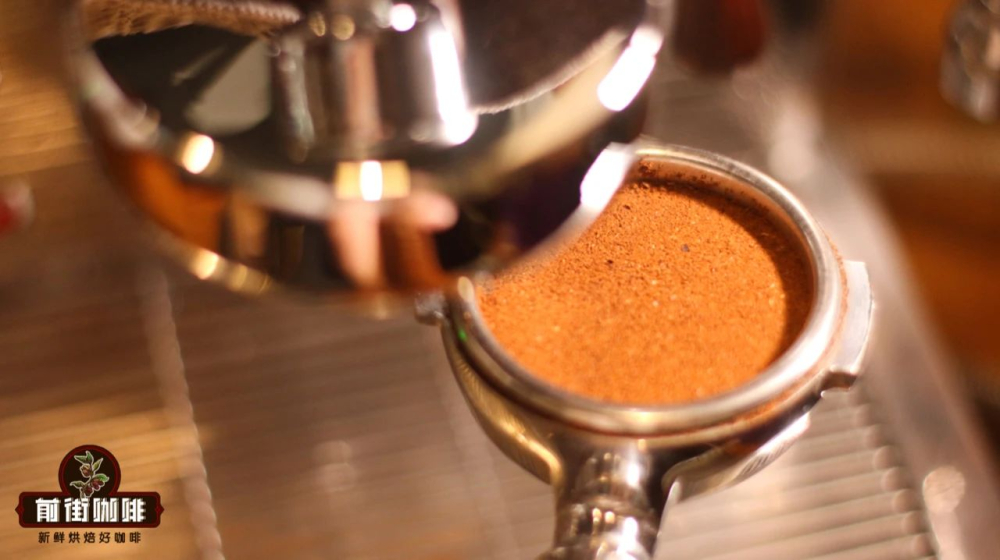
Crema is born during the espresso extraction process. When water is in a high-pressure environment, it can dissolve more carbon dioxide than under normal pressure, and this carbon dioxide comes from gases generated and accumulated in coffee beans during roasting; the darker the roast, the greater the amount of gas the beans retain. When the extracted coffee liquid flows into the cup and the pressure returns to normal, these gases rush to escape from the liquid, turning into countless tiny bubbles, which are wrapped by the coffee liquid and finally form a relatively stable layer of foam.
A qualified espresso should have an oil layer about one-third of the total coffee liquid, golden in color, smooth and fine on the surface, and should not have large bubbles. To obtain such a perfect espresso crema, the key is to use fresh dark-roasted coffee beans, maintain sufficient extraction pressure, and master the proper extraction technique.
I. Coffee beans must be fresh
An excellent espresso cannot be made without a bag of freshly roasted, high-quality coffee beans. Once coffee beans have been stored for more than two months, those precious aromas and essences have basically dissipated completely; moka pot coffee made with such beans shows almost no oils, and the taste is hardly good. Therefore, the first thing we need to do is confirm that the coffee beans are freshly roasted, and it is best to choose products with a roast date within 10 days.
Front Street Coffee's coffee beans are all freshly roasted within 5 days, with stable and reliable quality, quite competitive prices, and a promise of shipment within 24 hours, so when you receive them, the beans are still in a very fresh state, and the tasting period is naturally longer.
II. Which kind of coffee beans are suitable for extracting espresso oils?
As is well known, Arabica beans are known for their sweet and fragrant flavor, while Robusta beans have a roasted aroma and a strong mouthfeel, but the latter has a richer oil content than the former and a stronger body. For this reason, Italians, who prefer mellow and bitter espresso, are accustomed to blending a small amount of Robusta varieties into Arabica beans; in this way, when extracting espresso, the amount of oils and the rich mouthfeel can be significantly improved, and the flavor often presents descriptions such as hazelnut, butter, chocolate, cocoa, cream, nuts, and caramel. We can choose according to these directions.
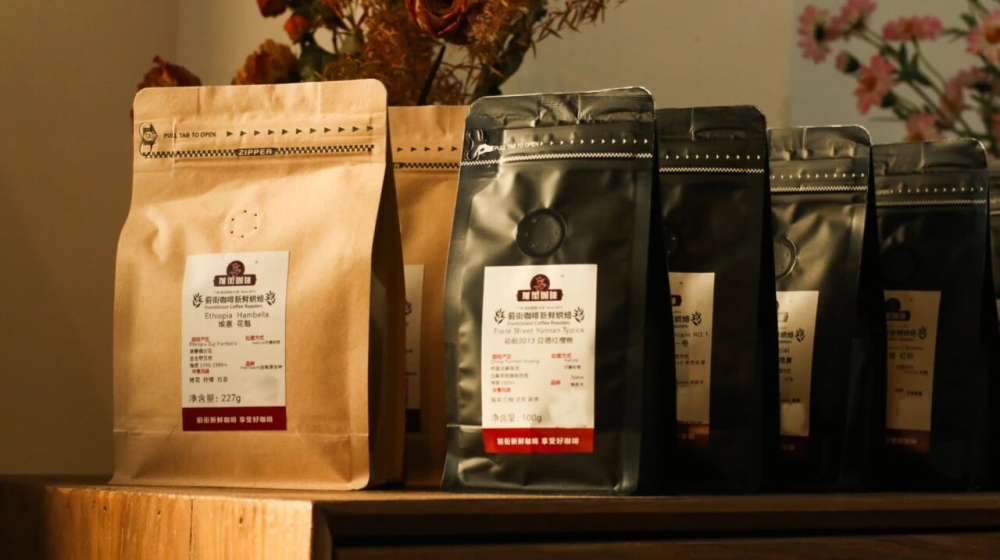
I. Rich oils style — Front Street Classic Blend Coffee Beans: This espresso bean combines the flavor characteristics of Mandheling, rich oils, and nutty aromas. It is composed of Indonesian Mandheling coffee beans, Brazilian semi-washed coffee beans, and Vietnamese washed coffee beans, presenting flavors of nuts, dark chocolate, and caramel.
II. Full-bodied and intense style — Front Street Commercial Blend Coffee Beans: This is an espresso bean centered on body. It is blended from washed Robusta beans, washed Colombian beans, and Brazilian semi-washed beans, with flavors of nuts, cocoa, and caramel, and outstanding body.
III. Slightly acidic and full-bodied style — an espresso coffee bean recommended by many baristas · Front Street Black Cocoa Blend Coffee Beans: This bean achieves a balance among acidity, sweetness, and bitterness, with a balanced mouthfeel. It is composed of Yunnan washed small-bean coffee and Brazilian semi-washed coffee, showing soft fruit acidity along with caramel and nutty flavors.
IV. Nutty melody — Front Street Specialty Blend Coffee Beans: This coffee is made from a combination of Brazilian semi-washed coffee and Colombian washed Huila, offering both a creamy, nutty profile and full-bodied dark chocolate and caramel aromas, making it suitable for Americanos or lattes.
If you have already chosen dark-roasted espresso coffee beans and confirmed the freshness of the beans, but still cannot extract a satisfactory oil state, then the problem is very likely that the coffee machine does not have enough pressure. Recall the concept of oils mentioned earlier: Crema is essentially a product of a pressurized environment. As long as the pressure is sufficient, even coffee beans with a lighter roast degree can extract a certain amount of oils.
If, when extracting blend beans designed specifically for espresso, you still cannot obtain the ideal oil performance, it is recommended to first check whether the extraction pressure is up to standard, or consider upgrading to an espresso machine with commercial capability.
The above content is compiled by CoffeeHunters, a coffee news website.


