








What are you actually tasting in a cup of espresso?
Espresso is a concentrated shot pulled under pressure, and its pleasure comes from structure rather than from a single flavor. Crema, the brown layer on top, forms from carbon dioxide produced during roasting plus the coffee's oils, and it adds a creamy texture and body. Below it sits a light film of oil, a visible sign of the coffee's natural sugars.
A machine applies roughly 9 bar to the puck, so water becomes supersaturated with carbon dioxide and emulsifies the fats, which then float up as crema. The soluble substances in the beans complete the three-part build. Tasting advice includes stirring the shot before drinking and letting it cool, which opens up flavors that heat masks.
Many people encountering espresso for the first time wonder: what exactly are you drinking in such a bitter little cup? In fact, the pleasure of espresso lies in its structure—the surface crema, the attached coffee oils, and the soluble substances in the coffee beans together create a rich, layered experience. This article starts from the extraction practices at FrontStreet Coffee, breaks down the three major components of espresso, introduces the recipe, roasting curve, and extraction parameters of the Warm Sun blend, and finally offers tasting suggestions such as stirring and cooling, helping coffee lovers truly understand this cup of Italian coffee.
Espresso is no stranger to coffee enthusiasts; the base of many milk-based coffee drinks is precisely the concentrated liquid extracted under pressure by an espresso machine, then blended with milk. Some beginners also ask FrontStreet Coffee: can espresso be drunk directly? In such a bitter little cup, what exactly are you supposed to taste?
Let's start with the composition of espresso.
Espresso component 1: Crema
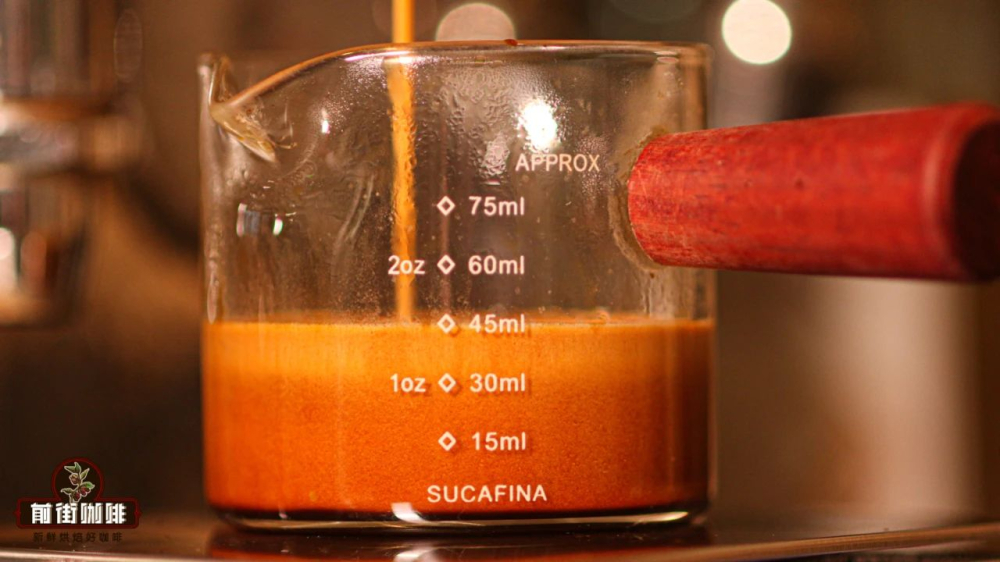
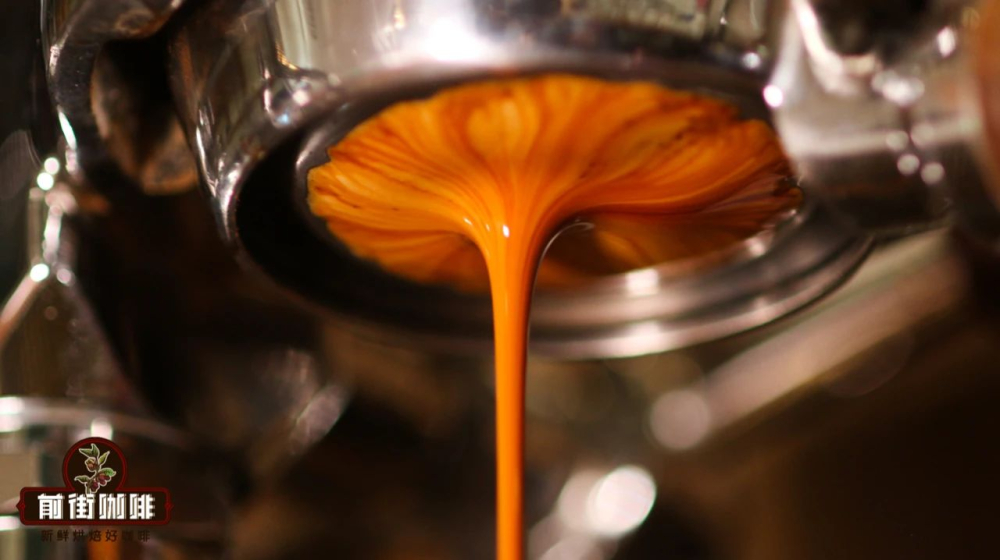
Once an espresso shot is extracted, the first thing that catches the eye is the brown crema on the surface. It is formed by the carbon dioxide generated inside the coffee beans during roasting, together with the oils contained in the coffee. Crema occupies an important place in espresso, bringing a pleasing creamy texture and enhancing body. The crema of coffee is mainly composed of carbon dioxide and the insoluble oils in the coffee grounds.
When a FrontStreet Coffee barista extracts with a Pegasus espresso machine, the machine applies about 9 bar of pressure to "squeeze" the coffee puck. Because the pressure is so high, the water becomes supersaturated with carbon dioxide, which cannot be released smoothly and can only dissolve directly into the coffee liquid. This process also emulsifies the fats in the coffee; the fats wrap around the carbon dioxide and, being lighter than water, gradually separate into layers, so the golden crema floats to the surface, very pleasing to the eye.
Espresso component 2: The oil
After removing the topmost crema, FrontStreet Coffee notices that a light film of oil remains on top of the coffee; this is actually a manifestation of the natural sugars in the coffee. According to food scientists, during roasting the sugar molecules break down at 190°C, bringing the coffee into a caramelization reaction. When coffee is roasted properly, a natural sweetness is generated within it.
Espresso component 3: The coffee solids
About 30% of a coffee bean is soluble substances, and the remaining 70% is woody fiber. This 30% of solubles includes sour molecules, sweet molecules, and bitter substances. The order in which flavors are extracted is roughly acidity—sweetness—bitterness.
Now that we understand the composition of espresso beans, how does FrontStreet Coffee extract espresso?
We first extract using a FrontStreet Sunflower Warm Sun espresso bean blend of Ethiopian natural Red Cherry coffee beans and Honduras whisky-barrel Sherry coffee beans, in a ratio of 7:3. Seventy percent Honduras Sherry barrel coffee beans provide flavor and body for this blend, while thirty percent natural Yirgacheffe brings more aroma and acidity.
How does FrontStreet Coffee roast this Warm Sun blend?
When roasting this bean, the FrontStreet roaster uses a stepwise heat reduction method, allowing the beans to develop in sync during roasting. The beans are charged when the drum temperature rises to 210°C, with the damper set at 4, heat at 200, turning point at 1'30", temperature 92°C; when the drum temperature reaches 140°C, the damper is opened to 6; at this point the bean surface turns yellow, the grassy smell completely dissipates, and the dehydration phase begins; when the drum temperature reaches 180°C, the heat is adjusted to 10 and the damper opened to the maximum 10. At 9'30", rough wrinkles and dark patches appear on the bean surface, and the toast smell clearly turns into coffee aroma, which can be regarded as the prelude to first crack; at this point you must listen carefully for the sound of first crack; first crack begins at 10'38", develops for 3'40'' after first crack, and the beans are dropped at 197.5°C.
How does FrontStreet Coffee extract this Warm Sun blend?
Pressure: 9 bar
Temperature: 90.5~96°C
Time: 20~30 sec
Dose: 20g (double espresso)
Yield: 40ml
Extracted espresso flavor:
Smooth mouthfeel, medium body, noticeable fruit acidity on the palate, accompanied by faint berry aroma and whisky aroma, rich chocolate flavor, with a clear sweet aftertaste.
How do we go about tasting a cup of espresso?
After extraction is complete, as the coffee liquid sits, the crema on top covers the surface, and the coffee begins to separate into layers in the cup. Therefore FrontStreet suggests stirring to reincorporate all the layered solubles in the cup, thereby achieving a more balanced and complete flavor experience. Stirring and letting the coffee cool slightly helps further awaken the coffee's flavors and also prevents the first sip from tasting too bitter.
What is the point of drinking espresso?
Compared with pour-over coffee, espresso is characterized by intense flavor and a fast pace; it is hard to distinguish the changes at high, medium, and low temperatures as you would with pour-over, since it is finished before it even cools down. The high concentration created by FrontStreet Coffee through a lower coffee-to-water ratio and high-pressure extraction makes espresso taste rich and intense.
In addition, because espresso is extracted under high pressure, it produces a unique product, "crema," which also gives espresso its distinctive mouthfeel. So when drinking espresso, we tend to savor its touch, mouthfeel, aroma, and finish, supplemented by a few distinct flavors.
The above content is compiled by CoffeeHunters, a coffee news website.


