







How Do You Choose and Use Coffee Filters at Home?
Paper filters give the cleanest cup because they trap coffee oils and fine sediment, metal filters let more oils and body through, and cloth filters sit between the two while needing thorough rinsing. Bleached paper looks white, unbleached paper stays light brown, and unbleached versions can add a papery taste if the filter is not rinsed first.
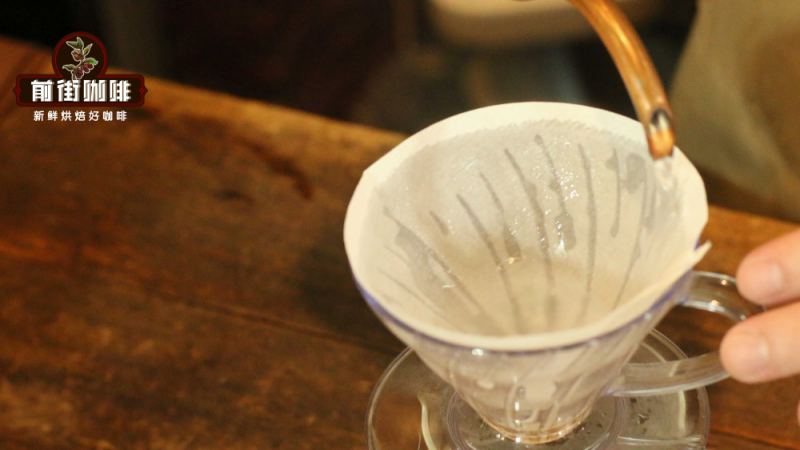
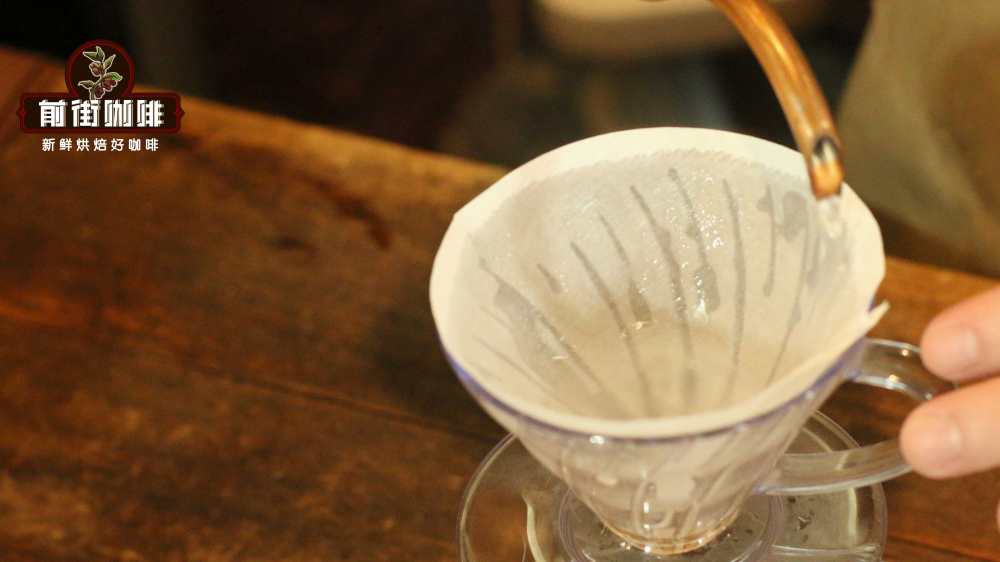
Rinsing the filter with hot water before brewing removes paper flavor and preheats the dripper. Cone-shaped paper filters vary in weight and feel, and those differences affect flow rate and extraction. Drip bags and flannel cloth filters are the other common options, each trading clarity for body in a different way.
When brewing coffee at home, how do you choose between paper filters, metal filters, and cloth filters? This article starts with the difference between bleached and unbleached paper filters, explains why rinsing the filter is necessary, and lists the weight and feel references for several common cone-shaped paper filters. It also compares the pros and cons of metal filters, flannel cloth filters, and drip bags. Whether you’re after a clean, crisp taste or want to retain more coffee oils and original flavors, you’ll find a filtration solution that suits you here, avoiding detours in your purchasing decisions.
How to choose coffee filters? How to use coffee filters? What types of coffee filters are there?
Many people are used to buying their own coffee beans, pairing them with a grinder, and then picking out a few handy tools to brew coffee at home, often choosing the most familiar and convenient filtration method. Below, we compare paper filters, metal filters, and cloth filters. These types of equipment are both easy to use and beginner-friendly, making this a simple guide for newbies selecting pour-over gear.
Coffee Filters
Using a paper filter in drip coffee allows hot water to more evenly and fully saturate the coffee grounds, extracting the essence and resulting in a purer taste.
How to choose coffee filters?
Bleached vs. Unbleached Filters
Coffee filters are mostly made from wood, and after the wood pulp is cooked, it usually has a brownish color. It takes several bleaching processes to turn it white.
The differences are roughly as follows:
1. Bleached: The filter undergoes bleaching, making it look whiter.
2. Unbleached: The filter is not bleached, so its color is closer to light brown.
Simply put, paper filters are mainly used for drip coffee. You put ground coffee in them, let the extracted coffee liquid filter into the cup, and they also trap some coffee oils, resulting in a cleaner cup. High-quality filters can remove impurities, making the coffee taste smoother and the aroma clearer.
Pros: Convenient, disposable, and you can switch brands anytime; produces a clean taste; fewer impurities and off-flavors.
Cons: Paper consumption isn’t very eco-friendly; unbleached versions may carry a papery taste; after oils are filtered out, the coffee lacks body and tastes cleaner. In daily brewing, you can also refer to some shared experiences to try brewing a balanced coffee with oils.
Although we often compare bleached and unbleached, this isn’t the only difference between filters. Filter quality is also key to keeping equipment clean and controlling flow rate—easy to say, but it has a big impact.
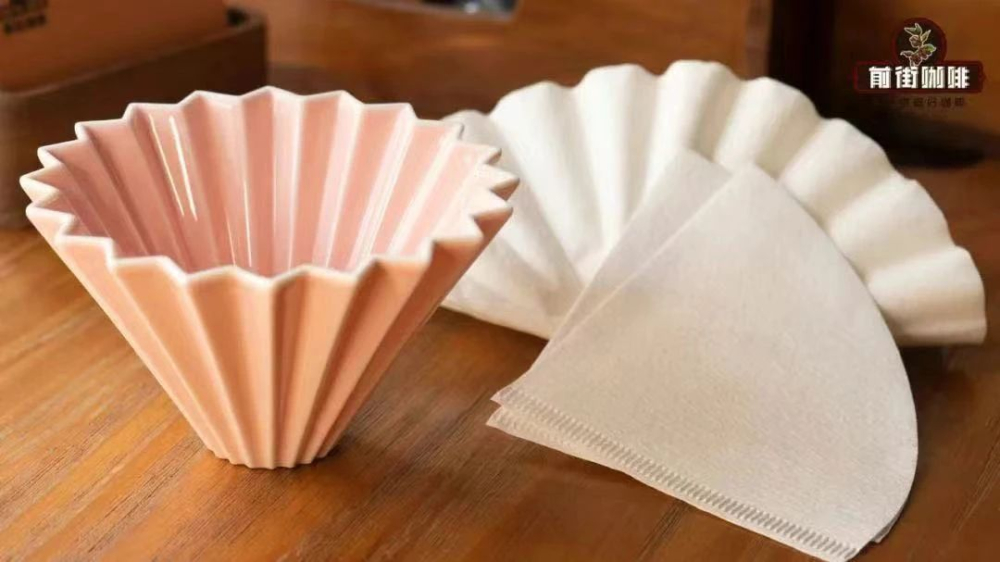
Also, be sure to choose a filter that matches the size of your dripper, and pay attention to thickness and density—too thin and sparse, water flows too fast; too thick and dense, it filters out more coffee oils, like the kind used for Chemex.
So should you rinse the filter or not? To wash or not to wash, that is the question…
For beginners, a standard routine is to fold the filter, rinse it, and warm the dripper—just follow that. But some experienced Japanese brewers don’t rinse the filter, so some people wonder: “Why must I rinse the filter?”
No worries, let’s break it down:
1. Remove papery taste
We introduced bleached and unbleached filters earlier. Unbleached filters aren’t rinsed, so the woody pulp taste is still strong and needs rinsing. For bleached filters, the residual papery and bleaching tastes vary by brand; high-quality filters are indeed processed very cleanly, so rinsing makes little difference.
2. Fit with the dripper
Rinsing the filter helps improve the fit between the filter and the dripper, working with the dripper’s ribs and brewing principles. But in most cases, not rinsing and brewing directly results in a poorer fit compared to preheating and pre-rinsing.
3. Filter absorbs oils and initial extract
If you don’t rinse the filter before brewing, it will absorb some water and oils during the blooming stage and may also introduce some questionable off-flavors.
So for the integrity of extraction flavors, rinsing the filter is more appropriate.
[Common Filter Parameters]
Introduction to 11 Cone Filters
hario VCF-01-40W, hario bleached version, soft texture, no obvious papery smell, but there are many counterfeits on the market, so be cautious when buying. 0.6-0.8g per sheet
hario VCF-01-40W, hario unbleached version, also soft, with no obvious papery smell, but it smells slightly different from the bleached version. Don’t ask me what “smell” means—I’m just that sensitive. 0.8-0.9g per sheet
kono MD-25, a popular filter used by many coffee shops, colorless and odorless, slightly harder than hario. 0.9-1g per sheet
kono MD-25, same model as above, but this is the unbleached version, a bit harder than the bleached, with a very faint papery smell. 0.9-1g per sheet. kono MD-26c, cotton, very hard texture, the inside of the filter is very smooth, and for some reason it has a slight aroma. 1.2-1.3g per sheet
mola bleached filter, colorless and odorless, rumored to be OEM’d by the Sanyo factory and made on the same machines as kono—hard to verify, but the texture is similar, and it’s genuinely good value. Anyway, let’s look at the data. 0.9-1g per sheet
mola unbleached version, also no obvious smell, feels quite soft, and other aspects are similar to the bleached version above. 0.9-1g per sheet
mola hemp filter, slightly harder than the other two from this brand, no obvious smell, but somehow has a fresh scent. 0.8-0.9g per sheet
kinto SLOWstyle, harder texture, feels thicker, coarse texture, also a cotton filter, and similarly has a special aroma. 1.1-1.2g per sheet
National brand bonavita, no obvious papery smell, but very hard, with sparse texture, feels like notebook paper. 1-1.2g per sheet
Kanazawa-ya cotton filter, the last cotton filter, still has a subtle fragrance, but lighter than the previous two cotton filters, relatively lightweight, medium-hard. 1.2-1.3g per sheet
Metal Coffee Filters
Metal filters eliminate the need for less eco-friendly paper filters. After use, just clean them and they can be reused, and stainless steel is durable and sturdy.
Tip: After use, gently brush with a clean toothbrush, then use food-grade baking soda to remove oils, so it won’t affect the taste of your next brew. Metal filters allow oils to be extracted, giving a fuller taste closer to the original flavor of the beans. In blind tests, you can taste the difference from paper filters.
Pros: More eco-friendly, reusable after rinsing; lets you taste the original coffee flavor with a fuller body.
Cons: Fine particles can cause over-extraction, leading to excessive bitterness; fine particles pass through the mesh into the coffee, possibly giving a gritty mouthfeel.
//
Cloth Coffee Filters
Usually used for flannel cloth filters and Siphon brewers, the tricky part is cleaning and storage. If you don’t thoroughly wash the oils off the cloth, over time it affects the taste; after washing, you need to soak it in water and store it in the fridge. Not being able to use it multiple times in a day is a hassle. The brewed coffee falls between metal and paper in taste, balancing the advantages of both.
Tip: Cleaning and storing the cloth must be done properly, otherwise it may develop a rag-like smell; using baking soda for cleaning is recommended. Flannel cloth filters have better permeability and heat retention, resulting in a more saturated and rich aroma and taste.
Pros: Fibers are coarser than paper, oils adhere, allowing water and coffee to interact and blend for a longer time.
Cons: Hard to store, time-consuming and labor-intensive; requires more practice and skill.
Comparison of Three Filtration Methods
Each has pros and cons. Paper filters are just a small part of brewing coffee, and there are many factors affecting taste. Each type of filter also varies in taste due to different flow rates, so try several. If you like the original coffee flavor, consider cloth filters and metal filters more, as they retain more oils and original taste; if you prefer a clean, crisp taste, use paper filters.
Making a cup of drip coffee isn’t hard, but making a good cup of drip coffee isn’t easy either. Like espresso, many variables need to be controlled. The filter is one variable, along with water quality, pouring amount, drip time, grind size, etc. You need to manage each variable, constantly adjust, and ultimately find the experience your taste buds desire.
We at Front Street Coffee still prefer this KONO coffee filter drip pour-over paper. It fits any cone-shaped dripper, whether it’s a hario V60 or a KONO dripper. The Japanese-imported KONO filter has a medium texture—neither too thin nor too thick—with medium-strong permeability, and it fits the dripper perfectly when pouring.
Drip Bag Coffee
Finally, let’s introduce a more convenient type of filter—the drip bag.
The coffee powder in drip bags is ground from freshly roasted coffee beans, maximizing the retention of the original flavor, and it’s usually hot-extracted.
Because there will be coffee grounds, you need a filter bag!
//
Filter Bag Material
This material is called a degradable non-woven filter bag.
The inner layer of the drip bag has a mesh filter layer like this, and these holes serve to even out the flow rate of the coffee.
When hot water seeps through the coffee grounds, it extracts the essence and oils, and finally the coffee liquid seeps evenly through the filter holes.
Grind size: Based on this design, the grind can’t be too fine—close to the size of granulated sugar.
There’s also a type of bagged coffee on the market, similar to tea bags. It’s made by grinding freshly roasted coffee beans and packaging them in disposable filter bags by the cup, creating convenient coffee packets. The material is like tea bags, mostly non-woven fabric or gauze, and this material needs to be steeped.
Four steps: tear, hang, pour, remove.
A warm, aromatic cup of coffee is ready.
The above content is compiled by CoffeeHunters, a coffee news website.


