







Search Results for: Northeast Big Flower

Mixue Ice Cream & Tea Sets Off Another Northeast Floral Fashion Wave: Floral Cotton Jacket Merchandise Launches, Regional Exclusivity Sparks Controversy
In the depths of winter, Mixue Bingcheng has once again become a hot topic thanks to its "Northeast Big Floral" elements. The brand launched a series of fridge magnets featuring floral padded jackets and crispy fries merchandise, drawing consumers in with rich Northeastern flair. However, unlike last year's nationwide campaign, this year only certain regions can participate, sparking discontent among southern consumers. At the same time, out-of-stock merchandise has also hurt the experience for some customers. This article sorts through the details of Mixue Bingcheng's marketing campaign, the cultural background of the Northeast Big Floral, and the current state and hidden concerns of merchandise promotions in the new tea beverage industry. [more…]
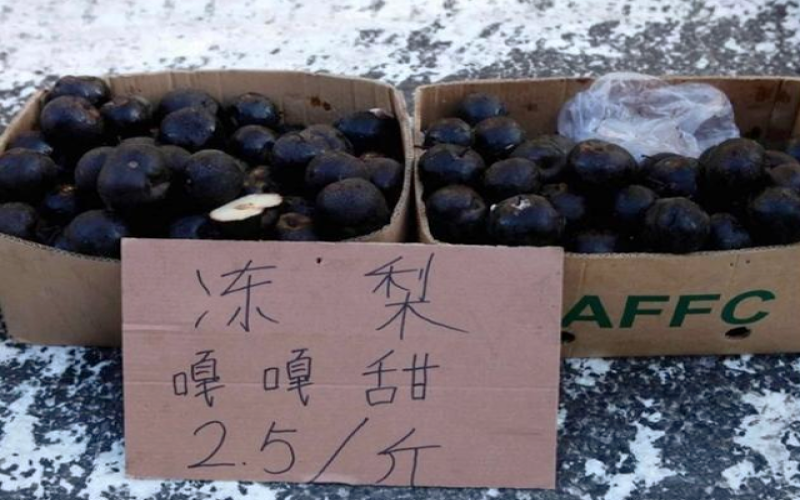
Luckin's launch of Frozen Pear Americano sparks heated discussion; netizens say its taste is comparable to rock sugar snow pear
In the depths of winter, the Northeastern specialty frozen pear has once again become a focal point—this time, it has sparked a new trend by colliding with coffee. KFC, Nestlé, and Luckin Coffee have all coincidentally launched frozen pear coffee series, among which Luckin's Big Frozen Pear Americano, a collaboration with the TV series *Country Love*, has drawn considerable attention. However, this new product has been collectively criticized by netizens for being too sweet and having a weak coffee presence, with many saying it tastes just like Master Kong's Rock Sugar Snow Pear juice, triggering a heated online discussion about the taste of frozen pear coffee. [more…]

Colombia Rose Valley Coffee Flavor Analysis: A Complete Guide from Anaerobic Fermentation Process to Iced Pour-Over Parameters
Colombia, as the world's second-largest coffee-producing country, is not only famous for its washed beans but is also a core representative of special anaerobic fermentation processing methods. This article focuses on Rose Valley coffee produced by Big Tree Estate in Colombia's Santander region. It first reviews Colombia's coffee cultivation history and regional landscape, then takes a deeper look at the characteristics of the Caturra variety and the double anaerobic enzyme washed process, and also includes a complete roasting curve, cupping information, and parameters for both hot brewing and iced hand brewing. Whether you want to understand the processing logic behind anaerobically fermented beans or are looking for an iced hand-brewing recipe you can directly replicate, you will find the answers in this article. For more specialty coffee content, follow Front Street Coffee (FrontStreet Coffee). [more…]

Luckin Coffee's winter-limited "Big Winter Pear Americano" has launched, but frozen pear fans found that their beloved white moonlight has changed its taste.
Last winter, the Northeastern specialty frozen pear unexpectedly went viral, and Luckin seized the moment to launch its "Big Frozen Pear Americano," which won over a large batch of loyal fans with its refreshing taste. As this year's cold winter arrives, many "frozen pear heads" have been calling for its return in the official comment section, and Luckin, ever responsive to feedback, promptly rolled out the winter-limited "Big Winter Pear Americano." However, delighted fans who placed orders soon noticed the taste didn't match the white moonlight in their memories. A closer look at the description revealed the new version uses seasonal fresh pear juices such as Akizuki pear and Dangshan pear, completely different from last year's pear-flavored concentrated fruit pulp formula. Longtime fans declared it hard to accept and clamored for the official to bring back the original; new users felt the fresh pear juice greatly weakened the coffee's presence, making it taste more like rock sugar snow pear. Is this winter limited edition a pleasant surprise or a disappointment? Let's take a look. [more…]
Colombia Special Processing Dual-Bean Analysis: A Comprehensive Comparison of Rose Valley and Flower Moon Night from Origin to Flavor
In recent years, specialty-process coffee beans have attracted considerable attention in the specialty coffee world. This article focuses on two star products from Colombia—Rose Valley and Flower Moon Night, both selected by Front Street Coffee. Both use the Caturra variety, but they come respectively from the Santander Finca El Diviso and the Huila Finca Astorga, and their processing methods use double anaerobic enzyme wash and anaerobic natural, respectively. The article will break down in detail their origin backgrounds, variety characteristics, and processing differences, helping coffee lovers understand how these factors shape the strikingly different flavor expressions in the cup. [more…]

Frozen Pear Meets Coffee: How Harbin's Winter-Only Specialty Drink Became a New Internet-Famous Beverage
As Harbin became a popular tourist city in early 2024, locals' thoughtful attempts to cater to southern visitors gave rise to a unique drink—frozen pear coffee. This special concoction, combining traditional Northeastern frozen pears with espresso, offers a slushy texture paired with rich coffee, delighting southern tourists and surprising many Northeastern locals as well. In fact, this drink has existed in Northeastern cafes for several years, but it suddenly went viral this winter. This article will guide you through the origins of frozen pear coffee, how it's made, and the real reactions from all sides, so you can feel a cup of creative warmth in the icy city's winter. [more…]
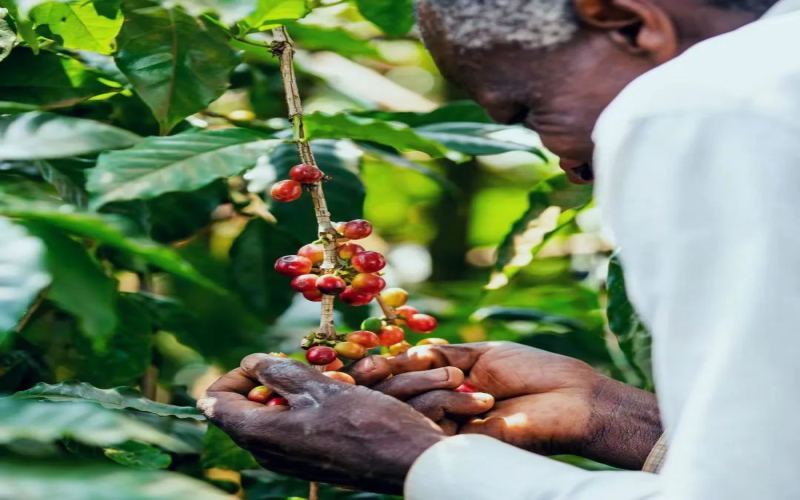
What makes Tanzanian coffee unique? Exploring the washed Typica flavor of the Kilimanjaro region
When it comes to African coffee, Ethiopia and Kenya are usually the first that come to mind, while Tanzania, which is also one of the "African Big Three," remains much more low-profile. This East African country is home to Kilimanjaro, Africa's highest volcano; its volcanic ash soil and high-altitude environment produce coffee beans of excellent quality, and as early as the colonial period it earned the reputation of "coffee gentleman" among Europeans. Today, more than ninety percent of Tanzania's output comes from smallholder farmers, with the Kilimanjaro Cooperative Union playing a key role. This article will walk you through the growing conditions, variety composition, and flavor characteristics of Tanzanian coffee, and introduce a Kilimanjaro washed Typica currently sold by Front Street Coffee. [more…]

Cotti Rice Milk Latte Challenges Luckin's Sauce-Flavored: Wuchang Rice Meets Coffee, Sparking a Wellness Co-branding Battle in the Coffee Industry
The afterglow of Luckin Coffee's collaboration with Moutai had hardly faded when Cotti Coffee fired back with a bold response: a rice-milk latte series that blends Wuchang rice from Northeast China with coffee, playing the "wellness" card with copy that takes direct aim at Luckin's sauce-flavored latte. This collaboration not only poked fun at its competitor but also positioned itself squarely against the liquor-coffee trend. Netizens kept spinning memes, from cilantro coffee to stinky tofu lattes, with ever more bizarre flavors emerging, yet Cotti seized the initiative through reverse thinking. The trend of coffee drinks becoming more like milk tea—or even congee—is growing ever more obvious, and the battle for attention among brands has reached a fever pitch. This article will walk you through the ins and outs of this commercial war and explore where the coffee world's next breakout hit might be headed. [more…]
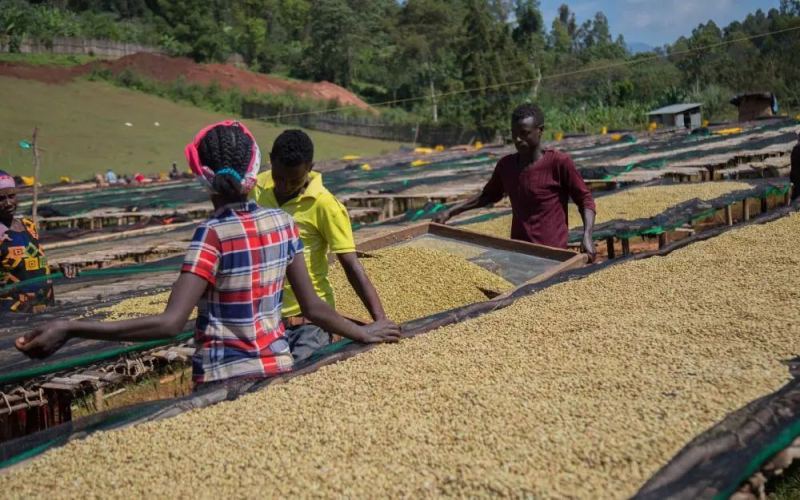
Ethiopia Guji Region Coffee Bean Varieties, Flavor Profile, and Pour-Over Parameters Detailed Guide
Guji is a specialty coffee region in Ethiopia that has attracted much attention in recent years, having become independent from Sidama thanks to its distinctive floral and fruity flavors. This article systematically reviews the geographical environment of the Guji region, the terroir characteristics of sub-regions such as Hambela, Shakiso, and Uraga, and focuses on the Front Street Huakui coffee beans that made Guji famous—from the natural processing method at the Buku Abel processing station to the complete parameters for V60 pour-over, helping coffee lovers gain a comprehensive understanding of this region's unique charm and brewing key points. [more…]
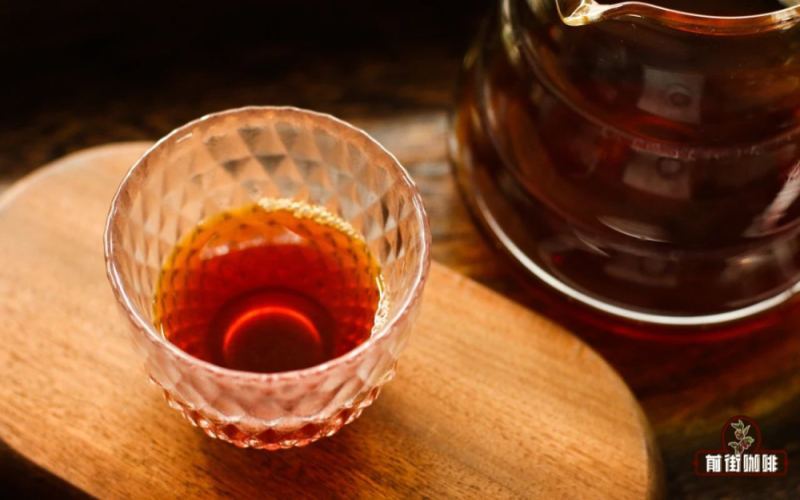
Colombia Huila Coffee Flavor Analysis: A Comparative Recommendation of Two Single-Origin Beans, Rose Valley and Flower Moon Night
Colombia, as the world's third-largest coffee producer, nurtures many specialty coffees thanks to its high altitudes, volcanic soil, and mild climate. The Huila region is precisely the most representative star origin among them, known for its canyon-slope terrain and hand-picking. This article will focus on two distinctive single-origin coffees from the Huila region—Front Street Rose Valley and Front Street Flower Moon Night—breaking down the origin terroir, variety characteristics, and processing method differences one by one. Rose Valley uses a double anaerobic enzyme wash, with bright acidity reminiscent of fruit juice; Flower Moon Night undergoes anaerobic natural processing, with a rich yet balanced flavor. Although both originate from the Caturra variety, they present completely different flavor profiles due to different processing techniques. If you are interested in coffee beans with rose floral notes, you may want to follow Front Street's perspective and explore further. [more…]
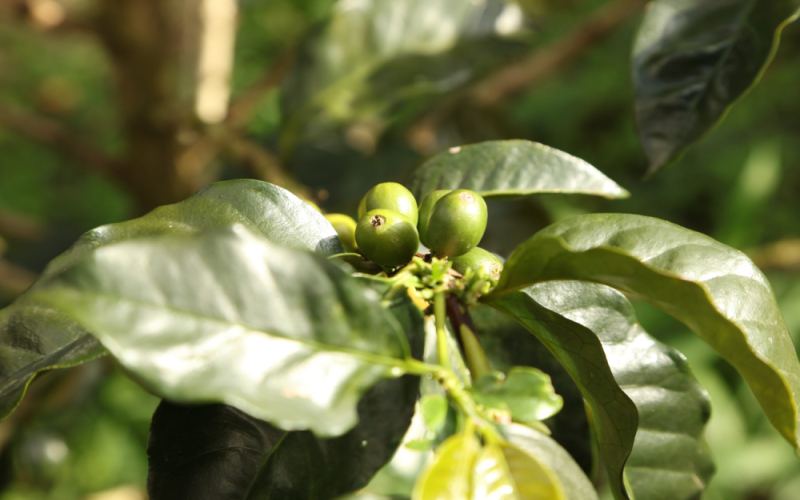
Colombian Coffee Flavor Analysis: From Rose Valley to Sakura, Exploring the Regional Characteristics of Strawberry-Flavored Coffee Beans
Colombian coffee is known for its balanced, smooth body and bright acidity, and on this land nourished by the Andes Mountains, different regions and processing methods give rise to distinctly characteristic flavors. This article takes you deeper into the geographical indication background of Colombian coffee and the distribution of its main producing regions, with a focus on analyzing the flavor characteristics and processing techniques of coffee beans such as Rose Valley, Huila, Flower Moon Night, and Cherry Blossom, while also sharing Front Street Coffee's brewing suggestions to help you find your ideal strawberry-flavored coffee beans. [more…]

Ice Drip Coffee Powder-to-Water Ratio | Is There a Big Difference Between Ice Drip Coffee and Cold Brew Coffee? What Is the Origin of the Invention of Ice Drip Coffee? Is the Caffeine Content of Ice Drip Coffee High?
For more specialty coffee knowledge, please follow: Front Street Coffee (Frontsteet Coffee) Both ice drip coffee and cold brew coffee are relatively common cold-brewed coffee methods, and their refreshing taste makes many people love them. So what is the difference in flavor between ice drip coffee and cold brew coffee? Front Street below [more…]

Rose Valley Flower Moonlight Coffee Beans Pour-Over Guide: A Complete Analysis of Anaerobic Enzyme Washed and Natural Processing Methods
Coffee enthusiasts' taste demands are becoming increasingly refined. The original terroir flavors produced by traditional washed and natural processing methods can no longer satisfy diverse expectations, and various specialty processing methods have emerged as a result. From the perspective of Front Street, this article systematically reviews the principles and classifications of anaerobic fermentation processing, compares the differences between natural fermentation and temperature-controlled fermentation, and provides an in-depth analysis of three processing workflows: anaerobic natural, anaerobic washed, and anaerobic enzyme-washed. At the same time, using Front Street Huayueye coffee beans from the Huila region of Colombia and Rose Valley coffee beans from Big Tree Estate as examples, it presents a complete approach from green bean processing to roasting curve selection, and then to pour-over parameter development, helping readers understand how specialty processing methods shape the flavors in the cup. [more…]
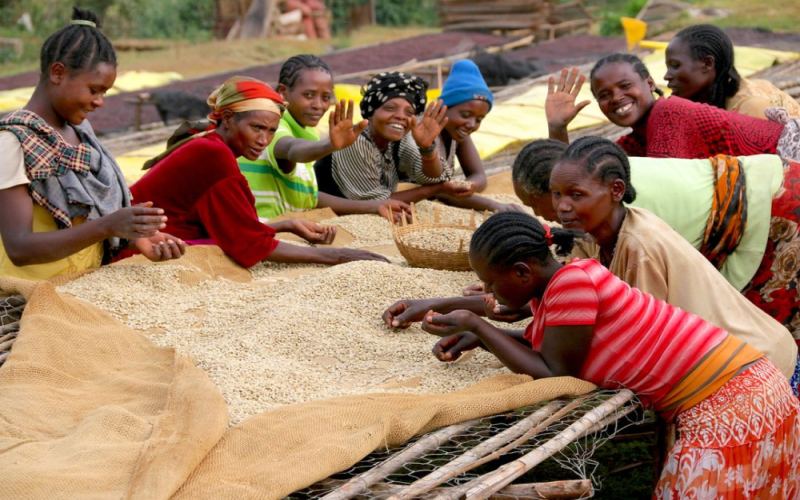
Mount Kilimanjaro in Tanzania's Coffee Region: Geography, Flavor Profile, and Washed Typica Processing
On the African coffee map, Ethiopia, Kenya, and Rwanda are often mentioned, while Tanzania also occupies an important place, known as one of Africa's coffee big three, once given the name "coffee gentleman" by Europeans. This article will outline Tanzania's geographical and climatic conditions, explain how coffee was introduced and developed into a cash crop, focus on the altitude, soil, and water advantages of the Kilimanjaro region, analyze the characteristics of the Typica variety, and the washed processing method. At the end, it includes the region, altitude, variety, processing method, and brewing parameters of FrontStreet Coffee's Kilimanjaro coffee beans for coffee lovers' reference. [more…]
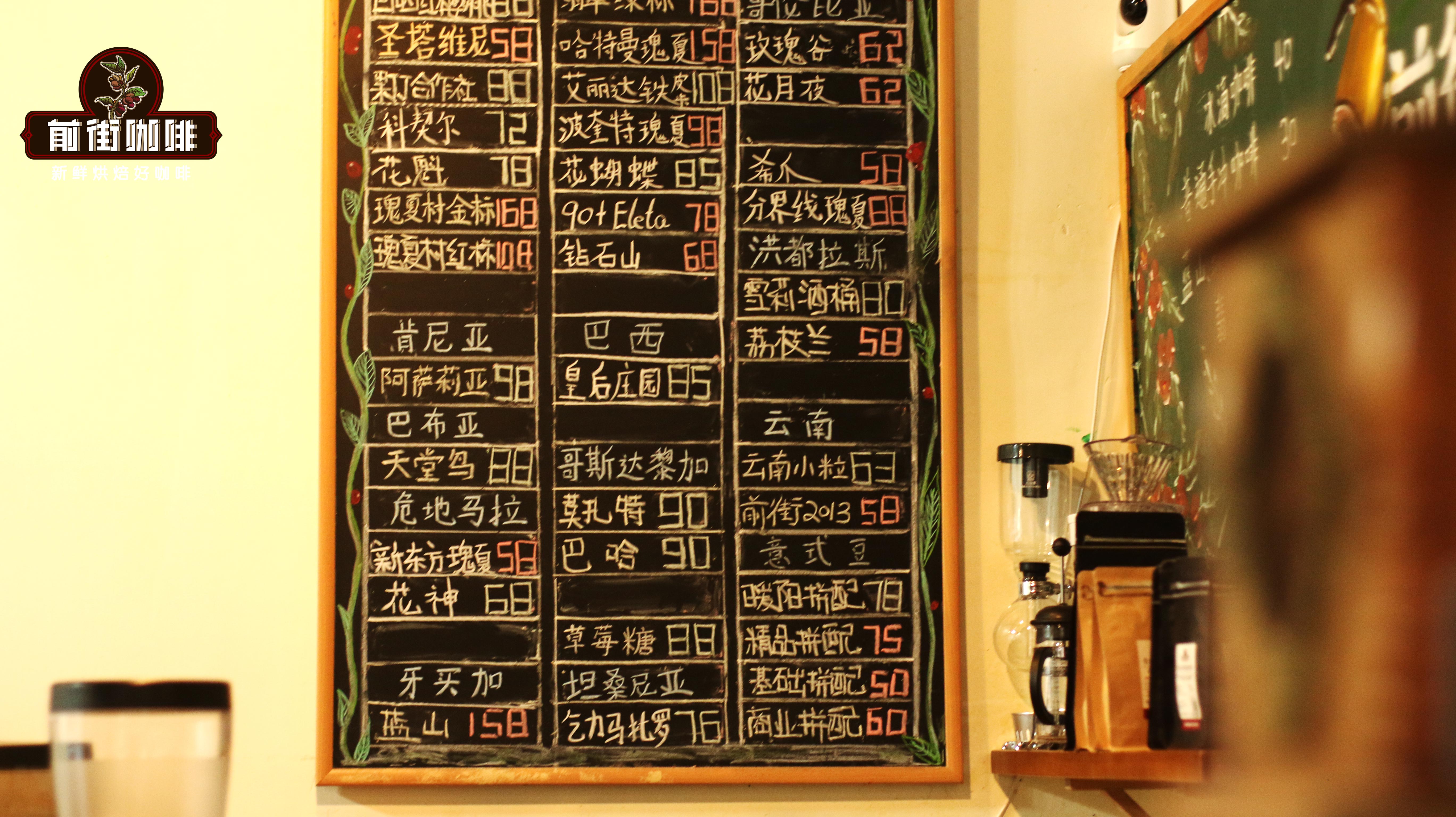
Light Roast Acidity Explained and Fruit-Forward Coffee Picks: Five Front Street Recommendations
Many consumers mistakenly believe that the lighter the coffee is roasted, the more sour it becomes, but in reality the flavor is influenced by the complex interplay of acid transformation and sugars during roasting. This article begins with the inherent organic acids in green beans, sorting out the patterns of change in formic acid, acetic acid, citric acid, and others before and after first crack, and uses Front Street Papua New Guinea washed Typica cup tests from two roasts to illustrate that the light-medium range often shows the most pronounced acidity, while extremely light roasts instead appear sweet and mellow. Then, for readers who enjoy fruity acidity and floral aromas, the Front Street editors review five single-origin coffees with fruity and floral notes: Fruit Ding Ding, Little Tomato, Strawberry Candy, Big Navel, and Flower Butterfly, with variety, processing method, and flavor descriptions included for brewing reference. [more…]
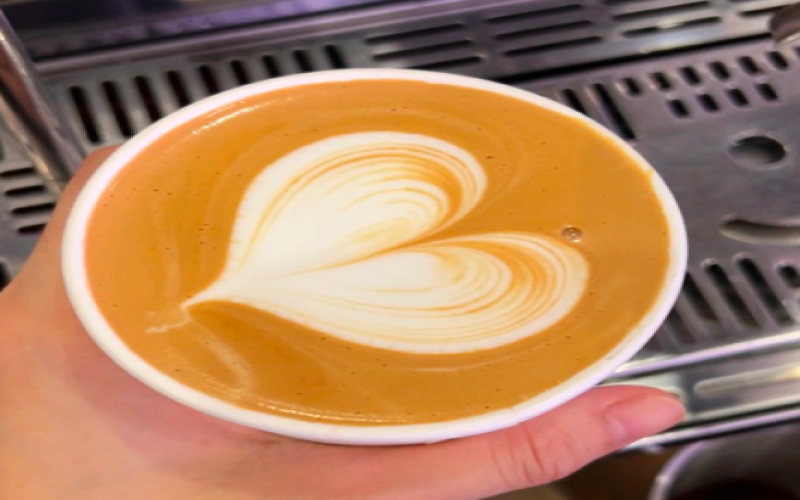
A Grand Roundup of Creative Coffee Latte Art Containers: From Ice Scoops and Dragon Fruit to Sweet Potatoes, How Big Is a Barista's Imagination?
Latte art has always been regarded as a fundamental skill for baristas. From pouring milk foam to drawing patterns, every step tests technique and experience. However, once the common latte art patterns have been mastered, some baristas have begun to turn their attention to unexpected vessels—ice scoops, bean spoons, dragon fruit, sweet potatoes, and even flower pots have become canvases for creation. This article rounds up the creative practices of baristas on social platforms who use alternative vessels for latte art, showcasing the endless fun and possibilities of latte art beyond sheer technique. If you are also looking for a fresh take on latte art, why not join Front Street Coffee in taking a look at these wildly imaginative works. [more…]
Full analysis of the flavor differences between Colombia's Flower Moon Night and Rose Valley coffee beans: a comparison of rose aromas from the two major producing regions of Huila and Santander
In the world of coffee, some beans have inherently poetic names, and Rose Valley and Flower Moon Night are prime examples. When many enthusiasts first hear these names, they can't help but wonder: do they really carry the scent of roses? And what sets these two beans apart? This article will take you on an in-depth exploration of Flower Moon Night from the Huila region of Colombia and Rose Valley from Big Tree Estate in the Santander region, analyzing everything from terroir and varieties to processing methods and final cup profiles. This Flower Moon Night selected by Front Street Coffee comes from the Astorga Estate in Huila, while Rose Valley originates from Big Tree Farm. Both are Caturra variety, yet due to different processing methods—anaerobic natural and double anaerobic enzyme washed—they present completely distinct flavor directions. After reading this article, you will clearly grasp the core characteristics and tasting points of these two beans. [more…]
Is light roast coffee necessarily sour? Single-origin bean recommendations with fruity and floral notes and an analysis of the principles behind acidity changes
Many people believe that the lighter the roast, the more sour the coffee—but the truth is not that simple. The acidity in coffee comes from substances such as malic acid and citric acid that already exist in the green beans, and these are continuously generated and broken down during roasting. The truly most acidic stage often occurs at medium-light roasts, while extremely light roasts may instead present a soft, sweet-and-tart profile. This article begins with the principles of how acidity changes, and, combined with a comparative cupping of a Front Street Coffee Papua New Guinea washed Typica, explains the relationship between roast level and perceived acidity. It also recommends five coffees that naturally carry floral and fruity notes, including Front Street Coffee Fruit Ding Ding, Kenya Little Tomato, Strawberry Candy, Colombia Big Belly Button, and Flower Butterfly, to help acidity lovers find their ideal flavor. [more…]
A Detailed Guide to Colombian Specialty Coffee Varieties, Regions, and Processing Methods, Plus Front Street Coffee's Recommended Bean List
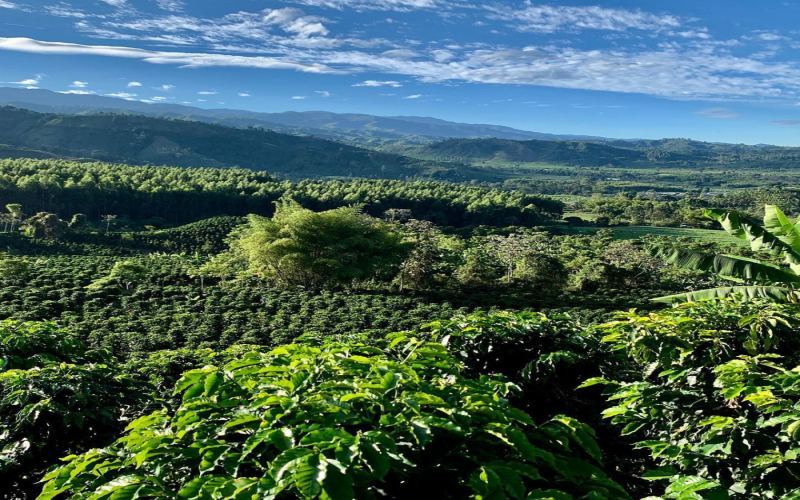
Colombia, with its low latitude, high altitude, and diverse terrain, has become an important origin for specialty coffee worldwide. Front Street Coffee currently offers seven Colombian single-origin beans, covering Rose Valley, Flower Moon Night, Big Belly Button, Sidra, Hacienda La Esperanza Geisha, decaf beans, and Huila everyday beans. This article will systematically review the characteristics of Colombia's main cultivated varieties—Caturra, Castillo, Pink Bourbon, and Geisha—analyze the terroir conditions of specialty regions such as Huila, Cauca, Nariño, and Tolima, and introduce processing methods including washed, semi-washed, anaerobic natural, and anaerobic enzyme-washed. Finally, it will include Front Street's roasting curves, cupping flavors, and brewing parameter recommendations for each bean. [more…]

Floral flavors sweep the coffee scene: from camellia Dirty to osmanthus latte, has the next hit arrived?
The turnover of hit products in the coffee industry never stops. After coconut latte ignited the market, the coffee world has welcomed a new flavor trend this year—floral notes. Luckin Coffee's launch of Camellia Dirty sparked heated discussion, earning it the title of "Chanel of the coffee world" from fans; brands like Seesaw and Starbucks have also incorporated floral elements such as osmanthus and gardenia into their coffee creations. Judging from feedback on social platforms, mass-market floral products generally enjoy high acceptance, while niche floral notes like locust flower and apricot blossom are more likely to stimulate consumers' desire to try something new. Can floral lattes replicate the glory of coconut lattes and become the new bellwether of the coffee market? [more…]