








What separates two Huila coffee lots?
Colombia's Huila region sits at the southern end of the Central Cordillera, and its canyon slopes and hand-picking produce distinctive single-origin lots. Rose Valley is processed with a double anaerobic enzyme wash for bright, juice-like acidity, while Flower Moon Night uses anaerobic natural processing for a richer, more balanced profile. Both start from the Caturra variety.
Colombia is the third-largest coffee producer, and local coffee farms typically sit between 1,200 and 2,000 meters, with volcanic soil and 2,000 to 3,000 millimeters of annual rainfall. That mild, humid climate lets the country harvest cherries year-round. Because the two lots share a variety but differ in processing, they end up on entirely different flavor paths.
As the world's third-largest coffee producer, Colombia is blessed with high altitudes, volcanic soil, and a mild climate, giving rise to countless specialty coffees. The Huila region is among the most representative star origins, known for its canyon-slope terrain and hand-picking. This article focuses on two distinctive single-origin coffees from Huila—Front Street Rose Valley and Front Street Flower Moon Night—breaking down everything from terroir and variety characteristics to processing method differences. Rose Valley uses a double anaerobic enzyme wash, with bright, juice-like acidity; Flower Moon Night undergoes anaerobic natural processing, yielding a rich yet balanced flavor. Though both originate from the Caturra variety, different crafting methods lead them down entirely different flavor paths. If you're interested in coffee beans with rose floral notes, why not follow Front Street's perspective and find out.
Some coffee names are poetic in themselves—Sunflower, Rose Valley, Flower Moon Night—they sound more like names given to a person. Upon first hearing these names, one might wonder: is it called Rose Valley because the beans naturally carry rose aroma? That association is quite interesting. Today, Front Street will help clarify one thing—whether these coffees actually contain rose floral notes, and where the differences between them lie.

Colombia's Huila Region
Even those new to specialty coffee know that Colombia is the world's third-largest coffee-producing country, with its Arabica beans mainly supplying the specialty coffee market, giving rise to many renowned lots such as Front Street Colombia Huila. And Front Street's Flower Moon Night comes from the Acevedo Gaitán estate in the Huila region.
Meanwhile, Colombia's growing environment is truly superior. According to Front Street, local coffee farms typically sit at altitudes between 1,200 and 2,000 meters, with nutrient-rich volcanic soil, annual rainfall fluctuating between 2,000 and 3,000 millimeters, and a mild climate with relatively high humidity. Because of this, Colombia can harvest coffee cherries year-round, which forms its natural advantage as a major coffee-producing nation.
Huila Province is located at the southern end of Colombia's Central Cordillera, and is one of the country's most renowned specialty coffee regions. Surrounded by mountains, with growing altitudes exceeding 1,500 meters, several important rivers in Colombia converge here, bringing abundant water and moisture to the area.
Colombia Flower Moon Night coffee comes from Huila. This too is a hilly area surrounded by mountains, with growing altitudes above 1,500 meters, abundant water and soil resources, and it is also Colombia's most famous coffee origin.
Most coffee trees in the Huila region are planted on canyon slopes, a terrain that provides the high altitude and suitable temperatures needed for growing quality Arabica. The canyon slope climate also blocks cold winds, with mountain breezes bringing coolness that avoids heat stress, and rainfall is relatively abundant. Additionally, according to Front Street, coffee cherry picking in Colombia is done entirely by hand, with workers going up the mountains, allowing for careful selection of only ripe, plump cherries.
In Terms of Variety
Caturra is a natural mutation of Bourbon, discovered in Brazil in 1937. Its tree form is shorter and more compact than Bourbon. In 1960, Caturra was introduced from Brazil to Colombia, and currently accounts for 45% to 50% of the country's coffee-growing area, having replaced the original Typica. Caturra is suitable for cultivation between 700 and 1,750 meters, with flavor performance improving at higher altitudes, typically featuring crisp fruit acidity and a subtle sweetness.
Front Street Coffee: Colombia Flower Moon Night Coffee Beans Country: Colombia Region: Huila Altitude: 1800m Variety: Caturra Processing: Anaerobic Natural Flavor: Strawberry jam, fermented wine aroma, chocolate
Rose Valley: Santander Region & Big Tree Estate
The Santander region is located in northern Colombia, adjacent to Magdalena on the west, with growing altitudes of approximately 1,400 to 1,600 meters. Coffee beans from this region are known for their intense flavor, lingering aftertaste, and unique fresh herbal notes.
Big Tree Farm's owner Vargas has been running coffee cultivation for 20 years. The farm only picks fully ripe cherries with bright red skin, then removes defective floating beans through washing, followed by two rounds of anaerobic fermentation in specific enzyme groups. The farm is also especially meticulous about drying, avoiding excessive temperatures and adopting a slow drying method.
Front Street Rose Valley Coffee Cupping Notes: Winey chocolate, rose, cranberry, peach, cream
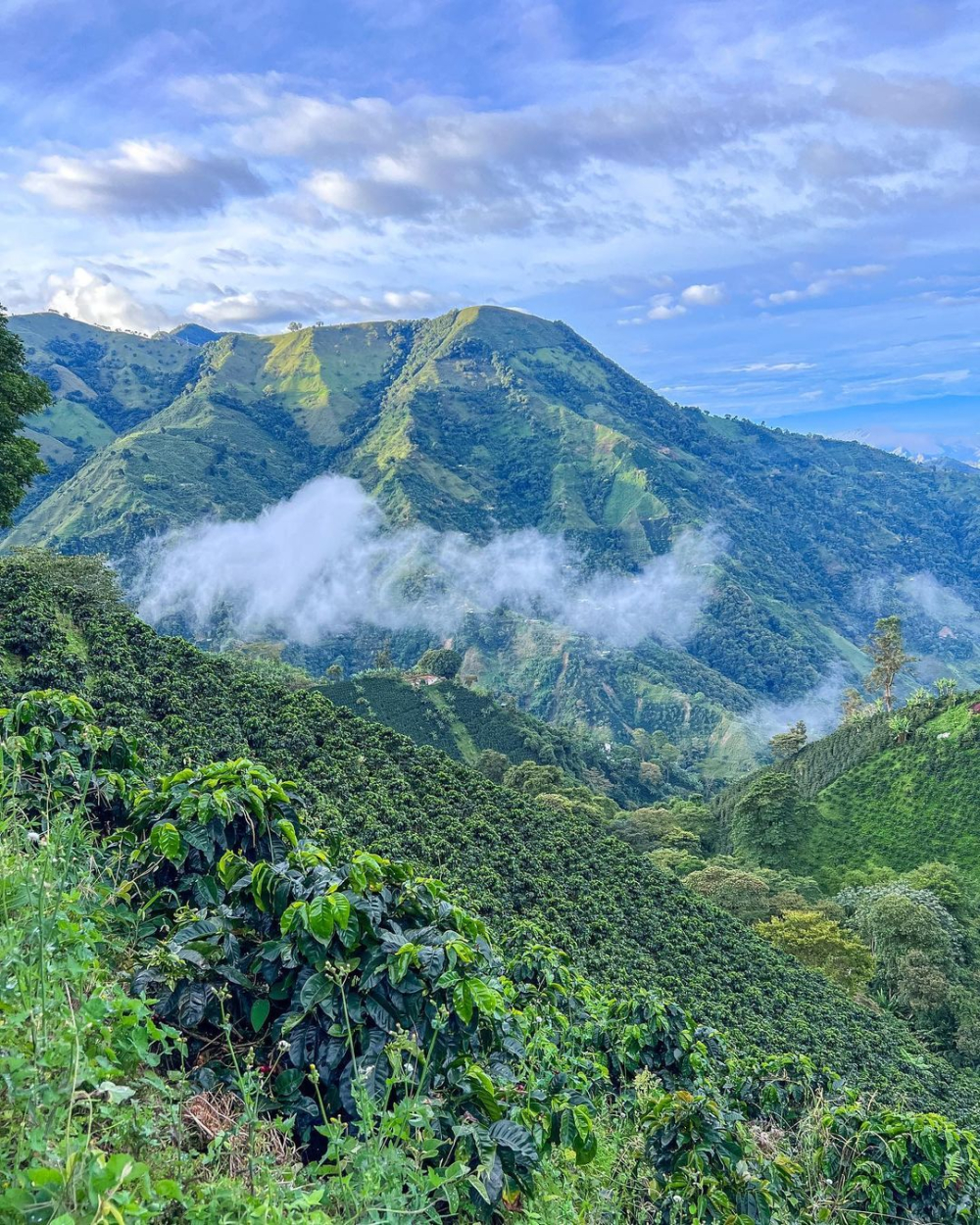
Flower Moon Night: Huila Region & Acevedo Gaitán Estate
Huila Province is located at the southern end of Colombia's Central Cordillera, and is the country's most famous specialty coffee region. This area is surrounded by mountains, with growing altitudes above 1,500 meters, and Colombia's most important rivers converge here, bringing abundant water resources and moisture.
Acevedo Gaitán Estate is located in Acevedo municipality, Huila Province. The estate owner Ramirez came from a coffee-growing family and began working in coffee production at 18, accumulating professional coffee experience in Acevedo before purchasing the estate named Acevedo Gaitán and starting to grow Caturra.
Processing Methods of Rose Valley and Flower Moon Night
Rose Valley: Anaerobic Double Enzyme Wash
This bean uses a special anaerobic processing method that has gained much attention in recent years. First, defective beans are removed through washing, then the processed beans are placed in sealed containers with carbon dioxide injected to displace oxygen. In an oxygen-free environment, the breakdown of sugars in the coffee mucilage slows down, and the pH drops more gradually, allowing fermentation time to be extended, thereby developing better sweetness and a more balanced flavor.
Flower Moon Night: Anaerobic Natural Processing
The coffee beans are placed in sealed fermentation tanks, with low temperatures extending the entire fermentation process. A 15-to-20-day fermentation period allows the beans to acquire richer flavors. After fermentation is complete, the beans are sun-dried.
Variety: Also Caturra
Both beans use the Caturra variety. Caturra is a natural mutation of Bourbon, discovered in Brazil in 1937, with a shorter tree than Bourbon.
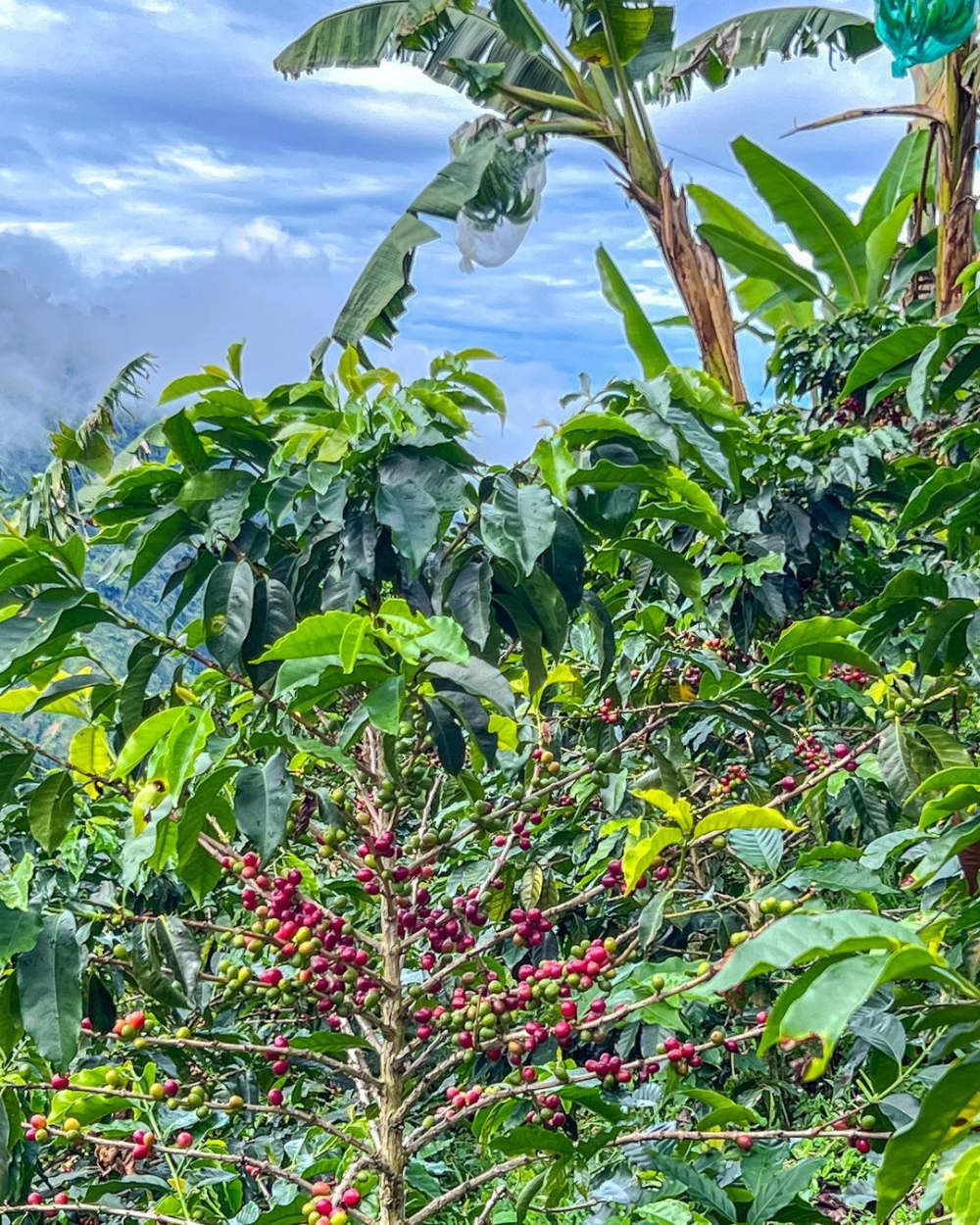
【Flavor Description】
Differences in processing methods directly affect the cup profile. Rose Valley uses a double anaerobic enzyme wash, giving it more prominent acidity; Flower Moon Night uses anaerobic natural, resulting in a richer and more balanced overall taste.
Overall, Rose Valley drinks more like a glass of fruit juice, with grape and strawberry notes interwoven with floral aromas. Flower Moon Night leans toward a balanced profile, featuring floral and strawberry notes alongside a dark cocoa finish, as well as creamy and fermented undertones.
The above content is compiled by CoffeeHunters, a coffee news website.


