







For more specialty coffee knowledge, please follow: Front Street Coffee (Frontsteet Coffee)
Cold brew coffee and cold drip coffee are both fairly common methods of making cold coffee, and their refreshing feel makes many people love them. So what are the flavor differences between cold drip coffee and cold brew coffee? Front Street compares them below.
Cold drip coffee's invention
Although cold drip is called Dutch coffee, it actually does not have a very deep connection with the Netherlands. Instead, it has deep roots in Japan, so it is also called Kyoto coffee. When the owner of Kyoto Hanabusa Coffee was reading a coffee book, he came across the coffee-brewing method of local people in Indonesia, then a Dutch colony, and became very interested in it. Based on the description in the book at the time, with the help of chemistry students at Kyoto University and a medical device company, he developed a cold drip device, wanting to reproduce the Indonesians' brewing method, and thus invented cold drip coffee. Later it became popular in Europe and America, and because Europeans and Americans were unaware of this history, they simply called it Kyoto coffee.

Differences in production methods
First of all, the production time for both is very long. Generally, cold drip coffee is made with a cold drip pot, a coffee device divided into an upper pot (ice water), a middle pot (coffee grounds), and a lower pot (coffee liquid). The ice water in the upper pot drips drop by drop into the coffee grounds in the middle pot, slowly extracting coffee liquid that flows into the lower pot. The production time is generally 6-8 hours.
Cold brew coffee uses a container. Put the ground coffee powder into the container, then add cold (iced) water in the corresponding ratio, swirl to mix evenly, and seal. Place it in a low-temperature environment (refrigerator) for 12-24 hours for low-temperature extraction. Then filter out the coffee grounds with filter paper, and what you get is cold brew coffee.
Now let's start making cold drip~
1. The coffee grounds used by FrontStreet Coffee for cold drippowderto-water ratio is 1:10, that is, 60 grams of coffee grounds extract 600 milliliters of coffee liquid.
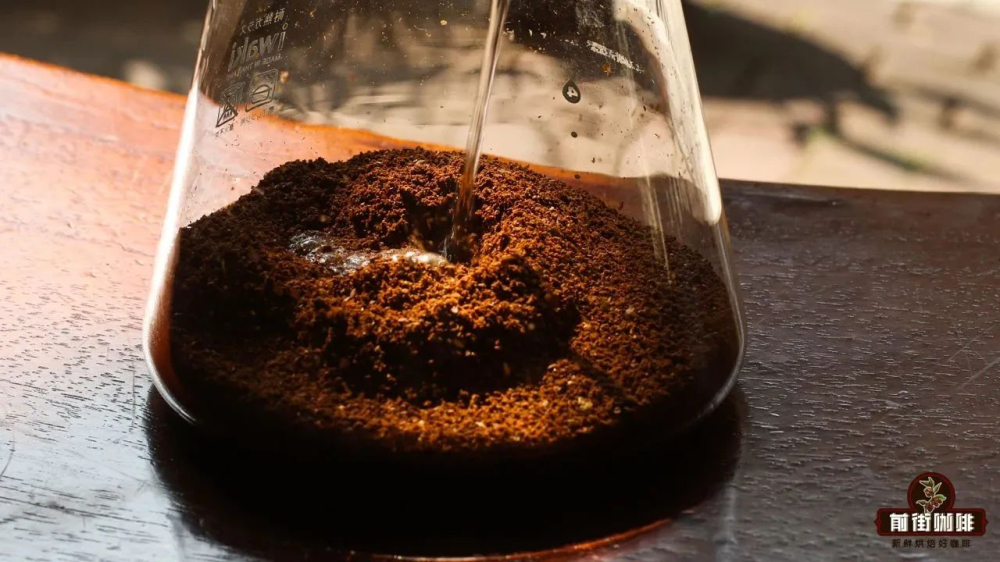
2. Place a round filter paper at the bottom of the powder cup, wet it with water so it sticks to the wall of the cup, add 60g of ground coffee (coarse granulated sugar size), then shake it flat across the surface of the coffee. You can also use the weight of the tamper itself to lightly press the coffee layer so that the surface is level.

3. Remember to place a piece of filter paper on the surface of the coffee grounds. Because the tension of the filter paper allows water to distribute evenly. Without filter paper, prolonged dripping will create a pit in the coffee bed.
4. Use ice water to "pre-soak." This is actually similar to the blooming process in pour-over, and it can improve extraction effectiveness and consistency of the final product. If you drip directly with ice, it may cause uneven wetting of the coffee layer, with part of the coffee grounds over-extracted while another part does not participate in extraction at all.
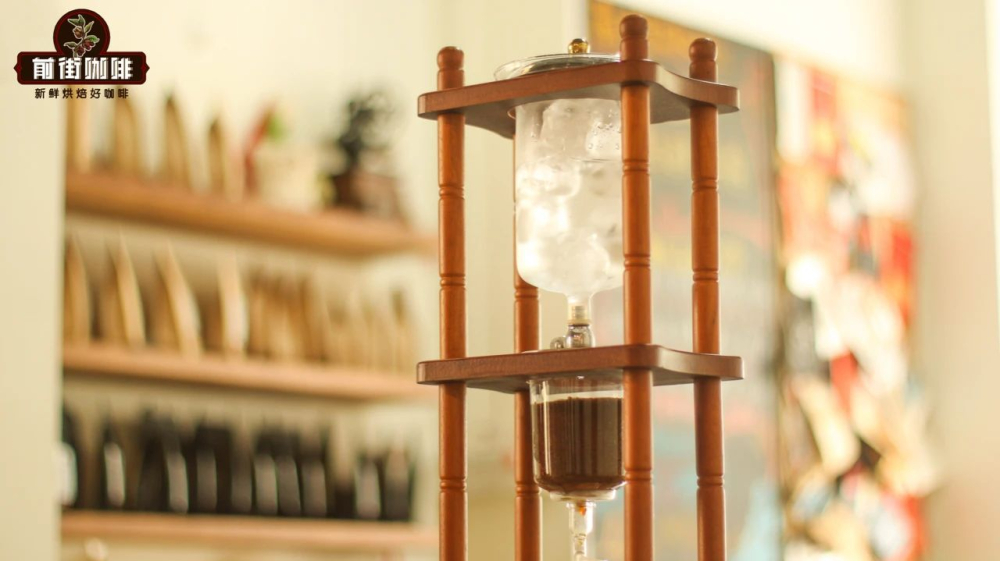
5. Put a 1:1 ice-water mixture into the water container, and adjust the valve to about 7 drops every 10 seconds.
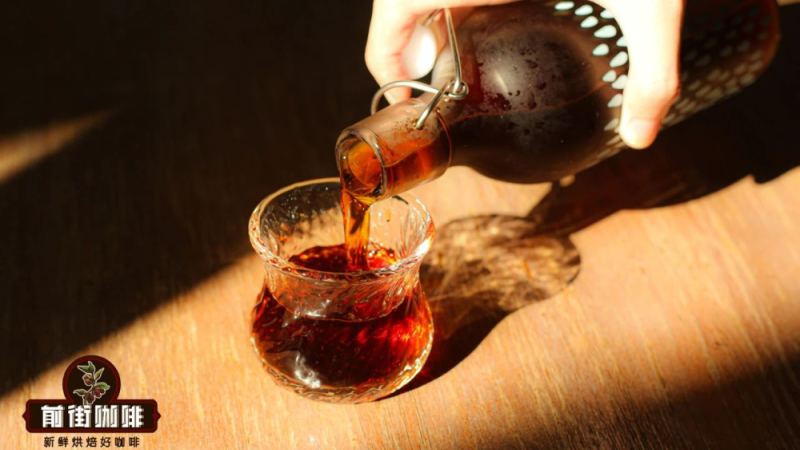
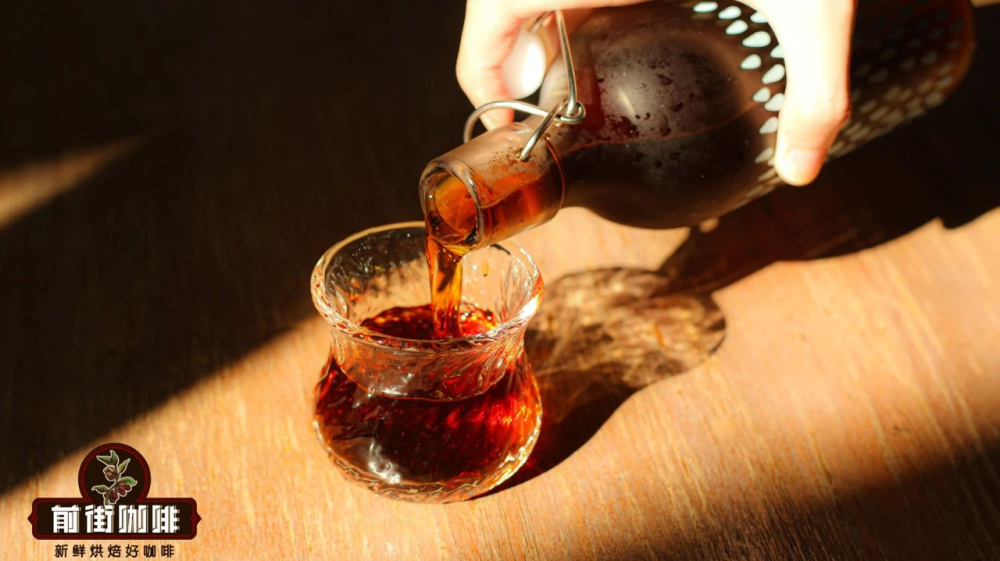
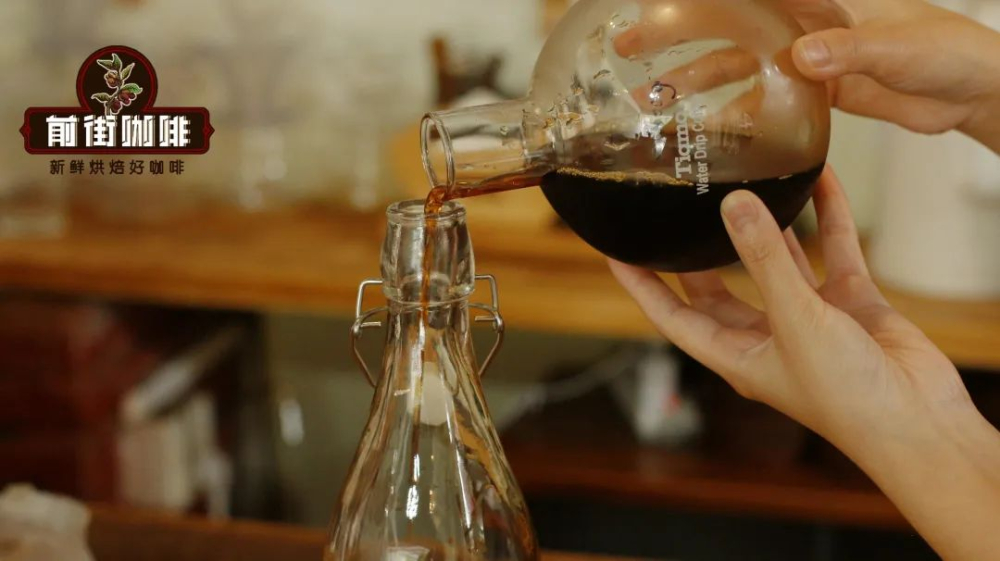
6. After making it, pour the coffee liquid into a sealed glass bottle and then put it in the refrigerator to ferment overnight, allowing the coffee flavors to integrate together. The taste will be better and easier to drink.
How much caffeine does cold drip coffee contain?
Many people think that cold drip coffee has a low caffeine content, because the lower the water temperature, the harder it is for caffeine to dissolve (the minimum temperature for caffeine dissolution is above 80 degrees Celsius). However, the low amount of caffeine extracted by cold water can also add up over a long extraction time and should not be underestimated, so some people also believe that cold drip coffee has a higher caffeine content, and many experimental results have also proven this claim. For cold drip coffee, the caffeine content varies greatly depending on the coffee beans used by each cafe, the interval between water drops, and the total extraction time. Therefore, for people who are sensitive to caffeine, rather than drinking cold drip coffee, it is better to drink decaf coffee.

How do we choose coffee beans for making cold drip?
The first reaction of friends who see this title is: just pick one bean and drip it~ That is completely possible. But if you use only one kind of bean to make cold drip, you may not be able to fully experience that bean's aroma, sweetness, or smoothness. So when making cold drip coffee, it is always recommended to use two kinds of coffee beans in a blend to make cold drip, with the aim of making the coffee highlight the characteristics of a certain flavor more. Below are 2 blending methods for reference.
30 grams [Honduras Sherry] + 30 grams [Costa Rica Beethoven]
The image shows rum barrel-processed Sherry plus washed Beethoven, with fermented wine aroma, rich fruity acidity, and honey-like sweetness.
Washed Beethoven has obvious citrus acidity, with the fullness of berry juice.
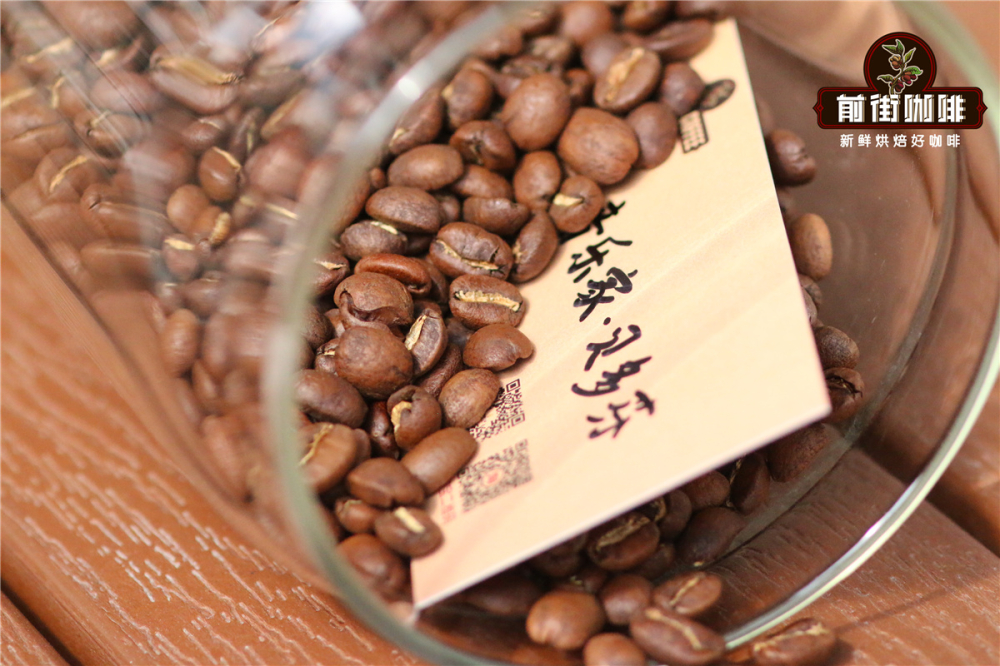
Whiskey barrel-fermented Sherry has a distinct whiskey aroma, with a smoothness like vanilla cream.
Made into cold drip, you will experience a rich whiskey aroma, with obvious citrus acidity and the fullness of berry juice on the palate, as well as the smoothness of vanilla cream.

20 grams [Honduras Lychee Orchid] + 40 [Yirgacheffe Gutingding]
Wine barrel-processed Lychee Orchid plus washed Yirgacheffe Gutingding, with a faint brandy aroma, plum-like acidity paired with the sweetness of maple sugar.
Brandy barrel-processed Lychee Orchid has a rich brandy aroma, a chocolate finish, and a honey aftertaste.
Washed Yirgacheffe Gutingding, with plum and citrus fruity acidity, carrying the sweetness of oolong tea and a smooth tea-like mouthfeel.
Made into cold drip, you will feel a faint brandy aroma, and rich fruity acidity leading to honey-like sweetness and a creamy smooth mouthfeel.
30 grams [Sidamo Flower Queen] + 30 grams [Panama Hartmann]
Sun-dried Flower Queen plus red wine-processed Hartmann, with a strong fermented wine aroma and also some slight fruity acidity, more suitable for people who prefer heavier flavors~
Sun-dried Flower Queen has relatively high sweetness, smells with some strawberry-like berry flavors, and tastes with some passion fruit, fermented wine aroma, strawberry, and jackfruit flavors.

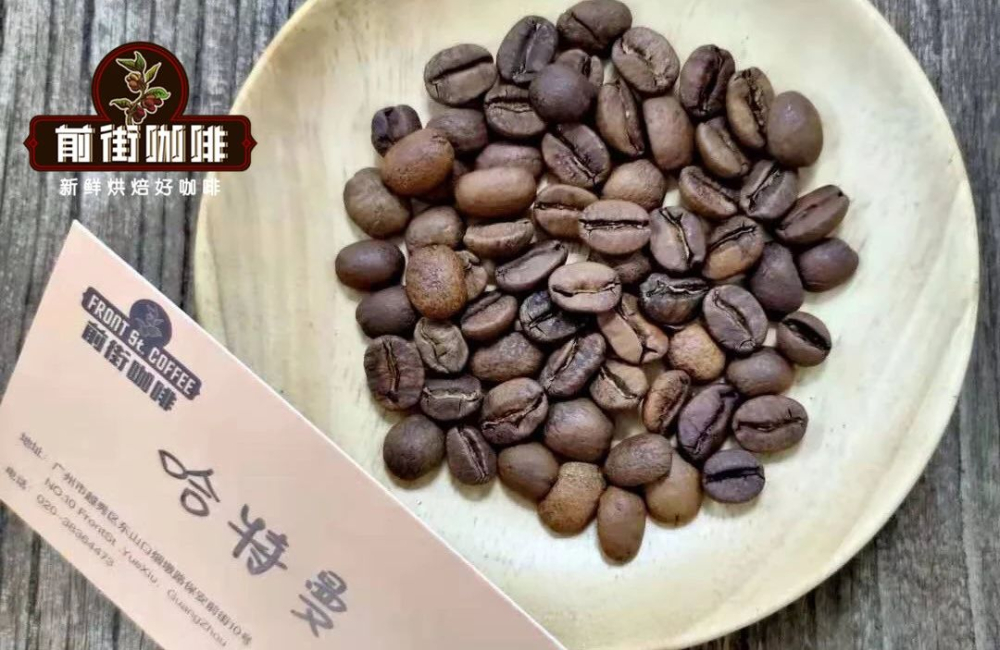
Red wine-processed Hartmann has some fermented red wine aroma, is smooth on the palate, and carries some tropical fruit, nut, and yellow sugar flavors. Made into cold drip, you will feel a relatively strong fermented note, higher sweetness, and higher body.
Cold brew coffee production plan
Front Street's cold brew plan is to use 50 grams of coffee grounds, restore the coffee-to-liquid ratio to 1:10, so add 400 milliliters of cold water and 200 grams of hard ice (a total ice-water mixture of 600 grams; the water absorption rate of the coffee grounds is twice its own weight). After stirring evenly, seal and place in the refrigerator for 24 hours. Then take it out and filter the coffee grounds with filter paper, then use a clean sealed bottle to seal the coffee liquid and place it in the refrigerator for 2 hours, and it is ready to drink.

Front Street uses Flower Queen coffee beans to make cold drip coffee and cold brew coffee respectively for comparison.
Pour cold drip coffee and cold brew coffee into glasses separately and observe: cold drip coffee is clear and transparent, while cold brew appears hazy and also has oils on the surface.


Cold drip flavor: refreshing, clean mouthfeel, rich fermented aroma, with some vinous notes. A slight berry-like sweet-and-sour taste.
Cold brew flavor: fuller mouthfeel, relatively uniform flavor, very obvious fruity sweetness. The fermented note is not very strong.
Comparing the flavors of these two kinds of cold coffee, the difference can actually be felt very clearly, especially in the clean and refreshing mouthfeel, which is very easy to identify.
The above content is compiled by CoffeeHunters, a coffee news website.


