







Search Results for: Naturally Decaffeinated Coffee
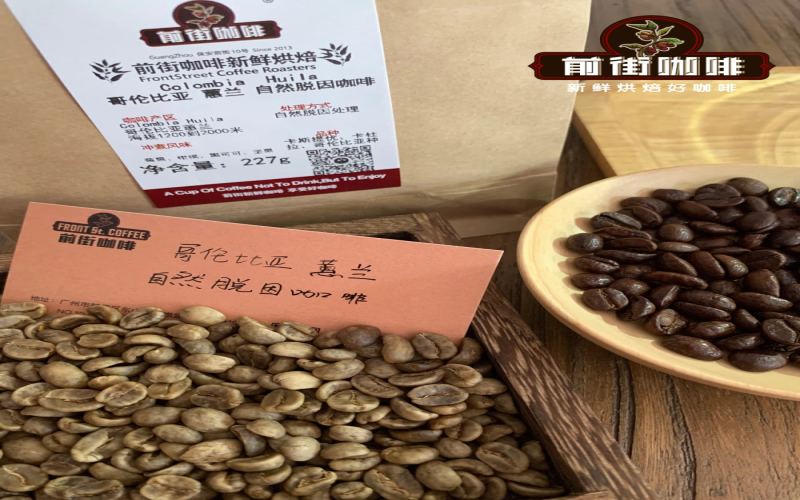
Benefits of Decaf Coffee | Can Drinking Decaf Black Coffee Help with Fat Loss? How to Brew Decaf Coffee Beans? Recommended Delicious and Affordable Specialty Decaf Coffee Beans for Pour-Over
For more specialty coffee knowledge, please follow: Front Street Coffee (Frontsteet Coffee). Experienced coffee enthusiasts know that the coffee beans used in specialty coffee are all Arabica variety coffee beans, which have a lower caffeine content than Robusta variety coffee beans, and therefore perform in coffee flavor cupping [more…]
How Does Swiss Water Process Decaf Coffee Taste? An Analysis of the Differences Between Naturally Low-Caffeine and Artificially Decaffeinated
Excessive caffeine intake can easily cause discomfort such as insomnia and palpitations, with the effects being even more pronounced in people who are sensitive to caffeine. Generally, it is recommended that adults consume no more than 400mg of caffeine per day, roughly equivalent to 5 cups of pour-over made with 15g of beans or 4 cups of espresso made with 20g of beans. If you want to drink more coffee while keeping caffeine intake under control, decaf coffee is the ideal choice. Decaf coffee falls into two categories: naturally grown and artificially decaffeinated. Starting from caffeine content, this article will introduce the natural differences between Arabica and Robusta, and focus on explaining the decaffeination principles and flavor performance of the Swiss Water Process, while also comparing the differences between natural low-caffeine coffee and artificially decaffeinated coffee, to help coffee lovers make a choice that suits them better. [more…]
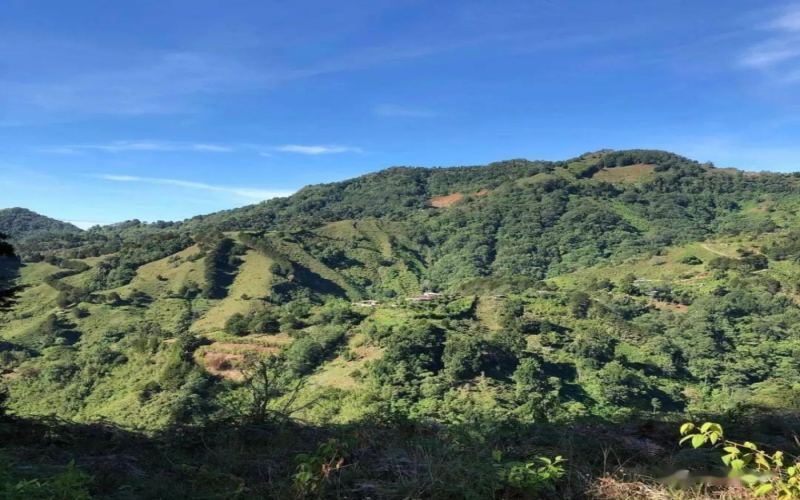
Brazil's IAC natural decaf coffee breeding enters a critical validation phase, with promising commercial prospects.
The natural decaffeinated coffee breeding program at Brazil's Campinas Agronomic Institute (IAC), which has spanned more than two decades, has now entered the stage of definitive verification. Researchers are cultivating and screening hybrid coffee plants derived from different varieties, with the goal of developing coffee varieties that are naturally low in caffeine or even caffeine-free without the need for industrial decaffeination. If this breakthrough ultimately comes to fruition, it will profoundly change the commercialization landscape of decaffeinated coffee in major markets such as the United States and Europe. According to forecasts by market research institutions, the global decaffeinated coffee market will reach US$28.86 billion by 2030, with young health-conscious consumers as the main driving force. Front Street Coffee will also continue to follow the subsequent progress of this transformative research. [more…]
Analysis of Caffeine Content in Yirgacheffe Coffee and a Comprehensive Introduction to the Flavor and Mouthfeel of G1 Coffee Beans
Yirgacheffe, as a star-producing region in Ethiopia, has always attracted much attention for its caffeine content and flavor characteristics. This article begins with the industry standards for decaffeinated coffee, analyzes the differences between artificially decaffeinated and naturally decaffeinated coffee, and then provides an in-depth introduction to the origin terroir, processing methods, and brewing suggestions for Yirgacheffe G1 coffee beans. By comparing the washed and natural processing methods, it reveals Yirgacheffe's signature citrus florals and balanced acidity-sweetness. At the same time, the article also shares the brewing parameters recommended by Front Street Coffee to help enthusiasts better present this bean's berry notes and honey sweetness. [more…]
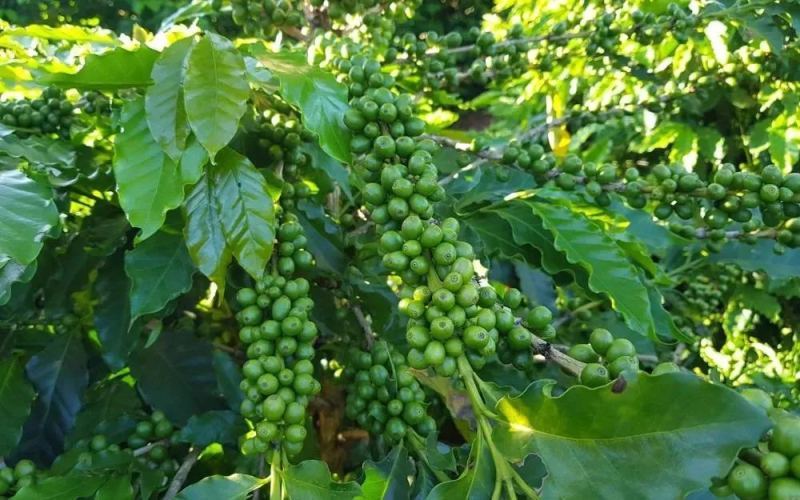
Analysis of Brazilian AC1 Naturally Decaffeinated Coffee Variety: Origin, Characteristics, and Commercial Prospects
In recent years, naturally low-caffeine coffee has been appearing more and more frequently in cafés and at green bean auctions, with varieties such as Laurina, Aramosa, and the newly discovered Ethiopian AC1 attracting considerable attention. AC1's caffeine content is only about 0.76 mg/g, far lower than that of ordinary Arabica. This variety originated from Ethiopian seed resources and was later discovered and studied by the Brazilian Agronomic Institute (IAC) at Santa Elisa Farm. Although AC1 is chemically similar to mainstream varieties and has strong resistance to coffee leaf rust, its low yield and demanding growing conditions pose challenges to its commercialization. The IAC is now developing new varieties with even lower caffeine content and higher yields through crossbreeding. Front Street Coffee continues to follow the latest developments in this field. [more…]
Is Decaf Coffee Healthy? From Daterra Estate to Huila Region, a Detailed Guide to Decaf Coffee Bean Varieties, Processing Methods, and Brewing Tips
Decaffeinated coffee has attracted growing attention in recent years, yet many coffee enthusiasts still have questions about it: How exactly is decaf coffee decaffeinated? Is drinking decaf coffee healthy? Will its flavor be significantly compromised? From the professional perspective of Front Street Coffee, this article systematically sorts out the definition of decaffeinated coffee and the mainstream decaffeination methods, and uses Front Street's decaf coffee beans from Colombia's Huila region as an example to analyze their regional grade, processing method, and brewing parameters. At the same time, the article also addresses the common concern of "Is decaf coffee healthy?" and includes a segmented brewing plan shared by Front Street Coffee to help coffee lovers gain a comprehensive understanding of what decaf coffee is really like. [more…]
Analysis of Flavor Differences Between Decaffeinated and Regular Coffee: Decaffeination Processes and a Brewing Guide for Front Street Colombia Decaf Beans
Coffee has become an indispensable beverage in many people's daily lives, but for those who are sensitive to caffeine, enjoying a cup of coffee may mean the distress of insomnia. Decaffeinated coffee (low-caffeine coffee) has therefore become an ideal alternative for these consumers. This article will systematically introduce the core differences between decaffeinated coffee and regular coffee in terms of caffeine content and flavor performance, provide a detailed analysis of the principles and processes of three decaffeination methods including the Swiss Water Process, and offer an in-depth introduction to the bean composition, flavor characteristics, and brewing parameter recommendations of Front Street Coffee Colombia Swiss Water Process Decaf, helping coffee enthusiasts gain a comprehensive understanding of the true nature of decaffeinated coffee. [more…]
Decaf Coffee | Is Decaf Coffee Healthy? Who Is Decaf Coffee Suitable For? What Specialty Decaf Pour-Over Beans Are Recommended?
What is decaf coffee and how is it made? Decaf is short for decaffeinated coffee, where at least 97% of the caffeine has been removed from the coffee beans. Front Street Coffee believes that apart from the caffeine being removed, decaf coffee is just like regular [more…]
Pros and Cons of Decaf Coffee Beans | Is Decaf Coffee Healthy? Where Does Decaf Coffee Come From? One Recommended Delicious Low-Caffeine Single-Origin Pour-Over Coffee Bean
As people pursue health, many drinks marketed as sugar-free and low-fat have appeared in everyone's life. Coffee, as one of the world's three major beverages, is naturally no exception, and decaffeinated coffee has also been introduced—that is, the decaf coffee commonly seen in coffee shops today. So what are the characteristics of decaf coffee? Then [more…]
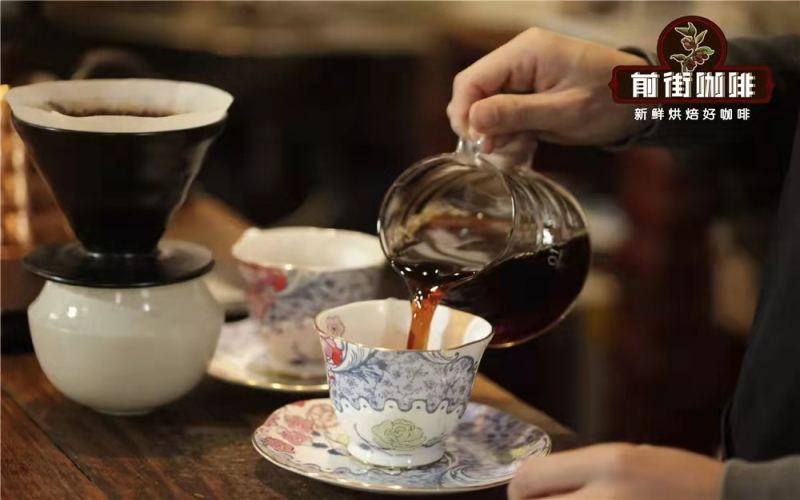
What is decaffeinated coffee? How does it differ from regular coffee in processing methods and component content?
For many coffee lovers who are sensitive to caffeine, decaf coffee offers a choice that balances flavor and peace of mind. It removes the vast majority of caffeine from green beans through specific processes, but inevitably strips away some flavor compounds as well. This article provides a systematic introduction to what decaf coffee is, the mainstream processing methods, how its caffeine and antioxidant content differs from regular coffee, and how modern eco-friendly decaffeination techniques preserve the flavor of premium coffee as much as possible. In addition, it also mentions related product information from Front Street Coffee to help readers gain a more comprehensive understanding of this category. [more…]
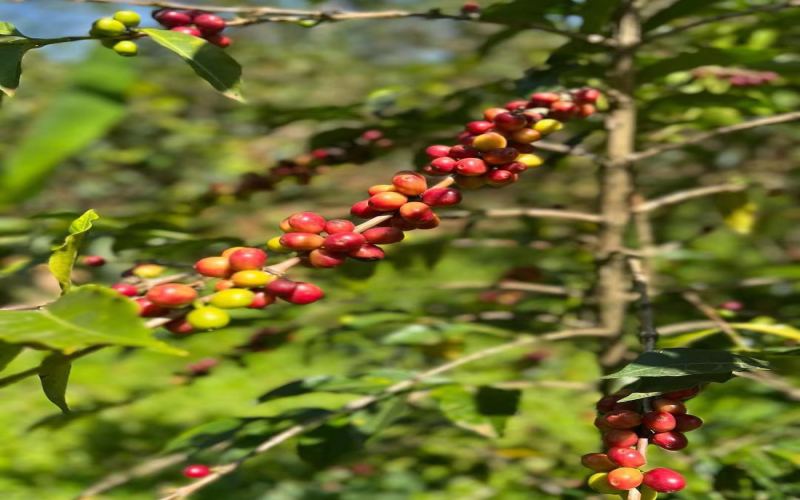
Pros and Cons of Decaf Coffee | What Is Decaffeinated Coffee? How Is Caffeine Removed? Is Decaf Coffee Specialty Coffee?
Starting the day with a cup of coffee to kick off work has become a habit for many friends. With the development of the coffee industry, more and more novel coffee processing methods have emerged. Front Street Coffee currently has several anaerobic and wine-barrel processed coffee beans, available in stores and online. [more…]
A Comprehensive Guide to Decaf Coffee: Decaffeination Processes, Health Effects, and Brewing Guide for Colombian Huila Decaf Beans
Decaf coffee has gained increasing attention in recent years. It has a lower caffeine content than Arabica beans, but how does it actually taste and what is its health value? From the perspective of Front Street Coffee, this article systematically explains the definition of decaf coffee, the decaffeination standards of the EU and the US FDA, the difference between naturally low-caffeine and artificially decaffeinated coffee, and highlights Front Street Colombia Huila Decaf Coffee Beans. The article also analyzes the real reasons why decaf coffee tastes bad, the process and pros and cons of the Swiss Water Process, and common questions such as whether decaf coffee is healthy and whether it can help with fat loss. Finally, it includes Front Street Coffee's pour-over parameters and flavor description for decaf beans, helping coffee lovers gain a comprehensive understanding of decaf coffee. [more…]
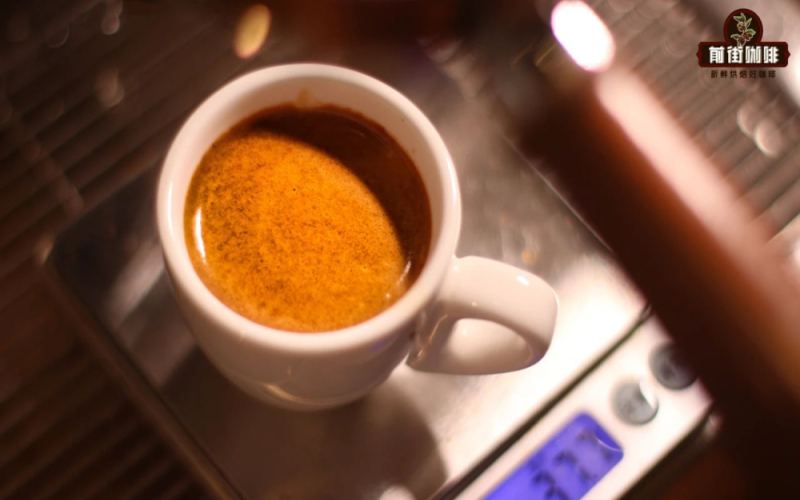
Characteristics of Decaf Coffee Beans | Where Does Decaf Coffee Come From? What's the Difference Between Decaf Coffee and Regular Coffee? How Is Caffeine-Free Coffee Made?
As people pursue health, many drinks marketed as sugar-free and low-fat have appeared in everyone's life. Coffee, as one of the world's three major beverages, is naturally no exception, and low-caffeine coffee has also been introduced, namely the decaf coffee commonly seen in coffee shops today. So what are the characteristics of decaf coffee? Then [more…]

The Core Differences Between Decaf and Regular Coffee: A Full Breakdown of Decaffeination Processes, Flavor Changes, and Suitable Groups
What exactly is the difference between decaf coffee and regular coffee? Can people who are intolerant to caffeine drink it without worry? And how do the common decaffeination methods on the market change the flavor of coffee? This article starts with a comparison of caffeine content, sorts out the differences between naturally low-caffeine and artificially decaffeinated coffee, breaks down in detail the principles, pros and cons of the sugarcane decaffeination method, the supercritical carbon dioxide process, and the Swiss Water Process, and explains why decaf coffee flavors often lean toward caramel and chocolate notes. If you are looking for a decaf coffee with a mild taste, there is also a medium-dark roast recommendation from Front Street Coffee at the end for reference. [more…]
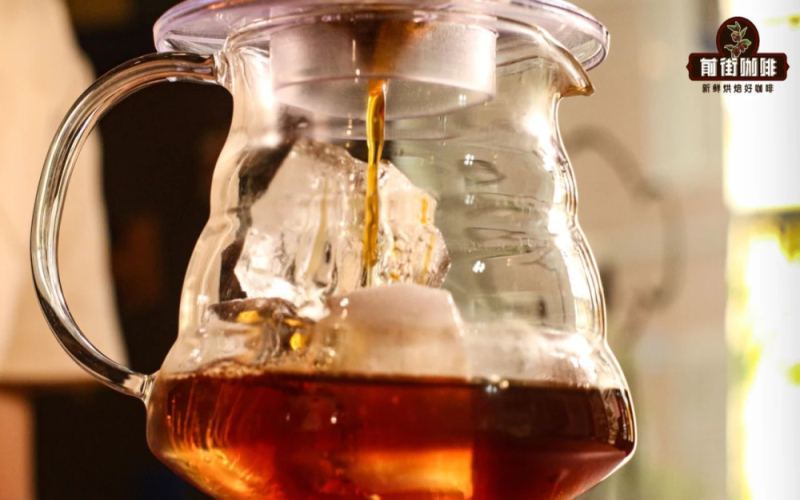
Starbucks Decaf Espresso Roast: Flavor Analysis and Pricing Characteristics
Decaf coffee is not an independent coffee variety, but rather a relative concept—compared with regular coffee beans, it has a lower caffeine content. Starbucks Decaf Espresso Roast is a decaffeinated coffee with the rich caramel texture of a dark espresso, and it took months of experimentation in 1975 to determine the perfect blend of bean type and roast. So what exactly does this kind of decaf espresso taste like? And what are the characteristics of its coffee price? Today, Front Street will give everyone a systematic introduction to the relevant knowledge about decaf coffee from the perspectives of the role of caffeine, the types of decaf coffee, artificial decaffeination methods, and flavor performance. [more…]
Comparison of Caffeine Content in Different Coffee Drinks: Which Coffee Has the Most Noticeable Energizing Effect?
The reason coffee can boost alertness lies primarily in caffeine. But when faced with many choices such as espresso, American drip coffee, and single-origin pour-over, which cup has the highest caffeine content and the strongest alertness-boosting effect? The answer depends on two key factors: coffee bean variety and brewing method. In this article, Front Street will start from the perspective of caffeine content, analyze the differences between Robusta and Arabica beans, explain the distinction between naturally low-caffeine coffee and artificially decaffeinated coffee, and, based on the actual caffeine intake per cup, list reference data for common coffee drinks to help you choose the cup best suited for staying alert in different situations. [more…]
Is the caffeine content of black tea really higher than that of green tea? Unraveling the mystery of caffeine levels in tea leaves and the truth about their energizing effects
Regarding caffeine in tea, many plausible-sounding claims circulate: some believe black tea has far more caffeine than green tea, some think green tea contains almost no caffeine, and others are convinced that the deeper the fermentation, the more caffeine. Is any of this actually true? All tea leaves from the tea plant—unless decaffeinated—inherently contain caffeine, and the level depends more on plucking tenderness, tea cultivar, cultivation methods, and climate conditions than on the degree of fermentation or oxidation. Buds and newly opened leaves have the highest caffeine concentrations, African Assamica tea plants are generally higher than Chinese varieties, and older leaves plucked in autumn tend to be lower. In addition, theanine, unique to tea, works synergistically with caffeine to deliver a calm yet alert lift—quite different from the jolt of coffee. This article breaks down these factors one by one and explains why Front Street Coffee labels the caffeine content of the teas it sells, helping you make a more suitable choice based on your own tolerance. [more…]
How Does Decaf Coffee Differ from Regular Coffee? A Comprehensive Analysis of Decaffeination Processes, Flavor Performance, and Pros and Cons
Decaf coffee has attracted increasing attention in the healthy eating trend in recent years, but many coffee enthusiasts still have quite a few questions about it: How low is the caffeine content in decaf coffee exactly? How is the caffeine removed? Will the flavor be greatly compromised? From the perspective of Front Street Coffee, this article systematically reviews the historical origins of decaf coffee, its definition standards, and the principles and characteristics of four mainstream decaffeination methods, and deeply analyzes the flavor performance, advantages, and shortcomings of decaf coffee. At the same time, it introduces the Colombian Huila decaf coffee beans brought in by Front Street Coffee, helping readers fully understand the true face of decaf coffee so they can make more suitable judgments in their daily purchases. [more…]
What are the characteristics, advantages, and disadvantages of decaf coffee beans? A detailed explanation of the definition of decaf coffee, processing methods, and differences from regular coffee
Decaf coffee has become increasingly common in recent years amid the health trend, but many people still have only a partial understanding of its definition, processing methods, and flavor profile. From the perspective of Front Street Coffee, this article sorts out the historical origins of decaf coffee, caffeine content standards, four mainstream decaffeination methods, and analyzes the differences between decaf and regular coffee in terms of antioxidant components and nutrition. The article also introduces the Colombia Huila Decaf coffee beans launched by Front Street Coffee, helping coffee enthusiasts understand whether decaf coffee tastes good, where its pros and cons lie, and what to look for when purchasing. [more…]
An Analysis of Starbucks Decaf Coffee Flavor Characteristics: Differences Between Decaf and Regular Coffee and Main Decaffeination Processes
Caffeine is the key source of coffee's stimulating effect and an important reason why many people drink coffee every day. However, tolerance to caffeine varies greatly from person to person. Some people experience palpitations and insomnia after consuming even a small amount, yet they cannot give up the flavor of coffee, so decaf becomes an ideal alternative. This article focuses on the taste of Starbucks decaf coffee. It first explains the definition of decaf and the naturally low-caffeine variety Laurina, then compares the EU and U.S. FDA standards for decaffeinated coffee, and subsequently reviews the principles, advantages, and disadvantages of four mainstream processes: the direct solvent method, the supercritical carbon dioxide method, the Swiss Water Process, and the mountain spring water process. Combined with the cupping performance of Front Street Coffee's Colombia Huila decaf beans, it helps coffee enthusiasts fully understand the difference between decaf coffee and regular coffee. [more…]