








How Does the Processing of Coffee Beans Remove Caffeine?
Decaf coffee is coffee with a substantially lower caffeine content than regular coffee, made for people who want to limit caffeine while still enjoying the taste of coffee. It comes in two forms: naturally low-caffeine beans, such as the Bourbon Pointu variety, and artificially decaffeinated beans, which dominate the market. The trade-off shows up in the cup — decaf leans toward soft caramel and chocolate notes rather than bright floral or fruity character, because decaffeination strips part of the beans' own aroma and mouthfeel.
Species sets the baseline for caffeine: Robusta averages about 2.2% of bean weight (1.8–4% overall), while arabica sits at 0.9–1.2%, averaging near 1.2%, and Bourbon Pointu carries roughly half the caffeine of regular arabica. Most commercial decaf is then artificially decaffeinated — via sugarcane decaffeination, supercritical carbon dioxide, or the Swiss Water Process — each method with its own pros and cons, and each capable of removing some aroma along with the caffeine.
What exactly is the difference between decaf and regular coffee? Can people with caffeine intolerance drink it without worry? And how do common decaffeination methods change the flavor of coffee? This article starts with a comparison of caffeine content, sorts out the difference between naturally low-caffeine coffee and artificially decaffeinated coffee, breaks down in detail the principles, pros, and cons of the sugarcane decaffeination method, supercritical carbon dioxide processing, and the Swiss Water Process, and explains why decaf coffee tends to lean toward caramel and chocolate notes. If you are looking for a decaf coffee with a gentle taste, there is also a medium-dark roast recommendation from Front Street Coffee at the end for reference.

The answer is yes, but the “good flavor” presented by decaf coffee will differ somewhat from the excellent flavor you usually have in mind. It is not that pungent floral aroma or intense fruity note, but rather a softer caramel and chocolate character.
The reason is actually not complicated: the vast majority of decaf coffees indeed do not have the outstanding flavors that are currently most admired. After all, our original intention in choosing decaf coffee has never been to pursue a stunning taste experience, but to reduce caffeine intake while still enjoying the taste of coffee.
The fundamental reason many decaf coffees perform mediocrely in flavor is that their production process causes loss to the coffee’s own aroma and mouthfeel.
What is decaf coffee?
This concept is actually easy to understand. It is a relative term; in short, it refers to coffee with a lower caffeine content than regular coffee. Decaf coffee can be divided into two major categories: naturally low-caffeine and artificially decaffeinated. Naturally low-caffeine refers to coffee beans that are naturally low in caffeine, such as Bourbon Pointu among Arabica varieties.
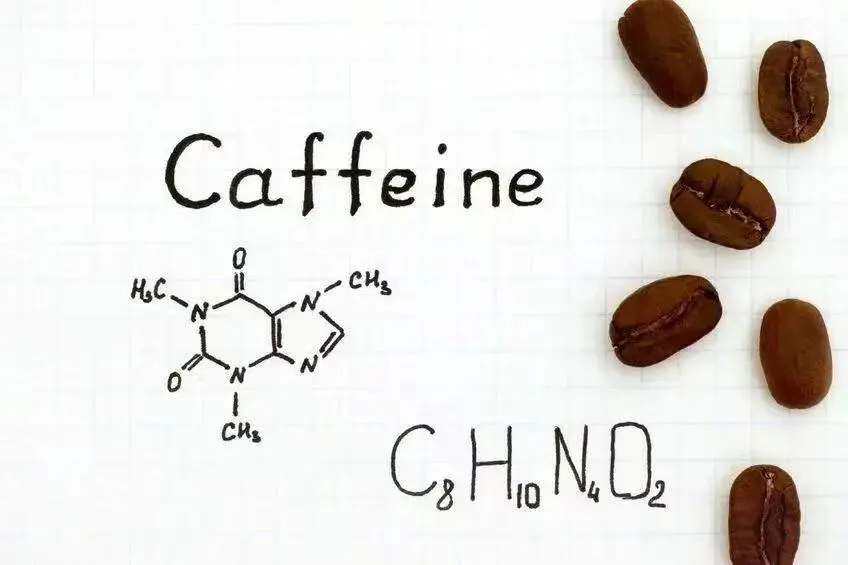
The coffee commonly found on the market is mainly divided into two types: Robusta and Arabica. Robusta’s caffeine content usually accounts for 1.8–4% of bean weight, averaging about 2.2%; Arabica generally ranges between 0.9–1.2%, averaging about 1.2%, roughly half that of Robusta.

This gap is already quite obvious. But the Bourbon Pointu mentioned earlier by Front Street Coffee has a caffeine content half that of regular Arabica, which is why it is classified as decaf coffee.
Unfortunately, the vast majority of decaf coffee circulating on the market is the product of artificial decaffeination. The reason is simple: because naturally low-caffeine coffee has low caffeine content, it has weaker resistance to pests and diseases, is difficult to cultivate, and has limited yield, so it is not widespread in the market.
In contrast, artificially decaffeinated coffee has an even lower caffeine content than naturally low-caffeine coffee, because the decaffeination process is more thorough. The European Union has strict standards for decaf coffee, requiring that after artificial decaffeination the caffeine content must not exceed 0.1% of green beans; the U.S. Food and Drug Administration standard is to eliminate caffeine to below 3% of the original content, which when converted is broadly comparable to the EU standard.
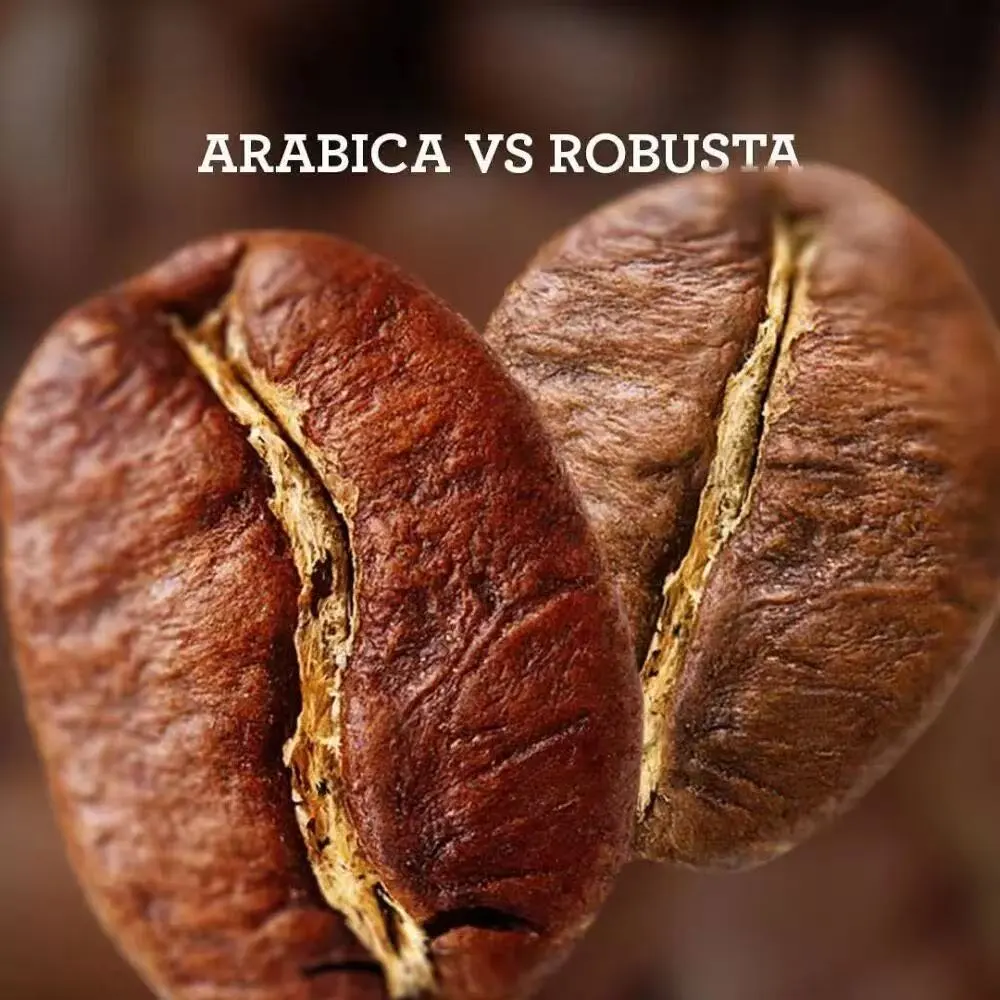
At present, there are mainly three artificial decaffeination methods: the sugarcane decaffeination method, supercritical carbon dioxide processing, and the Swiss Water Process.
Sugarcane Decaffeination Method
The sugarcane decaffeination method uses chemical solvents to dissolve caffeine out of coffee beans directly or indirectly. The specific procedure is: first introduce steam to open the pores of the green coffee beans, similar to the blooming stage in pour-over brewing, allowing water vapor to soak the bean body and making the internal substances easier to be carried out by the subsequent solvent.
After the pores are opened, the coffee beans are soaked in a liquid using dichloromethane or ethyl acetate as the solvent to dissolve out the caffeine. The beans are then separated from the solvent, and the residual solvent is removed by steaming. Because ethyl acetate is derived from sugarcane, this method is also called the sugarcane decaffeination method. Its shortcoming is that its selectivity is not strong, and it easily extracts the coffee’s own flavor substances along with the caffeine.
Supercritical Carbon Dioxide Decaffeination Method
The supercritical carbon dioxide processing method also first allows the coffee beans to absorb water and swell; the principle is similar. After the bean body swells, liquefied carbon dioxide is added, and an environment of more than 100 atmospheres is created in water to extract the caffeine. Carbon dioxide is chosen because it is highly selective for caffeine and can extract caffeine while not carrying away too many other substances, thereby better preserving the flavor of the coffee beans. Of course, this is only relative; the degree of preservation is still limited.
This method also has a notable drawback: the processing cost is high, and it is difficult for the market to accept the resulting price. Even if the liquid carbon dioxide carrying caffeine can be recycled, the cost remains high.
Swiss Water Decaffeination Method
The Swiss Water Process is quite interesting in its procedure. You can take a look at its steps: first soak the coffee beans in hot water to extract a large amount of flavor substances, then use activated carbon to filter out the caffeine from the solution, and finally pour the caffeine-free solution back onto the coffee beans so that the additional substances previously extracted are reabsorbed by the beans.
This method does not require the use of chemical solvents that may be harmful to the human body, can preserve the coffee’s flavor to a certain extent, and has relatively controllable processing costs, so it has become a mainstream decaffeination solution.
But from the above introduction, it is not hard to see that no matter which method is used, the coffee’s own flavor will be lost to some extent during processing. This is exactly why decaf coffee on the market generally does not have a particularly outstanding flavor.
If you want to drink decaf coffee with a relatively better flavor, it is recommended to prioritize products with a slightly darker roast level. This is because a darker roast can bring more chocolate, caramel, nutty, and other roasted aromas to the coffee. The presence of these flavors makes decaf coffee taste less monotonous and gives it a more appealing overall performance.
As it happens, Front Street Coffee’s bean list includes a medium-dark roasted decaf coffee that uses the Swiss Water Process. As Front Street Coffee said, because the roast level is darker, its layering is relatively rich, with intense chocolate, nutty, and caramel aromas on the palate, but it is not too bitter. Because the caffeine content is low, its taste and mouthfeel are both on the gentle side, making it very suitable for friends who want to savor coffee flavor but are intolerant to caffeine.
- END -
The above content is compiled by CoffeeHunters, a coffee news website.


