







Do arabica beans or robusta deliver more caffeine per cup?
Caffeine content in a cup depends on two things: the bean variety and the brewing method. Robusta beans carry more caffeine than arabica beans, so anyone chasing a stronger alerting effect should look at robusta, while those wanting to limit intake should choose arabica. Extraction then decides how much of that caffeine actually reaches the cup.
Naturally low-caffeine coffee is itself an arabica type, with roughly half the caffeine of regular arabica, around 0.6 percent, which is still not negligible for sensitive drinkers. Avoiding caffeine entirely means choosing artificially decaffeinated coffee. Reference figures for espresso, drip Americano and pour-over single origins help match a drink to the situation.
The reason coffee can keep us alert lies mainly in caffeine. But when faced with so many choices—espresso, American drip, pour-over single origin, and more—which cup has the highest caffeine content and the strongest alerting effect? The answer depends on two key factors: the coffee bean variety and the brewing method. In this article, Front Street Coffee will approach the topic from the angle of caffeine content, analyze the differences between Robusta and Arabica beans, explain the distinction between naturally low-caffeine coffee and artificially decaffeinated coffee, and, based on the actual caffeine intake per cup, list reference data for common coffee drinks to help you choose the cup best suited for staying alert in different situations.
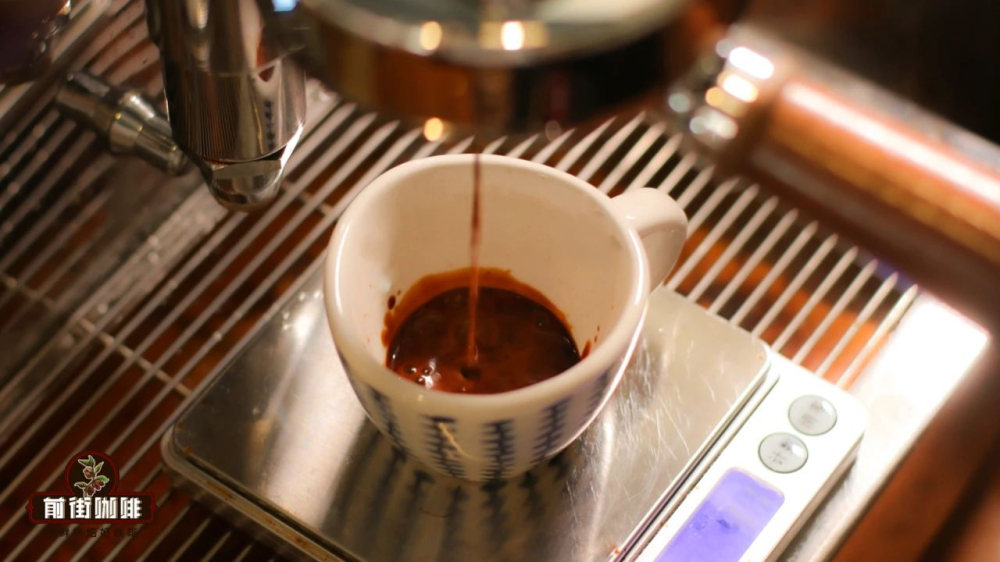
When humans first started using coffee, it was precisely for its alerting effect. Whether it is an espresso downed in one gulp while standing at the bar, an Americano batch-brewed in the office with a drip machine, or a pour-over single origin savored on a special trip to a café, all of them have an alerting effect. The only difference is that each person's situation, the function they seek, and the flavor they prefer vary, leading them to make different choices.
So here comes the question: with so many types of coffee, which one actually has the strongest alerting effect?
To answer this question, the logic is actually quite straightforward: the one with the strongest alerting effect is naturally the type with the highest caffeine content. And how much caffeine a cup of coffee ultimately contains is mainly determined by two variables—the caffeine content of the coffee beans themselves and the extraction method used during brewing. Below, Front Street Coffee will discuss these two dimensions separately.
Therefore, if you want to consume more caffeine, Robusta beans are the better choice; conversely, if you want to control your caffeine intake, you should choose Arabica beans. Some friends may have heard of naturally low-caffeine coffee, and Front Street Coffee will briefly explain here: naturally low-caffeine coffee also belongs to the Arabica species, and its caffeine content is about half that of regular Arabica, around 0.6%. For people sensitive to caffeine, this value is still not low. If you want to enjoy the flavor of coffee while completely avoiding caffeine intake, you can choose artificially decaffeinated coffee beans, which contain almost no caffeine.
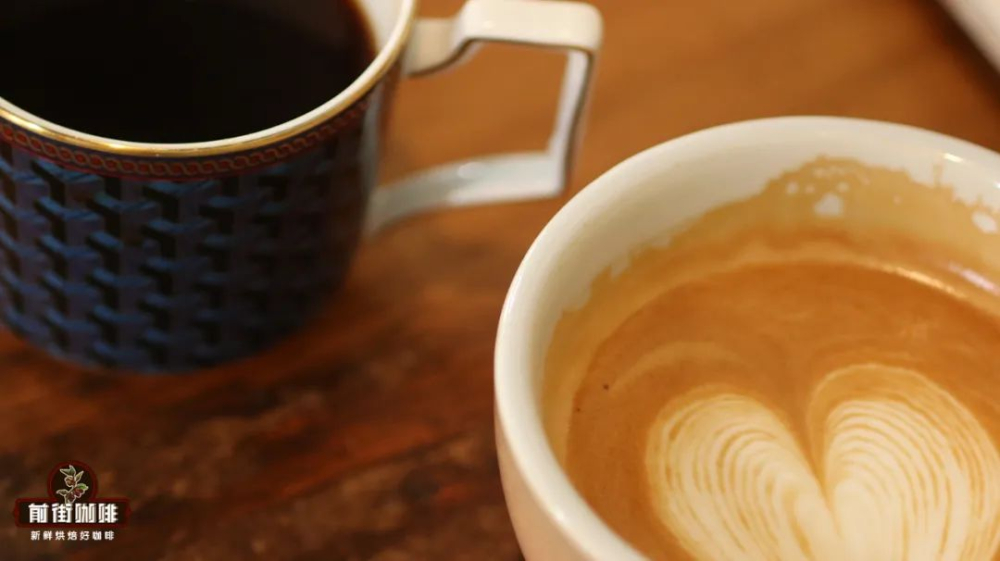
The caffeine content on beverage packaging is usually labeled as "Xmg/100ml," and this method of expressing it on a volume basis is fairly common. But from a barista's practical point of view, using "per cup" or "the actual grams of coffee grounds used" as the unit of measurement is more intuitive. Take espresso-based coffee as an example: whether it is ultimately made into a latte or an Americano, as long as the amount of the espresso base is the same, the caffeine content of the finished drink is the same.
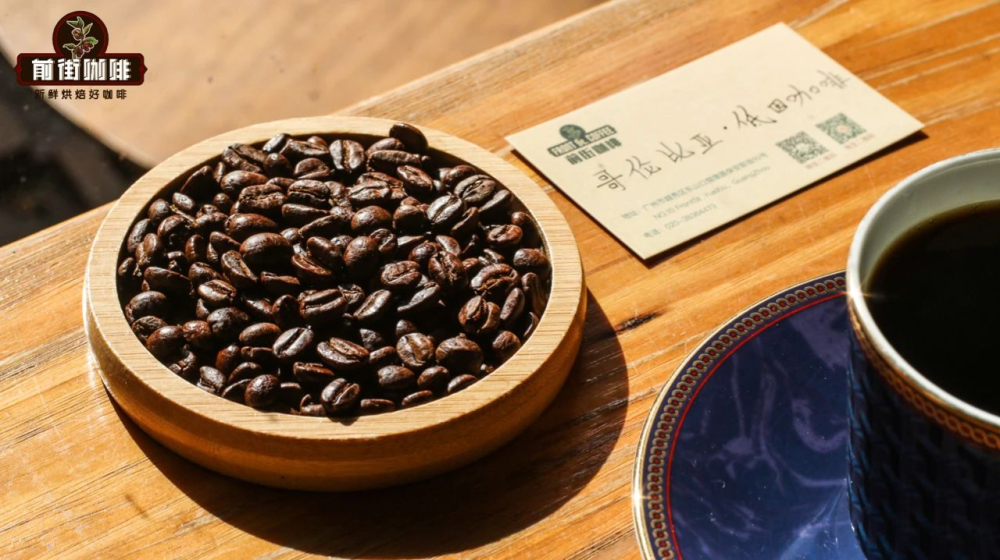
Below, Front Street Coffee has compiled the caffeine content of some common coffee drinks for reference (Note: the coffee beans below are all Arabica; the caffeine content of cold brew and ice drip coffee is affected by extraction time, and here it is based on 8 hours for ice drip and 12 hours for cold brew):
Pour-over coffee (20g grounds/260ml coffee) about 120mg;
Instant coffee (one packet) about 50mg.
Actually, sometimes coffee does not necessarily have to be drunk by yourself to have an alerting effect. According to Front Street Coffee's editorial team's own testing, letting the computer "drink" coffee produces a faster and stronger alerting effect than drinking it yourself. If you do not believe it, you might as well give it a try.
The above content is compiled by CoffeeHunters, a coffee news website.


